
Understanding TGY and TGR Oil Seals in Modern Rotating Equipment
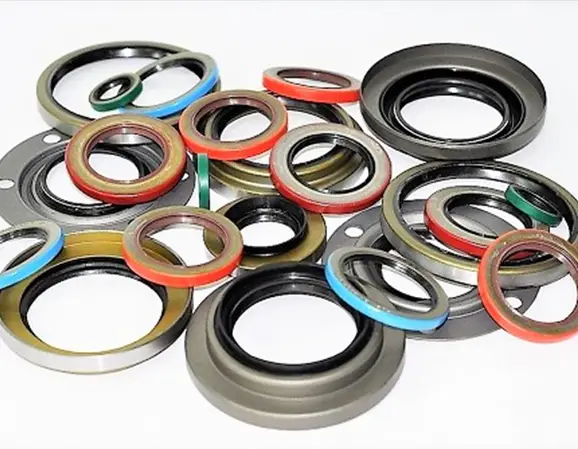
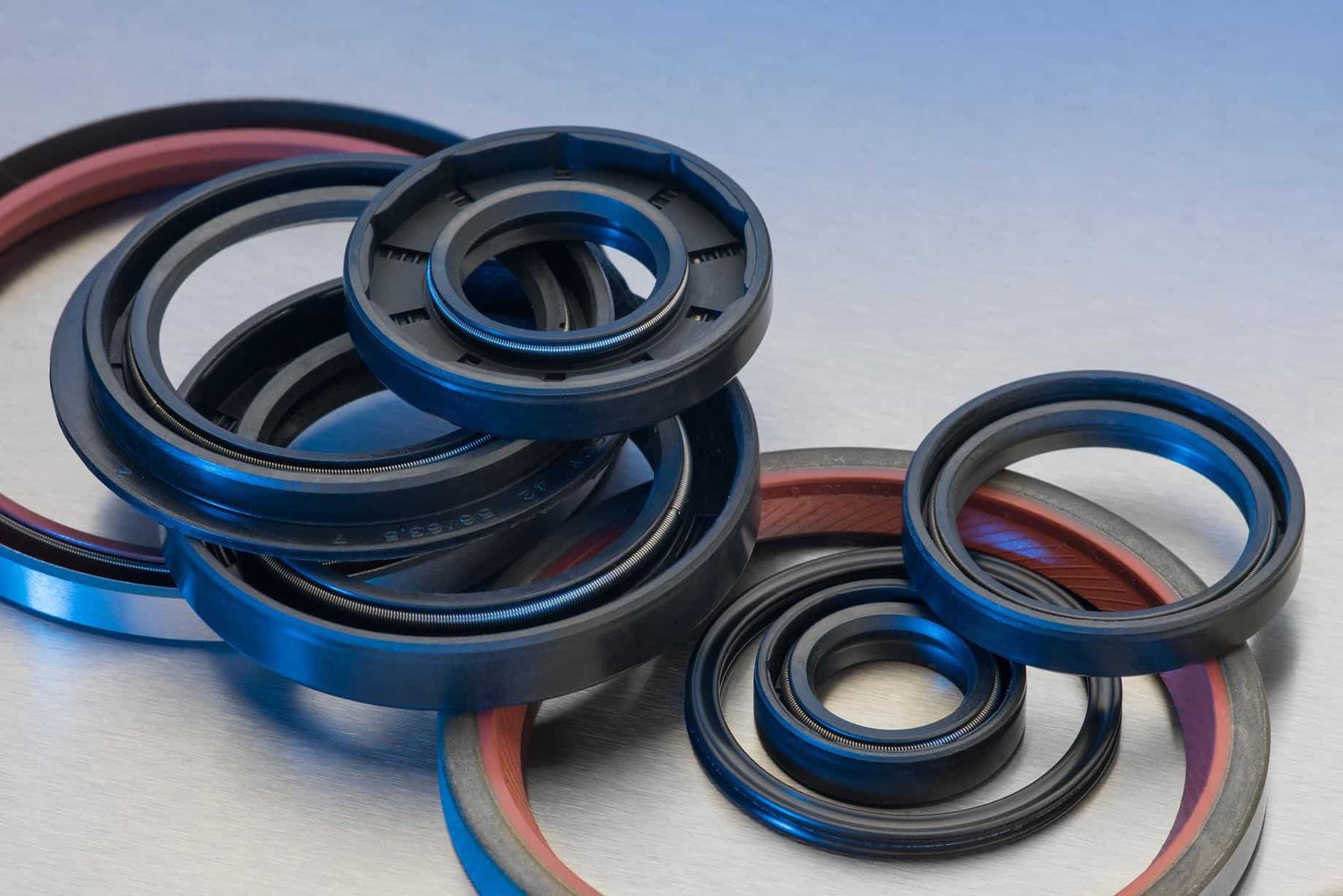
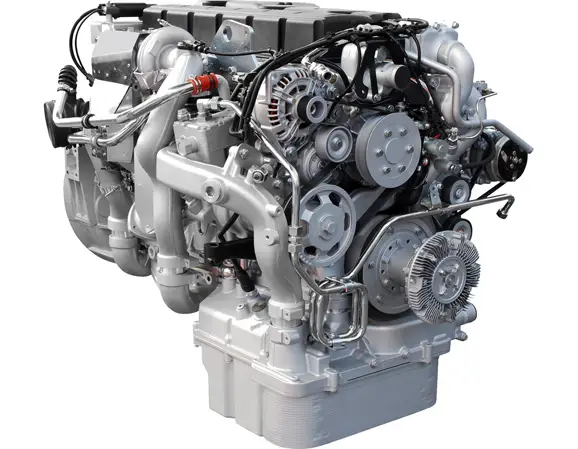
Selecting the correct oil seal is one of the most important decisions when designing or maintaining rotating machinery. A properly chosen oil seal helps retain lubricants, prevent contamination ingress, reduce maintenance costs, and extend equipment service life. Among the many rotary shaft seal designs available today, TGY oil seals and TGR oil seals are frequently discussed because both are designed for demanding industrial and automotive applications. However, despite their similar naming conventions, these two seal types have structural differences, performance characteristics, and application advantages that make each suitable for specific operating environments.
Engineers, maintenance professionals, and purchasing managers often ask whether a TGY oil seal can replace a TGR oil seal or vice versa. The answer depends on operating conditions, contamination exposure, shaft speed, housing design, and lubrication requirements. Understanding the distinctions between these seal types can help prevent premature seal failure and improve overall equipment reliability.
For technical reference and product specifications, many engineers compare TGY oil seals and TGR oil seals before selecting the most suitable sealing solution.
What Is a TGY Oil Seal?
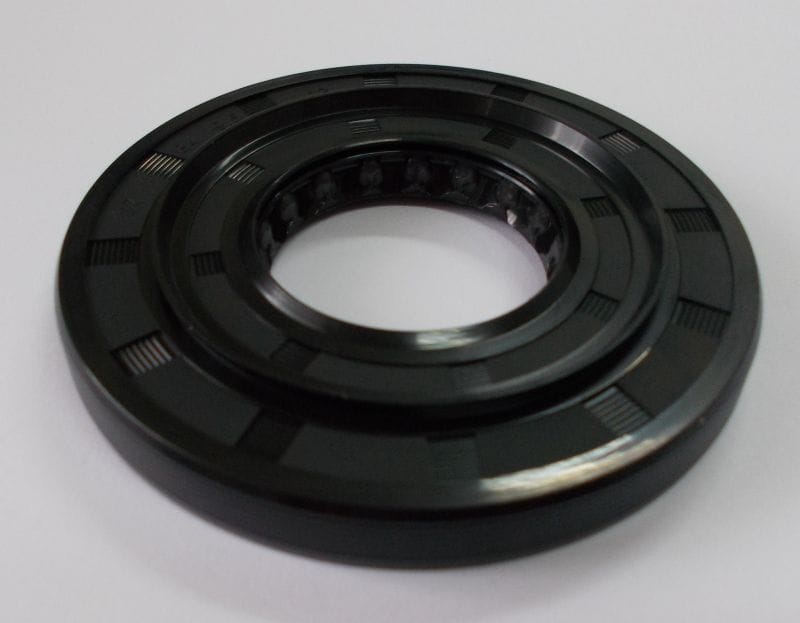
A TGY oil seal is a radial shaft seal designed to provide reliable lubricant retention while offering enhanced protection against dust, moisture, and environmental contaminants. Its design typically incorporates multiple sealing elements that improve sealing efficiency under challenging operating conditions.
TGY oil seals are often selected for equipment exposed to varying environmental conditions, including construction machinery, agricultural equipment, industrial gearboxes, and heavy-duty rotating systems.
The design philosophy behind the TGY seal focuses on balancing contamination exclusion with low friction performance, allowing machinery to operate efficiently while maintaining long service intervals.
Main Functions of a TGY Oil Seal
✔ Prevent lubricant leakage
✔ Block dirt and dust intrusion
✔ Protect bearings and shafts
✔ Reduce wear on rotating components
✔ Improve equipment reliability
What Is a TGR Oil Seal?
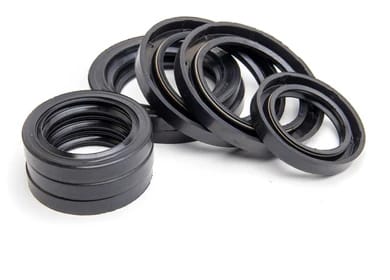
A TGR oil seal is another advanced rotary shaft sealing solution developed for applications requiring dependable sealing performance under demanding conditions. It is widely used where contamination control and lubricant retention are critical for equipment longevity.
TGR oil seals typically feature reinforced sealing structures and optimized lip geometry that help maintain sealing force over extended operating periods. This design enables the seal to perform effectively even when exposed to vibration, temperature fluctuations, and continuous operation.
Many industries rely on TGY oil seals and TGR oil seals to protect critical rotating assemblies from premature failure.
Why Comparing TGY and TGR Oil Seals Matters
Oil seal failure can result in lubricant loss, contamination ingress, bearing damage, equipment downtime, and expensive repairs. Therefore, selecting the correct seal design is more than a purchasing decision—it is an operational reliability strategy.
Understanding the differences between TGY and TGR oil seals allows engineers to optimize sealing performance based on real-world operating conditions rather than relying solely on dimensional compatibility.
Structural Differences Between TGY and TGR Oil Seals
Lip Configuration
One of the most important distinctions often lies in the sealing lip design. TGY oil seals may utilize a sealing geometry optimized for balanced lubrication retention and contamination protection. TGR oil seals, meanwhile, frequently emphasize reinforced sealing performance and enhanced dirt exclusion capability.
The exact lip profile affects friction levels, sealing force, wear resistance, and long-term durability.
Dust Protection Features
TGY designs commonly prioritize environmental protection, making them suitable for applications exposed to moderate contamination levels. TGR designs are often selected where contamination challenges are more severe and where additional sealing barriers are advantageous.
Reinforcement Structure
TGR oil seals frequently incorporate structural enhancements that improve stability during prolonged operation, vibration, and fluctuating temperatures.
These design characteristics can influence seal life and performance consistency.
Performance Comparison: TGY vs TGR Oil Seals
Lubricant Retention
Both seal types are engineered to prevent oil and grease leakage. However, performance varies depending on shaft finish, operating speed, pressure exposure, and seal material selection.
Contamination Exclusion
TGR oil seals are often favored in heavily contaminated environments because of their reinforced sealing arrangements and enhanced exclusion capabilities.
TGY oil seals perform exceptionally well in applications where contamination levels are moderate and operational efficiency is a priority.
Wear Resistance
The durability of both designs depends on operating conditions, shaft quality, lubrication, and material selection. High-quality compounds significantly extend service life.
Friction Characteristics
Seal geometry directly influences friction generation. Lower friction can reduce heat generation and energy consumption while extending seal life.
Material Options Available for Both Seal Types
The performance of TGY and TGR oil seals is heavily influenced by elastomer selection.
NBR (Nitrile Rubber)
Offers excellent resistance to mineral oils and provides cost-effective sealing performance.
FKM (Fluoroelastomer)
Provides outstanding resistance to high temperatures, fuels, and aggressive chemicals.
HNBR
Delivers improved mechanical strength and heat resistance compared with conventional nitrile compounds.
ACM
Frequently used in automotive applications where elevated temperatures are encountered.
Industries That Commonly Use TGY Oil Seals
Agricultural machinery
Industrial gearboxes
Pumps and compressors
Light construction equipment
Electric motors
Material handling systems
These industries benefit from the balance between sealing efficiency and contamination protection offered by TGY designs.
Industries That Commonly Use TGR Oil Seals
Mining equipment
Heavy-duty construction machinery
Forestry equipment
Large industrial gearboxes
Marine systems
Severe-duty rotating assemblies
These applications often expose seals to higher contamination levels and more challenging operating conditions.
Many maintenance professionals evaluate TGY oil seals and TGR oil seals based on contamination risk and expected service intervals.
Installation Considerations
Regardless of seal type, proper installation is essential.
Inspect shaft surfaces before installation.
Remove burrs and sharp edges.
Use proper installation tools.
Apply appropriate lubrication.
Verify housing tolerances.
Avoid lip damage during assembly.
Incorrect installation remains one of the most common causes of premature oil seal failure.
Common Causes of Failure for Both Designs
Improper shaft finish
Contamination ingress
Incorrect material selection
Thermal degradation
Excessive shaft runout
Insufficient lubrication
Improper installation techniques
Understanding failure mechanisms helps maximize seal performance and operational reliability.
How to Choose Between TGY and TGR Oil Seals
Choose TGY Oil Seals When:
Moderate contamination exists.
Energy efficiency is important.
Lower friction is desirable.
General industrial performance is required.
Choose TGR Oil Seals When:
Contamination exposure is severe.
Heavy-duty operating conditions exist.
Extended service intervals are required.
Maximum equipment protection is prioritized.
Reviewing the specifications of TGY oil seals and TGR oil seals can help engineers identify the most effective sealing solution for their application.
Future Trends in Advanced Oil Seal Design
Modern oil seal technology continues to evolve through material innovation and manufacturing improvements.
Emerging developments include:
Low-friction sealing compounds
Enhanced contamination barriers
Advanced wear-resistant elastomers
Predictive maintenance integration
Environmentally sustainable materials
These advancements will continue improving equipment reliability while reducing maintenance costs.
Frequently Asked Questions
1. What is the main difference between TGY and TGR oil seals?
The primary difference generally involves sealing structure, contamination protection capability, and application suitability under varying operating conditions.
2. Can a TGY oil seal replace a TGR oil seal?
In some applications it may be possible, but performance requirements and environmental conditions should always be evaluated before substitution.
3. Which seal performs better in dusty environments?
TGR oil seals are often preferred in heavily contaminated environments because of their enhanced exclusion characteristics.
4. Are both TGY and TGR oil seals available in FKM materials?
Yes. Many manufacturers offer both seal types in NBR, FKM, HNBR, and other elastomer compounds.
5. How can I maximize the service life of either seal type?
Proper installation, correct material selection, adequate lubrication, shaft surface quality, and regular maintenance inspections are key factors in extending seal lifespan.