🔍 Industry Insight: Oil seal failures rarely happen without warning. Most leakage issues begin as small changes in temperature, shaft condition, lubrication quality, or installation accuracy. Understanding these warning signs allows maintenance teams to prevent expensive downtime and improve equipment reliability.
Why Oil Seal Fault Diagnosis Is Critical for Modern Machinery
In industrial equipment, automotive systems, agricultural machinery, hydraulic units, and power transmission assemblies, sealing technology plays a vital role in maintaining operational efficiency. While bearings, shafts, gears, and lubricants often receive the most attention, the sealing system quietly performs one of the most important functions—keeping lubricants inside and contaminants outside.
A failed oil seal can lead to lubricant leakage, environmental contamination, overheating, bearing damage, and complete equipment shutdown. Unfortunately, many maintenance teams simply replace the leaking seal without investigating the root cause. As a result, the same failure reappears weeks or months later.
Effective oil seal fault diagnosis goes beyond identifying leakage. It involves understanding failure patterns, analyzing operating conditions, and implementing corrective actions that eliminate recurring problems. This guide provides practical strategies for diagnosing oil seal issues and improving long-term sealing performance.
Understanding How Oil Seals Fail

An oil seal operates at the interface between a rotating shaft and a stationary housing. During operation, the sealing lip continuously contacts the shaft surface while retaining lubricant and excluding contaminants.
Although oil seals are designed for durability, they are exposed to multiple stress factors simultaneously:
⚙️ Common Stress Factors Affecting Oil Seals
✔ Rotational friction
✔ High temperatures
✔ Shaft runout
✔ Vibration
✔ Lubricant chemistry
✔ Dust and contaminants
✔ Pressure fluctuations
✔ Improper installation
When one or more of these factors exceed acceptable limits, the seal begins to deteriorate. Identifying which factor caused the failure is the foundation of accurate fault diagnosis.
The Five Stages of Oil Seal Failure Development
Most seal failures do not occur instantly. Instead, they progress through several stages.
Stage 1: Performance Degradation
The sealing lip begins experiencing microscopic wear while lubricant retention efficiency gradually decreases.
Stage 2: Increased Friction
Temperature rises as friction increases between the shaft and sealing lip.
Stage 3: Material Deterioration
Heat, chemical exposure, and mechanical stress begin affecting the elastomer properties.
Stage 4: Visible Leakage
Lubricant starts escaping from the sealing interface.
Stage 5: Secondary Equipment Damage
Bearings, gears, and other rotating components suffer accelerated wear due to lubrication loss or contamination ingress.
💡 Key Point: Diagnosing seal problems during the early stages dramatically reduces maintenance costs compared with waiting until severe leakage occurs.
Visual Inspection: The First Step in Fault Diagnosis
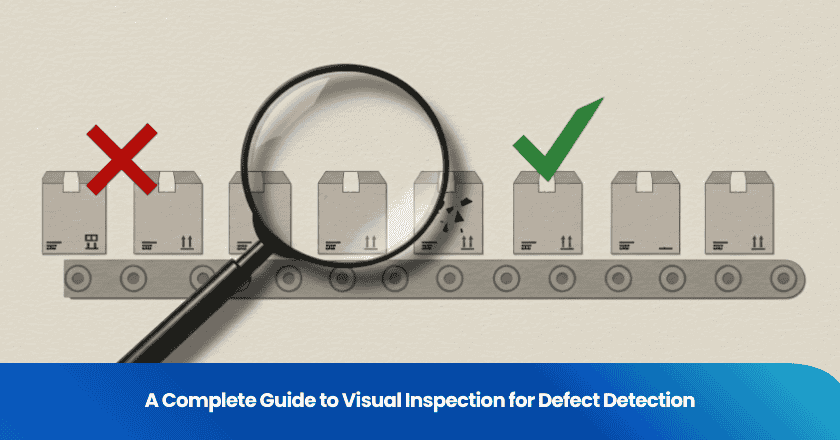
Visual inspection remains one of the most effective and inexpensive diagnostic techniques available.
Before removing the seal, maintenance personnel should carefully document the condition of surrounding components.
Leakage Patterns
The location and distribution of leaked lubricant often reveal the underlying issue.
For example, leakage concentrated at one section of the seal may indicate shaft eccentricity, while leakage around the outer diameter could suggest housing fit problems.
Seal Appearance
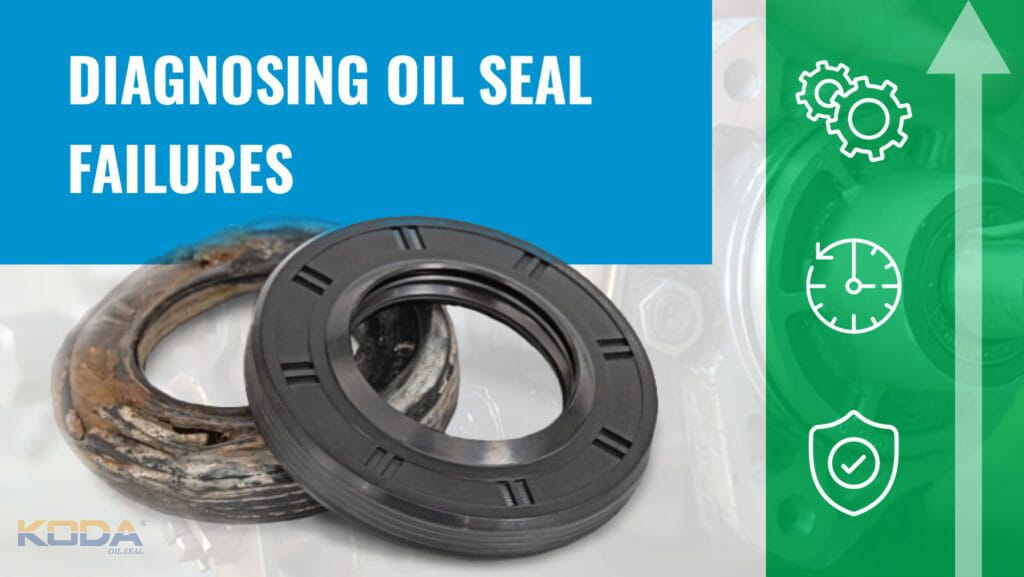
Inspect the seal body for hardening, cracks, deformation, discoloration, swelling, or mechanical damage.
Environmental Evidence
Dust accumulation, mud deposits, moisture traces, or abrasive particles near the seal provide valuable clues regarding contamination-related failures.
Diagnosing Thermal-Related Seal Failures
Temperature is one of the most significant factors affecting seal performance.
When operating temperatures exceed the material’s design limits, the elastomer gradually loses elasticity and sealing effectiveness.
🌡️ Typical Signs of Thermal Damage
• Surface cracking
• Hardened sealing lips
• Dark brown discoloration
• Reduced flexibility
• Increased leakage rates
• Premature wear
Infrared thermography is increasingly used to monitor equipment temperatures and identify overheating conditions before seal failure occurs.
When diagnosing thermal failures, engineers should evaluate lubricant viscosity, bearing conditions, shaft speed, cooling efficiency, and environmental temperature.
Chemical Compatibility Problems and Solutions
Many oil seal failures are mistakenly attributed to poor quality when the actual cause is chemical incompatibility.
Different elastomer materials respond differently to oils, greases, fuels, solvents, and process chemicals.
For example, an improperly selected seal material may swell excessively after exposure to synthetic lubricants. Conversely, some chemicals can extract plasticizers from elastomers, causing shrinkage and brittleness.
Selecting the correct oil seal material based on operating media is essential for maximizing service life.
Common Chemical Failure Indicators
• Excessive swelling
• Softened rubber structure
• Surface blistering
• Material shrinkage
• Loss of elasticity
• Cracking and embrittlement
Shaft Condition Analysis: The Hidden Cause of Repeated Failures
A new seal installed on a damaged shaft will often fail prematurely.
For this reason, shaft inspection should always accompany seal replacement.
Shaft Grooving
Continuous lip contact can eventually create wear grooves on the shaft surface. These grooves prevent proper sealing even when a new seal is installed.
Excessive Surface Roughness
A rough shaft surface accelerates lip wear and generates excessive friction.
Surface Too Smooth
Interestingly, extremely polished surfaces can also create problems because they may prevent the formation of a stable lubrication film.
Shaft Runout
Radial movement forces the sealing lip to continuously adjust position, increasing stress and reducing service life.
📏 Recommended Inspection Checklist
✔ Measure shaft diameter
✔ Verify shaft hardness
✔ Check shaft concentricity
✔ Inspect for grooves
✔ Evaluate surface finish
✔ Measure runout levels
Diagnosing Contamination-Induced Failures
Contamination is among the most destructive factors affecting sealing systems.
When abrasive particles penetrate the sealing interface, they function like grinding compounds between the shaft and sealing lip.
Dust Contamination
Dust particles gradually wear sealing surfaces and bearings.
Water Ingress
Water contamination promotes corrosion, lubricant degradation, and accelerated component wear.
Metal Particle Contamination
Metal particles often indicate internal mechanical wear that requires immediate investigation.
Oil analysis programs provide valuable information regarding contamination levels and emerging equipment issues.
Installation Errors and Their Diagnostic Clues
Industry studies consistently show that installation mistakes contribute significantly to seal failures.
Damaged Sealing Lip
Sharp shaft edges or improper installation tools can cut or distort the sealing lip.
Incorrect Orientation
Installing the seal backwards prevents proper lubricant retention.
Insufficient Lubrication During Assembly
Dry installation creates immediate friction and thermal damage during startup.
Housing Distortion
Improper pressing methods can deform the seal casing and compromise sealing performance.
Using proper installation sleeves, lubrication practices, and alignment tools significantly reduces failure rates.
Using Predictive Maintenance for Early Fault Detection
Modern maintenance strategies increasingly focus on preventing failures before they occur.
Predictive maintenance technologies allow maintenance teams to monitor equipment continuously and identify developing seal issues.
🚀 Advanced Diagnostic Technologies
✔ Vibration monitoring
✔ Infrared thermography
✔ Lubricant analysis
✔ Ultrasound detection
✔ Condition monitoring sensors
✔ Artificial intelligence diagnostics
These technologies transform oil seal maintenance from reactive replacement to proactive reliability management.
Root Cause Analysis Framework for Oil Seal Failures
Rather than focusing solely on the failed seal, engineers should apply a structured root cause methodology.
An effective investigation typically evaluates:
• Equipment operating conditions
• Lubricant specifications
• Installation procedures
• Shaft condition measurements
• Environmental factors
• Material compatibility
• Maintenance history
This comprehensive approach reduces repeat failures and supports continuous improvement programs.
Best Practices for Preventing Future Oil Seal Problems
The most effective fault diagnosis strategy is prevention.
Organizations that establish standardized seal selection, installation, inspection, and monitoring procedures achieve significantly longer equipment life cycles.
Regular condition monitoring, proper shaft maintenance, contamination control, and correct material selection create a strong foundation for reliable sealing performance.
Working with high-quality oil seal manufacturers and following industry best practices helps ensure consistent operational reliability across a wide range of industrial applications.
🏆 Final Thoughts
Effective solutions for oil seal fault diagnosis require a systematic understanding of mechanical, thermal, chemical, and operational factors. Successful diagnosis goes far beyond replacing a leaking seal. By identifying root causes such as shaft wear, contamination, excessive temperatures, material incompatibility, or installation errors, maintenance teams can eliminate recurring failures, reduce downtime, lower operating costs, and maximize equipment performance. In today’s competitive industrial environment, proactive oil seal diagnostics have become an essential part of reliability-centered maintenance strategies.
Frequently Asked Questions
1. What is the most common reason for oil seal leakage?
The most common causes include shaft wear, improper installation, contamination, excessive temperatures, and material incompatibility.
2. Can a damaged shaft cause repeated seal failures?
Yes. Shaft grooves, excessive runout, poor surface finish, and misalignment frequently cause new seals to fail prematurely.
3. How can thermal damage be identified on an oil seal?
Thermal damage often appears as hardening, discoloration, cracking, loss of elasticity, and increased leakage.
4. Why is contamination dangerous for oil seals?
Contaminants accelerate wear, damage sealing lips, degrade lubricants, and reduce bearing life.
5. What is the best way to prevent oil seal failures?
Proper seal selection, correct installation, regular inspections, contamination control, and predictive maintenance are the most effective preventive measures.