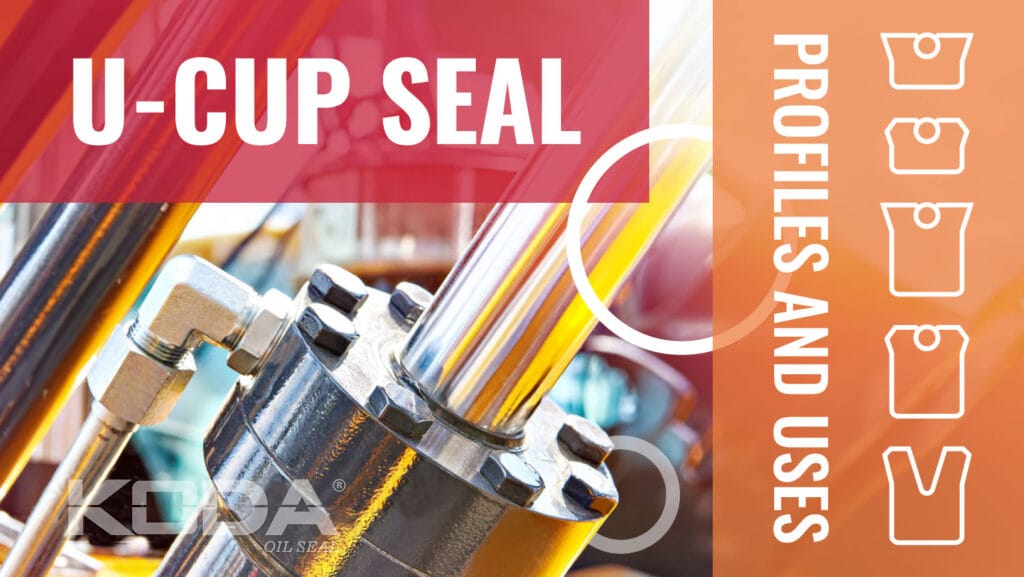
Why U-Cup Seals Are Essential in Modern Hydraulic and Pneumatic Systems
Sealing technology plays a critical role in maintaining efficiency, safety, and reliability across industrial equipment. Among the numerous sealing solutions available today, the U-Cup Seal stands out as one of the most effective options for hydraulic and pneumatic applications. Known for its distinctive U-shaped profile, excellent pressure response, and superior sealing performance, the U-Cup seal has become a preferred choice for engineers designing cylinders, actuators, pumps, and fluid power systems.
As industries continue demanding higher operating pressures, improved energy efficiency, and longer service life, the importance of selecting the correct sealing solution has never been greater. A properly designed U-Cup Seal can significantly reduce leakage, improve equipment performance, and minimize maintenance costs.
This comprehensive guide explores the shape, sealing mechanism, materials, advantages, applications, installation considerations, and future developments of U-Cup seals, helping engineers and purchasing professionals make informed sealing decisions.
What Is a U-Cup Seal?
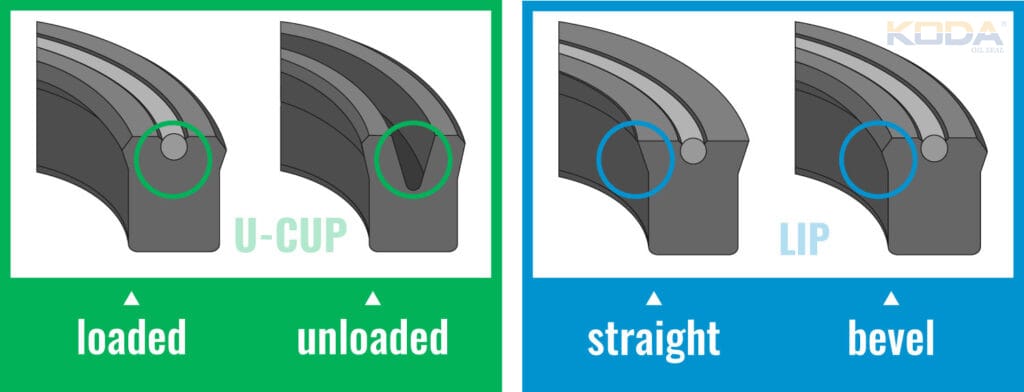
A U-Cup seal is a dynamic sealing component characterized by its unique U-shaped cross-sectional profile. This geometry creates flexible sealing lips that respond to system pressure and improve sealing effectiveness as pressure increases.
Unlike conventional flat-profile seals, the U-shaped design allows internal pressure to energize the sealing lips. As pressure builds, the lips expand outward against the mating surfaces, creating a tighter seal while minimizing leakage.
This self-energizing characteristic makes U-Cup seals highly effective in hydraulic cylinders, pneumatic actuators, mobile equipment, industrial machinery, and fluid power applications.
Key Structural Components
✔ Inner sealing lip
✔ Outer sealing lip
✔ U-shaped cavity
✔ Pressure activation zone
✔ Dynamic sealing surface
How the U-Cup Seal Shape Creates Superior Sealing Performance
The effectiveness of a U-Cup seal originates from its geometry. The cavity between the sealing lips acts as a pressure chamber. When hydraulic or pneumatic pressure enters this cavity, it forces the lips outward.
This pressure-assisted mechanism creates a stronger seal as operating pressure increases, allowing the seal to adapt automatically to changing conditions.
Unlike some sealing designs that rely solely on initial compression, U-Cup seals become more effective as system pressure rises.
The Science Behind Pressure-Activated Sealing
Pressure-energized sealing is one of the most efficient sealing mechanisms used in fluid power systems.
When pressure enters the U-shaped cavity:
The sealing lips expand outward.
Contact pressure increases.
Leakage pathways are eliminated.
Fluid retention improves.
Contaminant ingress is reduced.
This automatic adjustment enables U-Cup seals to perform effectively across a wide range of operating pressures without requiring excessive initial interference.
Advantages of U-Cup Seals Compared with Other Seal Types
The growing popularity of U-Cup seals can be attributed to several important performance advantages.
Excellent Pressure Responsiveness
The pressure-activated design allows sealing force to increase automatically with system pressure.
Low Friction Characteristics
Compared with some conventional sealing designs, U-Cup seals often generate lower friction, reducing wear and energy consumption.
Enhanced Leakage Control
The flexible sealing lips effectively block fluid escape even under demanding operating conditions.
Long Service Life
Properly selected materials and optimized geometry contribute to extended operational longevity.
Simple Installation
Many U-Cup seal designs allow relatively straightforward installation and maintenance procedures.
Common Materials Used for U-Cup Seals
Material selection is critical to achieving optimal sealing performance.
Polyurethane (PU)
Polyurethane is one of the most popular U-Cup seal materials due to its excellent wear resistance, high tensile strength, and superior extrusion resistance.
Nitrile Rubber (NBR)
NBR offers good oil resistance and cost-effective sealing performance in many industrial applications.
FKM
FKM provides excellent resistance to heat, fuels, and aggressive chemicals.
PTFE Compounds
PTFE-based materials are selected for low-friction applications and environments requiring exceptional chemical resistance.
HNBR
HNBR delivers enhanced mechanical strength and temperature resistance compared with standard nitrile compounds.
Rod U-Cup Seals vs Piston U-Cup Seals
Although both styles share similar operating principles, their applications differ.
Rod Seals
Installed on the rod side of hydraulic cylinders, rod seals prevent fluid leakage as the rod moves in and out of the cylinder housing.
Piston Seals
Mounted on pistons, these seals separate pressure zones within the cylinder and maintain efficient force transmission.
Selecting the appropriate U-Cup Seal configuration is essential for achieving reliable sealing performance.
Applications of U-Cup Seals Across Industries
The versatility of U-Cup seals makes them suitable for a broad range of industrial sectors.
Hydraulic Cylinders
Construction equipment, agricultural machinery, mining equipment, and industrial presses rely heavily on U-Cup sealing technology.
Pneumatic Systems
Air cylinders and pneumatic actuators frequently use U-Cup seals to maintain pressure efficiency.
Mobile Equipment
Excavators, loaders, cranes, and forestry machinery often operate under demanding conditions where reliable sealing is essential.
Industrial Automation
Robotic systems and automated manufacturing equipment benefit from low-friction sealing solutions.
Marine Equipment
Marine hydraulic systems require durable seals capable of resisting harsh environmental conditions.
Factors That Influence U-Cup Seal Performance
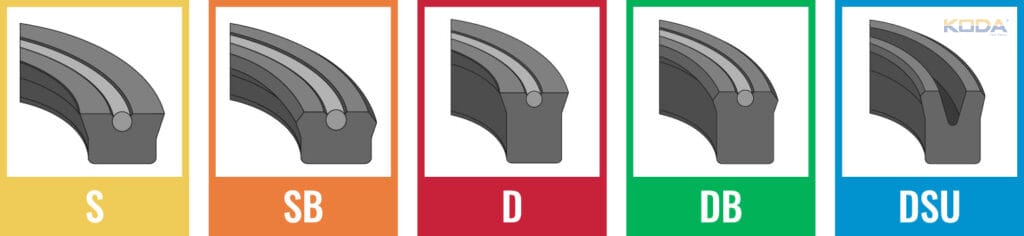
Several variables affect sealing efficiency and service life.
Pressure Levels
Higher pressures generally improve sealing force but may increase wear if system design is inadequate.
Temperature Conditions
Temperature influences elastomer flexibility, wear resistance, and chemical compatibility.
Surface Finish
Cylinder and rod surface quality directly affect seal wear and leakage performance.
Fluid Compatibility
Material compatibility with hydraulic fluids is essential for long-term reliability.
Installation Quality
Improper installation remains one of the most common causes of premature seal failure.
Common U-Cup Seal Failure Modes
Although highly reliable, U-Cup seals can fail under certain conditions.
Extrusion damage
Lip wear
Chemical degradation
Compression set
Contamination-related wear
Improper installation damage
Understanding these failure mechanisms helps maintenance teams implement preventive measures and extend seal life.
Why U-Cup Seals Often Outperform Traditional Lip Seals
Traditional lip seals rely heavily on initial interference for sealing performance. In contrast, U-Cup seals use system pressure to enhance sealing force dynamically.
This pressure-assisted design often results in:
Improved leakage control
Better pressure adaptability
Lower friction
Reduced wear
Longer service intervals
For many hydraulic applications, the U-Cup Seal represents one of the most efficient sealing solutions available.
Future Trends in U-Cup Seal Technology
The sealing industry continues evolving through advancements in material science, manufacturing precision, and digital engineering tools.
Emerging developments include:
Advanced polyurethane formulations
Low-friction composite materials
Predictive maintenance integration
Enhanced wear-resistant compounds
Optimized finite element seal designs
These innovations are helping manufacturers achieve higher performance levels while reducing maintenance costs and environmental impact.
Selecting the Right U-Cup Seal for Your Application
Choosing the optimal seal requires evaluating:
Operating pressure
Temperature range
Fluid compatibility
Motion characteristics
Installation space
Service life expectations
A carefully selected U-Cup Seal can dramatically improve equipment efficiency, reduce downtime, and lower total ownership costs.
Frequently Asked Questions
1. What is the main advantage of a U-Cup seal?
Its pressure-energized design allows sealing performance to improve automatically as system pressure increases.
2. Where are U-Cup seals commonly used?
They are widely used in hydraulic cylinders, pneumatic actuators, construction equipment, industrial machinery, and fluid power systems.
3. Which material is most commonly used for U-Cup seals?
Polyurethane is one of the most popular materials because of its wear resistance and mechanical strength.
4. Can U-Cup seals handle high pressure?
Yes. Their pressure-activated sealing lips make them highly effective in high-pressure hydraulic applications.
5. How can U-Cup seal service life be extended?
Proper material selection, correct installation, surface finish control, fluid compatibility, and regular maintenance inspections all contribute to longer seal life.