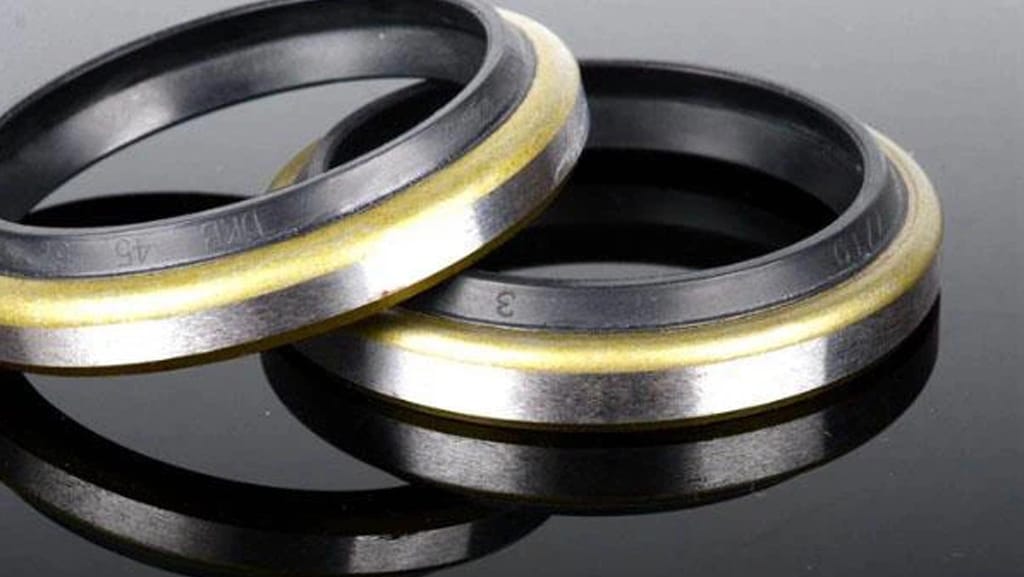
Understanding DKB Oil Seals and Their Importance in Modern Machinery
In today’s industrial world, sealing technology directly affects equipment reliability, operational efficiency, maintenance costs, and product lifespan. Among the many sealing solutions available, the DKB Oil Seal has become a trusted choice for hydraulic systems, heavy-duty machinery, construction equipment, mining applications, and industrial automation systems. Its specialized design allows it to provide excellent sealing performance while resisting contamination, pressure fluctuations, and harsh operating conditions.
The quality of a seal depends not only on its design but also on the manufacturing process behind it. Even a minor defect in material selection, molding accuracy, or quality inspection can significantly reduce sealing effectiveness and service life. Therefore, understanding the manufacturing process and quality judgment standards of a DKB Oil Seal is essential for engineers, equipment manufacturers, procurement professionals, and maintenance teams.
This comprehensive guide explores how DKB oil seals are manufactured, what quality standards define a premium seal, common production challenges, inspection procedures, and the key factors buyers should evaluate before selecting a sealing solution.
What Is a DKB Oil Seal?
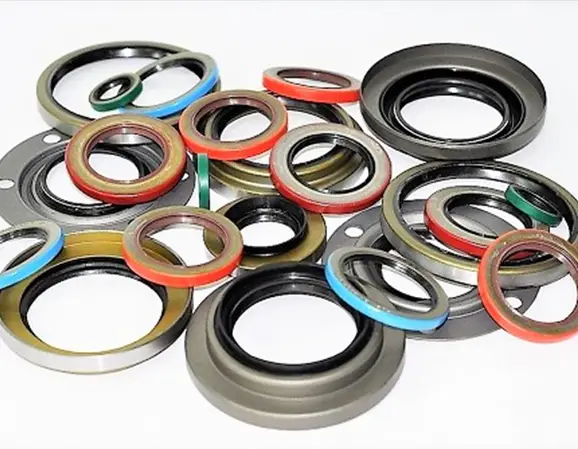
A DKB Oil Seal is a specialized sealing component designed to prevent fluid leakage and protect mechanical systems from external contaminants such as dust, water, mud, and debris. It is commonly used in hydraulic cylinders, excavators, loaders, bulldozers, agricultural machinery, mining equipment, and industrial hydraulic systems.
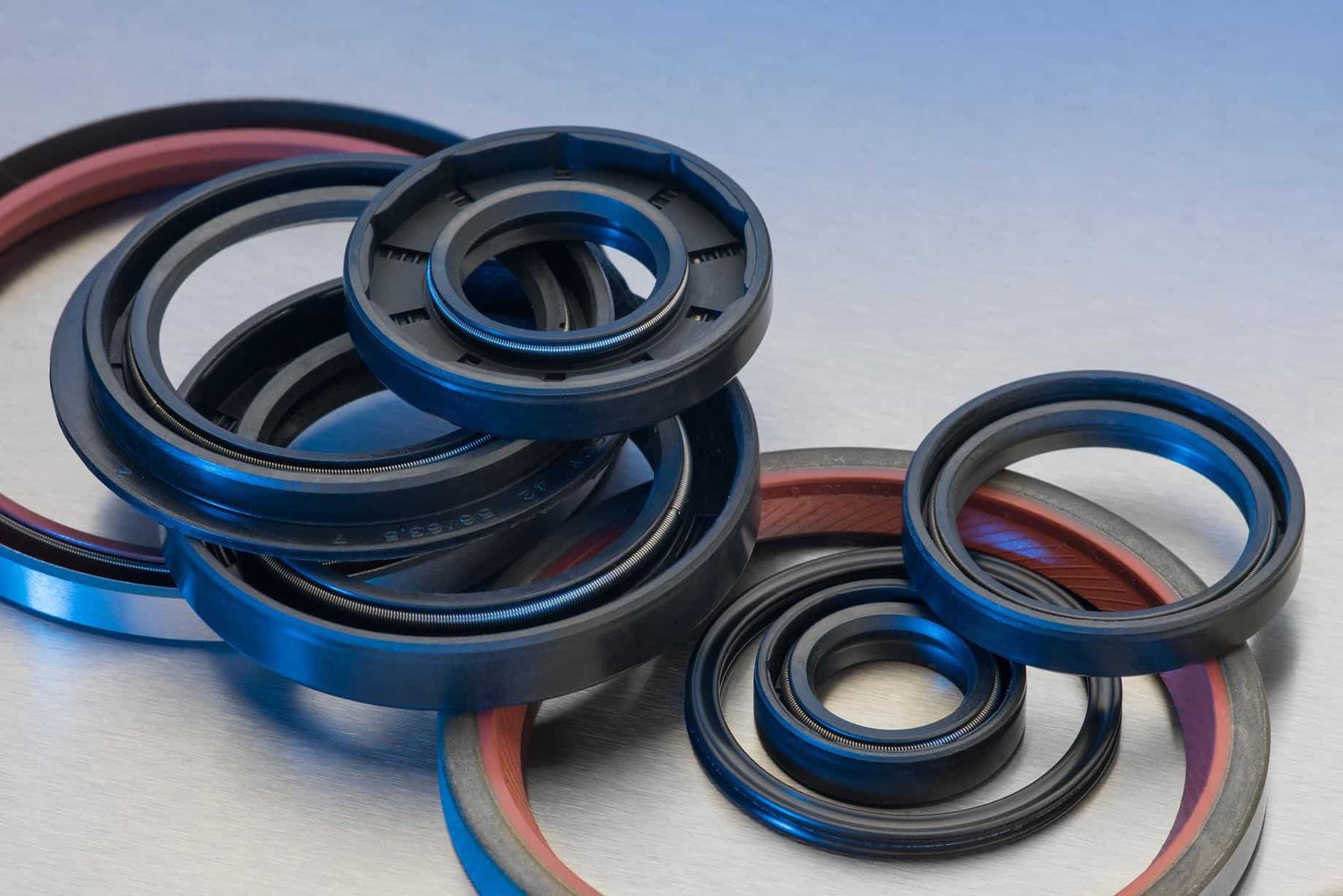
Unlike standard sealing products, DKB oil seals are engineered to operate under demanding environments where pressure, vibration, contamination, and continuous motion are present. Their optimized lip structure and wear-resistant materials contribute to long-term sealing stability.
Core Functions of DKB Oil Seals
✔ Prevent lubricant leakage
✔ Block external contamination
✔ Maintain hydraulic system efficiency
✔ Reduce component wear
✔ Extend equipment service life
✔ Improve operational reliability
Raw Material Selection: The Foundation of Quality
Every premium DKB oil seal begins with proper material selection. The quality of raw materials directly determines wear resistance, elasticity, compression set performance, chemical compatibility, and operating temperature range.
Manufacturers typically select materials based on application requirements, operating pressures, environmental conditions, and fluid compatibility.
Common Materials Used in DKB Oil Seals
Polyurethane (PU)
Nitrile Rubber (NBR)
Hydrogenated Nitrile Rubber (HNBR)
Fluoroelastomer (FKM)
PTFE Compounds
Thermoplastic Elastomers
Among these materials, polyurethane remains one of the most popular choices because of its exceptional abrasion resistance and mechanical strength.
The DKB Oil Seal Manufacturing Process Explained
Producing a reliable DKB oil seal involves multiple precision-controlled manufacturing stages. Each step contributes to the final sealing performance.
Step 1: Material Compounding
Raw elastomers are blended with curing agents, fillers, stabilizers, plasticizers, pigments, and performance-enhancing additives. This stage determines the mechanical properties of the final product.
Consistency during compounding is critical because variations can lead to hardness deviations, premature aging, or inconsistent sealing behavior.
Step 2: Material Testing
Before production begins, compounded materials undergo laboratory testing to verify:
Hardness levels
Tensile strength
Elongation properties
Compression set resistance
Chemical compatibility
Thermal stability
Step 3: Precision Mold Design
Mold design significantly influences dimensional accuracy and seal performance. Advanced CAD and CNC technologies enable manufacturers to create highly precise molds that maintain consistent production tolerances.
The geometry of the sealing lip, groove dimensions, and pressure-activated surfaces must be carefully engineered.
Step 4: Molding Process
The prepared material is introduced into precision molds through compression molding, transfer molding, or injection molding processes.
Temperature, pressure, and curing time are carefully controlled to ensure complete material flow and uniform curing.
Step 5: Vulcanization
Vulcanization transforms raw elastomer compounds into durable elastic materials by creating molecular cross-links.
Proper vulcanization improves:
Mechanical strength
Elastic recovery
Wear resistance
Temperature resistance
Chemical stability
Step 6: Trimming and Finishing
Excess material, commonly known as flash, is removed through precision trimming operations. This stage ensures smooth sealing lips and accurate dimensions.
Step 7: Surface Inspection
Each DKB Oil Seal undergoes visual inspection to detect surface imperfections before entering the final quality control process.
Quality Judgment Standards for DKB Oil Seals
Quality judgment standards help manufacturers maintain consistency while ensuring seals meet customer expectations and industry requirements.
Dimensional Accuracy
Critical dimensions must remain within specified tolerances. Even minor deviations can affect sealing force and installation compatibility.
Typical inspections include:
Outer diameter measurement
Inner diameter measurement
Lip geometry verification
Cross-sectional accuracy
Groove compatibility checks
Surface Quality Evaluation
The sealing surface must remain free from:
Cracks
Air bubbles
Foreign particles
Cuts
Surface contamination
Incomplete molding defects
Hardness Testing
Hardness directly influences sealing efficiency and wear resistance. Shore hardness testing verifies material consistency across production batches.
Elastic Recovery Assessment
A premium oil seal must return to its original shape after compression. Poor elastic recovery often results in leakage and shortened service life.
Mechanical Performance Testing
Mechanical testing verifies whether the seal can withstand real-world operating conditions.
Tensile Strength Testing
This evaluates the material’s resistance to pulling forces before failure occurs.
Elongation Testing
Elongation measurements determine how far the material can stretch without breaking.
Tear Resistance Testing
Seal lips frequently experience stress during installation and operation. Tear resistance testing confirms durability.
Compression Set Testing
Compression set measures the ability of a seal to recover after being compressed for extended periods.
Environmental Resistance Evaluation
DKB oil seals are often exposed to harsh operating environments.
Therefore, manufacturers conduct environmental testing to verify performance under extreme conditions.
Temperature Resistance Testing
Seals are subjected to both high and low temperatures to assess dimensional stability and elasticity retention.
Oil Compatibility Testing
Exposure to hydraulic fluids, lubricants, and transmission oils helps evaluate swelling and degradation behavior.
Abrasion Resistance Testing
Wear simulation tests measure how effectively a seal resists friction-induced deterioration.
Chemical Resistance Testing
Industrial chemicals can compromise elastomer performance if material compatibility is inadequate.
Common Manufacturing Defects and Their Impact
Even advanced production facilities can encounter manufacturing defects if process controls are inadequate.
Air Entrapment
Air bubbles inside the material weaken structural integrity and create potential leakage paths.
Incomplete Vulcanization
Insufficient curing can reduce strength, elasticity, and long-term reliability.
Flash Formation
Excess material around sealing lips may interfere with sealing performance.
Dimensional Deviation
Improper mold control can result in installation issues and leakage.
How Buyers Can Evaluate DKB Oil Seal Quality
Purchasing decisions should go beyond price comparisons.
When evaluating suppliers, buyers should review:
Material certifications
Production consistency
Quality inspection procedures
Testing reports
Traceability systems
Industry experience
A reliable DKB Oil Seal supplier will provide transparent quality documentation and technical support.
Emerging Technologies in DKB Oil Seal Manufacturing
The sealing industry continues adopting advanced technologies to improve quality and consistency.
Modern developments include:
Automated optical inspection systems
AI-assisted defect detection
Advanced material formulations
Precision CNC mold manufacturing
Digital production monitoring
Predictive quality analytics
These innovations help reduce manufacturing variation while improving product reliability.
Why Manufacturing Quality Directly Impacts Equipment Reliability
Oil seals are relatively small components, yet they perform mission-critical functions within hydraulic and mechanical systems.
A poorly manufactured seal can lead to:
Fluid leakage
Lubrication loss
Equipment contamination
Unexpected downtime
Expensive repairs
By contrast, a premium-quality DKB Oil Seal contributes to higher equipment availability, lower maintenance costs, and improved operational efficiency.
Frequently Asked Questions
1. What is the primary function of a DKB oil seal?
Its main function is to prevent lubricant leakage while protecting equipment from dust, water, and other contaminants.
2. Which material is most commonly used in DKB oil seals?
Polyurethane is widely used because of its excellent wear resistance, durability, and mechanical strength.
3. How can I identify a high-quality DKB oil seal?
Look for precise dimensions, smooth sealing lips, material certifications, testing reports, and consistent manufacturing quality.
4. Why is vulcanization important during production?
Vulcanization improves elasticity, strength, temperature resistance, and overall durability of the seal material.
5. What causes premature oil seal failure?
Common causes include poor material selection, manufacturing defects, improper installation, contamination, excessive temperature, and inadequate maintenance.