
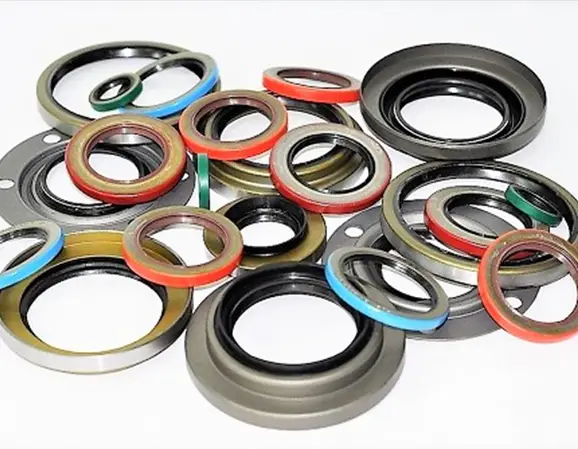
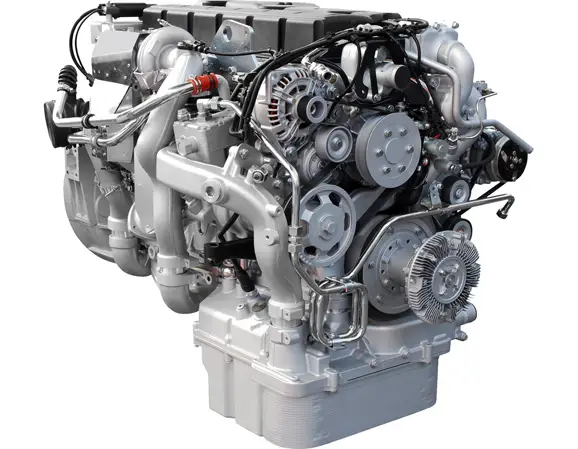

Automotive oil seals and O-rings are among the most critical yet often overlooked components in modern vehicles. From engines and transmissions to steering systems, wheel hubs, turbochargers, fuel systems, and electric vehicle drivetrains, these sealing elements prevent lubricant leakage, block contaminants, maintain pressure, and ensure long-term reliability.
While oil seals and O-rings are relatively inexpensive compared to major automotive assemblies, their performance directly affects vehicle durability, maintenance costs, fuel efficiency, and safety. A single seal failure can lead to lubricant loss, bearing damage, overheating, system contamination, or complete component failure.
🚗 Industry Insight: More than 70% of fluid leakage issues in automotive systems can be traced back to sealing component degradation, improper installation, material incompatibility, or excessive operating temperatures.
The Role of Automotive Oil Seals and O-Rings
Modern vehicles contain dozens or even hundreds of sealing components. Their primary purpose is to maintain fluid integrity while preventing external contaminants from entering critical systems.
Common sealing functions include:
- Retaining engine oil
- Preventing transmission fluid leakage
- Sealing hydraulic pressure systems
- Protecting wheel bearings
- Maintaining fuel system integrity
- Preventing coolant leakage
- Blocking dust, dirt, and moisture intrusion
- Supporting emission control systems
High-quality Automotive oil seals are specifically engineered to withstand continuous rotation, pressure fluctuations, temperature cycling, and chemical exposure.
What Is an Automotive Oil Seal?
An automotive oil seal, also called a rotary shaft seal, is designed to retain
lubricants while preventing contaminants from entering rotating assemblies.
Oil seals typically consist of:
- Elastomer sealing lip
- Metal reinforcement case
- Garter spring
- Dust protection lip
⚙️ How It Works:
The primary sealing lip maintains controlled contact pressure against the rotating shaft while a thin lubricating film reduces friction and wear. This delicate balance allows long-term sealing without excessive heat generation.
Common Automotive Oil Seal Locations
- Crankshaft front seals
- Crankshaft rear main seals
- Camshaft seals
- Transmission input seals
- Transmission output seals
- Differential pinion seals
- Wheel hub seals
- Power steering pump seals
- Turbocharger seals
What Is an Automotive O-Ring?
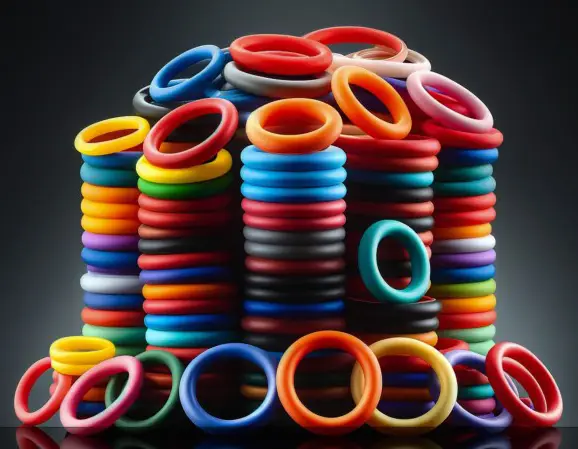
An O-ring is a circular elastomer seal designed to prevent leakage between two mating surfaces.
Although simple in appearance, O-rings are engineered to withstand dynamic and static sealing applications under varying temperatures, pressures, and chemical environments.
In modern vehicles, O-rings can be found in:
- Fuel injectors
- Air conditioning systems
- Cooling systems
- Brake systems
- Hydraulic circuits
- Turbocharger assemblies
- Transmission valves
- Oil filter housings
- Electric vehicle battery systems
Many automotive engineers choose Automotive oil seals and matching O-ring materials together to achieve consistent sealing performance throughout the vehicle lifecycle.
Materials Used in Automotive Sealing Systems
NBR (Nitrile Rubber)
NBR remains one of the most common materials used in automotive seals due to its excellent oil resistance and cost efficiency.
Typical operating range:
- -40°C to +120°C
FKM (Fluorocarbon Rubber)
FKM is commonly selected for high-temperature engine and transmission applications.
Typical operating range:
- -20°C to +250°C
HNBR
Hydrogenated nitrile rubber provides enhanced heat resistance and durability compared to conventional NBR.
ACM
Acrylic rubber is widely used in automatic transmission applications where heat resistance is essential.
Silicone Rubber
Silicone provides excellent low-temperature flexibility and weather resistance.
📌 Material Selection Rule: The wrong elastomer compound is one of the leading causes of premature seal failure in automotive systems.
Factory Validation Testing for Automotive Oil Seals
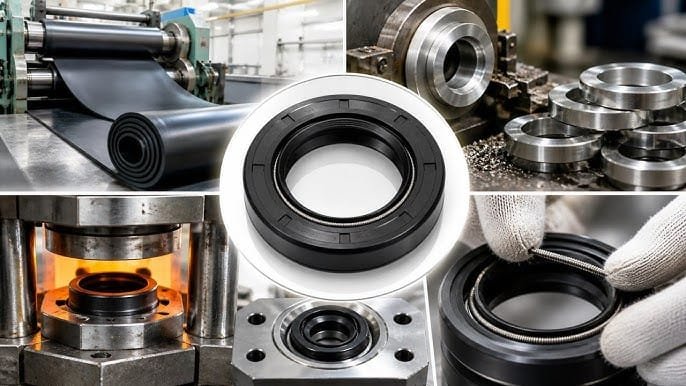
Before mass production, automotive sealing components undergo rigorous testing to ensure reliability.
| Test | Purpose |
| High-Speed Rotation Test | Lip wear evaluation |
| Thermal Aging Test | Heat resistance validation |
| Fluid Compatibility Test | Chemical resistance verification |
| Pressure Cycling Test | Seal fatigue assessment |
| Salt Spray Test | Corrosion resistance evaluation |
These tests help ensure that Automotive oil seals can withstand real-world operating conditions throughout vehicle service life.
Factory Test Data: Dynamic Seal Durability
A durability validation program was conducted using FKM crankshaft oil seals under simulated engine operating conditions.
| Parameter | Result |
| Rotational Speed | 6,500 RPM |
| Oil Temperature | 145°C |
| Test Duration | 2,000 Hours |
| Leakage Rate | 0 ml Detected |
| Lip Wear | Less than 0.04 mm |
The results demonstrate the capability of premium automotive sealing systems under severe operating conditions.
Automotive Seal Lifetime Curve Analysis
Service life is strongly influenced by operating temperature.
Estimated Service Life of FKM Oil Seals:
- 100°C → 15+ years
- 120°C → 10-12 years
- 150°C → 6-8 years
- 180°C → 3-5 years
- 220°C → 1-2 years
This lifetime curve explains why material selection is increasingly important as engine operating temperatures continue to rise.
Real Customer Case Study: Transmission Leakage Elimination
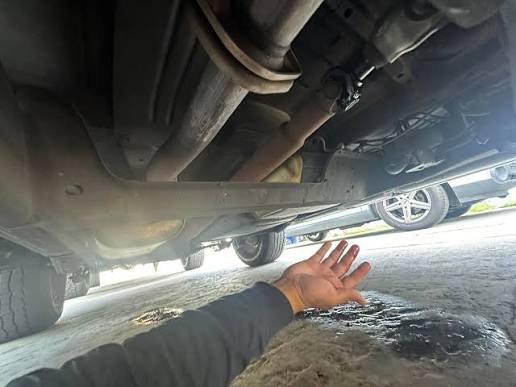
🏭 Customer: Commercial Vehicle Manufacturer
Problem: Premature transmission output shaft seal failures occurred after approximately 35,000 kilometers.
Observed Symptoms:
- Fluid leakage
- Contaminated brake components
- Increased warranty claims
Root Cause Investigation:
Laboratory analysis revealed insufficient heat resistance in the original elastomer compound combined with shaft surface irregularities.
Solution:
- Upgrade to premium FKM oil seals
- Improve shaft surface finish to Ra 0.4 μm
- Optimize installation procedures
Results:
- Warranty claims reduced by 88%
- Average service life increased to over 180,000 kilometers
- Customer maintenance costs significantly reduced
Seal Failure Analysis in Automotive Applications
Understanding common failure modes can dramatically improve system reliability.
Thermal Hardening
Continuous exposure to elevated temperatures can cause elastomer hardening and loss of elasticity.
Shaft Wear
Improper shaft finish can accelerate sealing lip wear.
Chemical Attack
Incompatible fuels, additives, or lubricants may cause swelling or cracking.
Installation Damage
Incorrect installation remains one of the most common causes of early seal leakage.
🔬 Field Failure Statistics:
- Thermal degradation: 31%
- Installation damage: 24%
- Shaft surface wear: 18%
- Material incompatibility: 16%
- Contamination: 11%
Automotive Oil Seals in Electric Vehicles
As electric vehicle adoption increases, sealing requirements continue evolving.
EV applications require seals capable of handling:
- High-speed electric motors
- Battery cooling systems
- Advanced lubricants
- Electrical insulation requirements
- Extended service intervals
Modern Automotive oil seals are increasingly designed to meet both conventional and electric vehicle requirements.
Best Practices for Maximizing Seal Life
- Select proper elastomer materials
- Verify fluid compatibility
- Maintain shaft surface quality
- Follow installation procedures
- Control operating temperatures
- Prevent contamination ingress
- Perform routine inspections
✅ Engineering Recommendation: Investing in premium-quality sealing components often reduces total ownership costs by extending maintenance intervals and minimizing unexpected downtime.
Frequently Asked Questions
1. What is the difference between an oil seal and an O-ring?
An oil seal is designed primarily for rotating shafts, while an O-ring is typically used for static or reciprocating sealing applications.
2. Which material is best for automotive oil seals?
NBR is commonly used for standard applications, while FKM is preferred for high-temperature and chemically aggressive environments.
3. How long do automotive oil seals last?
Depending on operating conditions, quality oil seals can last anywhere from 100,000 to over 250,000 kilometers.
4. What causes automotive oil seals to leak?
Common causes include wear, thermal aging, shaft damage, improper installation, contamination, and material incompatibility.
5. Are oil seals important in electric vehicles?
Yes. Electric vehicles rely on specialized sealing systems to protect motors, gearboxes, cooling systems, and battery components from contamination and fluid leakage.