
What is a TG oil seal?
What is a TG oil seal?
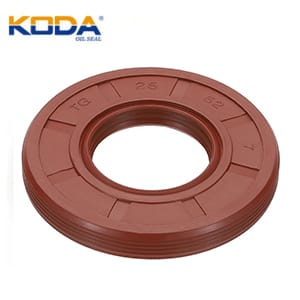
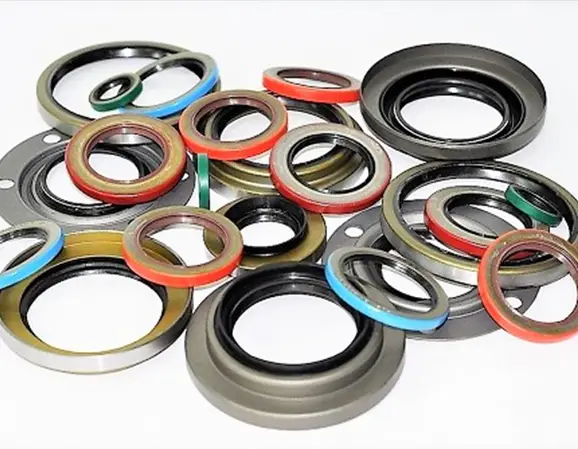
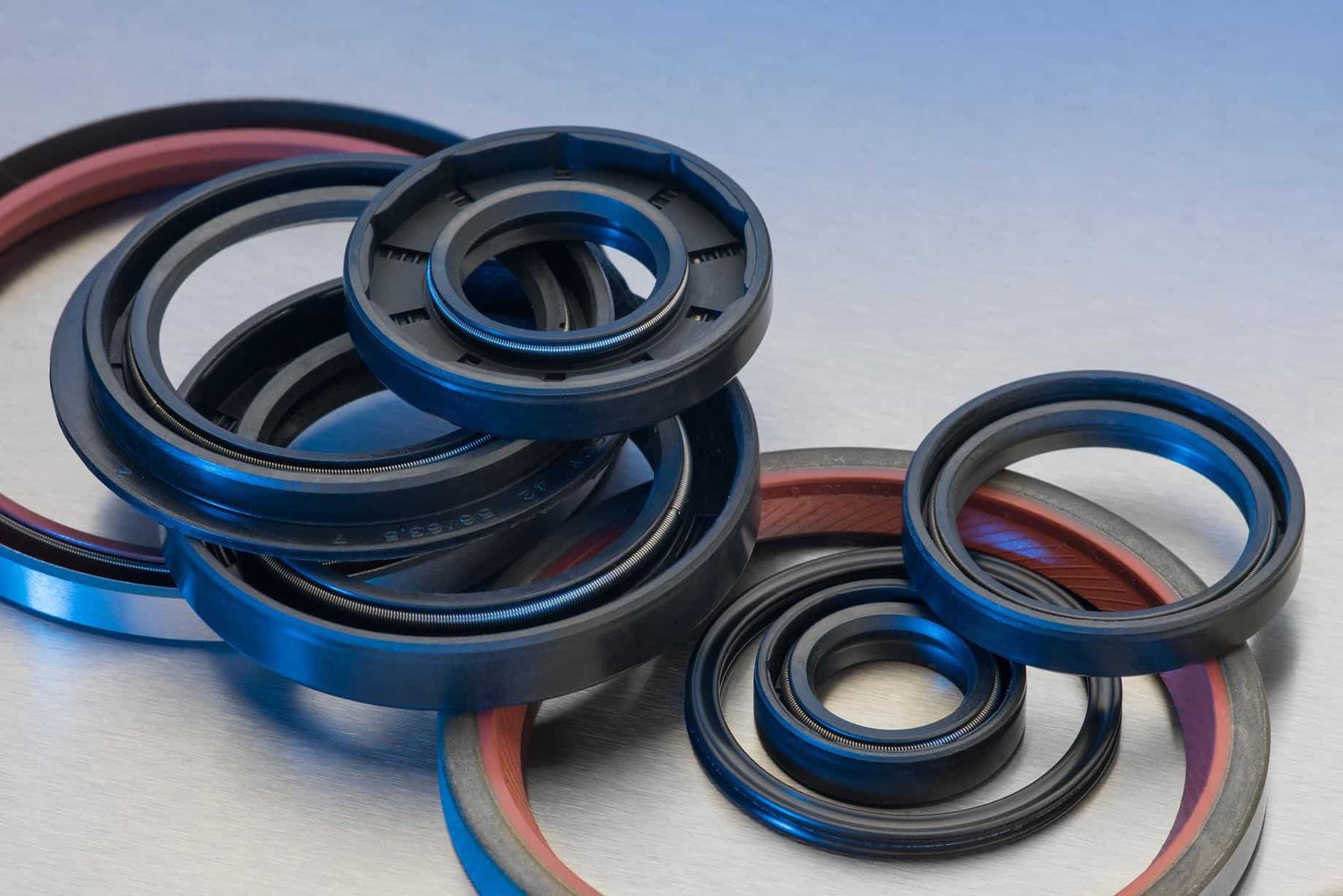
The TG oil seal is an improved double-lip, rubber-coated skeleton oil seal with an outer ring thread and an internal spring. It is suitable for rotating shaft sealing and can replace oil seals of models such as TC, TB, VS, VC, SC,, and DKB. It offers stronger sealing and anti-fouling capabilities, making it suitable for more demanding operating conditions. The TG oil seal uses an outer rubber-coated skeleton and an internal spring. The outer ring has an annular thread, and the inner lip is a three-lip or double-lip design (main lip for oil sealing, secondary lip for dust protection, and auxiliary lip for preventing internal leakage). The lips are formed in one piece with high precision. The outer ring thread enhances installation stability and reduces the risk of external leakage, while the spring provides continuous radial force to ensure a close fit between the lip and the shaft.
Main features of TG oil seals
Double-lip structure: The main lip ensures a leak-proof seal, while the secondary lip effectively blocks dust and impurities, making it particularly suitable for polluted environments such as construction and agriculture.
Spring reinforcement: An internal helical spring provides continuous radial force, ensuring a tight fit between the lip and shaft, automatically compensating for wear, and extending oil seal life.
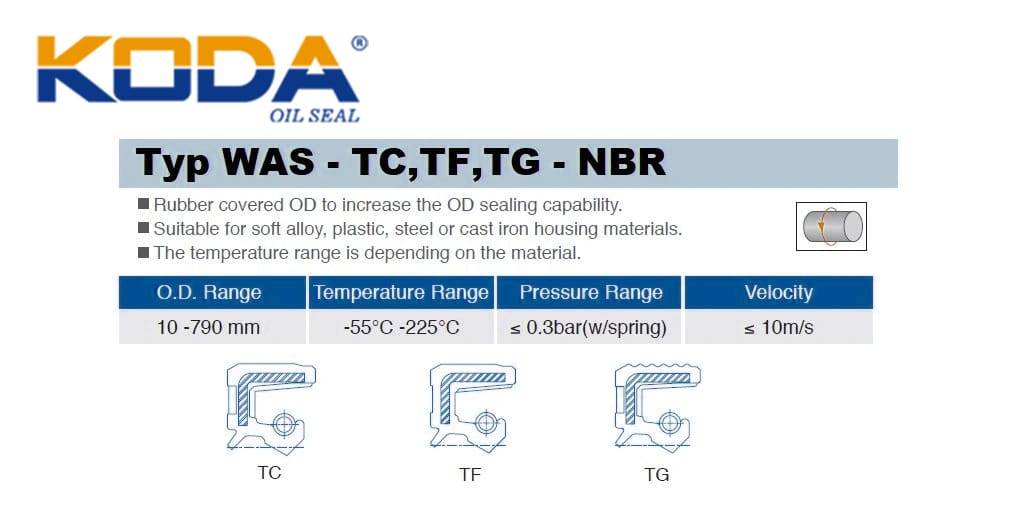
NBR: Excellent oil resistance and economical cost, suitable for most general-purpose TG oil seal applications, with an operating temperature range of -30°C to 120°C.
FKM: Possesses excellent high-temperature resistance (up to 200°C) and chemical corrosion resistance, making it an ideal material for harsh environments such as those involving acids, alkalis, and fuels.
Common uses of D-rings
TG oil seals, with their strong sealing, dustproof, and high adaptability, have a wide range of applications, especially suitable for equipment operating under harsh conditions. Main applications include:
Construction machinery: excavators, loaders, road rollers, cranes, etc.
Agricultural machinery: tractors, harvesters, seeders, etc.
Industrial equipment: reducers, gearboxes, motors, pumps, compressors
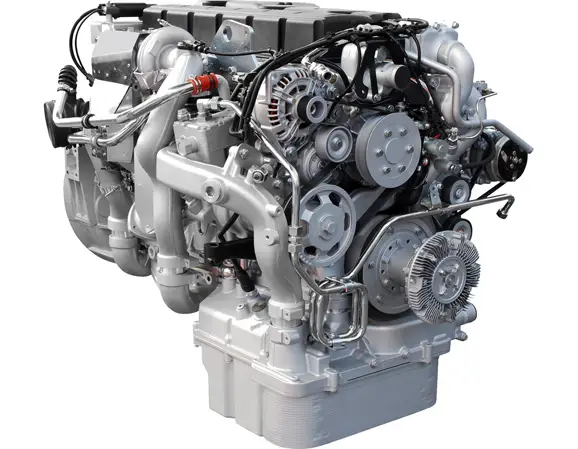
Automotive and transportation equipment: engines, transmissions, axles, drive shafts
Mining and heavy machinery: crushers, conveyors, mining vehicles
Wind power, marine, hydraulic systems, and other rotating shaft components requiring high sealing reliability.
How to choose TG oil seals
The selection of TG oil seals is mainly based on four aspects: size, operating conditions, material, and structure, to ensure reliable sealing and long service life. The following are practical and directly applicable selection points:
1. Determine Dimensions
Including shaft diameter, housing bore diameter, and thickness, these must perfectly match the equipment; otherwise, leaks or installation difficulties may occur.
2. Clarify Operating Conditions
Pay close attention to temperature range, rotational speed, media type (lubricating oil, hydraulic oil, fuel, etc.), and the presence of dust or pressure.
3. Select Appropriate Material
NBR (Nitrile Butadiene Rubber): General-purpose, oil-resistant, low-cost, suitable for -30°C to 120°C.
FKM (Fluororubber): High-temperature resistant (up to 200°C), resistant to acids, alkalis, and chemicals, used in harsh environments.
Other materials can be selected based on special requirements (e.g., silicone rubber for ultra-low temperatures).
4. Consider Structural Characteristics
If the equipment generates a lot of dust, prioritize double-lip or triple-lip structures; if the rotational speed is high, confirm whether the oil seal supports the corresponding linear speed; if there is pressure, select a pressure-resistant oil seal.
5. Confirm Brand and Quality
KODA has over 20 years of experience in the sealing industry. Our high-quality oil seals offer better wear resistance, aging resistance, and dimensional stability, significantly extending service life. They are your reliable choice.
Benefits of using TG oil seals
TG oil seals feature a multi-lip structure and spring reinforcement design, providing strong sealing performance and excellent dustproofing. They effectively prevent oil leakage and block impurities from entering. Wear-resistant, temperature-resistant, and long-lasting, they are suitable for high-speed and dusty operating conditions, can replace traditional TC oil seals, offer stable installation, and reduce equipment maintenance costs.
Common problems with TG oil seals
Q:Why do TG oil seals leak?
A: Common causes include: size mismatch, worn or unsuitable shaft surface roughness, misaligned installation, spring detachment or failure, material inability to withstand the medium or temperature, and dust ingress causing lip wear.
Q:What precautions should be taken when installing TG oil seals?
A: Before installation, check the shaft and cavity dimensions, and check for burrs or scratches on the surface; apply an appropriate amount of lubricant to the lip and outer ring; use a special tool to press in, avoiding deformation from hammering; ensure the oil seal is oriented correctly (lip facing the sealing medium side).
Q:What to do if TG oil seals have a short lifespan?
A: Improvements can be made in three ways: confirm the operating conditions (temperature, speed, medium) and replace with a more suitable material (such as FKM high-temperature resistant); check for shaft wear, repair or add a bushing if necessary; optimize lubrication and dust prevention measures to reduce impurities entering.
If you have any further questions about TG seals, please feel free to contact us.
KODA@oilseal-china.com