
What are valve stem seals?
What are valve stem seals?
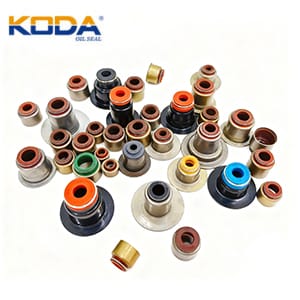
Valve stem seals are small but critical components that fit over the valve stems in an engine, sealing the gap between the valves and the valve guides. They prevent engine oil from being drawn into the combustion chamber, reducing oil consumption, smoke, and carbon buildup, while also helping to maintain proper compression and engine performance.
Valve stem seals are critical sealing components in engine valve systems. With increasingly stringent emission regulations and rising operating temperatures in modern engines, valves must withstand up to 100,000 opening and closing cycles per hour, placing extremely high demands on the quality of valve stem seals. KODA valve stem seals are manufactured using high-quality materials and advanced processes, maintaining reliable sealing under high-temperature, high-frequency conditions, effectively extending service life and reducing maintenance frequency.
Function of valve stem seal
The primary function of valve stem seals is to reliably seal the gap between the valve stem and valve guide during the reciprocating motion of the engine valves, preventing lubricating oil from being drawn into the combustion chamber and avoiding gas leakage. Maintaining stable sealing performance under high temperature, high speed, and vibration conditions helps control oil consumption, reduce carbon deposit formation, maintain normal cylinder compression pressure, and plays a crucial role in engine emissions performance, power output, and durability.
What is the function of valve stem seals?
Valve stem seals are critical sealing components in the valve mechanism of internal combustion engines, playing a vital role in ensuring efficient and stable engine operation. Their core function is to form a reliable seal between the valve stem and valve guide, preventing engine oil from being drawn into the combustion chamber while precisely controlling the amount of lubrication on the valve stem. Valve stem seals are typically made of rubber or high-performance synthetic materials, maintaining stable performance under high-temperature, high-speed, and high-frequency reciprocating motion conditions. By effectively preventing engine oil from entering the combustion chamber, valve stem seals help maintain an ideal air-fuel ratio, improving fuel economy and reducing harmful emissions.
Furthermore, valve stem seals also play a crucial role in regulating heat transfer between the valve stem and valve guide. The significant heat generated during valve operation is transferred along the valve stem to the valve guide, and the valve stem seal provides some insulation, reducing the heat load and preventing accelerated wear of the valve guide due to overheating. By maintaining appropriate temperature and lubrication conditions, valve stem seals not only extend the service life of the valve mechanism but also significantly improve the overall reliability and durability of the engine.
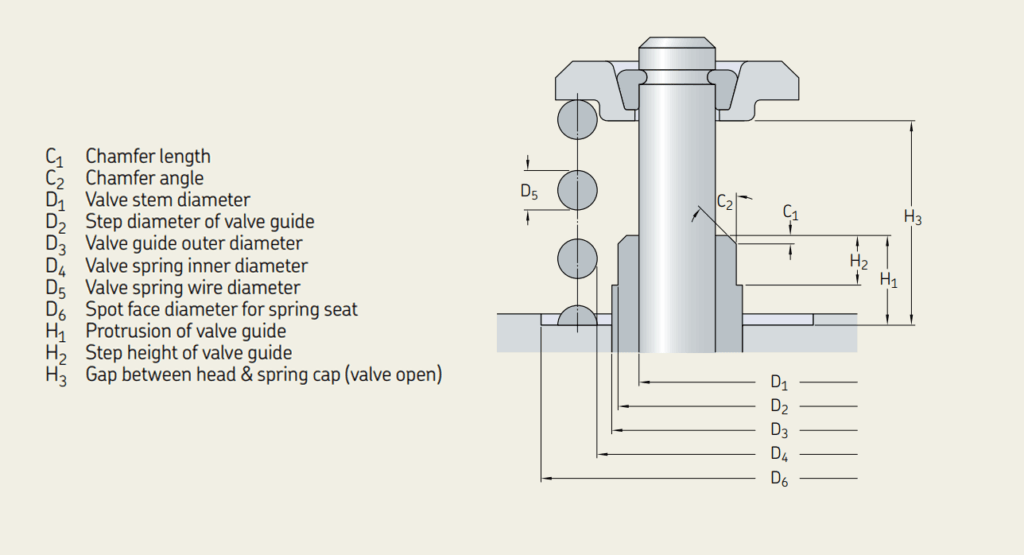
KODA valve seal design
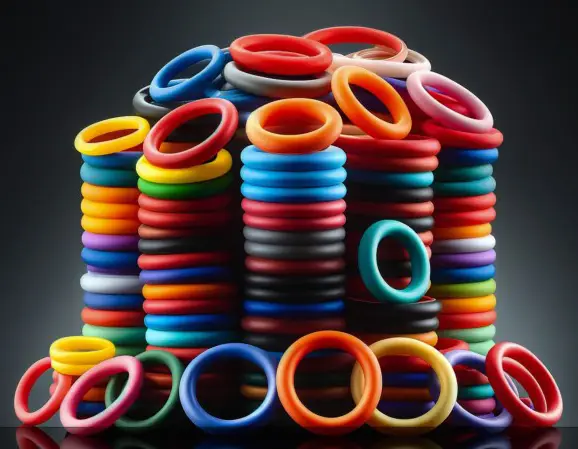
Diverse High-Quality Material Adaptability Design: Utilizing high-performance elastic materials such as NBR, HNBR, FKM, and silicone, it adapts to the high-temperature, oil-resistant, and chemical corrosion-resistant requirements of various engines, capable of handling the harsh operating conditions of modern engines and ensuring the durability of the seals.
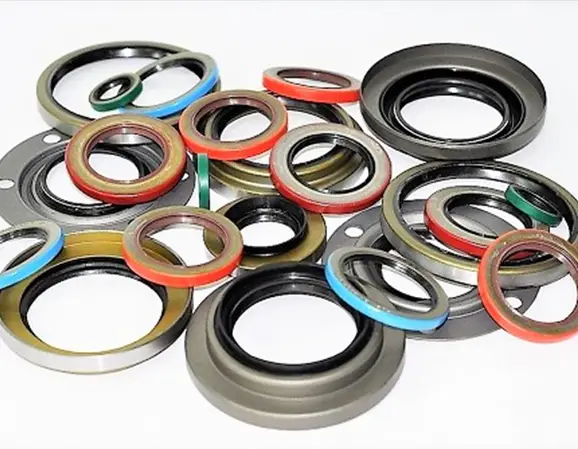
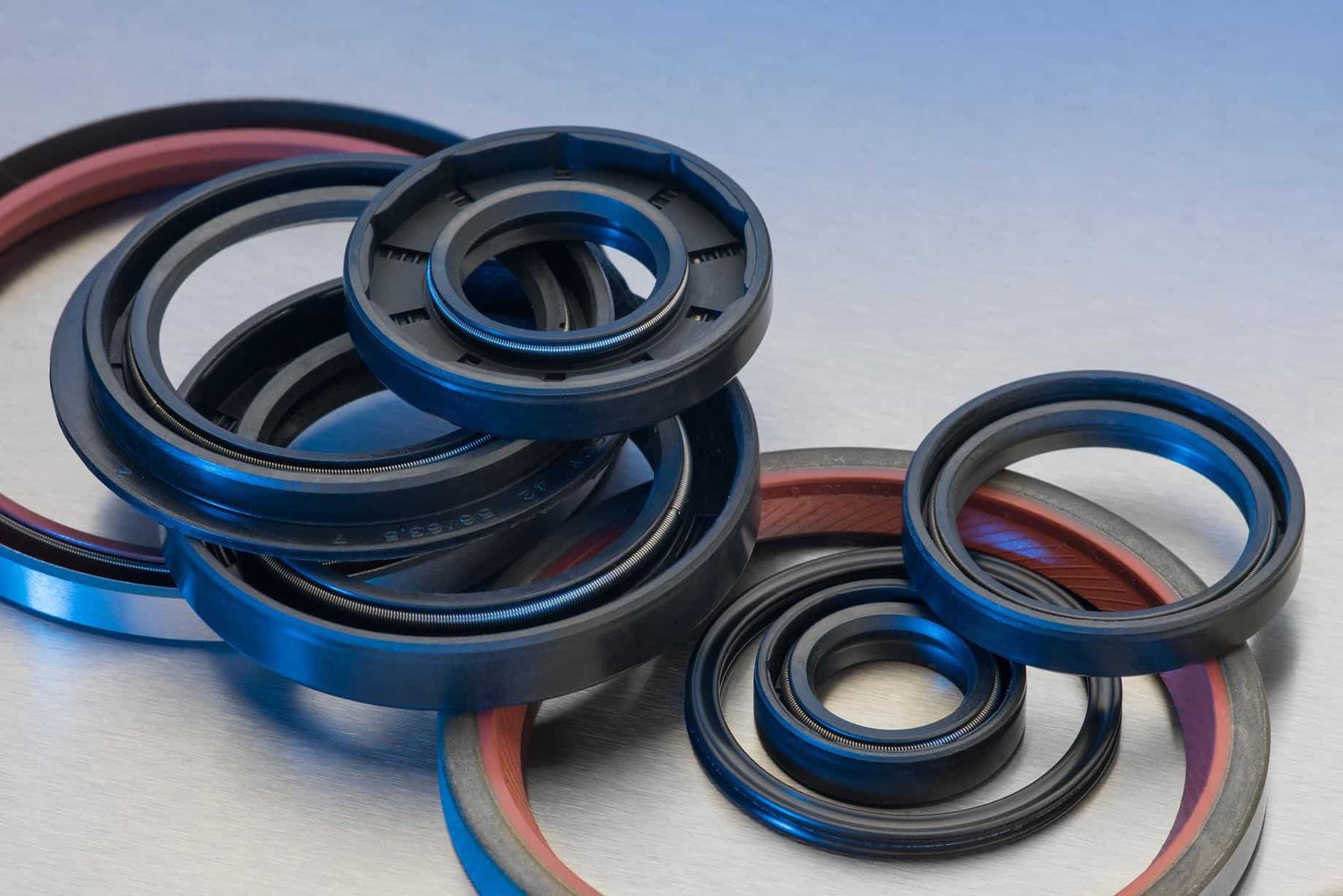
Precision Lip Sealing Structure: Employing a single-lip/double-lip composite lip design, coupled with an internal tension spring, it ensures that the lip remains tightly fitted to the valve stem during high-speed reciprocating motion. This effectively prevents oil from entering the combustion chamber and precisely controls the lubrication of the valve stem, reducing carbon buildup and oil consumption.
Reinforced Metal Skeleton Support: An internal high-precision metal skeleton enhances the overall rigidity and dimensional stability of the oil seal, facilitating installation and positioning while preventing deformation under high-temperature and vibration conditions. This ensures precise assembly with the valve guide and extends service life.
Low Friction and Thermal Adaptability Optimization: The lip surface undergoes special treatment to reduce the coefficient of friction with the valve stem, minimizing wear; material formulation and structural design also consider heat conduction regulation, reducing heat transfer from the valve stem to the valve guide, preventing overheating and aging of the guide, and improving component durability.
Compatibility and Easy Installation Design: Offers multiple sizes and OEM customization options to fit various internal combustion engine models; the structural design prioritizes ease of installation, allowing for quick assembly, reducing maintenance and replacement costs, while ensuring reliable sealing after assembly.
Anti-Aging and Long-Lasting Sealing Design: Through advanced vulcanization processes and material modification technology, the oil seal’s anti-aging and fatigue resistance are improved, capable of withstanding valve opening and closing frequencies of up to 100,000 times per hour, reducing replacement frequency and shortening engine maintenance cycles.
Common problems with valve stem seals
Q: What are the symptoms of a faulty valve stem seal?
A: Common symptoms include blue smoke from the exhaust pipe during cold starts, significantly increased oil consumption, and increased carbon buildup on the spark plugs and in the combustion chamber. In severe cases, it can lead to unstable idling and reduced power.
Q: How often should valve stem seals be replaced?
A: There is no fixed replacement interval. They are usually checked and replaced during engine overhauls or when oil consumption symptoms appear. Prolonged high temperatures, frequent high RPMs, and poor oil quality will accelerate their aging.
Q: Does replacing valve stem seals require engine disassembly?
A: In most cases, it only requires removing the valve cover and compressing the valve springs using a special tool. If the valve guides are severely worn or the cylinder head needs inspection, further cylinder head removal may be necessary.
KODA valve stem seals
KODA valve stem seals utilize high-performance materials and optimized structural design, specifically designed to withstand the harsh conditions of high-temperature, high-load engine operation. Their excellent heat resistance effectively prevents rubber from hardening, cracking, or premature failure due to overheating, ensuring long-term seal stability and maintaining proper lubrication of the engine valve mechanism. We precisely select materials based on the actual working environment and material properties of the seals, giving our products advantages such as high-temperature resistance, wear resistance, and long service life. Viton material, in particular, is an ideal choice for many valve stem seals due to its superior heat resistance (up to 450°F) and wear resistance. Please feel free to contact us if you have any needs regarding valve stem seals.