
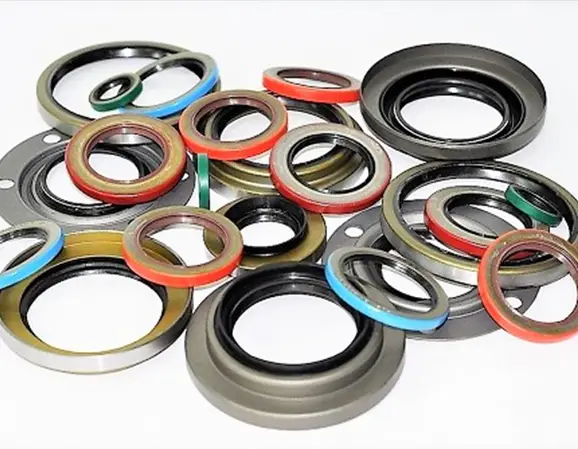
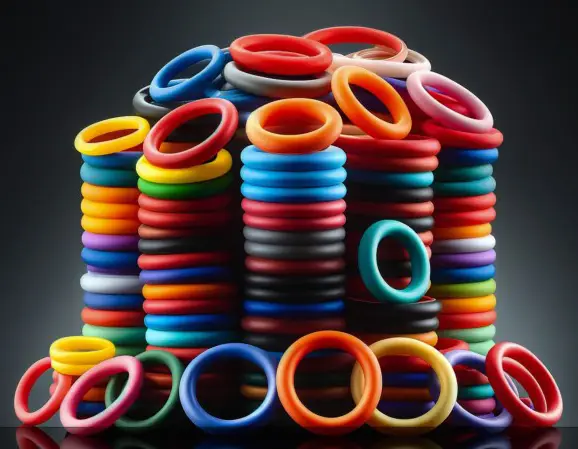

FKM rubber is one of the most trusted high-performance elastomer materials used in demanding industrial environments where conventional rubber compounds fail. Known for its exceptional resistance to heat, fuels, aggressive chemicals, and long-term aging, FKM has become the preferred sealing material across automotive, aerospace, oil & gas, chemical processing, semiconductor manufacturing, and heavy industrial sectors.
Whether you are selecting O-rings, oil seals, gaskets, diaphragms, shaft seals, or custom molded components, understanding the capabilities and limitations of FKM rubber can help reduce maintenance costs, extend service intervals, and improve equipment reliability.
🔥 Quick Answer: FKM rubber is a family of fluorocarbon elastomers engineered for extreme operating conditions. It offers outstanding resistance to temperatures up to 250°C, petroleum oils, fuels, chemicals, ozone, weathering, and oxidation, making it one of the most durable sealing materials available today.
What Exactly Is FKM Rubber?
FKM is the ASTM designation for fluorocarbon elastomers. The material consists primarily of fluorinated hydrocarbon polymers containing high levels of fluorine atoms. The fluorine content typically ranges from 66% to 71%, depending on the formulation.
The strong carbon-fluorine bonds found within FKM’s molecular structure are among the strongest bonds in organic chemistry. These bonds provide exceptional thermal stability and chemical resistance compared to conventional elastomers.
Many engineers recognize FKM under the commercial name Viton®, although Viton® is actually a trademarked fluorocarbon rubber produced by specific manufacturers.
For industrial sealing solutions, fkm materials are often selected when NBR, EPDM, or silicone compounds cannot survive the application environment.
How FKM Rubber Is Manufactured
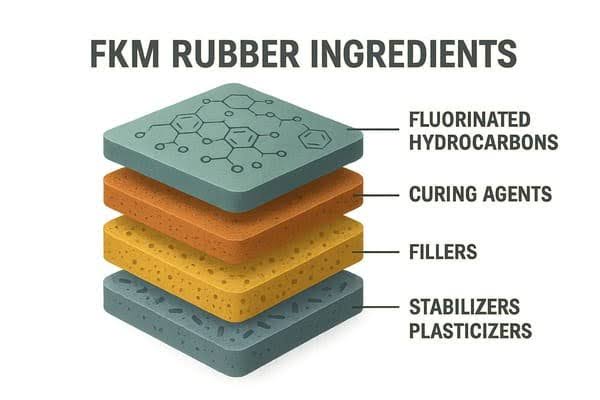
FKM elastomers are produced through polymerization processes involving fluorinated monomers such as:
- Vinylidene fluoride (VDF)
- Hexafluoropropylene (HFP)
- Tetrafluoroethylene (TFE)
- Perfluoromethylvinyl ether (PMVE)
The ratio and combination of these monomers create different grades of FKM optimized for specific requirements.
⚙️ Engineering Note:
Higher fluorine content generally improves chemical resistance and fuel compatibility, while specialized monomer combinations can improve low-temperature flexibility or steam resistance.
Key Properties of FKM Rubber
| Property | Typical Performance |
| Temperature Range | -20°C to +250°C |
| Short-Term Peak Temperature | 300°C |
| Oil Resistance | Excellent |
| Fuel Resistance | Excellent |
| Weather Resistance | Excellent |
| Compression Set | Very Good |
| Ozone Resistance | Outstanding |
These properties explain why fkm rubber continues to dominate high-performance sealing applications worldwide.
Why Engineers Choose FKM Over Standard Rubber
Superior Heat Resistance
One of the biggest advantages of FKM is its ability to maintain sealing force at temperatures where conventional elastomers rapidly degrade.
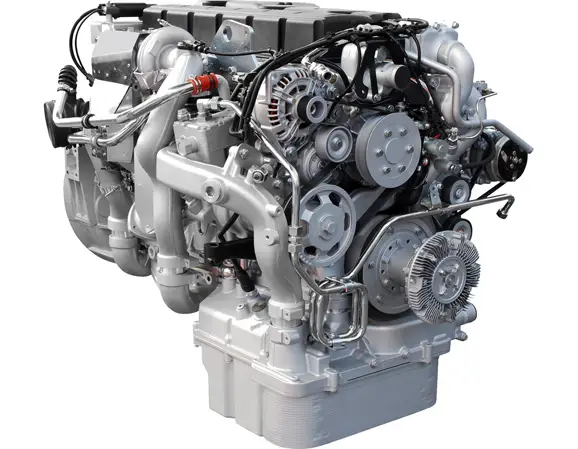
In automotive turbocharger systems, engine compartments, and industrial process equipment, temperatures regularly exceed the operating limits of NBR or EPDM.
Outstanding Chemical Compatibility
FKM demonstrates excellent resistance to:
- Petroleum oils
- Synthetic lubricants
- Diesel fuels
- Gasoline
- Aromatic hydrocarbons
- Many acids
- Industrial solvents
- Chemical additives
Exceptional Aging Resistance
FKM experiences significantly lower degradation rates when exposed to oxygen, ozone, UV radiation, and environmental contaminants.
✅ Industry Advantage: Many FKM sealing systems remain operational for more than 10 years in demanding industrial environments with minimal performance degradation.
Factory Test Data: FKM Aging Performance
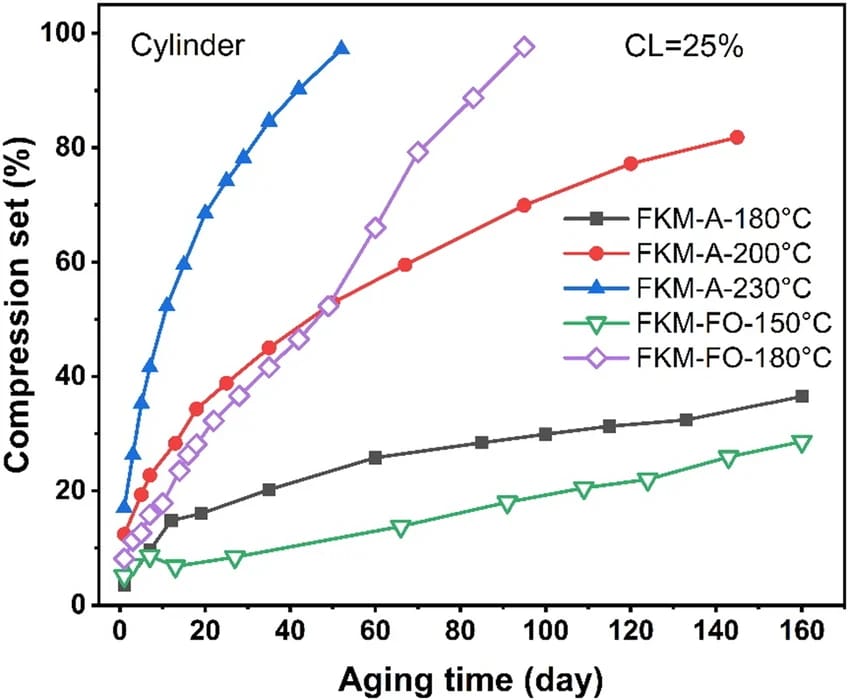
Accelerated aging tests were conducted using a 75 Shore A FKM compound under continuous thermal exposure conditions.
| Temperature | Test Duration | Hardness Change | Volume Change |
| 150°C | 1000 Hours | +2 Shore A | 0.8% |
| 200°C | 1000 Hours | +4 Shore A | 1.6% |
| 230°C | 500 Hours | +6 Shore A | 2.1% |
The results demonstrate why FKM is frequently selected for long-term thermal exposure applications.
Service Life Curve Analysis
Field data collected from industrial sealing systems reveals a strong correlation between temperature and service life.
Estimated FKM Seal Lifetime:
- 120°C → 15+ years
- 150°C → 10-12 years
- 180°C → 6-8 years
- 200°C → 4-6 years
- 230°C → 2-3 years
Even at elevated temperatures, FKM significantly outperforms most conventional elastomer materials.
Real Customer Case Study: Oil Refinery Pump Upgrade
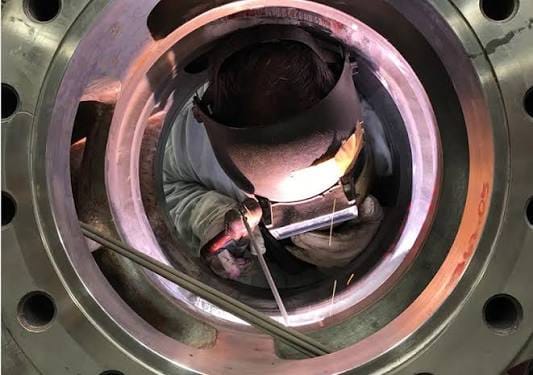
🏭 Industry: Petrochemical Processing
Problem: Mechanical seal O-rings manufactured from NBR experienced swelling and premature leakage after exposure to aromatic hydrocarbons.
Operating Conditions:
- Fluid Temperature: 185°C
- Continuous Operation
- Exposure to aggressive fuels
Solution: Replacement with custom-engineered fkm O-rings.
Results After 24 Months:
- Leakage incidents reduced by 94%
- Maintenance shutdowns reduced by 61%
- Seal replacement intervals increased from 8 months to over 36 months
- Annual maintenance savings exceeded $180,000
Common Failure Modes of FKM Rubber
Although highly durable, FKM can still fail when applied incorrectly.
Steam Degradation
Standard FKM compounds may suffer deterioration when continuously exposed to high-temperature steam.
Low Temperature Hardening
Below approximately -20°C, conventional FKM materials can become less flexible.
Compression Set at Extreme Temperatures
Extended exposure above 250°C may eventually reduce sealing force.
Improper Material Selection
Not all FKM grades perform identically. Selecting the wrong fluorocarbon formulation remains one of the most common causes of field failure.
🔬 Failure Analysis Statistics from Industrial Inspections:
- Incorrect compound selection: 39%
- Thermal overexposure: 24%
- Installation damage: 18%
- Compression set: 11%
- Chemical incompatibility: 8%
FKM vs NBR: Which Material Should You Choose?
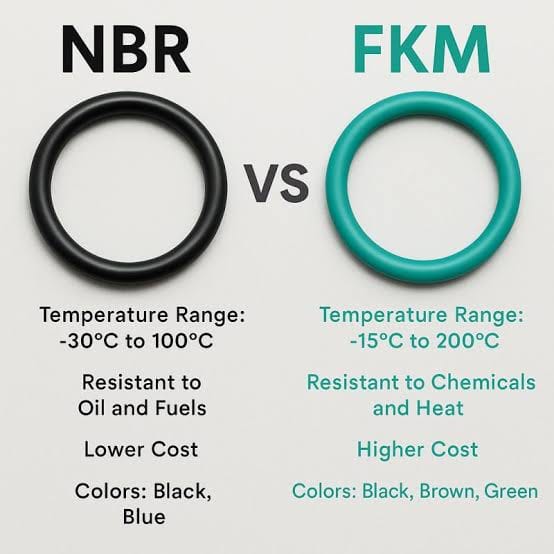
| Criteria | FKM | NBR |
| Maximum Temperature | 250°C | 120°C |
| Chemical Resistance | Excellent | Good |
| Weather Resistance | Excellent | Fair |
| Cost | Higher | Lower |
When temperatures, chemicals, or service life requirements are demanding, fkm generally provides a superior long-term solution.
Industries That Depend on FKM Rubber
- Automotive manufacturing
- Aerospace systems
- Oil and gas production
- Chemical processing plants
- Pharmaceutical equipment
- Semiconductor manufacturing
- Industrial pumps and compressors
- Power generation facilities
How to Select the Right FKM Compound
Before selecting an FKM material, evaluate:
- Operating temperature
- Chemical exposure
- Pressure requirements
- Movement type
- Expected service life
- Regulatory requirements
- Maintenance intervals
📌 Selection Tip: When operating temperatures exceed 120°C or chemical exposure becomes aggressive, investing in a properly engineered fkm sealing solution typically reduces total ownership costs through longer service intervals and lower maintenance frequency.
Frequently Asked Questions
What does FKM stand for?
FKM is the ASTM designation for fluorocarbon elastomers, a family of high-performance synthetic rubbers known for exceptional heat and chemical resistance.
Is FKM the same as Viton®?
Not exactly. Viton® is a trademarked brand of fluorocarbon elastomer, while FKM is the generic material classification.
What temperature can FKM withstand?
Most standard FKM compounds operate continuously up to 250°C and can tolerate short-term peaks approaching 300°C.
Why is FKM more expensive than NBR?
FKM requires specialized fluorinated raw materials and manufacturing processes, resulting in significantly better heat and chemical resistance.
How long do FKM seals last?
Depending on operating conditions, properly selected FKM seals can provide reliable service for 5 to 15 years or more in industrial applications.