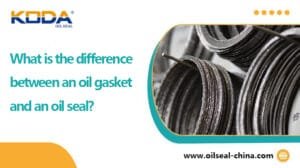
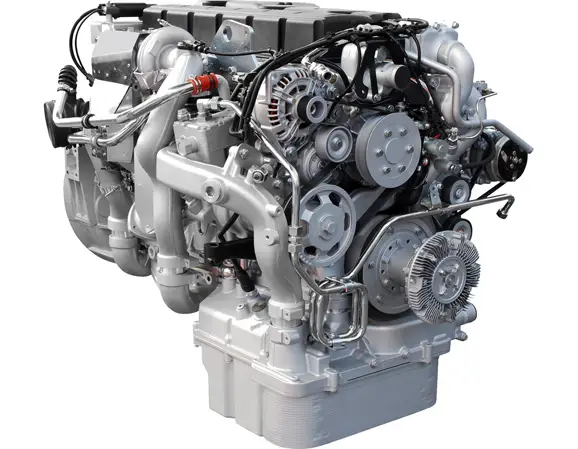
Oil leakage is a common maintenance concern in engines, gearboxes, pumps, and industrial machinery. When a leak occurs, two components are often considered during troubleshooting: the oil gasket and the oil seal. Although both help prevent fluid loss, they are designed for different sealing conditions and cannot usually be substituted for one another.
An oil gasket generally seals a stationary joint between two mating surfaces, such as an engine block and an oil pan. An oil seal, commonly called a rotary shaft seal or radial shaft seal, is primarily designed to retain lubricant around a rotating shaft while helping prevent external contaminants from entering the assembly.
Understanding the difference between an oil gasket and an oil seal is essential for selecting the correct replacement, preventing recurring leaks, and reducing unnecessary maintenance costs. This guide explains their structures, operating principles, materials, applications, and practical selection criteria for maintenance professionals, engineers, and industrial buyers.
Quick Answer: Oil Gasket vs. Oil Seal
An oil gasket is generally used to seal a stationary connection between mating surfaces. An oil seal is primarily used to seal around a moving shaft. The correct choice depends on the movement, sealing geometry, fluid, pressure, temperature, and equipment design.
What Is an Oil Gasket?
An oil gasket is a sealing component installed between two stationary mating surfaces to prevent oil from leaking through the joint. It is commonly found in engine oil pans, covers, housings, and other assemblies where oil must remain contained.
The gasket is compressed when the components are fastened together. This compression allows the gasket to conform to surface irregularities and create a sealing barrier. The amount of compression, surface condition, bolt load, and gasket material all influence sealing performance.
The term “oil gasket” is often used informally to describe a gasket intended for oil-containing equipment. It is not a single standardized gasket design. Depending on the application, the component may be a flat gasket, molded rubber gasket, formed-in-place gasket, or another engineered sealing arrangement.
Common Oil Gasket Applications
- Oil pan gaskets: Seal the joint between the engine oil pan and the engine block or lower housing.
- Valve cover gaskets: Help prevent oil leakage at the interface between the cylinder head and valve cover.
- Timing cover gaskets: Seal stationary cover joints where the design requires a gasket.
- Gearbox cover gaskets: Retain lubricant at stationary housing joints.
- Pump housing gaskets: Seal stationary interfaces in compatible pump designs.
Not every stationary joint uses a separate gasket. Some assemblies rely on O-rings, molded seals, liquid sealants, or other manufacturer-specified sealing methods.
What Is an Oil Seal?
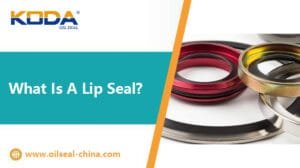
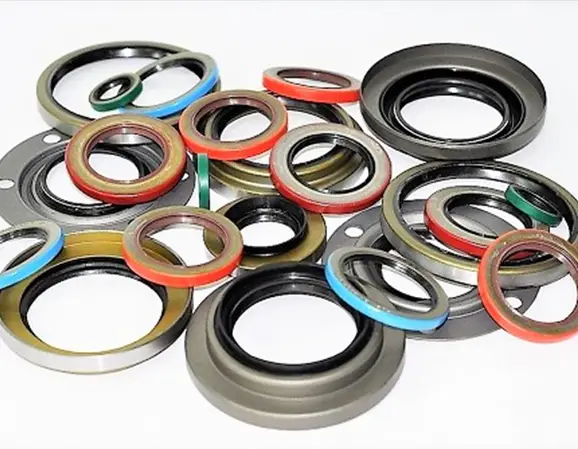
An oil seal is a mechanical sealing component designed primarily to control lubricant leakage around a rotating shaft. It is also known as a rotary shaft seal, radial shaft seal, or lip seal.
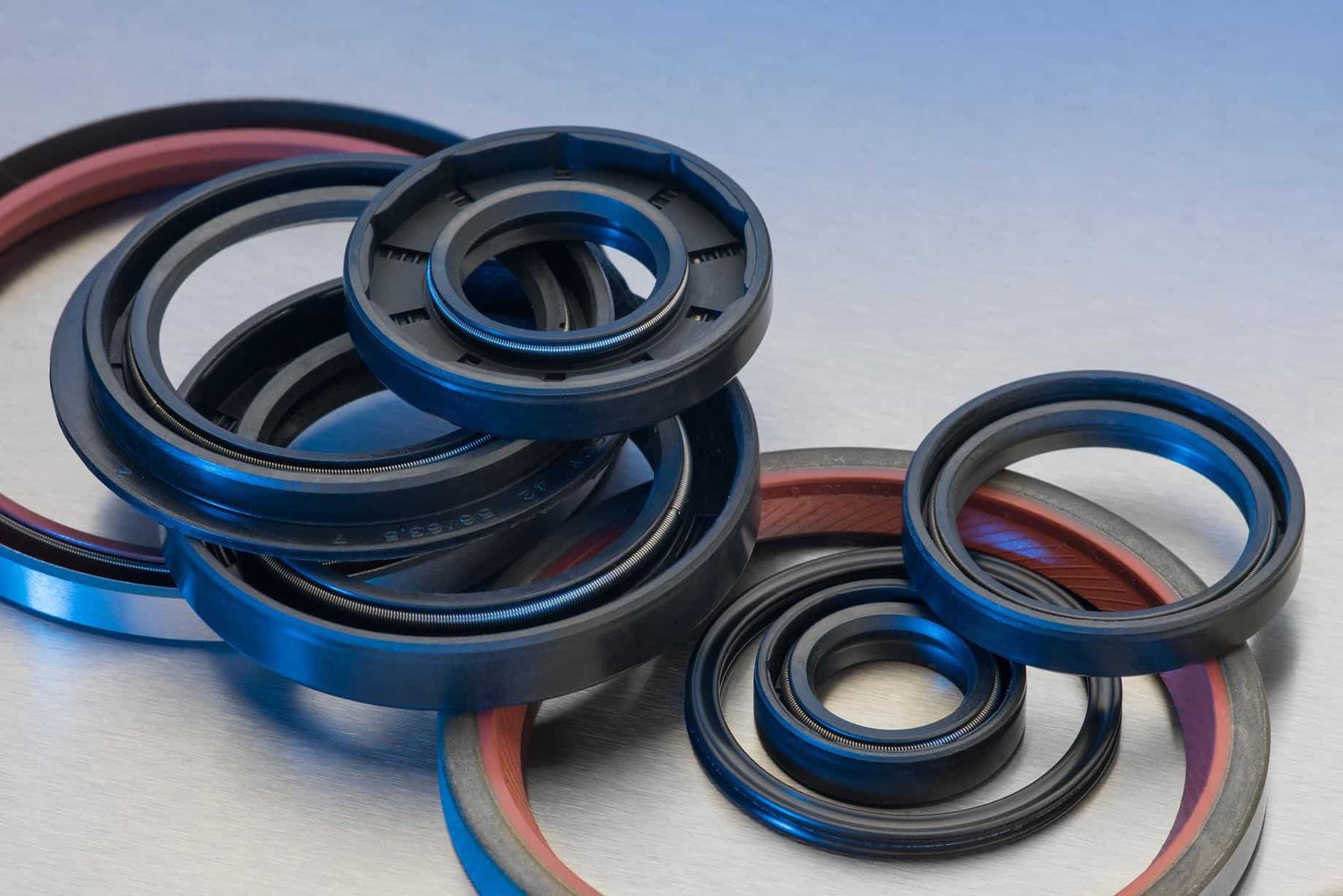
A conventional radial oil seal typically consists of an elastomeric sealing body, a flexible sealing lip, and a reinforcing case. Some designs incorporate a garter spring to help maintain radial contact between the lip and the shaft.
The sealing lip operates against the shaft surface while the shaft rotates. The design must maintain an effective sealing interface without generating excessive friction or heat. Some oil seals also include an auxiliary dust lip to help limit contamination ingress.
Common Oil Seal Applications
- Automotive crankshafts and camshafts
- Transmission input and output shafts
- Gearboxes and industrial reducers
- Electric motors and rotating machinery
- Pumps and compressors
- Wheel hubs and axle assemblies
- Agricultural and construction equipment
- Industrial drive systems and bearing housings
Oil seals are not limited to retaining oil. Depending on their design, they may also retain grease or other compatible lubricants and help prevent dirt, water, or other contaminants from entering the assembly.
Oil Gasket vs. Oil Seal: Key Differences
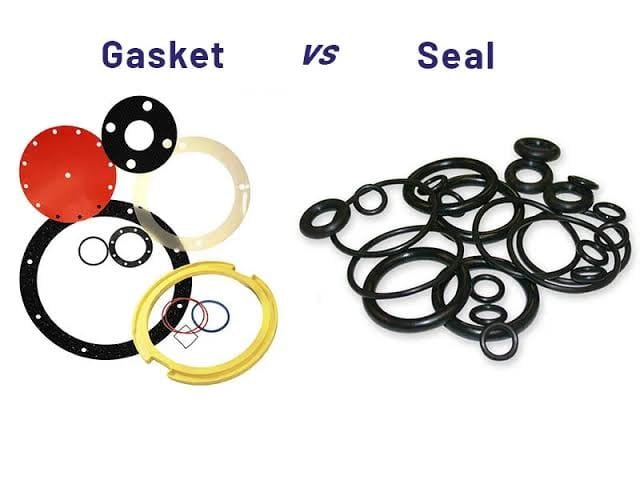
The most important distinction is the type of interface being sealed. A gasket typically seals a stationary joint through compression, while a conventional oil seal maintains a sealing interface around a moving shaft.
| Comparison | Oil Gasket | Oil Seal |
|---|---|---|
| Primary function | Seals stationary joints against oil leakage. | Seals around a moving shaft and retains lubricant. |
| Typical motion | Static interface with no intended continuous relative motion. | Usually continuous rotary motion. |
| Sealing mechanism | Compression between mating surfaces. | Controlled contact between a sealing lip and shaft. |
| Typical shape | Flat, molded, formed, or application-specific geometry. | Circular body with a sealing lip and, in many designs, a reinforcing case. |
| Typical location | Oil pans, covers, flanges, and stationary housing joints. | Crankshafts, gearboxes, motors, pumps, and wheel hubs. |
| Key design factors | Compression, surface flatness, bolt load, fluid compatibility, and temperature. | Shaft dimensions, surface finish, speed, runout, lubrication, and lip material. |
| Typical failure causes | Uneven clamping, overcompression, surface damage, aging, or incorrect gasket selection. | Lip wear, shaft damage, installation errors, excessive runout, or material incompatibility. |
Engineering Insight
The word “seal” is a broad category that includes many sealing components, including gaskets. The practical comparison here is between a gasket used for a stationary oil-containing joint and a rotary shaft oil seal.
How Do Oil Gaskets and Oil Seals Work?
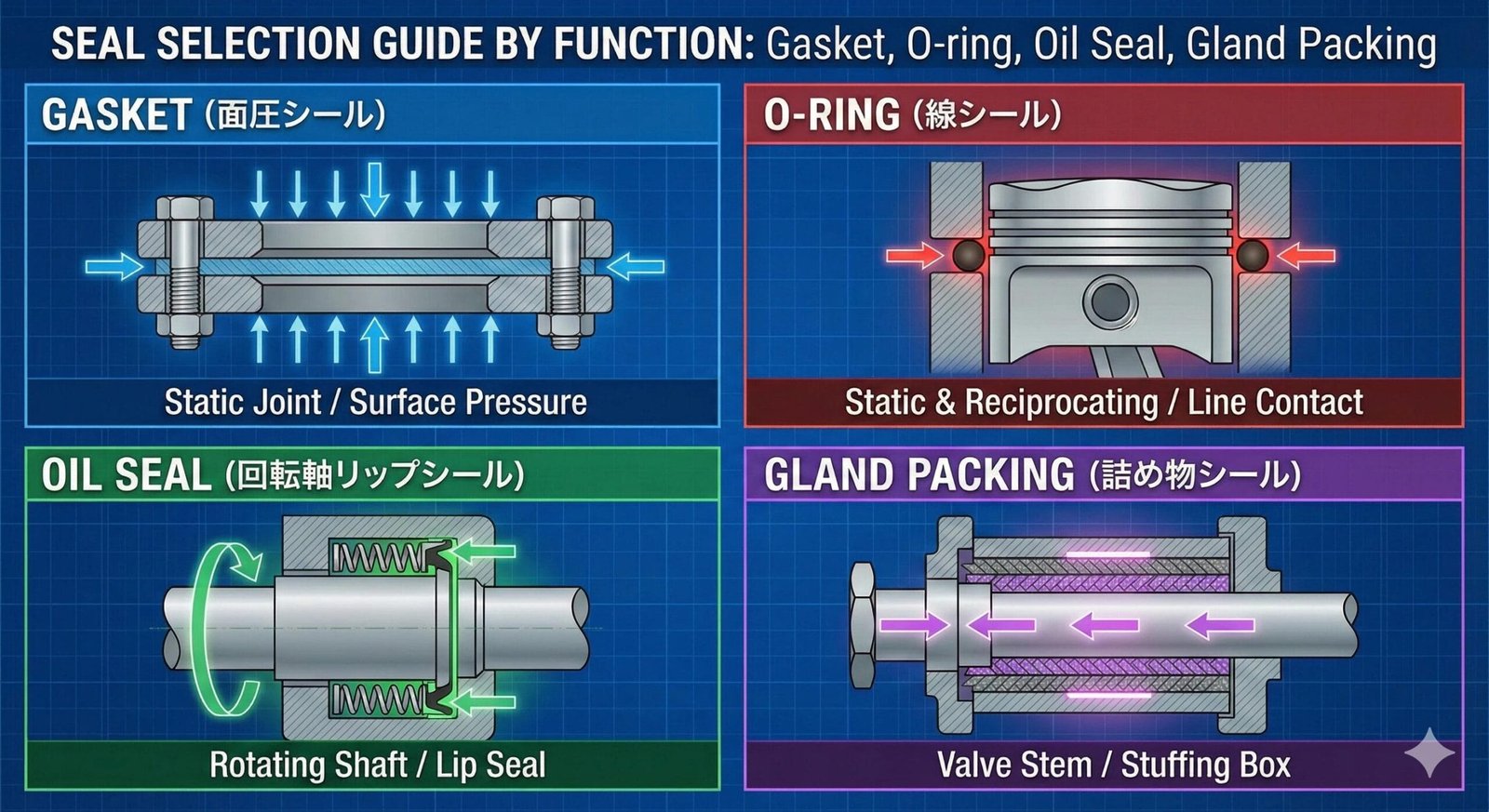
How an Oil Gasket Creates a Seal
An oil gasket works by being compressed between two mating surfaces. The applied clamping force deforms the gasket sufficiently to fill surface irregularities and create a continuous sealing barrier.
For a gasket to perform reliably, the joint must provide the correct compression and maintain adequate contact pressure during operation. Surface roughness, flange distortion, bolt tightening sequence, and temperature changes can all affect the sealing result.
Some gasket designs require a specified tightening sequence or torque. Others use a controlled bead of liquid gasket material or a molded profile. Always follow the equipment manufacturer’s installation requirements rather than applying additional sealant or tightening force without confirmation.
How an Oil Seal Works Around a Rotating Shaft
A conventional rotary oil seal maintains controlled contact between its flexible sealing lip and the shaft. The lip is designed to retain lubricant while limiting friction and wear at the contact interface.
In many designs, a garter spring helps maintain the lip’s radial load. The seal’s performance also depends on the shaft’s surface finish, rotational speed, temperature, lubricant, and alignment.
Unlike a static gasket, a rotary oil seal must function under continuous relative motion. A shaft that is scored, misaligned, or moving excessively can disrupt the sealing interface even when the seal itself is correctly specified.
Oil Gasket and Oil Seal Materials
Both gaskets and oil seals are available in different materials. The correct compound or gasket construction depends on the fluid, temperature, pressure, joint geometry, and expected service conditions.
Common Oil Gasket Materials
- NBR (Nitrile Rubber): Often used for oil-resistant molded gaskets and sealing components. Suitability depends on the compound and operating conditions.
- Cork-rubber composites: Used in selected low-pressure gasket applications where conformability is important.
- Silicone rubber: Used in some applications requiring flexibility over a broad temperature range, subject to fluid compatibility.
- Metal and composite materials: Used in applications where structural strength, temperature resistance, or specific joint requirements call for a reinforced construction.
- Formed-in-place gasket materials: Used in compatible joints where a liquid or paste cures or forms a sealing layer.
Common Oil Seal Materials
- NBR: Widely used in general oil-sealing applications where the fluid and temperature are compatible.
- HNBR: Considered for applications requiring improved heat and aging resistance compared with many conventional NBR compounds.
- FKM: Often selected for higher-temperature applications and resistance to many oils and chemicals.
- ACM: Used in selected automotive oil-sealing applications where its heat and oil resistance are suitable.
- PTFE: Used in specialized sealing designs where low friction or particular chemical and temperature requirements apply.
Material Selection Reminder: No material is universally suitable for every oil, additive package, temperature, or mechanical condition. Verify the exact compound and application requirements before choosing a replacement.
Oil Gasket vs. Oil Seal: Which One Should You Use?
The correct sealing component is determined by the geometry and movement of the interface, not simply by the fact that oil is present.
| Application | Typical Sealing Component | Reason |
|---|---|---|
| Engine oil pan joint | Oil pan gasket or specified formed-in-place gasket | Stationary joint between the pan and engine structure. |
| Crankshaft exit | Rotary shaft oil seal | Seals around a rotating shaft. |
| Valve cover joint | Valve cover gasket | Seals a stationary cover interface. |
| Gearbox output shaft | Rotary shaft oil seal | Retains lubricant around a rotating shaft. |
| Stationary gearbox cover | Specified gasket, O-ring, or sealant | Seals a fixed interface according to the housing design. |
| Pump drive shaft | Rotary shaft seal or application-specific shaft sealing system | Must accommodate shaft motion and operating conditions. |
Common Oil Gasket and Oil Seal Failure Problems

When oil leakage occurs, replacing the visible sealing component may not resolve the underlying problem. A systematic inspection helps determine whether the leak is caused by the gasket, oil seal, mating surfaces, or another part of the assembly.
| Symptom | Possible Cause | Inspection Recommendation |
|---|---|---|
| Oil leaking from a stationary joint | Damaged gasket, uneven clamping, distorted flange, or incorrect gasket profile | Inspect the mating surfaces, fasteners, gasket condition, and specified tightening procedure. |
| Oil leaking around a rotating shaft | Worn lip, damaged shaft surface, incorrect seal, or excessive shaft movement | Check the shaft, seal lip, runout, alignment, and bearing condition. |
| Leakage shortly after replacement | Incorrect installation, wrong dimensions, damaged sealing edge, or incompatible material | Verify the replacement part, installation method, and sealing surface condition. |
| Gasket extrusion or deformation | Excessive compression, unsuitable material, incorrect groove or joint design | Check compression requirements, joint geometry, and material specification. |
| Repeated oil seal wear | Rough shaft finish, misalignment, high temperature, or contamination | Inspect shaft finish, operating conditions, lubrication, and contamination protection. |
Installation Tips for Oil Gaskets and Oil Seals
Oil Gasket Installation
- Clean the mating surfaces and remove old gasket residue without damaging the sealing faces.
- Inspect the flange for corrosion, scratches, warping, or other damage.
- Confirm that the replacement gasket matches the original dimensions and profile.
- Use sealant only where the equipment manufacturer specifies it.
- Follow the specified bolt sequence and tightening torque to maintain even compression.
- Check the joint for leakage after reassembly and during the prescribed inspection period.
Oil Seal Installation
- Inspect the shaft for grooves, scoring, corrosion, and excessive runout.
- Confirm the seal dimensions, lip design, and orientation.
- Protect the sealing lip when passing over splines, threads, or sharp edges.
- Use an appropriate installation tool to press the seal squarely into the housing.
- Follow the manufacturer’s lubrication and installation-depth instructions.
- Inspect the assembly for distortion or damage before returning it to service.
Important Installation Warning
Do not assume that adding more sealant or tightening bolts beyond the specified torque will stop a leak. Excessive sealant can interfere with assembly, while over-tightening may distort the joint or damage the gasket.
Oil Gasket vs. Oil Seal: Replacement and Purchasing Checklist
Before ordering a replacement, identify the actual sealing interface and gather the information needed to verify compatibility.
For Oil Gaskets
- Equipment model and installation location
- Original part number or technical drawing
- Gasket shape, thickness, and critical dimensions
- Fluid type and operating temperature
- Required compression and surface-finish conditions
- Material specification and any manufacturer approval requirements
For Oil Seals
- Original part number and application
- Shaft diameter, housing bore, and seal width
- Sealing lip profile and auxiliary lip arrangement
- Material and lubricant compatibility
- Rotational speed, temperature, and pressure conditions
- Shaft surface finish, runout, and installation requirements
For custom or replacement sealing components, provide a drawing or sample where possible. Confirm the dimensions, material, and intended application with the supplier before placing an order.
Frequently Asked Questions
Is an oil gasket the same as an oil seal?
No. An oil gasket generally seals a stationary joint, while a conventional oil seal is designed primarily to seal around a rotating shaft. Both help prevent leakage, but their structures and operating principles differ.
Can an oil gasket replace an oil seal?
Not in a typical rotary shaft application. A gasket is not designed to maintain a sealing interface against a continuously rotating shaft. Use the sealing component specified for the equipment design.
Can an oil seal replace an oil pan gasket?
Usually not. An oil pan joint is typically sealed with a gasket, molded seal, or specified formed-in-place gasket material. A rotary shaft oil seal is intended for a different type of interface.
Which is better, an oil gasket or an oil seal?
Neither is universally better. The correct component depends on the sealing location and operating conditions. A stationary flange joint typically requires a gasket or another static sealing solution, while a rotating shaft generally requires a suitable dynamic seal.
Why does an oil gasket leak after replacement?
Possible causes include incorrect gasket dimensions, damaged mating surfaces, uneven clamping, improper tightening torque, unsuitable material, or incorrect sealant application. Inspect the complete joint before replacing the gasket again.
Why does a new oil seal leak?
A new oil seal may leak because of installation damage, incorrect orientation, a worn shaft, excessive runout, unsuitable material, or incorrect dimensions. Check the shaft and housing as well as the seal itself.
What is the difference between an oil gasket and an O-ring?
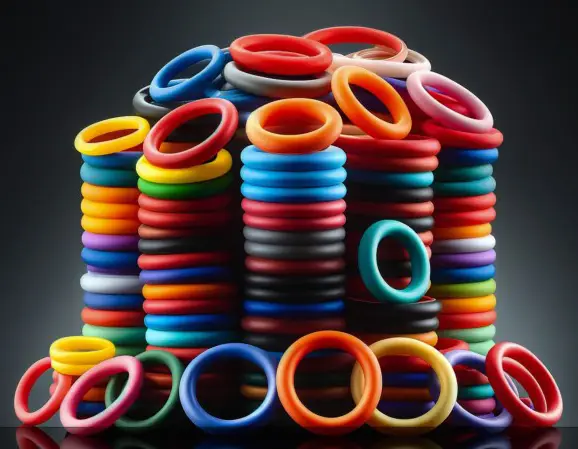
An oil gasket often has a flat or application-specific profile and seals a stationary joint. An O-ring is a circular elastomeric ring with a round cross-section that seals through compression in a designed groove or between suitable surfaces. Both can be used in static oil-sealing applications, depending on the design.
Conclusion: Choosing the Right Oil Sealing Component
Oil gaskets and oil seals both play important roles in preventing lubricant leakage, but they address different sealing conditions. Gaskets are commonly used between stationary mating surfaces, while rotary oil seals are designed to retain lubricant around moving shafts.
Choosing the correct component requires more than matching the product name or material. The sealing geometry, operating motion, fluid compatibility, temperature, pressure, installation conditions, and equipment specifications must all be considered.
For maintenance teams, engineers, and purchasing professionals, understanding these differences can help reduce replacement errors, prevent recurring leaks, and improve equipment reliability.
Need Oil Seals or Custom Gaskets?
When sourcing industrial sealing components, prepare the part number, dimensions, material requirements, operating conditions, and application details. These details help suppliers identify a suitable product and verify its compatibility with your equipment.
Request a quotation: Share your drawing, sample, or technical specifications to discuss suitable oil seals, rubber gaskets, and custom sealing solutions.