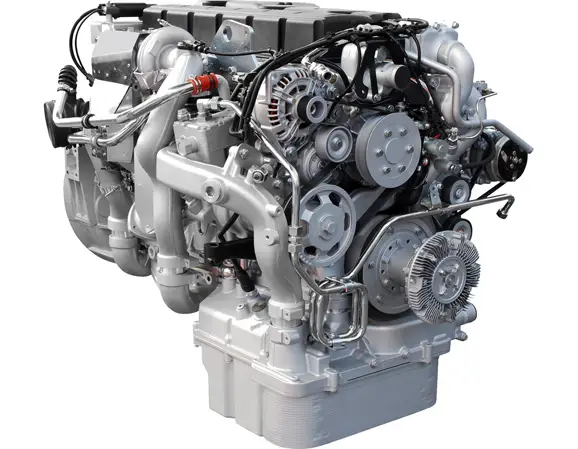
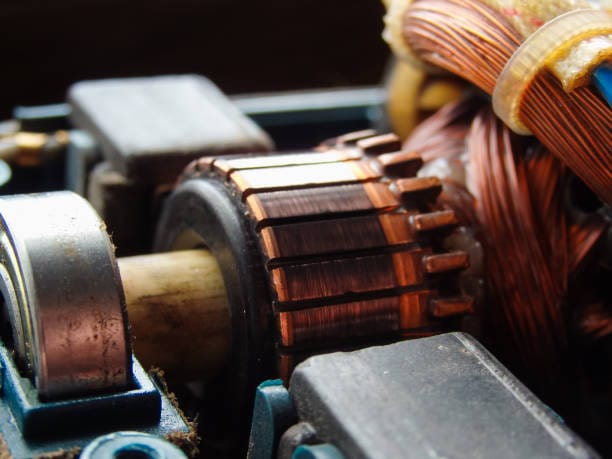
DC oil seals are among the most widely used rotary shaft sealing solutions in modern industrial equipment, automotive systems, agricultural machinery, hydraulic equipment, and electric motors. Designed to prevent lubricant leakage while simultaneously blocking the ingress of contaminants, DC oil seals offer an effective balance between sealing efficiency, durability, and cost-effectiveness. As rotating machinery becomes increasingly sophisticated and operates under more demanding conditions, understanding the characteristics and applications of DC oil seals becomes essential for engineers, maintenance personnel, and equipment manufacturers.
A properly selected oil seal not only prevents fluid loss but also protects critical internal components from dust, water, dirt, and other environmental contaminants. Among the various oil seal configurations available today, the DC oil seal remains a preferred option due to its robust construction and excellent sealing performance in a wide range of operating environments.
🔧 Key Takeaway: A DC oil seal is a double-lip rotary shaft seal designed to provide both lubricant retention and enhanced contamination protection for rotating equipment.
What Is a DC Oil Seal?
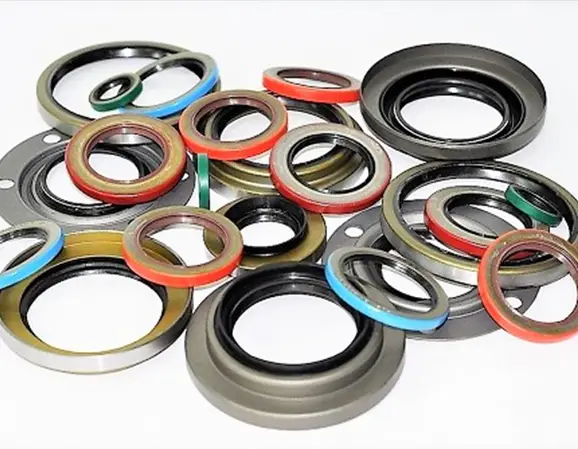
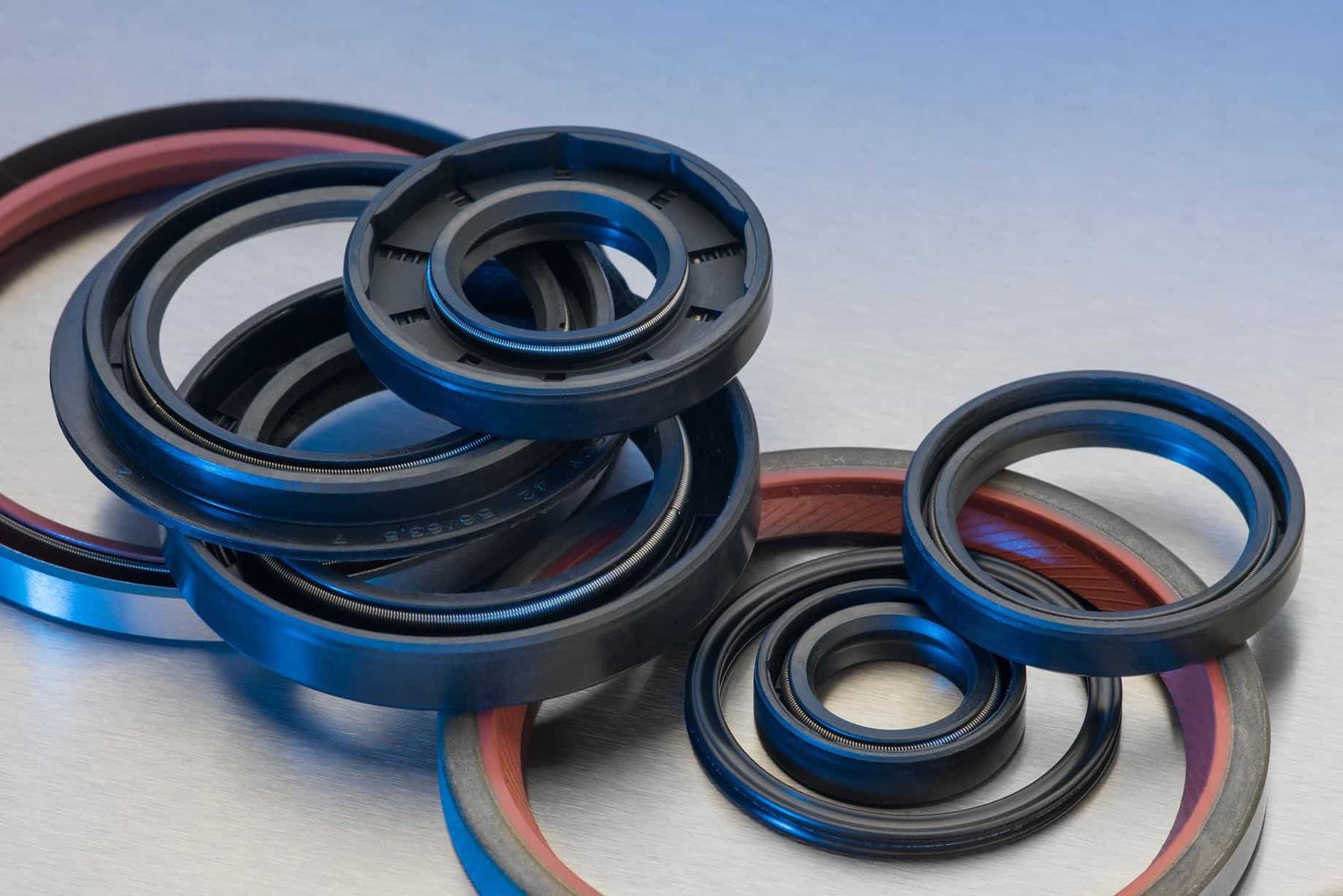
A DC oil seal is a rotary shaft sealing component featuring a primary sealing lip and an auxiliary dust lip. The primary lip is responsible for retaining lubricants such as oil and grease inside mechanical systems, while the secondary lip prevents contaminants from entering the sealed environment.
Compared to single-lip oil seals, DC oil seals provide an additional layer of protection, making them particularly suitable for applications exposed to dirt, moisture, dust, mud, and other harsh environmental conditions.
Because of their dual-function design, DC oil seal products are frequently specified for industrial equipment where reliability and long service life are critical requirements.
Structure of a DC Oil Seal
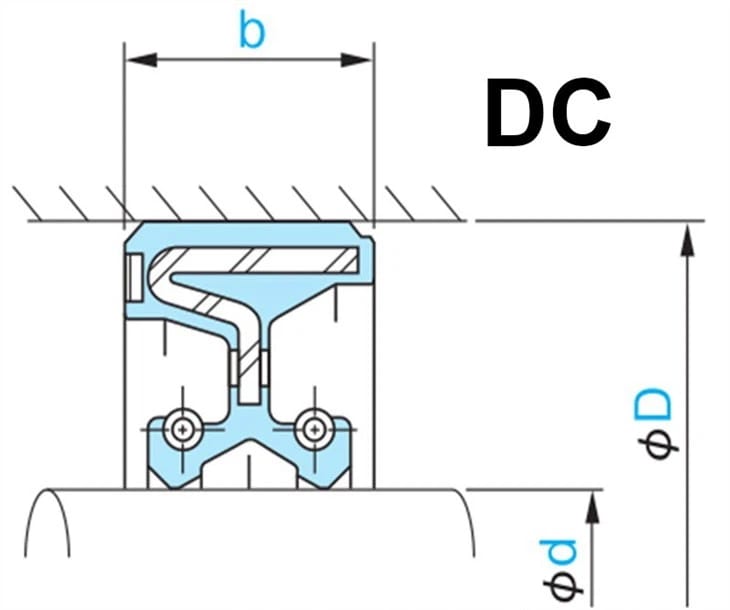
Understanding the structural components of a DC oil seal helps explain why this seal design performs so effectively in challenging environments.
Primary Sealing Lip
The primary lip contacts the rotating shaft and creates the dynamic sealing interface responsible for preventing lubricant leakage.
Auxiliary Dust Lip
The secondary lip functions as a protective barrier against external contaminants such as dirt, water, and abrasive particles.
Garter Spring
A garter spring maintains consistent radial pressure on the primary sealing lip, ensuring reliable contact with the shaft throughout the seal’s service life.
Metal Reinforcement Case
The metal insert provides structural support and ensures a secure fit within the housing bore.
Elastomer Sealing Material
The elastomer body forms the sealing lips and provides flexibility, chemical resistance, and wear resistance.
⚙️ Engineering Advantage: The dual-lip design significantly improves sealing reliability by separating lubricant retention and contamination exclusion functions.
How Does a DC Oil Seal Work?
The operation of a DC oil seal relies on controlled contact between the sealing lip and the rotating shaft surface. As the shaft rotates, a microscopic lubricating film forms between the lip and shaft, reducing friction while maintaining sealing integrity.
The primary sealing lip prevents internal lubricants from escaping the equipment. Simultaneously, the auxiliary dust lip acts as an external barrier that blocks contaminants before they reach the primary sealing zone.
This dual-protection mechanism enables DC oil seal solutions to perform effectively even in dirty or outdoor environments where contamination risks are high.
💡 Performance Insight: The dust lip extends seal life by preventing contaminants from reaching the primary sealing interface.
Advantages of DC Oil Seals
Enhanced Contamination Protection
The auxiliary lip significantly reduces the entry of dirt, dust, moisture, and other contaminants.
Improved Lubricant Retention
The primary lip effectively maintains lubrication within the system, reducing lubricant loss and improving equipment efficiency.
Longer Equipment Life
Cleaner operating conditions reduce wear on bearings, shafts, gears, and other critical components.
Lower Maintenance Costs
Reduced contamination and lubricant leakage translate directly into lower maintenance expenses and longer service intervals.
Versatile Application Range
DC oil seals can be used across numerous industries and operating environments.
📈 Economic Benefit: Effective contamination control often produces greater cost savings than simply reducing lubricant leakage.
Common Materials Used in DC Oil Seals
NBR (Nitrile Rubber)
NBR offers excellent resistance to petroleum oils, hydraulic fluids, and greases, making it the most commonly used oil seal material.
FKM (Viton®)
FKM provides superior chemical resistance and excellent performance at elevated temperatures.
HNBR
Hydrogenated nitrile rubber delivers improved wear resistance and enhanced durability compared to standard nitrile compounds.
Silicone Rubber
Silicone is ideal for applications requiring excellent low-temperature flexibility and weather resistance.
PTFE-Enhanced Designs
Certain specialized DC oil seals incorporate PTFE elements for extreme chemical resistance and high-speed operation.
Selecting the proper DC oil seal material ensures maximum compatibility with the operating environment.
Industries and Applications
DC oil seals are utilized throughout modern industry wherever rotating shafts require reliable sealing.
- Automotive engines and transmissions
- Wheel hub assemblies
- Electric motors
- Industrial gearboxes
- Hydraulic pumps
- Agricultural machinery
- Construction equipment
- Mining machinery
- Conveyor systems
- Manufacturing equipment
The combination of durability and contamination resistance makes DC oil seals suitable for both indoor and outdoor applications.
🏭 Industry Fact: Dual-lip oil seals such as the DC design are commonly selected for machinery operating in dusty and contaminated environments.
DC Oil Seal vs SC Oil Seal
Although DC and SC oil seals may appear similar, important design differences influence their performance characteristics.
- DC seals generally feature enhanced dust protection.
- SC seals focus primarily on lubricant retention.
- DC designs perform better in contaminated environments.
- Both types utilize spring-loaded sealing lips.
- Application requirements determine the best choice.
Engineers should evaluate environmental exposure, shaft speed, lubricant type, and maintenance expectations before selecting a seal configuration.
Factors Affecting DC Oil Seal Performance
Shaft Surface Finish
A properly finished shaft surface helps maintain an effective sealing interface while minimizing lip wear.
Operating Temperature
Excessive temperatures accelerate material aging and can shorten seal life.
Lubricant Compatibility
The sealing material must be compatible with the lubricant used in the system.
Contamination Exposure
Severe contamination environments may require additional protective measures.
Installation Quality
Proper installation practices are critical for achieving optimal seal performance.
🔍 Reliability Tip: Even premium oil seals can fail prematurely if shaft alignment, surface finish, or installation procedures are inadequate.
Installation Best Practices
- Inspect shaft surfaces before installation.
- Verify housing dimensions.
- Apply compatible assembly lubrication.
- Protect sealing lips from damage.
- Use proper installation tools.
- Install the seal squarely within the housing.
- Confirm correct sealing lip orientation.
Careful installation significantly improves service life and minimizes the risk of premature leakage.
Many equipment manufacturers specify DC oil seal products because they provide consistent sealing performance when installed correctly.
Common Causes of DC Oil Seal Failure
- Improper installation
- Excessive shaft runout
- Poor shaft finish
- Material incompatibility
- High operating temperatures
- Contaminated lubricants
- Insufficient lubrication
- Mechanical misalignment
Routine inspections and preventive maintenance programs can identify these issues before significant equipment damage occurs.
⚠️ Maintenance Warning: Contamination is one of the leading causes of bearing failure, making effective oil seal selection essential.
How to Select the Right DC Oil Seal
Several factors should be evaluated when selecting a DC oil seal:
- Shaft diameter
- Housing bore dimensions
- Operating speed
- Lubricant type
- Temperature range
- Pressure conditions
- Environmental contaminants
- Expected service life
Choosing the correct DC oil seal helps ensure reliable sealing performance and maximum equipment longevity.
Conclusion
A DC oil seal is a highly effective dual-lip rotary shaft seal designed to retain lubricants while preventing contamination from entering mechanical systems. Its combination of a primary sealing lip, auxiliary dust lip, metal reinforcement case, and spring-loaded design makes it an excellent solution for demanding industrial and automotive applications.
By understanding the structure, materials, performance characteristics, installation requirements, and application considerations of DC oil seals, engineers and maintenance professionals can improve equipment reliability, reduce downtime, and maximize operational efficiency. Whether used in heavy industrial machinery, automotive systems, agricultural equipment, or hydraulic applications, DC oil seals continue to serve as one of the most trusted sealing solutions in modern engineering.
Frequently Asked Questions
1. What is a DC oil seal used for?
A DC oil seal is used to retain lubricants and prevent contaminants from entering rotating equipment through shaft openings.
2. What is the main advantage of a DC oil seal?
Its dual-lip design provides both lubricant retention and enhanced contamination protection.
3. Which materials are commonly used in DC oil seals?
Common materials include NBR, FKM (Viton®), HNBR, silicone rubber, and specialized PTFE-enhanced compounds.
4. Where are DC oil seals commonly installed?
They are widely used in automotive systems, industrial machinery, hydraulic pumps, electric motors, and agricultural equipment.
5. How can the service life of a DC oil seal be extended?
Proper material selection, correct installation, adequate lubrication, and regular maintenance inspections help maximize seal life.