Understanding the TGR Oil Seal: A Modern Solution for Demanding Rotary Sealing Applications
In today’s industrial world, machinery reliability depends heavily on the effectiveness of its sealing components. Whether in automotive systems, agricultural equipment, hydraulic machinery, construction vehicles, or industrial gearboxes, oil seals play a critical role in preventing lubricant leakage and blocking external contaminants. Among various rotary shaft sealing solutions, the TGR oil seal has become increasingly recognized for its robust sealing structure, enhanced dust exclusion capability, and excellent operational stability.
While standard oil seals are suitable for many general-purpose applications, harsh operating environments often require more advanced sealing technologies. This is where the TGR oil seal offers significant advantages. Designed to provide superior sealing performance under challenging conditions, TGR oil seals help protect critical equipment from premature wear, contamination, and costly downtime.
What Is a TGR Oil Seal?
A TGR oil seal is a specialized radial shaft sealing component used to prevent oil, grease, and lubricants from escaping rotating equipment while simultaneously stopping dust, mud, water, and other contaminants from entering sensitive mechanical assemblies.
Unlike simple sealing configurations, TGR oil seals are engineered with enhanced lip geometry and improved structural reinforcement to maintain consistent sealing performance under variable loads, vibration, temperature changes, and contamination exposure.
Their design makes them particularly suitable for applications where equipment operates continuously in harsh environments and where sealing failure could result in significant operational disruptions.
Primary Functions of a TGR Oil Seal
✔ Retain lubricating oils and grease
✔ Prevent external contamination ingress
✔ Protect bearings and rotating shafts
✔ Reduce equipment wear
✔ Extend machinery service life
✔ Improve operational reliability
The Evolution of Advanced Oil Seal Designs
Traditional oil seals were originally designed primarily to prevent lubricant leakage. However, as machinery became more sophisticated and operating environments more demanding, seal manufacturers began developing advanced designs capable of addressing multiple challenges simultaneously.
Modern industrial systems require seals that can tolerate higher shaft speeds, greater temperature fluctuations, heavier contamination levels, and longer maintenance intervals. The TGR oil seal represents one of these advanced developments, incorporating design improvements that increase sealing effectiveness while reducing maintenance requirements.
As industries increasingly focus on reliability-centered maintenance strategies, high-performance seals such as the TGR oil seal have become essential components in modern equipment design.
Structural Components of a TGR Oil Seal
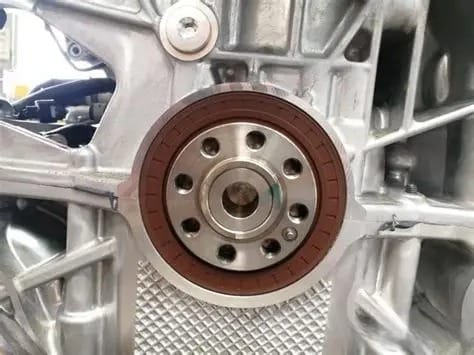
Understanding the internal construction of a TGR oil seal helps explain its superior sealing capabilities.
Primary Sealing Lip
The primary lip creates the main sealing interface against the rotating shaft. It maintains controlled radial pressure to prevent lubricant leakage while minimizing friction and wear.
Garter Spring
A precision garter spring supports the sealing lip and ensures consistent sealing force throughout the life of the seal, even as the elastomer naturally ages.
Dust Exclusion Lip
The auxiliary dust lip acts as a secondary barrier that prevents dirt, moisture, and abrasive particles from reaching the primary sealing zone.
Metal Reinforcement Ring
The internal metal case provides dimensional stability and maintains seal integrity during installation and operation.
Elastomer Outer Diameter
A rubber-coated outer diameter improves sealing between the oil seal and housing bore while compensating for minor surface irregularities.
How Does a TGR Oil Seal Work?
The operating principle of a TGR oil seal is based on controlled contact between the sealing lip and the rotating shaft surface.
When installed correctly, the sealing lip applies radial force against the shaft. This creates a dynamic sealing zone that prevents lubricant from escaping while maintaining a microscopic lubricating film that minimizes friction.
As the shaft rotates, the seal continuously adapts to shaft movement and minor vibration. The garter spring helps maintain sealing force, while the secondary lip blocks contaminants from reaching critical internal components.
This dual-protection mechanism significantly enhances equipment reliability and reduces maintenance requirements.
Materials Commonly Used in TGR Oil Seals
Material selection directly influences oil seal performance and lifespan.
Nitrile Rubber (NBR)
NBR is widely used because of its excellent compatibility with petroleum-based lubricants, cost-effectiveness, and good mechanical properties.
Fluoroelastomer (FKM)
FKM materials offer exceptional resistance to heat, fuels, synthetic lubricants, and aggressive chemicals.
Hydrogenated Nitrile (HNBR)
HNBR provides enhanced resistance to heat, ozone, oxidation, and mechanical stress.
Silicone Rubber
Silicone materials are commonly selected for applications requiring excellent low-temperature flexibility.
Polyacrylate (ACM)
ACM compounds perform well in high-temperature environments and are frequently used in automotive applications.
Advantages of TGR Oil Seals
Superior Contamination Protection
The advanced lip design effectively blocks dirt, water, and abrasive particles from entering machinery.
Improved Lubricant Retention
Enhanced lip geometry helps maintain consistent sealing performance over extended service periods.
Longer Equipment Life
By protecting bearings and rotating components, TGR oil seals help reduce wear and extend machinery lifespan.
Reduced Maintenance Costs
Better sealing performance minimizes lubricant loss and lowers maintenance frequency.
Excellent Durability
High-quality materials and reinforced construction improve resistance to harsh operating conditions.
Typical Applications of TGR Oil Seals
Because of their versatile design, TGR oil seals are used across numerous industries.
Automotive transmissions
Differential systems
Industrial gearboxes
Hydraulic pumps
Agricultural machinery
Construction equipment
Mining systems
Electric motors
Marine propulsion equipment
Conveyor systems
In these environments, contamination control and lubricant retention are essential for maintaining operational efficiency.
Many manufacturers choose the TGR oil seal because of its ability to withstand harsh environmental conditions while maintaining consistent sealing performance.
TGR Oil Seal vs Conventional Oil Seal Designs
Although conventional oil seals perform adequately in many applications, TGR oil seals provide several advantages in demanding environments.
Enhanced Dust Exclusion
Additional sealing features improve contamination resistance.
Greater Stability
Reinforced construction helps maintain sealing integrity under vibration and shaft movement.
Extended Service Life
Improved material options and optimized lip designs contribute to longer operational durability.
Reduced Leakage Risk
Consistent radial sealing force minimizes lubricant escape even under challenging operating conditions.
Factors to Consider When Selecting a TGR Oil Seal
Proper oil seal selection requires evaluating multiple operating parameters.
Operating Temperature
Material compatibility with expected temperature ranges is essential.
Shaft Speed
Higher shaft speeds generate additional friction and heat that must be considered.
Lubricant Compatibility
Seal materials must be compatible with the specific oils or greases used.
Contamination Exposure
Environmental conditions often determine the level of dust protection required.
Pressure Conditions
Although oil seals are generally not pressure seals, occasional pressure spikes should be considered during selection.
Common Causes of TGR Oil Seal Failure
Even high-quality seals can fail if operating conditions exceed design limitations.
Incorrect installation
Improper shaft finish
Excessive shaft runout
Contamination ingress
Incorrect material selection
Thermal degradation
Insufficient lubrication
Mechanical damage
Understanding these factors helps maintenance professionals maximize seal service life.
Installation Best Practices
Proper installation significantly influences oil seal performance.
Inspect shaft surfaces carefully
Remove sharp edges and burrs
Apply appropriate lubrication during installation
Use proper installation tools
Avoid lip damage during assembly
Verify shaft alignment
Following these procedures helps ensure optimal sealing performance from the first day of operation.
Quality Standards and Inspection Methods
Leading oil seal manufacturers implement comprehensive quality control systems throughout production.
Dimensional Inspection
Critical dimensions are verified to ensure proper fit and sealing performance.
Material Verification
Compound properties are tested to ensure compliance with specification requirements.
Hardness Testing
Durometer testing confirms material consistency across production batches.
Performance Evaluation
Seals undergo leakage, durability, and wear testing before approval.
Purchasing a high-quality TGR oil seal from a reputable manufacturer ensures better consistency and reliability.
Future Developments in TGR Oil Seal Technology
Advancements in materials science and manufacturing technology continue to improve sealing performance.
Future innovations include:
Low-friction sealing compounds
Advanced contamination barriers
Smart maintenance monitoring systems
Enhanced wear-resistant elastomers
Sustainable sealing materials
These developments will further increase equipment reliability while reducing maintenance costs and environmental impact.
Frequently Asked Questions
1. What is a TGR oil seal used for?
A TGR oil seal is used to prevent lubricant leakage and block contaminants from entering rotating machinery.
2. What industries commonly use TGR oil seals?
They are widely used in automotive, industrial, agricultural, construction, mining, and marine equipment.
3. How is a TGR oil seal different from a standard oil seal?
TGR oil seals generally offer enhanced contamination protection, improved durability, and better sealing stability.
4. Which material is best for high-temperature TGR oil seal applications?
FKM is typically preferred for high-temperature environments because of its superior heat and chemical resistance.
5. How can I extend the service life of a TGR oil seal?
Proper installation, correct material selection, adequate lubrication, and regular maintenance inspections can significantly increase seal lifespan.