
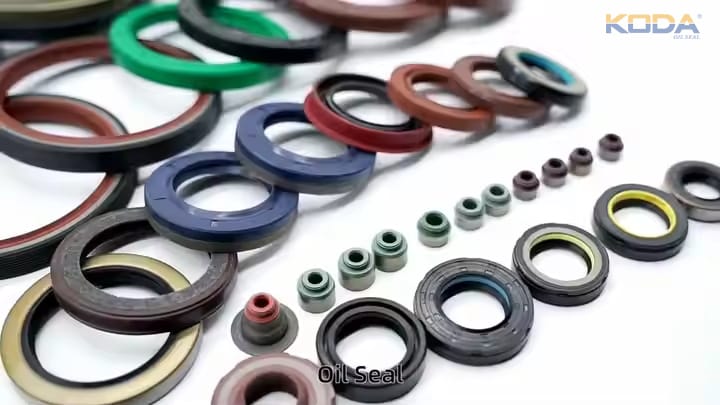
Understanding TC and TG Oil Seals: Why Seal Selection Matters More Than Ever
Oil seals are among the most critical components in rotating machinery, helping retain lubricants while preventing contaminants from entering sensitive equipment. Whether used in automotive systems, industrial gearboxes, electric motors, pumps, agricultural equipment, or heavy machinery, selecting the correct oil seal directly impacts equipment reliability, operating efficiency, and maintenance costs.
Among the most commonly specified rotary shaft seals worldwide are TC and TG oil seals. While these two sealing designs appear similar at first glance, their structural characteristics, dust protection capabilities, sealing performance, and application suitability can differ significantly. Understanding these differences is essential for engineers, maintenance personnel, equipment manufacturers, and procurement professionals seeking long-term reliability.
This comprehensive guide explains what TC and TG oil seals are, how they work, their structural differences, manufacturing considerations, application environments, performance advantages, and practical tips to help you choose the right seal for your equipment.
For industrial buyers seeking dependable sealing solutions, selecting the appropriate TC Oil Seal can significantly reduce equipment downtime and extend service life.
What Is an Oil Seal?
Before comparing TC and TG designs, it’s important to understand the role of an oil seal itself.
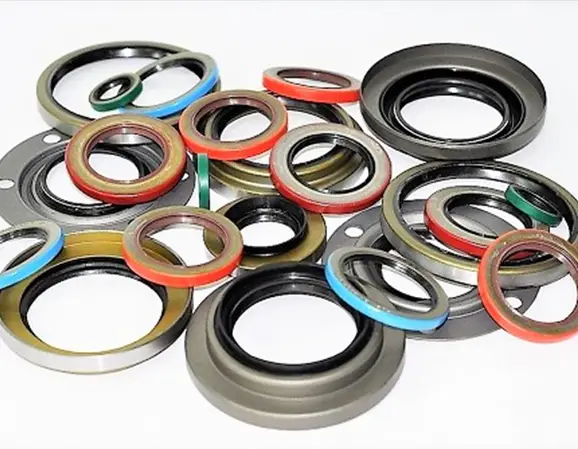
An oil seal, also known as a rotary shaft seal or shaft seal, is a mechanical sealing device installed between rotating and stationary machine components. Its primary purpose is to prevent lubricant leakage while blocking dust, dirt, moisture, mud, and other contaminants from entering the system.
Without proper sealing, lubricants escape, contamination enters, friction increases, and equipment wear accelerates. In severe cases, machinery can experience catastrophic failure.
Primary Functions of Oil Seals
✔ Lubricant retention
✔ Dust exclusion
✔ Moisture protection
✔ Contamination prevention
✔ Friction reduction
✔ Equipment longevity improvement
What Is a TC Oil Seal?
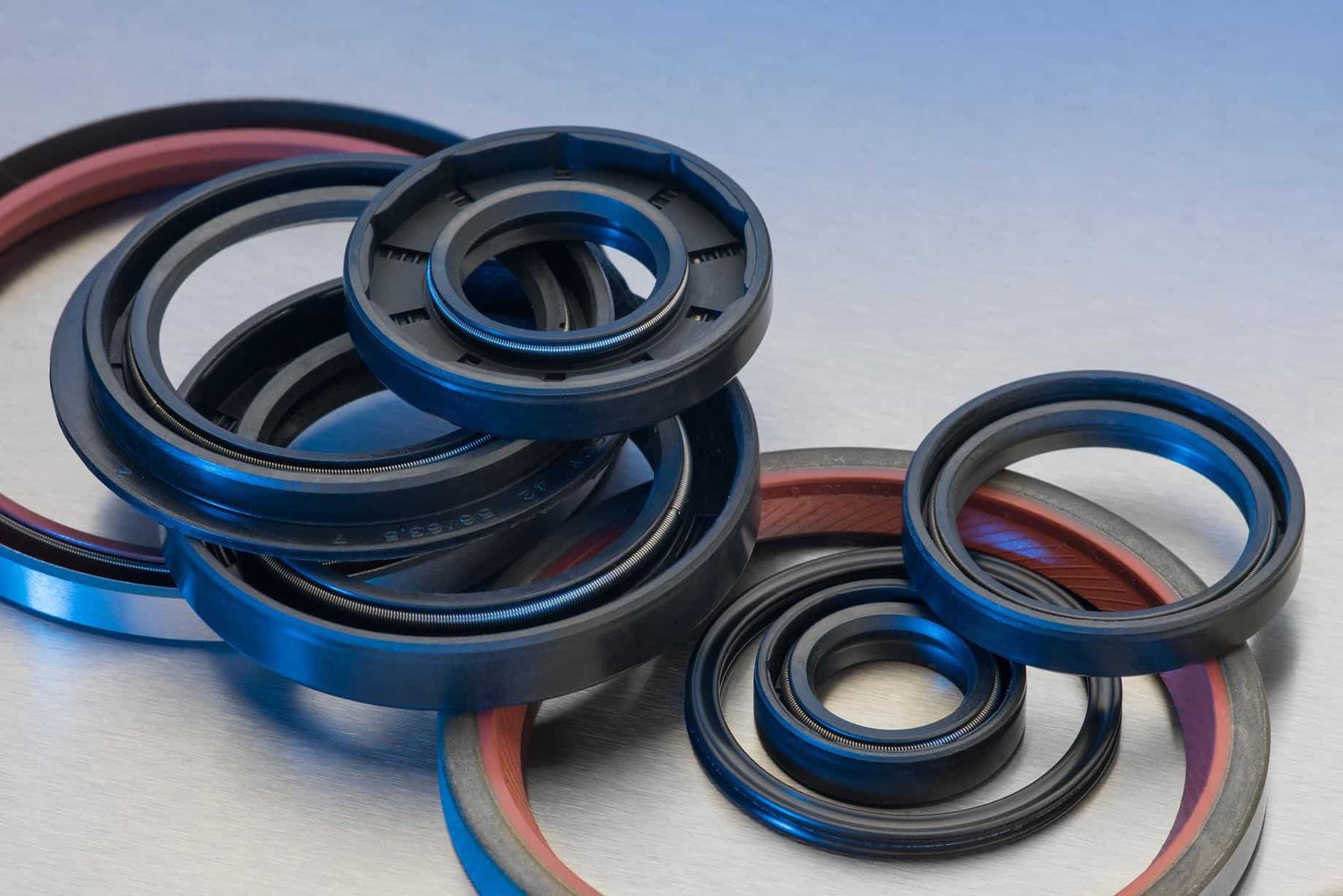
The TC oil seal is one of the most widely used rotary shaft sealing designs in modern industry. The designation “TC” generally refers to a double-lip oil seal featuring a rubber-covered outer diameter, a primary sealing lip with a garter spring, and a secondary dust lip.
The primary lip maintains contact with the rotating shaft to retain lubricant, while the auxiliary dust lip helps prevent external contamination from entering the sealing area.
Because of its balanced performance, cost-effectiveness, and versatility, the TC Oil Seal has become the industry standard for countless rotary shaft applications.
Typical Structure of a TC Oil Seal
Primary sealing lip
Spring-loaded sealing edge
Secondary dust lip
Rubber-covered outer diameter
Metal reinforcement insert
What Is a TG Oil Seal?
The TG oil seal shares many similarities with the TC design but incorporates modifications intended to improve contamination resistance. While construction may vary slightly among manufacturers, TG seals typically feature an enhanced dust lip profile and optimized geometry designed for harsher environmental conditions.
The result is improved exclusion of dust, dirt, mud, sand, and moisture, making TG seals particularly suitable for outdoor machinery and heavily contaminated environments.
Industries operating in mining, construction, agriculture, forestry, and off-road transportation often favor TG designs where contamination poses a significant threat to equipment reliability.
TC vs TG Oil Seals: Structural Differences Explained
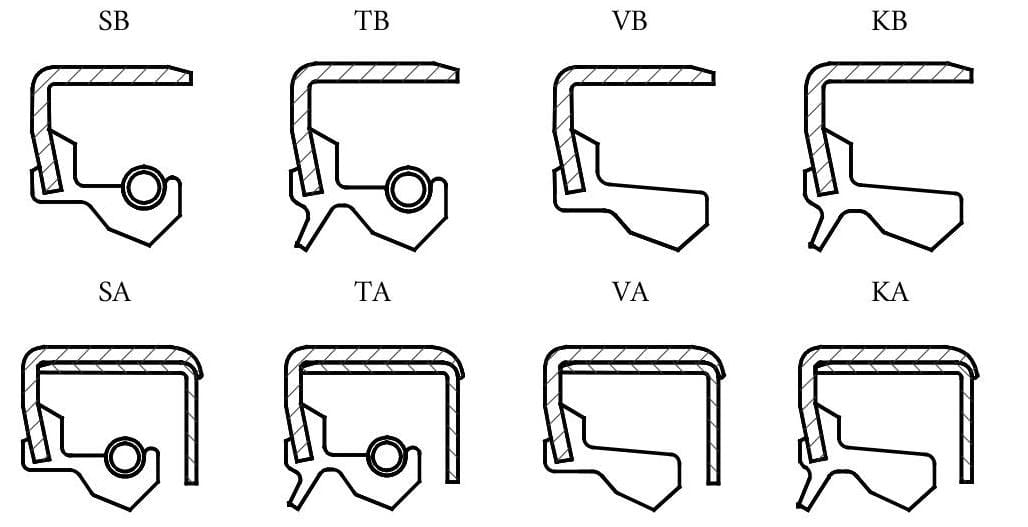
Although TC and TG seals perform similar functions, several structural differences influence performance.
Dust Lip Design
TC seals feature a standard auxiliary dust lip, while TG seals often incorporate a more aggressive dust exclusion geometry designed to block contaminants more effectively.
Contamination Protection
TG designs generally provide improved protection in environments with high concentrations of dirt, mud, or airborne particles.
Application Focus
TC seals excel in general industrial applications, whereas TG seals are frequently selected for heavy-duty operating environments.
Maintenance Requirements
Enhanced contamination resistance often contributes to longer maintenance intervals in demanding field conditions.
How TC and TG Oil Seals Work
Both designs operate using the same fundamental sealing principle.
A spring-loaded sealing lip creates controlled radial contact pressure against the rotating shaft surface. This contact pressure forms a dynamic sealing interface that prevents lubricant leakage while accommodating shaft rotation.
The dust lip acts as a secondary defense system, blocking contaminants before they reach the primary sealing zone.
The combination of these two sealing elements allows both TC and TG oil seals to deliver reliable performance across a wide range of operating conditions.
Materials Commonly Used in TC and TG Oil Seals
Seal performance depends heavily on material selection. Different elastomers provide varying levels of resistance to heat, wear, chemicals, and environmental exposure.
NBR (Nitrile Rubber)
NBR remains the most commonly used oil seal material due to its excellent resistance to petroleum-based oils and economical cost.
FKM (Fluoroelastomer)
FKM offers superior resistance to heat, fuels, lubricants, and aggressive chemicals.
HNBR
Hydrogenated nitrile rubber provides enhanced durability and temperature resistance compared with standard NBR.
Silicone Rubber
Silicone materials are often selected for low-temperature applications and specialized environments.
Applications of TC Oil Seals
The versatility of TC seals has made them a preferred solution across numerous industries.
Electric motors
Industrial pumps
Gearboxes
Reducers
Conveyors
Automotive drivetrains
Agricultural equipment
Hydraulic systems
Many equipment manufacturers specify the TC Oil Seal as their standard sealing solution because of its proven performance and broad compatibility.
Applications of TG Oil Seals
TG seals are particularly valuable where contamination control is a priority.
Mining equipment
Construction machinery
Forestry equipment
Excavators
Wheel loaders
Agricultural machinery
Off-road vehicles
Marine equipment
Their enhanced dust exclusion capability helps protect critical rotating components operating in harsh outdoor environments.
Factors to Consider When Choosing Between TC and TG Oil Seals
Operating Environment
The cleanliness of the operating environment remains one of the most important selection criteria.
Contaminant Levels
Applications exposed to dust, mud, sand, and moisture often benefit from TG designs.
Rotational Speed
Seal material and lip design must accommodate shaft speed requirements.
Temperature Range
Operating temperature influences material selection and overall seal longevity.
Lubricant Compatibility
Ensure elastomer materials are compatible with the lubricants used in the system.
Maintenance Expectations
Long maintenance intervals may justify investing in higher-performance sealing solutions.
Common Causes of Oil Seal Failure
Even the highest-quality oil seal can fail if operating conditions exceed design limitations.
Improper installation
Contamination ingress
Shaft surface damage
Incorrect material selection
Excessive temperature
Misalignment
Pressure overload
Inadequate lubrication
Understanding these failure modes helps engineers maximize seal service life and equipment reliability.
Manufacturing Quality and Performance Standards
The reliability of TC and TG oil seals depends heavily on manufacturing quality.
Premium manufacturers implement:
Precision mold manufacturing
Automated inspection systems
Strict dimensional control
Material traceability
Laboratory testing procedures
Performance validation protocols
A high-quality TC Oil Seal manufactured under rigorous quality standards can deliver years of reliable service even in demanding industrial environments.
Future Trends in Rotary Shaft Seal Technology
As machinery becomes more efficient and operating conditions become more demanding, oil seal technology continues evolving.
Key trends include:
Advanced elastomer formulations
Low-friction sealing designs
Improved contamination exclusion systems
Smart maintenance monitoring
Enhanced wear-resistant compounds
Longer service life engineering
These innovations help manufacturers reduce downtime, improve sustainability, and lower lifecycle operating costs.
Final Thoughts: Which Seal Should You Choose?
Both TC and TG oil seals are highly effective sealing solutions, but the ideal choice depends on your operating environment and performance requirements.
For general industrial equipment operating in relatively clean conditions, a TC Oil Seal often provides the perfect balance of performance, durability, and cost efficiency.
For machinery exposed to heavy contamination, outdoor operation, mud, dust, or abrasive particles, TG oil seals typically offer superior protection and longer service life.
Frequently Asked Questions
1. What is the main difference between TC and TG oil seals?
The primary difference is that TG oil seals generally provide enhanced dust and contamination exclusion compared with standard TC designs.
2. Are TC oil seals suitable for industrial machinery?
Yes. TC oil seals are widely used in motors, pumps, gearboxes, reducers, conveyors, and numerous industrial applications.
3. When should I choose a TG oil seal instead of a TC seal?
TG oil seals are recommended for equipment operating in dusty, muddy, or highly contaminated environments.
4. What materials are commonly used for TC and TG oil seals?
Common materials include NBR, FKM, HNBR, and silicone rubber, depending on temperature and chemical requirements.
5. How can I maximize oil seal service life?
Use proper installation techniques, select compatible materials, maintain shaft surface quality, control contamination, and follow recommended maintenance practices.