Many sealing failures are not caused by poor manufacturing quality, incorrect installation, or improper groove design. In reality, a large percentage of recurring seal problems occur because the sealing material has reached the limits of its performance capabilities. As operating temperatures rise, fluids become more chemically aggressive, and equipment is expected to run longer between maintenance intervals, standard elastomers often struggle to keep pace. This is where Viton® ETP enters the conversation. Designed for applications that demand more than conventional fluorocarbon materials can consistently provide, Viton® ETP offers an advanced solution for engineers seeking longer service life, improved chemical resistance, and enhanced sealing reliability.
However, upgrading materials is not always necessary. The real challenge is determining when an upgrade creates measurable value and when it simply increases costs without meaningful benefits. This guide explores the practical role of Viton® ETP, the problems it solves, and the signs indicating that your sealing system may be ready for an upgrade.
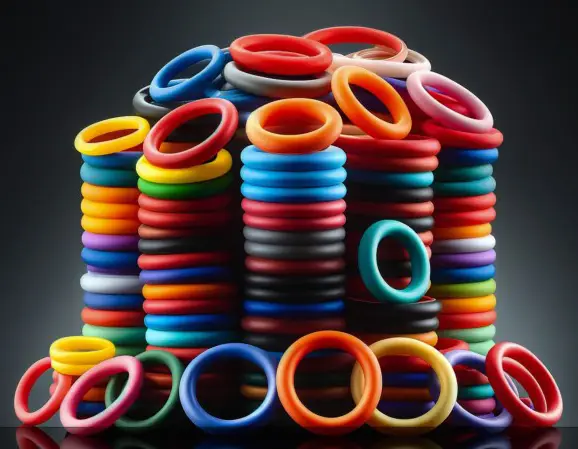
Choosing the correct O-Ring material is often one of the most cost-effective ways to improve equipment reliability and reduce unplanned maintenance expenses.
The Hidden Cost of Using the Wrong Seal Material
When equipment experiences seal failures, many companies immediately investigate installation procedures, hardware tolerances, lubrication methods, or operator errors. While these factors certainly matter, material limitations are frequently overlooked.
A seal that performs perfectly in laboratory conditions may behave very differently after months of exposure to:
🔸 Elevated temperatures
🔸 Aggressive fuel blends
🔸 Synthetic lubricants
🔸 Chemical cleaning agents
🔸 Continuous pressure cycling
🔸 Long maintenance intervals
In these situations, traditional elastomers can gradually lose elasticity, harden, shrink, crack, or develop excessive compression set.
Common Symptoms of Material Limitations:
✔ Seal leakage returns shortly after replacement
✔ Increased maintenance frequency
✔ Hard or brittle seal surfaces
✔ Swelling after fluid exposure
✔ Unexpected equipment downtime
✔ Premature aging despite correct installation
What Exactly Is Viton® ETP?
Viton® ETP is a high-performance fluorocarbon elastomer specifically engineered for applications requiring enhanced chemical resistance and improved physical properties compared with many conventional FKM compounds.
While standard FKM materials perform exceptionally well in a broad range of applications, Viton® ETP is designed to provide additional protection where operating conditions become more demanding.
Its molecular structure enables improved resistance to thermal degradation, aggressive chemicals, and long-term compression, helping seals maintain their original sealing force for longer periods.
Think of Viton® ETP as an advanced insurance policy for critical sealing systems.
It may not be necessary for every application, but when operating conditions become severe, it can prevent costly failures that standard materials may struggle to withstand.
Why Modern Equipment Is Driving Material Upgrades
Industrial equipment today is fundamentally different from the machinery designed twenty years ago.
Manufacturers are pursuing:
• Higher operating efficiency
• Increased power density
• Reduced maintenance schedules
• Lower emissions
• Longer equipment lifecycles
• Greater energy efficiency
These improvements often create harsher environments for sealing components.
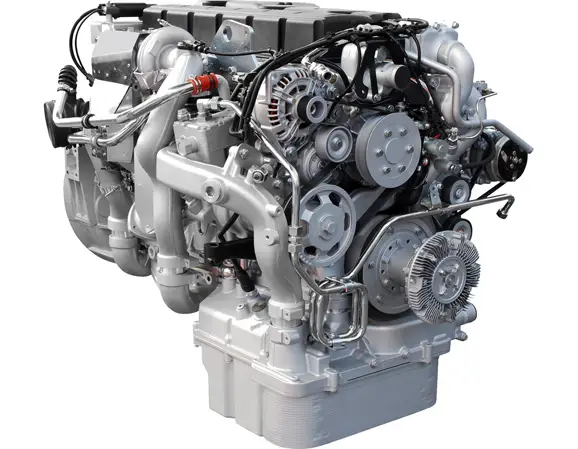
For example, modern automotive engines operate at higher temperatures than previous generations, while industrial systems increasingly use synthetic lubricants that place greater demands on seal materials.
As a result, engineers are frequently evaluating whether upgrading to a premium O-Ring material can improve long-term reliability.
The Compression Set Problem Most Engineers Underestimate
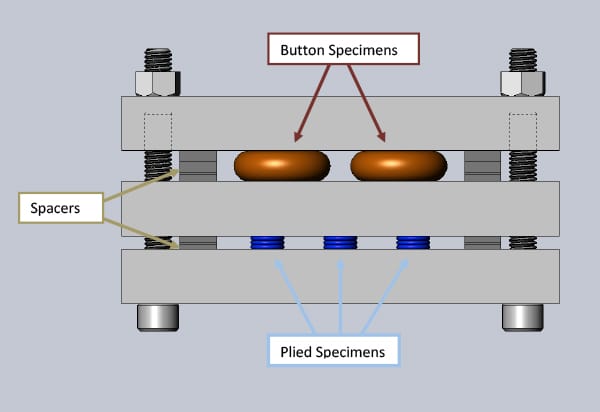
One of the most overlooked causes of seal failure is compression set.
Compression set occurs when an elastomer remains compressed for an extended period and gradually loses its ability to recover its original shape.
Although the seal may still appear intact, its sealing force decreases significantly.
Consequences include:
• Gradual leakage development
• Reduced sealing efficiency
• Increased contamination risks
• Unexpected maintenance events
Viton® ETP is specifically designed to maintain elasticity and sealing force for longer durations, making it particularly valuable in applications where seals remain compressed for years at a time.
Applications Highly Sensitive to Compression Set:
✔ Hydraulic systems
✔ Industrial pumps
✔ Valve assemblies
✔ Chemical processing equipment
✔ Fuel systems
✔ Aerospace sealing systems
When Chemical Compatibility Becomes the Real Challenge
Many sealing failures occur because fluids evolve faster than sealing specifications.
New fuel formulations, synthetic lubricants, bio-based additives, and specialty chemicals can interact with elastomers in unexpected ways.
Symptoms of chemical incompatibility often include:
🔸 Swelling
🔸 Softening
🔸 Cracking
🔸 Hardening
🔸 Volume changes
🔸 Loss of mechanical strength
Viton® ETP offers broad resistance to numerous aggressive fluids, helping engineers maintain stable sealing performance across changing operating environments.
A Practical Upgrade Decision Framework
Instead of asking whether Viton® ETP is better than standard materials, a more useful question is:
“Will upgrading solve a real operational problem?”
Consider upgrading if your equipment experiences:
✔ More than two seal replacements per year
✔ Elevated operating temperatures
✔ Exposure to aggressive fluids
✔ Expensive downtime events
✔ Long maintenance intervals
✔ Frequent warranty claims
If none of these conditions apply, a standard elastomer may remain the most cost-effective solution.
Industries Benefiting Most from Viton® ETP
Automotive Manufacturing
Modern fuel systems, turbochargers, transmission assemblies, and emission control systems require seals capable of surviving extreme thermal and chemical stress.
Oil and Gas Operations
Exploration and processing equipment often encounters harsh chemicals, elevated temperatures, and demanding pressure conditions.
Chemical Processing
Exposure to aggressive solvents and process fluids makes material stability essential.
Industrial Automation
Automated production systems require consistent performance with minimal maintenance interruptions.
Many of these sectors increasingly specify advanced O-Ring compounds to support extended service intervals and reliability targets.
Lifecycle Cost vs Purchase Price
A common mistake in procurement is evaluating seals solely based on unit cost.
For example, replacing a failed seal may involve:
• Equipment shutdown
• Labor expenses
• Lost production
• Product waste
• Emergency service costs
In many cases, these indirect costs exceed the seal’s purchase price by hundreds or even thousands of times.
A premium sealing material that doubles service life can generate substantial savings even if its initial cost is significantly higher.
True Seal Cost Formula:
Purchase Price + Installation Cost + Downtime Cost + Maintenance Cost + Reliability Risk = Actual Lifecycle Cost
Signs You Should Not Upgrade Yet
Interestingly, upgrading is not always the correct solution.
If failures are caused by:
• Incorrect gland design
• Poor shaft finish
• Installation damage
• Excessive extrusion gaps
• Hardware misalignment
Changing materials may not solve the underlying issue.
Before upgrading, engineers should always perform a root-cause failure analysis.
How to Evaluate a Trial Upgrade

Rather than converting an entire production line immediately, many organizations conduct controlled testing.
A structured evaluation should compare:
✔ Leakage performance
✔ Service life
✔ Compression set retention
✔ Chemical resistance
✔ Maintenance frequency
✔ Total operating cost
This data-driven approach helps justify upgrades with measurable performance improvements.
Testing a premium O-Ring compound under real-world conditions often provides more valuable information than laboratory specifications alone.
Future Trends Supporting Advanced Fluoroelastomers
Several global trends continue driving demand for advanced sealing materials:
• Higher energy efficiency standards
• Electrified vehicle technologies
• Sustainable fuel development
• Longer maintenance intervals
• Increased process automation
• More aggressive industrial chemicals
As these trends accelerate, material upgrades will become increasingly important for maintaining equipment reliability.
Final Engineering Perspective
The decision to upgrade should never be based solely on material specifications. Instead, it should be based on operational challenges, reliability objectives, and lifecycle cost analysis.
Viton® ETP is not simply a premium fluorocarbon compound—it is a strategic engineering solution for applications where standard materials no longer provide sufficient performance margins.
Key Takeaway:
Upgrade to Viton® ETP when seal failures are creating measurable operational costs, maintenance burdens, or reliability risks. When properly applied, the material can significantly improve sealing performance, reduce downtime, extend maintenance intervals, and lower total lifecycle costs. The most successful upgrade decisions are based on engineering evidence, application analysis, and long-term value—not simply the purchase price of the seal itself.
Frequently Asked Questions
1. What is the main advantage of Viton® ETP?
Its combination of excellent chemical resistance, superior compression set performance, and long-term thermal stability makes it ideal for demanding sealing applications.
2. How do I know if my application needs Viton® ETP?
Frequent seal failures, aggressive chemicals, elevated temperatures, and costly downtime are strong indicators that an upgrade may be beneficial.
3. Is Viton® ETP suitable for automotive systems?
Yes. It is widely used in fuel systems, turbochargers, transmission components, and other high-performance automotive applications.
4. Will Viton® ETP eliminate all seal failures?
No. Proper gland design, installation practices, hardware conditions, and material selection must all work together for optimal sealing performance.
5. Is Viton® ETP more cost-effective than standard elastomers?
In demanding applications, its longer service life and reduced maintenance requirements often result in lower total lifecycle costs despite a higher initial purchase price.