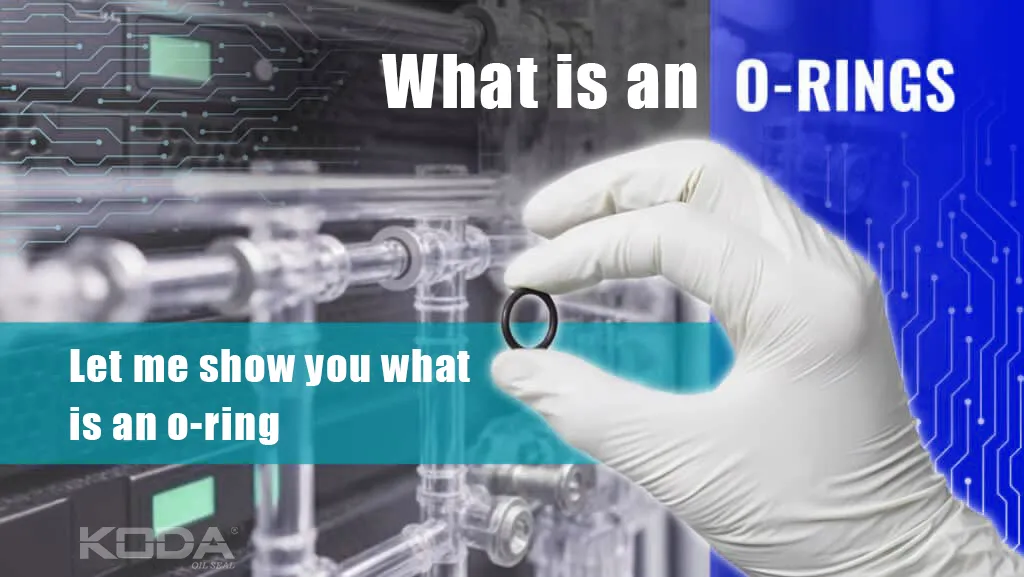
Understanding What an O-Ring Really Is
An O-ring is one of the most widely used sealing components in industrial engineering, automotive systems, aerospace applications, hydraulic equipment and consumer products. Despite its simple appearance, the o-ring plays a critical role in preventing leakage, maintaining pressure and protecting machinery from contamination.
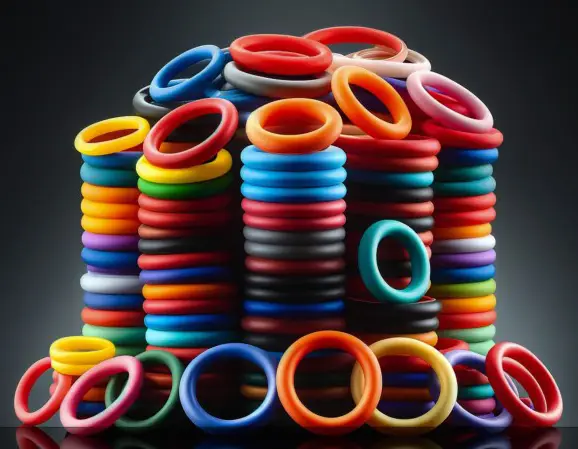
The name “O-ring” comes from its circular cross-sectional shape. This flexible sealing component is designed to fit into grooves between two mating surfaces, where it compresses and creates a reliable seal. O-rings are popular because they are cost-effective, compact, highly efficient and suitable for both static and dynamic applications.
🔍 Quick Definition: An O-ring is a circular elastomer seal used to prevent liquids or gases from leaking between connected mechanical components.
How an O-Ring Works
The working principle of an O-ring is based on compression and elasticity.
Compression Creates the Seal
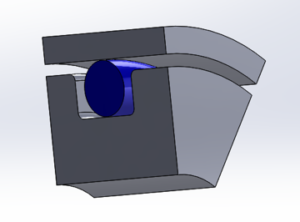
When installed between two surfaces, the O-ring is compressed. This compression creates sealing force that blocks fluids and gases from escaping.
Pressure Improves Sealing Performance
In many systems, internal pressure pushes the O-ring tighter against sealing surfaces, improving effectiveness.
Elastic Recovery
The rubber material allows the O-ring to return to its original shape after compression, maintaining sealing performance over time.
Main Functions of an O-Ring
• Prevent fluid leakage
• Maintain pressure integrity
• Block contaminants
• Reduce maintenance costs
• Improve equipment reliability
Because of their efficiency and versatility, o-ring seals are found in nearly every industrial sector.
Materials Used to Manufacture O-Rings
Different applications require different elastomer materials.
Nitrile Rubber (NBR)
NBR O-rings are highly resistant to oils, fuels and hydraulic fluids.
Silicone Rubber
Silicone O-rings perform well under extreme temperature conditions.
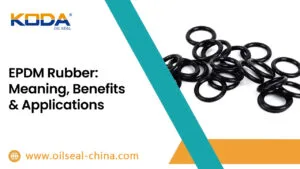
EPDM Rubber
EPDM provides excellent resistance to weather, water and ozone exposure.
FKM / Viton® Materials
FKM elastomers offer outstanding chemical and heat resistance.
🧪 Common O-Ring Materials
Main Types of O-Ring Applications
O-rings are used in both static and dynamic sealing systems.
Static Sealing Applications
Static seals are used where components remain stationary after assembly.
Dynamic Sealing Applications
Dynamic applications involve moving parts such as rotating shafts or hydraulic pistons.
Hydraulic Systems
Hydraulic machinery depends heavily on reliable O-ring sealing performance.
Pneumatic Systems
Pneumatic systems use O-rings to maintain compressed air pressure.
⚙ Common Industries Using O-Rings
• Automotive manufacturing
• Aerospace engineering
• Medical equipment
• Hydraulic machinery
• Electronics production
Modern engineering systems rely on the durability and efficiency of the o-ring for safe and reliable operation.
Advantages of O-Ring Seals
O-rings are widely used because they offer many practical benefits.
Simple Design
Their compact design allows easy integration into many mechanical systems.
Low Manufacturing Cost
O-rings are economical compared to many alternative sealing methods.
Reliable Sealing Performance
Correctly selected O-rings provide excellent sealing efficiency.
Wide Material Availability
Different materials support various temperatures, chemicals and operating conditions.
✔ Key Benefits of O-Rings
• Compact design
• Easy installation
• Excellent sealing ability
• Low maintenance cost
• Broad industrial compatibility
How to Select the Correct O-Ring
Proper selection is critical for achieving long-lasting sealing performance.
Choose the Right Material
The material must match the operating temperature and chemical environment.
Verify Size and Dimensions
Correct inner diameter and cross-section dimensions are essential.
Consider Pressure Conditions
Higher-pressure systems may require specialized sealing designs.
Evaluate Motion Requirements
Dynamic applications may require more wear-resistant compounds.
📏 O-Ring Selection Factors
• Material compatibility
• Operating temperature
• Pressure level
• Groove dimensions
• Motion type
Choosing the proper o-ring improves sealing efficiency and reduces equipment downtime.
Common Causes of O-Ring Failure
Although highly reliable, O-rings may fail under certain conditions.
Improper Material Selection
Incorrect materials may swell, crack or degrade when exposed to chemicals.
Excessive Heat Exposure
High temperatures can harden rubber and reduce elasticity.
Mechanical Damage
Improper installation may cut or tear the sealing surface.
Compression Set
Over time, some elastomers lose their ability to recover after compression.
⚠ Common Failure Causes
• Incorrect sizing
• Heat degradation
• Chemical attack
• Installation damage
• Excessive pressure
The Importance of Proper Installation
Correct installation techniques help maximize seal life.
Clean Installation Surfaces
Contaminants may damage sealing surfaces and create leakage paths.
Avoid Twisting During Installation
Twisted O-rings may fail prematurely under pressure.
Use Compatible Lubricants
Lubrication reduces friction and prevents installation damage.
🛠 Installation Best Practices
• Clean all surfaces
• Lubricate properly
• Avoid sharp edges
• Confirm correct positioning
Professional installation methods significantly improve o-ring reliability.
Why O-Rings Are Essential in Modern Industry
Industrial systems demand reliable sealing performance to maintain productivity and safety.
Improved Operational Reliability
Proper sealing prevents unexpected equipment failures.
Reduced Maintenance Costs
Reliable seals minimize repair frequency and downtime.
Enhanced Safety
Leak prevention helps protect workers and equipment.
Support for Advanced Engineering Systems
Modern machinery depends on precision sealing technologies.
🌍 Industrial Importance of O-Rings
• Prevent system leakage
• Improve equipment efficiency
• Extend machinery lifespan
• Support high-performance applications
Future Trends in O-Ring Technology
The sealing industry continues developing advanced materials and manufacturing technologies.
High-Performance Elastomers
New compounds improve chemical and temperature resistance.
Precision Manufacturing
Improved molding technologies increase dimensional accuracy.
Sustainable Material Development
Eco-friendly elastomer materials are becoming increasingly important.
🚀 Future of O-Ring Engineering
✓ Better chemical resistance
✓ Longer service life
✓ Improved environmental sustainability
✓ Enhanced manufacturing precision
✓ Smarter sealing technologies
Frequently Asked Questions
1. What is an O-ring used for?
An O-ring is used to prevent leakage of liquids or gases between connected mechanical components.
2. What materials are commonly used for O-rings?
Common materials include NBR, silicone, EPDM and FKM elastomers.
3. Why do O-rings fail?
Failure may result from incorrect material selection, heat exposure, installation damage or chemical attack.
4. Can O-rings be used in high-temperature environments?
Yes. Specialized materials such as silicone and FKM are suitable for high-temperature applications.
5. How important is proper O-ring sizing?
Correct sizing is essential for maintaining sealing pressure and preventing leakage.