Proper installation of O-rings is one of the most critical factors in ensuring long-term sealing performance and system reliability. Even the highest quality O-ring can fail prematurely if installed incorrectly. Whether used in hydraulic systems, pneumatic equipment, automotive assemblies, or industrial machinery, following best practices during installation significantly reduces the risk of leakage, damage, and downtime.
This comprehensive guide outlines essential O-ring installation best practices, combining engineering expertise, material science knowledge, and real-world application insights to help professionals achieve optimal sealing results.
📌 Key Principle: Proper installation is just as important as material selection when it comes to O-ring sealing performance and longevity.
Understanding the Role of O-Ring Installation
O-rings function by being compressed between two surfaces, creating a seal that prevents the passage of fluids or gases. The installation process must ensure that the O-ring maintains its shape, integrity, and elasticity throughout operation.
Incorrect installation can lead to:
- Twisting or spiraling
- Surface damage
- Improper compression
- Seal extrusion
- Leakage or failure
Using high-quality O-Ring solutions ensures a strong foundation, but installation precision ultimately determines performance.
Pre-Installation Preparation

Inspect the O-Ring
Before installation, thoroughly inspect the O-ring for defects such as cuts, cracks, surface irregularities, or contamination. Even minor damage can compromise sealing performance.
Check Dimensions and Tolerances
Verify that the O-ring matches the required size and tolerance specifications. Incorrect sizing can result in insufficient compression or excessive stress.
Clean the Installation Area
Ensure that the groove, mating surfaces, and surrounding areas are clean and free from dirt, debris, or sharp edges that may damage the O-ring.
🧼 Preparation Tip: Always clean both the O-ring and installation surfaces using lint-free materials to prevent contamination-related failures.
Lubrication Best Practices
Lubrication plays a crucial role in O-ring installation by reducing friction and preventing damage during assembly.
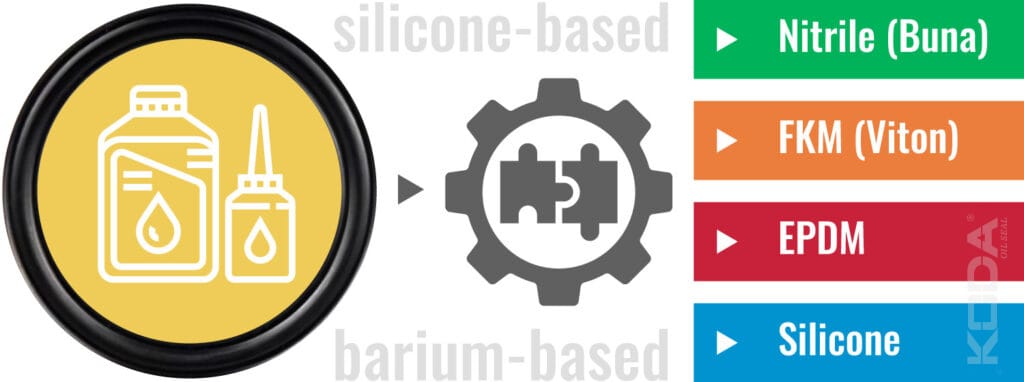
Choose Compatible Lubricants
Use lubricants that are chemically compatible with the elastomer material and operating environment. Incompatible lubricants may degrade the O-ring over time.
Apply Evenly
Apply a thin, uniform layer of lubricant across the entire O-ring surface. Excessive lubrication may cause slippage or contamination.
Properly lubricated O-Ring installations reduce installation force and minimize the risk of tearing or twisting.
💡 Important: Lubrication is especially critical in dynamic applications where friction and movement are present.
Correct Installation Techniques
Avoid Twisting and Stretching
O-rings should be installed without twisting or excessive stretching. Twisting can lead to uneven compression and premature failure.
Use Proper Tools
Specialized installation tools made of plastic or soft materials should be used to avoid damaging the O-ring surface.
Install Evenly
Ensure that the O-ring is seated evenly within the groove without pinching or deformation.
- Avoid sharp edges during installation
- Do not use metal tools that can scratch the surface
- Ensure uniform positioning
🔧 Best Practice: Always use proper installation tools to prevent micro-damage that may not be visible but can lead to failure.
Installation in Static vs Dynamic Applications
Static Applications
In static sealing applications, the O-ring remains stationary once installed. Proper groove fill and compression are essential for maintaining sealing performance.
Key considerations:
- Correct compression ratio
- Proper groove design
- Even seating
Dynamic Applications
Dynamic applications involve movement, such as rotating shafts or reciprocating pistons. Installation must account for friction and wear.
Key considerations:
- Adequate lubrication
- Material wear resistance
- Minimized friction
- Proper alignment
Selecting the right O-Ring for dynamic systems is essential for long-term durability.
Avoiding Common Installation Mistakes
Overstretching the O-Ring
Excessive stretching can permanently deform the O-ring and reduce sealing effectiveness.
Using Sharp Edges
Sharp edges or burrs can cut or nick the O-ring during installation.
Incorrect Lubrication
Using incompatible lubricants may lead to chemical degradation and failure.
Improper Groove Design
Incorrect groove dimensions can result in poor compression and leakage.
⚠️ Warning: Most O-ring failures are caused by improper installation rather than material defects.
Post-Installation Inspection
After installation, a thorough inspection ensures that the O-ring is properly seated and ready for operation.
- Check for visible deformation
- Verify correct positioning
- Ensure no twisting or pinching
- Confirm proper lubrication
Testing the system under controlled conditions helps identify potential issues before full operation.
Storage and Handling Before Installation
Proper storage is essential to maintain O-ring quality prior to installation.
Avoid UV and Ozone Exposure
Store O-rings away from direct sunlight and ozone sources to prevent degradation.
Maintain Proper Temperature
Extreme temperatures can affect elastomer properties even before use.
Prevent Contamination
Keep O-rings in clean, sealed packaging until installation.
📦 Storage Tip: Proper handling and storage ensure that O-rings retain their original performance characteristics until installation.
Advanced Installation Considerations
High-Pressure Systems
In high-pressure environments, proper installation is critical to prevent extrusion and seal failure.
Extreme Temperatures
Installation techniques must account for material expansion and contraction under temperature variations.
Chemical Environments
Ensure compatibility between O-ring materials, lubricants, and operating media.
Using specialized O-Ring solutions designed for extreme conditions improves reliability and safety.
Conclusion
O-ring installation is a critical process that directly impacts sealing performance, system reliability, and maintenance costs. By following best practices such as proper inspection, lubrication, handling, and installation techniques, professionals can significantly reduce the risk of failure.
Understanding the differences between static and dynamic applications, avoiding common mistakes, and performing post-installation inspections further enhances sealing effectiveness. Combined with high-quality materials, proper installation ensures long-term performance and operational efficiency.
Investing time in correct installation procedures for O-Ring systems ultimately leads to improved reliability, reduced downtime, and optimized industrial performance.
Q&A: O-Ring Installation Best Practices
1. Why is lubrication important during O-ring installation?
Lubrication reduces friction, prevents damage, and ensures smooth installation without twisting or tearing.
2. Can I install an O-ring without lubrication?
It is not recommended, especially in dynamic applications, as dry installation increases the risk of damage and failure.
3. What causes O-ring twisting during installation?
Twisting can occur due to improper handling, lack of lubrication, or uneven installation techniques.
4. How do I know if an O-ring is installed correctly?
A properly installed O-ring should sit evenly in the groove without deformation, twisting, or visible damage.
5. What is the most common installation mistake?
Improper handling and lack of lubrication are the most common causes of O-ring installation failure.