Understanding Lubricants for O-Rings
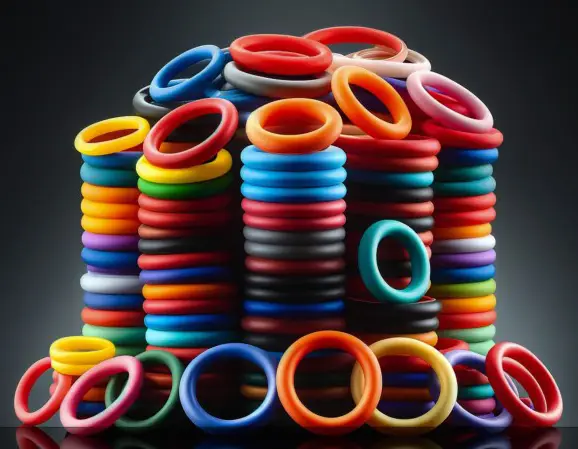
O-rings are essential sealing components widely used in hydraulic systems, pneumatic systems, automotive assemblies, and industrial equipment. Selecting the correct lubricant for O-rings is critical to ensure proper sealing, reduce friction, extend service life, and prevent premature failure. This guide explores the types of lubricants suitable for O-rings, compatibility considerations, and best practices to help you make informed decisions.
Key Insight: Choosing the wrong lubricant can lead to swelling, cracking, or degradation of O-ring materials, ultimately causing seal failure.
Why Lubrication is Important for O-Rings
Lubrication plays a vital role in ensuring that O-rings perform efficiently in dynamic and static applications. Without proper lubrication, O-rings can suffer from excessive wear, tearing, and installation damage.
Primary Benefits of Lubrication
- Reduces friction during installation and operation
- Prevents abrasion and surface damage
- Enhances sealing performance
- Extends service life of the seal
- Improves resistance to environmental factors
Important: Always apply a thin, even layer of lubricant—over-lubrication can attract contaminants and reduce sealing efficiency.
Types of Lubricants for O-Rings
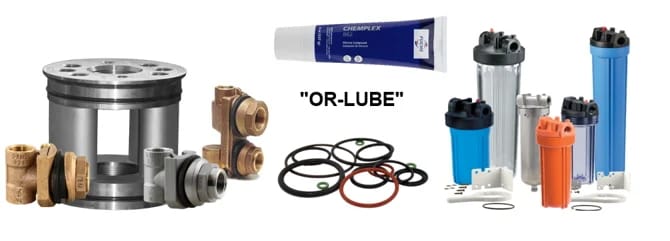
Different applications require different lubricants. The selection depends on operating temperature, pressure, chemical exposure, and O-ring material.
1. Silicone-Based Lubricants
Silicone lubricants are among the most commonly used options for O-rings due to their wide temperature range and compatibility with many elastomers.
They are especially suitable for static seals and applications requiring water resistance.
Advantages
- Excellent temperature stability
- Water-resistant properties
- Non-toxic and safe for food-grade applications
2. Petroleum-Based Lubricants
Petroleum-based oils and greases are widely available and cost-effective, but they are not compatible with all O-ring materials.
Caution: Petroleum lubricants can degrade rubber materials like EPDM, causing swelling or cracking.
3. Fluorinated Lubricants
Fluorinated lubricants (such as PFPE-based greases) offer excellent chemical resistance and are ideal for harsh environments, including aerospace and chemical processing.
4. PTFE-Based Lubricants
PTFE (polytetrafluoroethylene) lubricants provide low friction and high chemical resistance. They are often used in dynamic applications where smooth movement is required.
5. Vegetable-Based Lubricants
These lubricants are environmentally friendly and suitable for food-grade or medical applications. However, they may have limited temperature resistance.
Material Compatibility Considerations
Choosing a lubricant is not just about performance—it must also be compatible with the O-ring material.
Common O-Ring Materials
Compatibility Rule: Always verify chemical compatibility charts before selecting a lubricant for your O-Rings.
Examples of Compatibility
- NBR: Compatible with petroleum oils
- EPDM: Compatible with silicone lubricants, not petroleum
- FKM: Compatible with most synthetic lubricants
- Silicone: Best with silicone-based lubricants
Application-Specific Lubricant Selection
Different industries require specific lubrication strategies to ensure optimal performance.
Hydraulic Systems
Use lubricants that match the hydraulic fluid to prevent contamination and ensure compatibility.
Food and Beverage Industry
Food-grade lubricants (NSF-approved) are mandatory to maintain safety standards.
Automotive Applications
High-temperature and oil-resistant lubricants are preferred for engine and transmission systems.
Medical Equipment
Non-toxic, biocompatible lubricants are essential for medical-grade O-Rings.
Best Practices for Lubricating O-Rings
Proper lubrication techniques are just as important as selecting the right lubricant.
Installation Tips
- Clean the O-ring and groove before applying lubricant
- Apply a thin, uniform coating
- Avoid twisting or stretching excessively
Storage Considerations
Store lubricated O-rings in a cool, dry place away from direct sunlight and ozone exposure.
Pro Tip: Pre-lubricated O-Rings can reduce installation time and improve consistency in assembly processes.
Common Mistakes to Avoid
- Using incompatible lubricants
- Applying excessive lubricant
- Ignoring environmental conditions
- Failing to check manufacturer recommendations
Environmental and Performance Factors
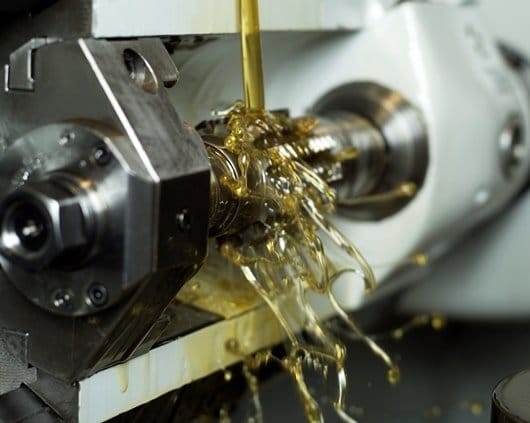
Lubricant performance is influenced by external factors such as temperature, pressure, and chemical exposure.
Temperature Resistance
Ensure the lubricant can withstand the operating temperature range without breaking down.
Chemical Exposure
In chemically aggressive environments, choose lubricants with high resistance to acids, solvents, and fuels.
Pressure Conditions
High-pressure systems require lubricants that maintain viscosity and film strength under stress.
How to Choose the Right Lubricant
To select the best lubricant, consider the following factors:
- O-ring material compatibility
- Operating temperature and pressure
- Exposure to chemicals or fluids
- Application type (static or dynamic)
- Regulatory requirements (e.g., food-grade)
Checklist: Always test lubricant compatibility with your O-Rings before full-scale application.
Q&A:What lubricant for O-rings?
1. What is the best lubricant for O-rings?
The best lubricant depends on the O-ring material and application. Silicone grease is a common choice for general use.
2. Can I use petroleum jelly on O-rings?
Petroleum jelly can be used with certain materials like NBR but should be avoided with EPDM and silicone O-rings.
3. Is silicone grease safe for all O-rings?
No, while silicone grease is widely compatible, it may not be suitable for all materials or high-pressure dynamic applications.
4. How much lubricant should I apply?
Apply a thin, even layer—just enough to reduce friction without excess buildup.
5. Can lubrication extend O-ring life?
Yes, proper lubrication significantly reduces wear and enhances the lifespan of O-rings.