As industrial equipment becomes more sophisticated and operating conditions grow increasingly demanding, traditional sealing materials often struggle to meet modern performance requirements. High temperatures, aggressive chemicals, elevated pressures, ozone exposure, and extended service intervals have pushed sealing technology toward advanced elastomer solutions. Among these materials, Hydrogenated Nitrile Butadiene Rubber (HNBR) has emerged as one of the most reliable choices for critical sealing applications. The HNBR O-ring plays a pivotal role in advanced sealing systems by combining exceptional mechanical strength, thermal stability, chemical resistance, and long-term durability.
From automotive powertrains and oilfield equipment to industrial hydraulics and renewable energy systems, HNBR O-rings are helping engineers achieve higher levels of reliability while reducing maintenance costs and equipment downtime. Understanding the role of HNBR in modern sealing technology can help manufacturers, engineers, and procurement specialists make better material selection decisions for demanding applications.
Advanced sealing solutions increasingly rely on premium HNBR O-ring products to deliver superior performance in environments where conventional elastomers may fail prematurely.
What Is HNBR and Why Is It Different?
HNBR stands for Hydrogenated Nitrile Butadiene Rubber. It is derived from standard NBR (Nitrile Rubber) through a hydrogenation process that significantly improves the polymer’s molecular stability.
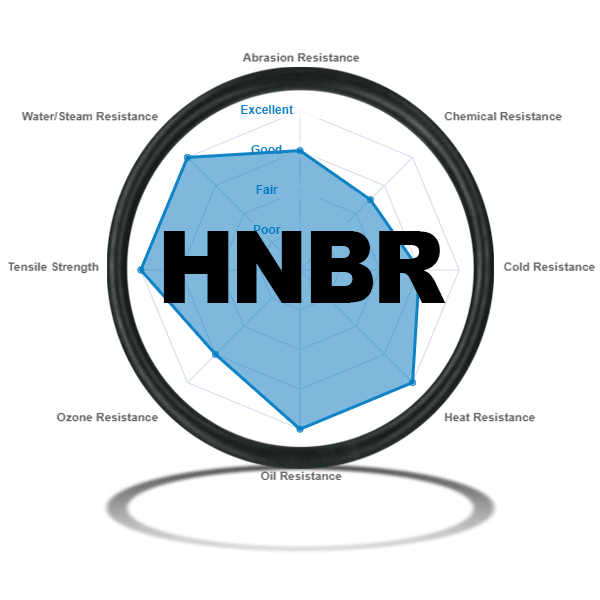
The hydrogenation process reduces the number of vulnerable double bonds within the polymer structure. As a result, HNBR demonstrates substantially better resistance to heat, oxidation, ozone, and aging compared to conventional nitrile rubber.
Key Advantages of HNBR:
✔ Superior heat resistance
✔ Enhanced ozone resistance
✔ Excellent abrasion resistance
✔ Outstanding tensile strength
✔ Improved compression set performance
✔ Long-term durability in harsh environments
These characteristics make HNBR one of the most versatile sealing materials available today.
The Growing Demand for Advanced Sealing Solutions
Modern machinery is expected to operate longer, run more efficiently, and withstand increasingly severe operating conditions. Equipment manufacturers are continuously seeking sealing materials capable of supporting these requirements.
Traditional elastomers often face limitations when exposed to:
• Extreme temperatures
• High-pressure environments
• Aggressive lubricants
• Biofuels and synthetic fluids
• Continuous mechanical stress
The advanced properties of HNBR allow it to bridge the gap between conventional rubber compounds and more expensive specialty materials.
Industry Trend:
As maintenance intervals become longer and equipment reliability standards become stricter, HNBR O-rings are increasingly replacing traditional NBR seals in critical applications.
How HNBR O-Rings Improve Sealing Performance
The effectiveness of any sealing solution depends on its ability to maintain consistent sealing force throughout its service life. HNBR O-rings excel because they retain their mechanical properties under challenging operating conditions.
Enhanced Compression Set Resistance
Compression set occurs when an O-ring permanently deforms after prolonged compression. Excessive compression set reduces sealing force and increases leakage risk.
HNBR materials exhibit excellent compression set resistance, allowing seals to maintain elasticity even after years of service.
Superior Mechanical Strength
Compared with many standard elastomers, HNBR offers significantly higher tensile strength and tear resistance.
This helps prevent mechanical failures in dynamic applications involving vibration, pressure fluctuations, and repetitive movement.
Excellent Wear Resistance
Abrasion is a major concern in hydraulic and pneumatic systems. HNBR’s enhanced wear resistance extends service life and reduces maintenance requirements.
Temperature Resistance: A Major Advantage of HNBR
Temperature extremes represent one of the most common causes of seal degradation. Conventional elastomers may harden, crack, or lose elasticity when exposed to prolonged thermal stress.
HNBR provides an extended operating temperature range that makes it suitable for both hot and cold environments.
Typical Temperature Capabilities:
Standard NBR: -40°C to +120°C
HNBR: -40°C to +150°C (and higher in specialized compounds)
This broader temperature tolerance enables HNBR O-rings to perform reliably in automotive engines, industrial machinery, and energy systems.
Many engineers select a high-performance HNBR O-ring specifically because of its ability to withstand long-term thermal exposure without significant degradation.
Chemical Resistance and Fluid Compatibility
Chemical compatibility is essential for sealing reliability. A seal exposed to incompatible fluids may swell, shrink, harden, or lose structural integrity.
HNBR exhibits excellent resistance to:
• Petroleum oils
• Hydraulic fluids
• Engine lubricants
• Diesel fuels
• Biofuels
• Greases
• Industrial chemicals
This versatility makes HNBR suitable for a wide range of industrial sectors.
Resistance to Modern Automotive Fluids
The automotive industry increasingly uses synthetic lubricants and advanced fuel blends. HNBR performs exceptionally well when exposed to these modern fluid formulations.
HNBR O-Rings in Automotive Applications
Automotive manufacturers are among the largest users of HNBR sealing technology.
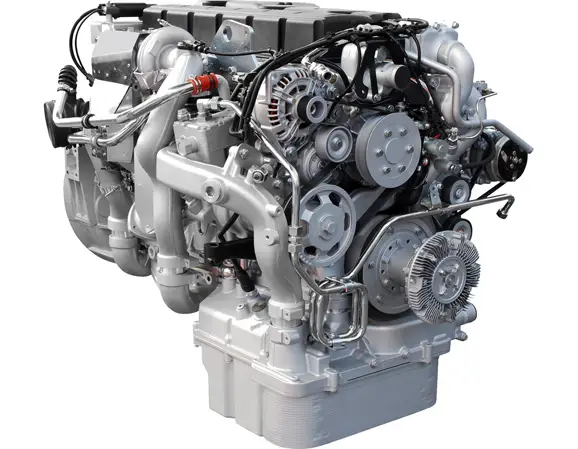
Modern vehicles operate under increasingly demanding conditions due to higher engine temperatures, turbocharging systems, and extended maintenance intervals.
Common automotive applications include:
• Fuel injection systems
• Turbocharger assemblies
• Engine oil systems
• Cooling systems
• Transmission components
• Air conditioning systems
HNBR helps ensure long-term sealing reliability throughout the vehicle lifecycle.
Automotive Benefit:
HNBR O-rings help reduce warranty claims by maintaining sealing performance under extreme temperature and pressure conditions.
The Role of HNBR in Hydraulic Systems
Hydraulic systems demand seals that can withstand pressure fluctuations, fluid exposure, and continuous mechanical movement.
The combination of abrasion resistance and compression set resistance makes HNBR particularly effective in hydraulic equipment.
Typical hydraulic applications include:
• Hydraulic cylinders
• Pumps
• Valves
• Construction equipment
• Agricultural machinery
• Industrial presses
In these applications, a premium HNBR O-ring can significantly extend maintenance intervals and improve operational reliability.
Ozone and Weather Resistance in Outdoor Environments
Outdoor equipment often faces exposure to ozone, ultraviolet radiation, humidity, and fluctuating temperatures.
Standard nitrile rubber can gradually crack when exposed to ozone over extended periods. HNBR’s hydrogenated molecular structure greatly improves resistance to ozone attack.
This advantage makes HNBR an excellent choice for:
• Solar energy systems
• Wind turbines
• Agricultural machinery
• Outdoor hydraulic equipment
• Construction vehicles
How HNBR Supports Sustainable Engineering
Sustainability is becoming a major focus across industrial sectors. Longer-lasting components reduce waste, lower replacement frequency, and minimize resource consumption.
Because HNBR O-rings offer extended service life, they contribute to:
• Reduced maintenance requirements
• Lower material consumption
• Improved equipment efficiency
• Reduced environmental impact
These benefits align closely with modern sustainability initiatives and lifecycle cost reduction strategies.
Material Comparison: HNBR vs Other Elastomers

Understanding how HNBR compares with other sealing materials helps engineers make informed decisions.
HNBR vs NBR
Higher temperature resistance, better ozone resistance, longer lifespan.
HNBR vs EPDM
Better oil resistance, superior mechanical strength.
HNBR vs Silicone
Greater abrasion resistance and tensile strength.
HNBR vs FKM
More cost-effective while providing excellent overall performance.
Best Practices for Maximizing HNBR O-Ring Performance

Even advanced materials require proper engineering practices to achieve maximum service life.
Select the Correct Hardness
Different applications require different Shore A hardness ratings depending on pressure and movement conditions.
Optimize Groove Design
Proper gland dimensions ensure adequate sealing force without causing excessive stress.
Verify Chemical Compatibility
Although HNBR offers broad compatibility, engineers should always confirm fluid exposure requirements.
Use Proper Installation Techniques
Avoid cuts, twists, and excessive stretching during assembly.
Correct application engineering ensures every HNBR O-ring achieves its full performance potential.
Future Developments in HNBR Sealing Technology
Research into advanced elastomer compounds continues to improve the capabilities of HNBR materials.
Emerging innovations include:
• Enhanced biofuel resistance
• Improved low-temperature flexibility
• Advanced wear-resistant formulations
• Reduced friction compounds
• Smart sealing technologies
As industries continue demanding higher performance standards, HNBR is expected to remain a key material in next-generation sealing systems.
Key Insight:
The HNBR O-ring has become one of the most important components in advanced sealing technology. Its unique combination of heat resistance, mechanical strength, chemical compatibility, ozone resistance, and long-term durability allows engineers to design more reliable, efficient, and sustainable systems across numerous industries.
Frequently Asked Questions
1. What does HNBR stand for?
HNBR stands for Hydrogenated Nitrile Butadiene Rubber, an advanced elastomer derived from standard nitrile rubber through hydrogenation.
2. Why are HNBR O-rings better than standard NBR O-rings?
HNBR O-rings offer superior heat resistance, ozone resistance, wear resistance, and longer service life compared to standard NBR seals.
3. What industries commonly use HNBR O-rings?
Automotive, hydraulic, oil and gas, renewable energy, industrial machinery, and agricultural equipment industries widely use HNBR O-rings.
4. Can HNBR O-rings handle high temperatures?
Yes. HNBR typically operates up to 150°C and specialized compounds may perform at even higher temperatures.
5. Are HNBR O-rings suitable for outdoor equipment?
Yes. Their excellent ozone, weather, and aging resistance make them highly suitable for outdoor and environmental exposure applications.