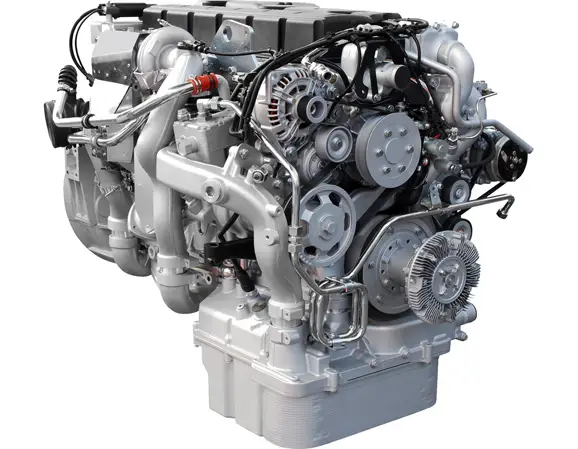
HINO Oil Seal
Categories
Auto Oil Seal
- Auto Oil Seal
- TOYOTA Oil Seal
- Nissan/Honda oil seal
- Isuzu Oil Seal
- MITSUBISHI/FUSO Oil Seal
- SUZUKI Oil Seal
- HYUNDAI/KIA Oil Seal
- HINO Oil Seal
- Ford / Chevrolet Oil Seal
- Peugeot Oil Seal
- VW/Iveco Oil Seal
- PEUGEOT Oil Seal
- LADA Oil Seal
- Caterpillar Oil Seal
- HYUNDAI Oil Seal
- MAZDA Oil seals
- BENZ Oil Seal
- VOLVO Oil Seal
- BPW Oil Seal
- MAN oil Seals
- RENAULT Oil Seals
- SCANIA Oil Seal
- FORD Oil Seal
- MACK Oil Seal
- DAF Oil Seals
- PERKINS Oil Seal
Motorcycle Oil Seal
Agricultural Machine Oil Seal
Construction Machinery Oil Seal
Truck Wheel Hub Oil Seal
Cassette Wheel Hub Oil Seal
Power Steering Oil Seal and Kit
Hydraulic Pump Oil Seal
JCB SEAL KIT
Concrete Mixer Gearbox Oil Seal
Wheel Cylinder Brake Cup Seal
Engine Valve Cover Gasket
Bonded Seals
End Cover Cap Seals
Speak with a Product Expert
Please contact our professional sales team to discuss your application needs. We have dedicated staff available to answer your calls Monday through Friday, from 8:30 AM to 6:00 PM Beijing time.
New Customers:
+86 18730921709
Existing/Repeat Customers:
Email:sales@kodaseal.com
NEWS
What is the difference between an oil gasket and an oil seal?
What Is A Lip Seal?
Seal-High-Temperature-A-Comprehensive-Guide
EPDM Rubber: Meaning, Benefits & Applications
HINO Oil Seal
Reliable sealing is essential to the performance of heavy-duty trucks. In Hino commercial vehicles, oil seals help retain lubricants, protect rotating components from external contaminants, and maintain the operating condition of engines, wheel hubs, axles, and transmission assemblies. When a seal wears out or is incorrectly installed, oil leakage, contamination, and premature component wear may follow.
Choosing the right Hino oil seal involves more than matching a part number or measuring the outside diameter. The replacement must suit the installation location, shaft dimensions, lubricant, operating temperature, rotational speed, and sealing arrangement. This guide explains how to identify, select, and maintain oil seals used in Hino trucks, with practical advice for repair shops, parts distributors, fleet maintenance teams, and industrial buyers.
If you have questions about HINO Oil Seal, please contact us!
Quick Selection Tip
Before ordering a replacement, record the original part number, installation position, shaft diameter, housing bore, seal width, and material requirements. Confirm compatibility against the vehicle’s model, production year, engine or axle configuration, and the applicable parts catalog.
SHOW MORE
What Is a Hino Oil Seal?
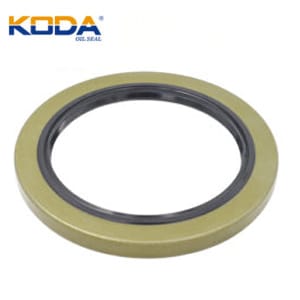
A Hino oil seal is a sealing component used in a compatible Hino vehicle assembly to control lubricant leakage and, depending on its design, prevent dust, water, and other contaminants from entering a protected area.
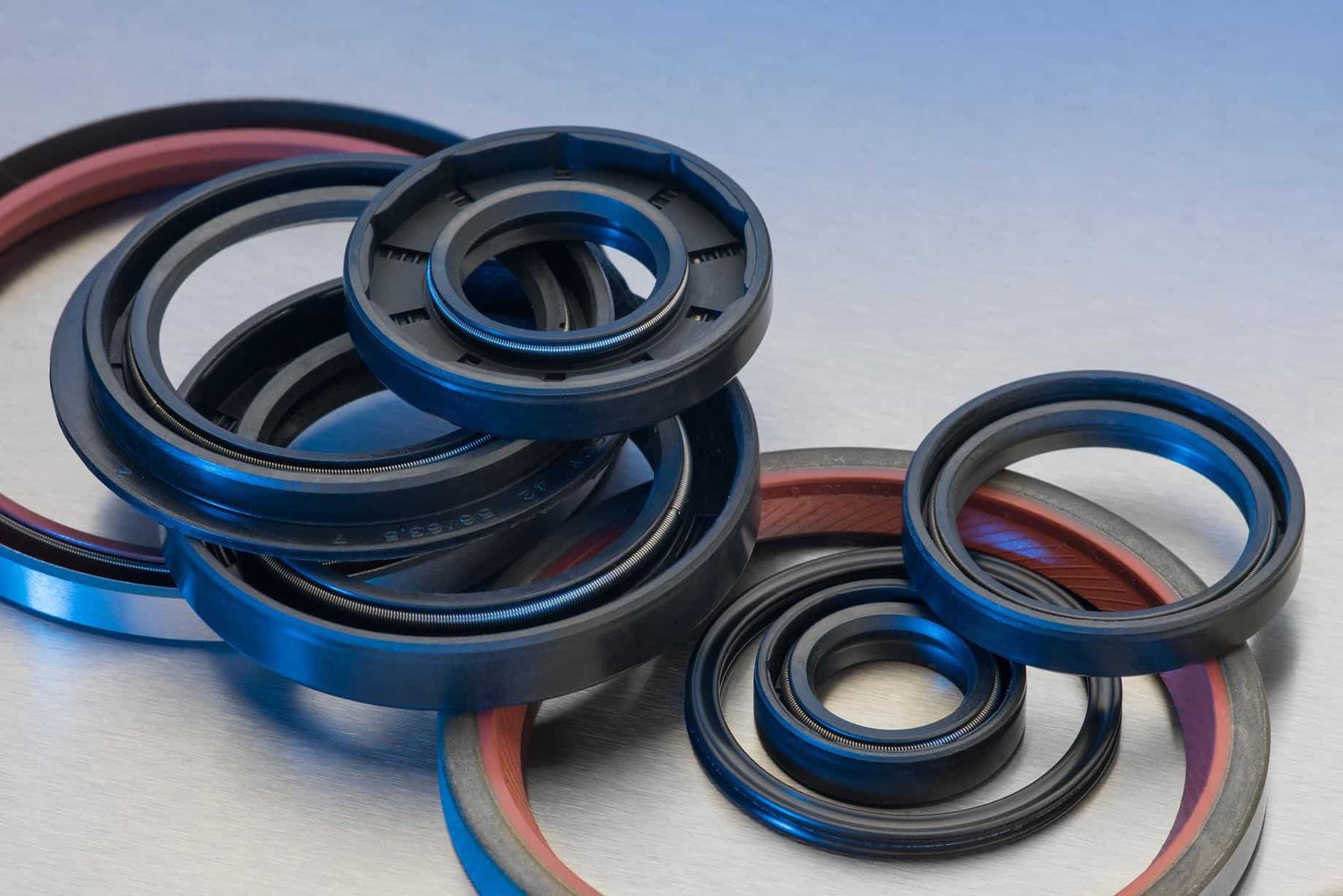
Most conventional rotary shaft oil seals use an elastomeric sealing lip that contacts a rotating shaft. A metal case or reinforced outer section helps retain the seal in its housing, while some designs incorporate a garter spring to maintain radial lip contact. Heavy-duty wheel-end sealing systems may use more complex multi-lip or unitized arrangements.
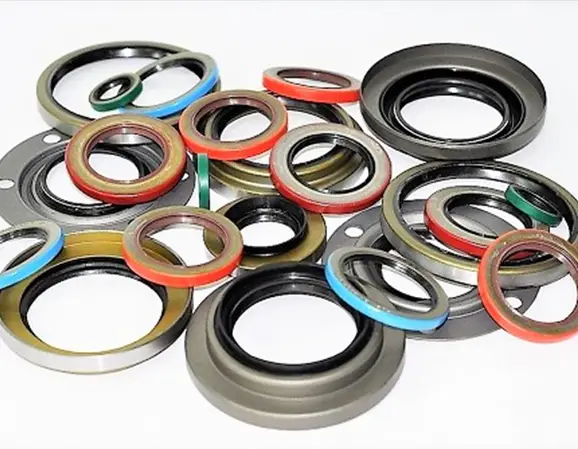
Oil seals are not interchangeable simply because they look similar. Two seals with the same nominal dimensions may differ in lip geometry, material, spring arrangement, installation depth, or intended operating conditions.
Main Functions of Hino Oil Seals
- Lubricant retention: Helps prevent engine oil, gear oil, or bearing lubricant from escaping through rotating interfaces.
- Contamination exclusion: Keeps dust, road debris, moisture, and other contaminants away from sensitive components when the seal design includes the necessary protective features.
- Component protection: Helps maintain lubrication conditions and reduce the risk of premature wear in bearings, shafts, and gears.
- Operational reliability: Supports dependable operation by limiting leakage and contamination-related maintenance problems.
Common Types of Hino Oil Seals and Their Applications
Hino oil seals are used in different vehicle systems, and each location presents distinct sealing requirements. Identifying the installation position is an important first step when choosing a replacement.
Hino Crankshaft Oil Seals
Crankshaft oil seals are installed at the front or rear of an engine to control oil leakage around the rotating crankshaft. Front crankshaft seals are commonly associated with the timing or accessory-drive end, while rear crankshaft seals are positioned near the flywheel and transmission interface.
These seals must accommodate the crankshaft’s surface condition, rotational speed, lubricant exposure, and operating temperature. Depending on the engine design, a replacement may use a conventional elastomeric lip, a specialized low-friction profile, or another manufacturer-specified sealing arrangement.
Maintenance Note
Oil around the engine-to-transmission joint does not automatically confirm a rear crankshaft seal failure. Check for other possible leak sources, including nearby gaskets, housings, and oil supply or return connections, before removing major components.
Hino Wheel Hub Oil Seals
Wheel hub oil seals help retain bearing lubricant and protect wheel-end components from road contaminants. Depending on the axle and hub design, the seal may be positioned between the hub and spindle or integrated into a more complex wheel-end assembly.
Commercial truck wheel-end seals may require more than a simple radial sealing lip. Multi-lip, unitized, or other specialized configurations can provide additional protection against dirt and moisture while maintaining lubricant retention.
When selecting a Hino wheel hub oil seal, verify the axle or hub configuration, seal orientation, mounting dimensions, and any associated sleeve or wear surface. Do not assume that a front hub seal and a rear hub seal are interchangeable.
Hino Axle and Differential Oil Seals
Axle and differential seals help retain gear oil around rotating shafts and axle components. Their performance depends on shaft alignment, surface condition, lubricant compatibility, and the amount of shaft movement or runout.
A leaking axle seal may leave oil around the axle housing, hub, or differential area. However, the visible location of a leak may not identify its exact source. Oil can travel along surrounding surfaces before becoming noticeable.
Hino Transmission and Gearbox Oil Seals
Transmission and gearbox seals are used around input shafts, output shafts, and other rotating interfaces, depending on the transmission design. They help retain transmission lubricant while limiting contamination ingress.
Before replacing a transmission oil seal, inspect the shaft for wear, check for excessive radial movement, and verify that the replacement matches the transmission model and installation dimensions. A new seal may continue leaking if a bearing, shaft, or housing problem remains unresolved.
Hino Oil Seal Materials: How to Choose the Right Compound
The elastomer used in an oil seal affects its resistance to oil, heat, aging, and mechanical wear. Material selection should be based on the actual fluid and operating conditions rather than on a general assumption that one rubber compound is suitable for every Hino application.
| Material | Typical Characteristics | Selection Considerations |
|---|---|---|
| NBR | Commonly used for mineral oils and greases; offers a practical balance of flexibility, wear resistance, and cost. | Confirm the actual temperature range, fluid formulation, and compound grade. |
| HNBR | Offers improved heat and aging resistance compared with many conventional NBR compounds. | Useful where the operating environment demands a higher-performance compound; compatibility must still be verified. |
| FKM | Often selected for higher-temperature applications and resistance to many oils and chemicals. | Check low-temperature flexibility and compatibility with the specific lubricant or additive package. |
| ACM | Used in selected automotive sealing applications involving heat and lubricating oils. | Evaluate cold flexibility, fluid compatibility, and the required mechanical properties. |
Important: The materials listed above are general engineering options, not a confirmation that every compound is approved for every Hino application. Always verify the original specification, fluid compatibility, and temperature limits of the actual compound.
How to Identify the Correct Hino Oil Seal Size
Accurate identification is essential when sourcing replacement Hino oil seals. A seal that is slightly too large, too small, or incorrectly shaped may fail to seat properly or maintain the required sealing contact.
Understand the Basic Dimensions
Conventional rotary shaft oil seals are commonly identified using three nominal dimensions:
d × D × b
Shaft diameter × Housing bore diameter × Seal width
Example: 100 × 120 × 13 mm
This example illustrates the dimension format only. Confirm the complete profile and application before ordering.
- Inner diameter (d): The nominal shaft diameter at the sealing interface.
- Outer diameter (D): The nominal housing bore diameter where the seal is fitted.
- Width (b): The nominal axial width of the seal body.
Some heavy-duty seals use stepped profiles, multiple lips, flanges, or additional dimensional references. A notation such as 100 × 120 × 13/18 may describe a profile with more than one axial dimension. The exact meaning should be confirmed from the drawing or manufacturer’s specification rather than assumed.
Use Part Numbers Alongside Physical Measurements
When possible, identify the original seal using the OEM part number or a verified cross-reference. A part number can help narrow the search, but it should be checked against the vehicle’s exact configuration and the intended installation position.
For example, Hino-related product listings may include identifiers such as SZ311-series numbers and 9828-series numbers. These identifiers should not be treated as interchangeable without a verified application match.
Confirm the Vehicle and Assembly Information
For reliable identification, prepare the following information before requesting a quotation:
- Hino vehicle model and production year
- Engine model, transmission model, or axle specification, as applicable
- Original seal part number or markings
- Installation position: crankshaft, wheel hub, axle, differential, or transmission
- Measured inner diameter, outer diameter, and width
- Seal profile, lip arrangement, and any metal or auxiliary components
- Operating lubricant and temperature range
Procurement Tip
If the original seal is damaged or distorted, measurements may be inaccurate. Use the part number, vehicle identification information, technical drawing, and housing or shaft measurements together whenever possible.
Common Causes of Hino Oil Seal Leakage
Replacing a leaking seal without identifying the root cause can lead to repeated repairs. The following problems are common across rotary shaft sealing systems and should be considered during diagnosis.
| Observed Problem | Possible Cause | Recommended Inspection |
|---|---|---|
| Oil leakage around the shaft | Worn lip, shaft groove, incorrect seal size, or excessive shaft movement | Inspect the sealing track, shaft runout, bearing condition, and seal dimensions. |
| Leakage shortly after replacement | Installation damage, incorrect orientation, wrong seal profile, or a damaged housing | Check lip condition, installation depth, alignment, and housing bore. |
| Hardened or cracked sealing lip | Excessive heat, material incompatibility, aging, or inadequate lubrication | Review lubricant compatibility, operating temperature, and material specification. |
| Dust or moisture inside the assembly | Damaged auxiliary lip, contamination, incorrect seal design, or worn sealing surfaces | Inspect protective lips, sealing surfaces, and the suitability of the seal for the environment. |
| Repeated seal wear | Shaft misalignment, excessive runout, rough surface finish, or bearing wear | Measure shaft condition and alignment; inspect the bearing and housing. |
Hino Oil Seal Installation: Practical Best Practices
Correct installation is essential for achieving the intended sealing performance. Even a properly selected seal can leak if its lip is damaged, its orientation is wrong, or it is installed at an incorrect angle.
Step 1: Prepare the Shaft and Housing
Clean the shaft and housing bore before installation. Remove dirt, corrosion, burrs, and residual sealant where applicable. Inspect the shaft’s sealing track for grooves, scoring, or uneven wear.
If the shaft is damaged, evaluate whether a suitable repair sleeve or another approved repair method is appropriate. A replacement seal alone may not correct a damaged running surface.
Step 2: Verify Seal Orientation
For many conventional rotary shaft seals, the primary sealing lip faces the lubricant being retained. However, the correct orientation depends on the seal design and application. Follow the applicable service instructions and seal drawing, particularly for double-lip and specialized wheel-end seals.
Step 3: Protect the Sealing Lip
Use a suitable installation sleeve or guide when the lip must pass over splines, keyways, threads, or sharp shaft edges. Protect the lip from cuts and deformation during installation.
Step 4: Install the Seal Squarely
Use an appropriate installation tool that applies force evenly to the seal’s intended driving surface. Keep the seal aligned with the housing bore and press it to the specified depth. Avoid direct impacts on the flexible lip or other sensitive areas.
Step 5: Check the Assembly Before Operation
Inspect the seal for distortion, displacement, or visible damage. Confirm that the shaft and housing are properly assembled and that the correct lubricant is present. After reassembly, follow the manufacturer’s operating and leak-check procedures.
Installation Reminder
Do not reuse a seal that has been removed unless the manufacturer explicitly permits it. Many elastomeric seals can be damaged during removal, and their sealing lips may not maintain reliable contact after reinstallation.
How to Extend Hino Oil Seal Service Life
Seal durability depends on the entire sealing system, not only on the rubber compound. The following practices can help reduce avoidable leakage and maintenance interruptions:
- Use the correct replacement: Verify the part number, dimensions, material, and seal profile before installation.
- Maintain proper lubrication: Use the lubricant specified for the relevant engine, axle, or transmission assembly.
- Monitor shaft and bearing condition: Excessive runout, misalignment, or bearing wear can shorten seal life.
- Keep sealing surfaces clean: Prevent dirt and abrasive particles from damaging the lip or shaft.
- Inspect for early leakage: Investigate fresh oil traces, contamination, or abnormal wear before the problem develops further.
- Follow service procedures: Use the correct installation tools, orientation, and seating depth.
Hino Oil Seal Product Range and Example Dimensions
Hino-related oil seal catalogs may include crankshaft seals, wheel hub seals, axle seals, and transmission seals in different profiles and dimensions. The following examples illustrate the types of product information buyers may encounter. They are not a complete fitment catalog or a guarantee of vehicle compatibility.
| Example Part Reference | Listed Dimensions | Application Category |
|---|---|---|
| SZ311-01046 | 138 × 152 × 12 mm | Wheel hub oil seal listing |
| SZ311-01049 | 127 × 147 × 11.5 mm | Wheel hub oil seal listing |
| 9828-00109 | 100 × 120 × 13/18 mm | Rear crankshaft oil seal listing |
Part numbers and dimensions are examples from product listings. Verify the current catalog, complete seal profile, and exact vehicle application before ordering. Cross-reference information should be independently confirmed.
How to Source Hino Oil Seals for Fleet Maintenance and Wholesale Supply
For repair shops, fleet operators, distributors, and parts importers, a consistent identification process helps reduce ordering errors and unnecessary downtime.
Information to Include in a Quotation Request
- OEM part number or verified cross-reference
- Vehicle model, engine or axle configuration, and year
- Installation position and required seal type
- Dimensions and material specification
- Required quantity and expected order frequency
- Technical drawing or clear photographs of the original seal, if available
- Packaging, labeling, and documentation requirements
When evaluating a supplier, ask whether the offered product has been checked against the required drawing and application. For custom or replacement parts, confirm the material grade, dimensional tolerances, inspection requirements, and any agreed performance validation.
For recurring fleet demand, maintaining a verified part-number list and recording previous replacement history can help streamline replenishment and reduce the risk of selecting an incorrect seal.
Frequently Asked Questions About Hino Oil Seals
How do I find the correct Hino oil seal for my truck?
Start with the original part number and installation location. Confirm the vehicle and component configuration, then check the seal’s dimensions, profile, and material against a reliable parts reference or technical drawing.
Can I replace a Hino oil seal with one that has the same dimensions?
Not necessarily. Matching dimensions are only one part of compatibility. The lip design, material, installation depth, shaft surface, and operating conditions must also be suitable for the application.
Which material is commonly used for Hino oil seals?
NBR is widely used in many oil-sealing applications, while HNBR, FKM, and ACM may be selected for particular temperature, fluid, or durability requirements. The correct material depends on the original specification and operating environment.
Why does a new oil seal continue to leak?
Possible causes include installation damage, incorrect orientation, a worn shaft, excessive runout, bearing wear, incorrect dimensions, or a problem elsewhere in the assembly. Diagnose the system before replacing the seal again.
Should a leaking wheel hub oil seal be replaced immediately?
A suspected wheel-end leak should be inspected promptly. Depending on the design, lubricant loss or contamination can affect bearing condition and vehicle safety. Follow the vehicle manufacturer’s service procedures and have the wheel-end assembly checked by a qualified technician.
What information should I send when requesting a Hino oil seal quotation?
Provide the part number, dimensions, installation location, vehicle or component model, material requirements, quantity, and a drawing or photographs if available. This information helps the supplier verify the requested configuration.
Conclusion: Selecting the Right Hino Oil Seal
Choosing a suitable Hino oil seal requires a clear understanding of the installation position, dimensions, sealing profile, material, and operating environment. Whether the application involves a crankshaft, wheel hub, axle, or transmission, correct identification and careful installation are essential to reliable sealing performance.
For buyers and maintenance professionals, the most effective approach is to verify the original part reference, inspect the sealing surfaces, confirm the material and dimensions, and investigate the cause of any previous leakage before fitting a replacement.
Looking for a Hino Oil Seal?
If you are sourcing Hino oil seals for truck maintenance, wholesale distribution, or replacement-part supply, prepare the part number, dimensions, installation position, and required quantity for a more accurate product inquiry.
Request a quotation: Share your technical requirements and ask for confirmation of the seal’s dimensions, material, and application compatibility before placing an order.
 TA oil seal
Oil Seal 40X52X7-TA
- TA oil seal
Oil Seal 100X130X13-TA
- TA oil seal
Oil Seal 75X100X13-TA
- TA oil seal
Oil Seal 48X62X7-TA
- TA oil seal
Oil Seal 125X150X15-TA
- TA oil seal
Oil Seal 120X150X15-TA
- TA oil seal
Oil Seal 120X145X15-TA
- TA oil seal
Oil Seal 115X140X13-TA
- TA oil seal
Oil Seal 100X120X13-TA