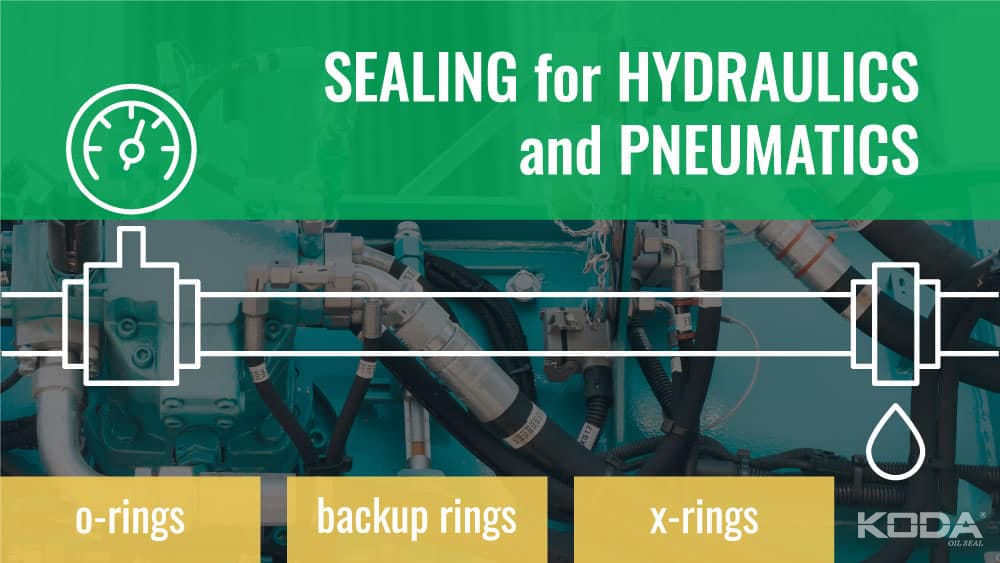
The Importance of Sealing in Hydraulic and Pneumatic Systems
Hydraulic and pneumatic systems are essential across industrial machinery, automotive equipment, aerospace systems, construction equipment and manufacturing automation. In both technologies, effective Sealing is critical for maintaining pressure, preventing leakage and ensuring system efficiency.
Without reliable seals, hydraulic fluids and compressed air can escape, causing pressure loss, contamination, safety concerns and equipment downtime. Modern sealing solutions are engineered to withstand demanding operating conditions while delivering long-term reliability.
🔧 Key Insight: Effective sealing directly impacts efficiency, reliability and service life in hydraulic and pneumatic systems.
Understanding Hydraulic and Pneumatic Systems
Although both systems use fluid power principles, their operating media and sealing requirements differ.
Hydraulic Systems
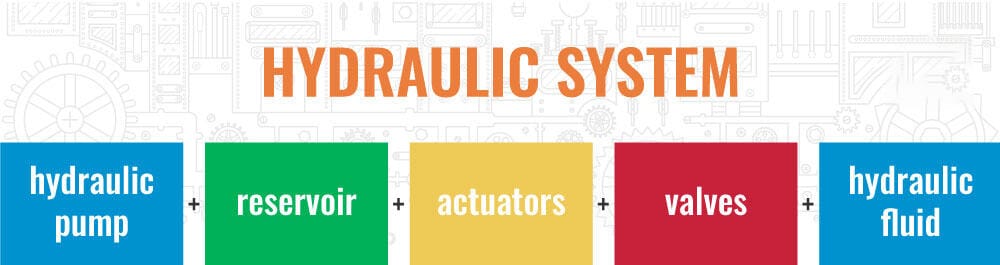
Hydraulic systems use pressurized liquids to transmit force and motion.
Pneumatic Systems
Pneumatic systems use compressed air or gas for motion control and automation.
Shared Dependence on Sealing
Both technologies rely heavily on high-performance sealing components to maintain pressure integrity.
Main Functions of Sealing Systems
• Prevent leakage
• Maintain pressure
• Reduce contamination
• Improve operational efficiency
Reliable Sealing technology is therefore fundamental to fluid power system performance.
Types of Seals Used in Hydraulic and Pneumatic Applications
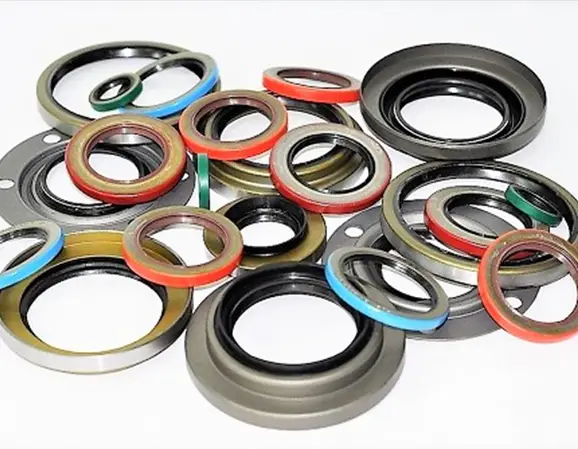
Different sealing designs are selected based on motion type, pressure and environmental conditions.
Rod Seals
Rod seals prevent fluid leakage from hydraulic cylinders or pneumatic actuators.
Piston Seals
Piston seals maintain pressure separation between cylinder chambers.
Wiper Seals
Wipers help exclude dust, dirt and contaminants from entering the system.
Static Seals
Static seals are used between non-moving components to prevent leakage.
Rotary Seals
Rotary seals control leakage around rotating shafts.
✔ Common Seal Types
• Rod seals
• Piston seals
• Wiper seals
• Rotary seals
• Static seals
Why Sealing Is Critical in Hydraulic Systems
Hydraulic systems often operate under extremely high pressure conditions.
Pressure Retention
Proper sealing prevents hydraulic fluid leakage and pressure loss.
Fluid Containment
Leaks can reduce efficiency and create environmental or safety concerns.
Contamination Protection
External contaminants may damage pumps, valves and actuators.
Equipment Longevity
Well-designed seals reduce wear and extend component service life.
⚠ Hydraulic Sealing Challenges
• High pressure loads
• Temperature variation
• Fluid compatibility
• Dynamic motion stress
Advanced Sealing solutions are designed to address these demanding conditions.
Why Sealing Is Essential in Pneumatic Systems
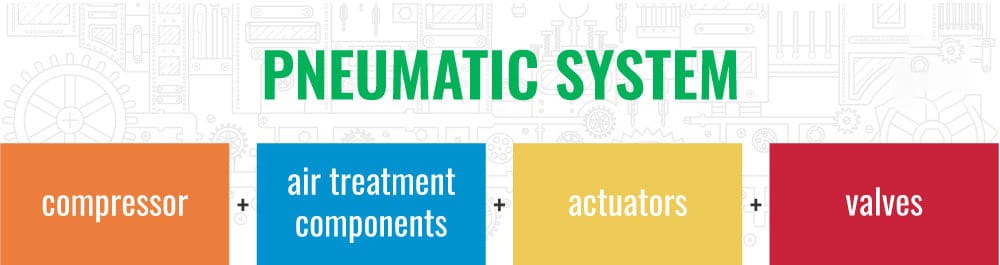
Pneumatic systems may operate at lower pressures than hydraulics, but sealing remains equally important.
Air Leakage Prevention
Compressed air leaks reduce efficiency and increase energy consumption.
Motion Accuracy
Seal performance affects actuator precision and responsiveness.
Noise Reduction
Proper sealing minimizes unwanted air leakage noise.
System Reliability
Stable sealing supports consistent pneumatic control performance.
💨 Pneumatic System Benefits of Good Sealing
• Lower energy loss
• Improved control accuracy
• Reduced maintenance
• Better operational stability
Materials Commonly Used for Hydraulic and Pneumatic Seals
Material selection strongly influences seal performance.
Nitrile Rubber (NBR)
Widely used due to its balance of oil resistance and cost-effectiveness.
Polyurethane (PU)
Offers excellent wear resistance and mechanical strength.
Fluoroelastomer (FKM)
Suitable for high-temperature and chemically demanding environments.
PTFE Materials
Provide low friction and excellent chemical resistance.
Material Selection Factors
• Temperature range
• Fluid compatibility
• Pressure conditions
• Wear resistance
Common Causes of Seal Failure
Seal failures can lead to system inefficiency and downtime.
Improper Installation
Incorrect installation may damage seals before operation begins.
Material Incompatibility
Unsuitable materials may degrade when exposed to fluids or heat.
Excessive Pressure
Pressure beyond design limits can cause extrusion or rupture.
Contamination
Particles and debris may accelerate wear and leakage.
🚨 Common Failure Risks
• Leakage
• Abrasion
• Extrusion damage
• Chemical degradation
High-quality Sealing systems combined with proper maintenance significantly reduce failure risk.
Best Practices for Hydraulic and Pneumatic Sealing
Successful sealing performance requires proper engineering and maintenance.
Select the Correct Seal Design
Seal geometry should match pressure, speed and motion requirements.
Maintain Surface Quality
Proper surface finish helps reduce friction and wear.
Monitor Operating Conditions
Controlling temperature and pressure improves reliability.
Perform Routine Inspection
Preventive maintenance helps detect early wear or damage.
✔ Best Practice Checklist
• Use compatible materials
• Ensure proper installation
• Maintain clean systems
• Inspect seals regularly
Emerging Trends in Fluid Power Sealing
Modern hydraulic and pneumatic systems continue evolving toward greater efficiency and sustainability.
Low-Friction Seal Technologies
Advanced materials help reduce energy consumption.
Smart Maintenance Solutions
Predictive maintenance improves reliability and reduces downtime.
Enhanced Material Engineering
New compounds provide better wear resistance and longer service life.
🚀 Industry Trend: The future of fluid power depends heavily on advanced sealing technologies that improve efficiency and durability.
The Long-Term Value of Effective Sealing
Reliable sealing systems support productivity, safety and cost efficiency in hydraulic and pneumatic applications.
By selecting high-quality materials, optimizing design and following maintenance best practices, businesses can improve system reliability and reduce downtime.
Advanced Sealing technology remains one of the most important factors in achieving long-term performance for modern fluid power systems.
⭐ Key Benefits of Proper Sealing
✓ Improved efficiency
✓ Reduced leakage
✓ Longer equipment life
✓ Lower maintenance costs
✓ Better operational reliability
Frequently Asked Questions
1. Why is sealing important in hydraulic systems?
Sealing prevents fluid leakage, maintains pressure and protects equipment from contamination.
2. What is the difference between hydraulic and pneumatic sealing?
Hydraulic sealing handles liquid pressure, while pneumatic sealing manages compressed air or gas systems.
3. What materials are commonly used for fluid power seals?
Common materials include NBR, polyurethane, FKM and PTFE depending on application requirements.
4. What causes seal failure in hydraulic systems?
Seal failures may result from excessive pressure, contamination, incorrect installation or material incompatibility.
5. How can sealing performance be improved?
Performance improves through proper material selection, accurate installation and regular maintenance.