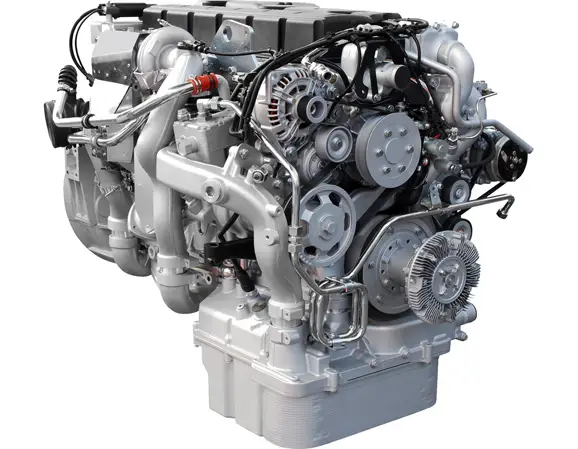
TOYOTA Oil Seal
Categories
Auto Oil Seal
- Auto Oil Seal
- TOYOTA Oil Seal
- Nissan/Honda oil seal
- Isuzu Oil Seal
- MITSUBISHI/FUSO Oil Seal
- SUZUKI Oil Seal
- HYUNDAI/KIA Oil Seal
- HINO Oil Seal
- Ford / Chevrolet Oil Seal
- Peugeot Oil Seal
- VW/Iveco Oil Seal
- PEUGEOT Oil Seal
- LADA Oil Seal
- Caterpillar Oil Seal
- HYUNDAI Oil Seal
- MAZDA Oil seals
- BENZ Oil Seal
- VOLVO Oil Seal
- BPW Oil Seal
- MAN oil Seals
- RENAULT Oil Seals
- SCANIA Oil Seal
- FORD Oil Seal
- MACK Oil Seal
- DAF Oil Seals
- PERKINS Oil Seal
Motorcycle Oil Seal
Agricultural Machine Oil Seal
Construction Machinery Oil Seal
Truck Wheel Hub Oil Seal
Cassette Wheel Hub Oil Seal
Power Steering Oil Seal and Kit
Hydraulic Pump Oil Seal
JCB SEAL KIT
Concrete Mixer Gearbox Oil Seal
Wheel Cylinder Brake Cup Seal
Engine Valve Cover Gasket
Bonded Seals
End Cover Cap Seals
Speak with a Product Expert
Please contact our professional sales team to discuss your application needs. We have dedicated staff available to answer your calls Monday through Friday, from 8:30 AM to 6:00 PM Beijing time.
New Customers:
+86 18730921709
Existing/Repeat Customers:
Email:sales@kodaseal.com
NEWS
What is the difference between an oil gasket and an oil seal?
What Is A Lip Seal?
Seal-High-Temperature-A-Comprehensive-Guide
EPDM Rubber: Meaning, Benefits & Applications
TOYOTA Oil Seal
Automotive oil seals are critical components that ensure engine efficiency, durability, and reliability. In vehicles manufactured by Toyota, oil seals are engineered to meet strict quality and performance standards, supporting long-term operation under diverse driving conditions. From preventing oil leakage to protecting internal components from contaminants, Toyota oil seals play a vital role in maintaining engine and drivetrain integrity.
This comprehensive guide explores the design, function, materials, and applications of Toyota oil seals, along with expert insights into installation, maintenance, and performance optimization.
Choose KODA for your Toyota vehicle oil seals and you can replace expensive brand suppliers!
SHOW MORE
🚗 Key Insight: Toyota oil seals are precision-engineered to deliver long-lasting sealing performance in engines, transmissions, and rotating systems.
What Are Toyota Oil Seals?
Toyota oil seals are specialized sealing components designed to retain lubricants and prevent contaminants from entering mechanical systems. These seals are typically installed around rotating shafts in engines, gearboxes, and axles.
They are essential for maintaining proper lubrication, reducing friction, and preventing premature wear of internal components.
High-quality rear main seal products are among the most critical oil seals used in Toyota engines, ensuring that engine oil remains contained within the crankshaft area.
Key Functions of Automotive Oil Seals
Lubrication Retention
Oil seals prevent lubricants from leaking out of engine and transmission systems, ensuring smooth operation.
Contamination Prevention
They block dirt, dust, and moisture from entering sensitive components.
Friction Reduction
By maintaining proper lubrication, oil seals reduce friction and wear.
System Efficiency
Proper sealing improves overall engine efficiency and performance.
⚙️ Performance Insight: Even a small oil seal failure can lead to significant engine damage if not addressed promptly.
Common Types of Toyota Oil Seals
Crankshaft Oil Seal
Installed at the front and rear of the crankshaft, these seals prevent engine oil leakage.
Camshaft Oil Seal
Ensures proper sealing around the camshaft, maintaining engine timing system integrity.
Transmission Oil Seal
Used in gearboxes to prevent fluid leakage and contamination.
Wheel Hub Oil Seal
Protects wheel bearings by keeping lubricants inside and contaminants out.
Reliable rear main seal components are particularly important for preventing oil leaks at the rear of the engine.
Structure and Design Features
Sealing Lip
The primary sealing element, typically made from elastomer materials, maintains contact with the shaft.
Garter Spring
Provides consistent pressure on the sealing lip for effective sealing.
Metal Case
Ensures structural stability and proper installation within the housing.
Dust Lip
Offers additional protection against external contaminants.
🧩 Design Advantage: Toyota oil seals are engineered with precision tolerances to ensure optimal sealing under dynamic conditions.
Materials Used in Toyota Oil Seals
Nitrile Rubber (NBR)
Provides excellent oil resistance and is widely used in standard applications.
Fluorocarbon Rubber (FKM)
Offers superior heat and chemical resistance for high-performance engines.
Silicone Rubber
Suitable for extreme temperature conditions.
Choosing the correct material is essential for ensuring compatibility with operating conditions and extending seal lifespan.
How Toyota Oil Seals Work
Toyota oil seals function by creating a tight interface between the sealing lip and the rotating shaft. As the shaft rotates:
- The lip maintains contact with the shaft surface
- A thin oil film reduces friction
- The seal prevents leakage and contamination
The garter spring ensures consistent pressure, allowing the seal to adapt to wear and thermal expansion.
🔧 Functional Insight: Proper lubrication and alignment are key to maintaining oil seal performance.
Installation Best Practices
- Clean the installation area thoroughly
- Use proper tools to avoid damage
- Lubricate the sealing lip before installation
- Ensure correct alignment with the shaft
- Avoid excessive force
High-quality rear main seal installation is critical to prevent leaks and ensure long-term reliability.
✔️ Installation Tip: Improper installation is one of the leading causes of oil seal failure.
Common Causes of Oil Seal Failure
Wear and Aging
Over time, elastomer materials degrade due to heat and friction.
Improper Installation
Incorrect installation can damage the sealing lip.
Contamination
Dirt and debris can compromise sealing performance.
Excessive Pressure
High pressure can cause deformation or extrusion.
⚠️ Warning: Regular inspection and timely replacement are essential to prevent major engine issues.
Maintenance and Inspection
Routine maintenance helps extend the lifespan of Toyota oil seals and ensures optimal performance.
- Check for oil leaks
- Inspect seal condition regularly
- Monitor engine performance
- Replace worn seals promptly
Reliable rear main seal performance depends on consistent maintenance practices.
Why Toyota Oil Seals Stand Out
- High manufacturing precision
- Strict quality control standards
- Durability under extreme conditions
- Compatibility with modern engine designs
⭐ Brand Advantage: Toyota oil seals are designed to meet OEM standards, ensuring reliability and long service life.
Conclusion
Toyota oil seals are essential components that ensure the efficiency, reliability, and longevity of automotive systems. Their advanced design, high-quality materials, and precise engineering make them indispensable in modern vehicles.
By understanding their function, structure, and maintenance requirements, vehicle owners and technicians can ensure optimal performance and prevent costly repairs. Investing in high-quality oil seals and following proper installation practices is key to maintaining engine health.
Choosing reliable rear main seal solutions ensures long-term durability and improved vehicle performance.
Frequently Asked Questions
1. What is the function of a Toyota oil seal?
It prevents oil leakage and protects internal components from contaminants.
2. Where are oil seals used in Toyota vehicles?
They are used in engines, transmissions, wheel hubs, and other rotating systems.
3. What materials are used in Toyota oil seals?
Common materials include NBR, FKM, and silicone rubber.
4. What causes oil seal failure?
Wear, improper installation, contamination, and excessive pressure are common causes.
5. How can I extend the life of an oil seal?
Proper installation, regular maintenance, and using high-quality components can significantly extend seal life.
 DLI oil seal
DLI hydraulic dust wiper oil seal 44.45×61.89×9.53
- DLI oil seal
DLI hydraulic dust wiper oil seal 41.27×53.97×7.93
- DLI oil seal
DLI hydraulic dust wiper oil seal 38.10×57.15×9.52
- DLI oil seal
DLI hydraulic dust wiper oil seal 38.10×53.97×7.93
- DLI oil seal
DLI hydraulic dust wiper oil seal 38.10×50.80×7.93
- DLI oil seal
DLI hydraulic dust wiper oil seal 38.10×50.80×6.35
- DLI oil seal
DLI hydraulic dust wiper oil seal 34.93×47.62×7.93
- DLI oil seal
DLI hydraulic dust wiper oil seal 34.93×41.27×3.175
- DLI oil seal
DLI hydraulic dust wiper oil seal 31.75×52.37×9.52