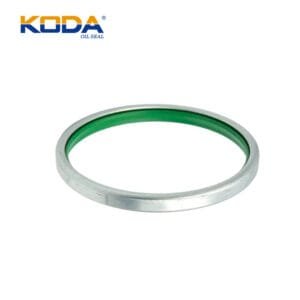
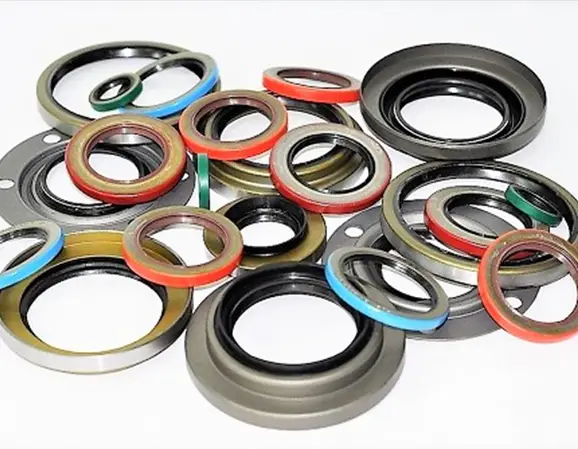
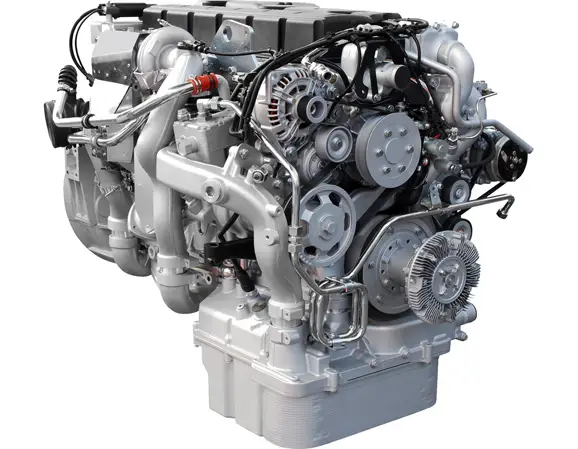
Nissan/Honda oil seal
Categories
Auto Oil Seal
- Auto Oil Seal
- TOYOTA Oil Seal
- Nissan/Honda oil seal
- Isuzu Oil Seal
- MITSUBISHI/FUSO Oil Seal
- SUZUKI Oil Seal
- HYUNDAI/KIA Oil Seal
- HINO Oil Seal
- Ford / Chevrolet Oil Seal
- Peugeot Oil Seal
- VW/Iveco Oil Seal
- PEUGEOT Oil Seal
- LADA Oil Seal
- Caterpillar Oil Seal
- HYUNDAI Oil Seal
- MAZDA Oil seals
- BENZ Oil Seal
- VOLVO Oil Seal
- BPW Oil Seal
- MAN oil Seals
- RENAULT Oil Seals
- SCANIA Oil Seal
- FORD Oil Seal
- MACK Oil Seal
- DAF Oil Seals
- PERKINS Oil Seal
Motorcycle Oil Seal
Agricultural Machine Oil Seal
Construction Machinery Oil Seal
Truck Wheel Hub Oil Seal
Cassette Wheel Hub Oil Seal
Power Steering Oil Seal and Kit
Hydraulic Pump Oil Seal
JCB SEAL KIT
Concrete Mixer Gearbox Oil Seal
Wheel Cylinder Brake Cup Seal
Engine Valve Cover Gasket
Bonded Seals
End Cover Cap Seals
Speak with a Product Expert
Please contact our professional sales team to discuss your application needs. We have dedicated staff available to answer your calls Monday through Friday, from 8:30 AM to 6:00 PM Beijing time.
New Customers:
+86 18730921709
Existing/Repeat Customers:
Email:sales@kodaseal.com
NEWS
What is the difference between an oil gasket and an oil seal?
What Is A Lip Seal?
Seal-High-Temperature-A-Comprehensive-Guide
EPDM Rubber: Meaning, Benefits & Applications
Nissan/Honda oil seal
Oil seals play a critical role in modern automotive systems by preventing lubricant leakage and blocking contaminants such as dust and moisture. Whether used in engines, transmissions, or wheel hubs, high-quality oil seal solutions are essential for maintaining the performance and longevity of vehicles like Nissan and Honda.
KODA is a leading supplier of genuine Nissan/Honda parts. We offer highly competitive online prices and have a knowledgeable and dedicated parts team. KODA is your top choice for purchasing genuine Nissan/Honda parts. Click here to contact us.
SHOW MORE
What Is an Automotive Oil Seal?
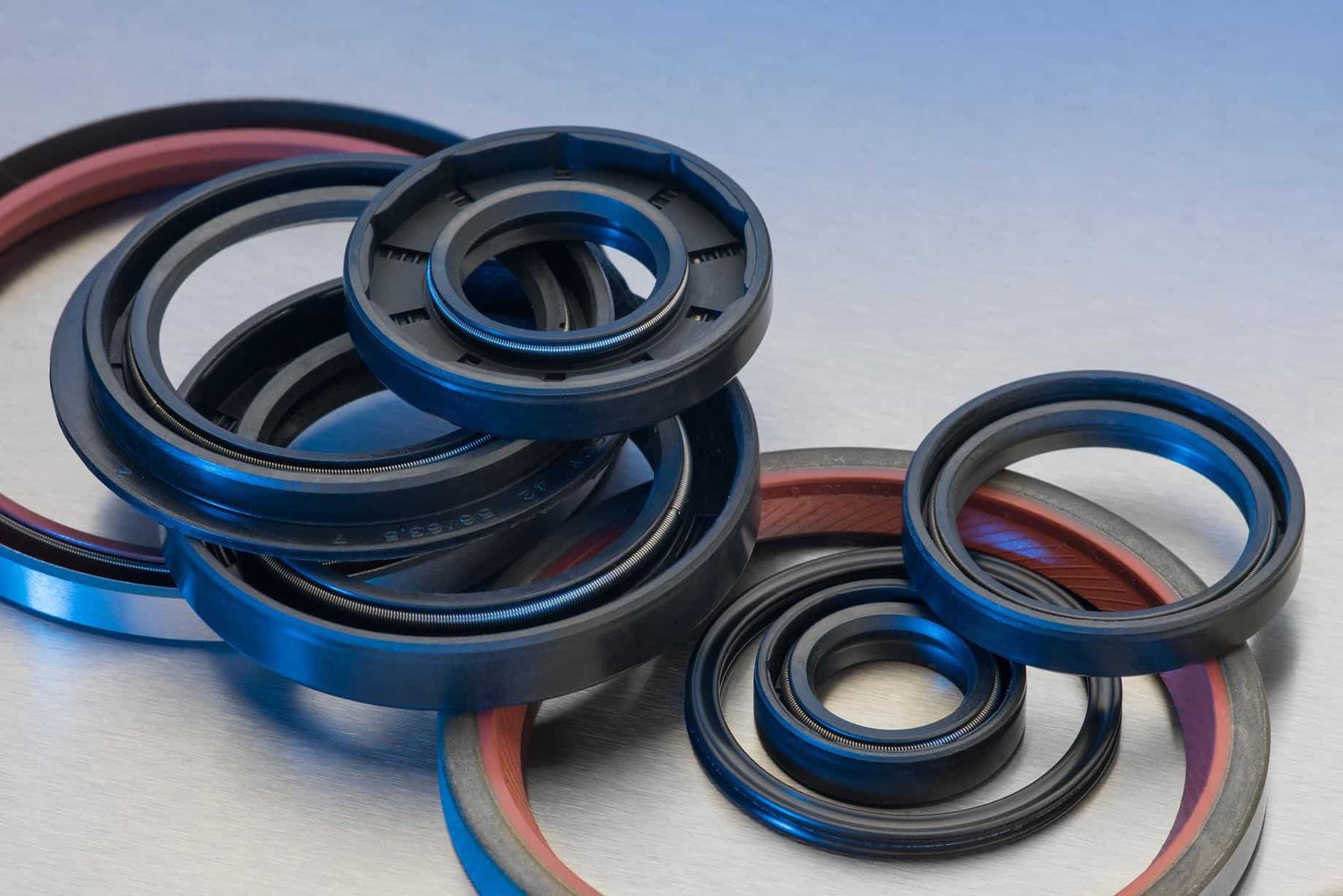
An oil seal, also known as a shaft seal, is designed to retain lubricants while excluding harmful particles. In Nissan and Honda vehicles, oil seals are commonly installed in rotating components to ensure smooth operation and reduce friction. Without proper sealing, engine wear and system failure can occur rapidly.
⚠ Key Function: Maintain lubrication, prevent leakage, and protect internal components from contamination.
Materials Used in Nissan/Honda Oil Seals
Different applications require different materials to withstand temperature, pressure, and chemical exposure. Common materials include NBR (Nitrile Rubber), FKM (Viton), and silicone.
🔧 Important: Choosing the right material for your oil seal ensures durability under extreme automotive conditions.
Common Material Features
NBR: Excellent oil resistance and cost-effective for standard applications.
FKM: High temperature and chemical resistance, ideal for demanding environments.
Silicone: Superior flexibility at low temperatures.
Applications in Nissan and Honda Vehicles
Oil seals are widely used across multiple automotive systems. Their reliability directly impacts vehicle efficiency and lifespan.
🚗 Typical Applications Include:
Engine crankshaft sealing
Camshaft sealing
Transmission systems
Wheel hub assemblies
Each application requires a precisely engineered oil seal to match shaft size, rotational speed, and environmental conditions.
How to Choose the Right Oil Seal
Selecting the correct oil seal involves several critical factors. Improper selection can lead to leakage, premature wear, and costly repairs.
✅ Selection Criteria:
Operating temperature range
Pressure conditions
Shaft speed and surface finish
Compatibility with lubricants
Attention: Always verify specifications when sourcing replacement oil seal components for Nissan or Honda vehicles.
Advantages of High-Quality Oil Seals
Premium oil seals offer several performance benefits that directly impact vehicle reliability.
⭐ Key Benefits:
Extended service life
Improved sealing efficiency
Reduced maintenance costs
Enhanced resistance to wear and heat
Why Quality Matters
Low-quality seals may degrade quickly under high temperatures or pressure. Investing in reliable oil seals ensures consistent performance and reduces downtime.
Installation and Maintenance Tips
Proper installation is essential to maximize the effectiveness of oil seals. Even the best materials can fail if installed incorrectly.
🛠 Best Practices:
Ensure shaft surfaces are clean and smooth
Apply appropriate lubrication during installation
Avoid misalignment or excessive force
Inspect seals regularly for wear or leakage
Routine maintenance helps extend the lifespan of each oil seal and prevents unexpected failures.
Frequently Asked Questions
1. How often should oil seals be replaced?
Replacement depends on usage and conditions, but regular inspection is recommended during maintenance cycles.
2. What causes oil seal failure?
Common causes include improper installation, excessive pressure, high temperatures, and material degradation.
3. Can I use the same oil seal for Nissan and Honda?
Not always. Each model has specific size and performance requirements, so compatibility must be verified.
4. Are high-temperature oil seals necessary?
Yes, especially for engine and transmission applications where heat resistance is critical.
5. How do I ensure proper oil seal installation?
Follow manufacturer guidelines, use proper tools, and avoid damaging the sealing lip during installation.
 DLI oil seal
DLI hydraulic dust wiper oil seal 80×110×8
- DLI oil seal
DLI hydraulic dust wiper oil seal 80×110×4
- DLI oil seal
DLI hydraulic dust wiper oil seal 80×105×8
- DLI oil seal
DLI hydraulic dust wiper oil seal 80×100×10
- DLI oil seal
DLI hydraulic dust wiper oil seal 80×100×8
- DLI oil seal
DLI hydraulic dust wiper oil seal 80×100×7
- DLI oil seal
DLI hydraulic dust wiper oil seal 80×100×6
- DLI oil seal
DLI hydraulic dust wiper oil seal 80×100×5
- DLI oil seal
DLI hydraulic dust wiper oil seal 80×100×4