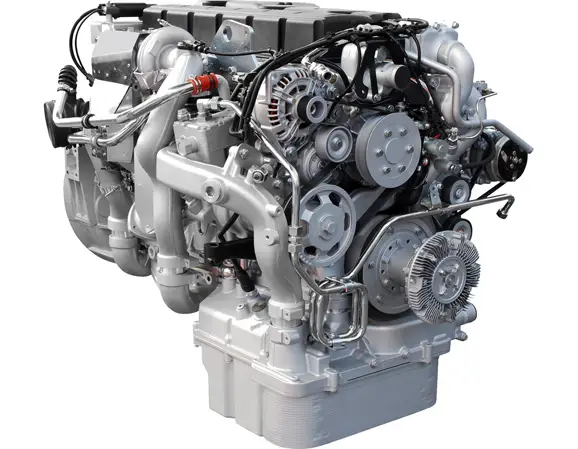
Auto Oil Seals
Categories
Auto Oil Seal
- Auto Oil Seal
- TOYOTA Oil Seal
- Nissan/Honda oil seal
- Isuzu Oil Seal
- MITSUBISHI/FUSO Oil Seal
- SUZUKI Oil Seal
- HYUNDAI/KIA Oil Seal
- HINO Oil Seal
- Ford / Chevrolet Oil Seal
- Peugeot Oil Seal
- VW/Iveco Oil Seal
- PEUGEOT Oil Seal
- LADA Oil Seal
- Caterpillar Oil Seal
- HYUNDAI Oil Seal
- MAZDA Oil seals
- BENZ Oil Seal
- VOLVO Oil Seal
- BPW Oil Seal
- MAN oil Seals
- RENAULT Oil Seals
- SCANIA Oil Seal
- FORD Oil Seal
- MACK Oil Seal
- DAF Oil Seals
- PERKINS Oil Seal
Motorcycle Oil Seal
Agricultural Machine Oil Seal
Construction Machinery Oil Seal
Truck Wheel Hub Oil Seal
Cassette Wheel Hub Oil Seal
Power Steering Oil Seal and Kit
Hydraulic Pump Oil Seal
JCB SEAL KIT
Concrete Mixer Gearbox Oil Seal
Wheel Cylinder Brake Cup Seal
Engine Valve Cover Gasket
Bonded Seals
End Cover Cap Seals
Speak with a Product Expert
Please contact our professional sales team to discuss your application needs. We have dedicated staff available to answer your calls Monday through Friday, from 8:30 AM to 6:00 PM Beijing time.
New Customers:
+86 18730921709
Existing/Repeat Customers:
Email:sales@kodaseal.com
NEWS
What is the difference between an oil gasket and an oil seal?
What Is A Lip Seal?
Seal-High-Temperature-A-Comprehensive-Guide
EPDM Rubber: Meaning, Benefits & Applications
Auto Oil Seal
Auto oil seals are essential components in modern vehicles, designed to retain lubricants and prevent contaminants from entering critical mechanical systems. Despite their relatively small size, oil seals play a crucial role in maintaining engine efficiency, reducing wear, and extending the service life of automotive components.
If you have questions about car sealing, please contact us!
🔧 Key Insight: High-quality oil seals directly impact engine performance, fuel efficiency, and long-term reliability………
SHOW MORE
What Is an Auto Oil Seal?
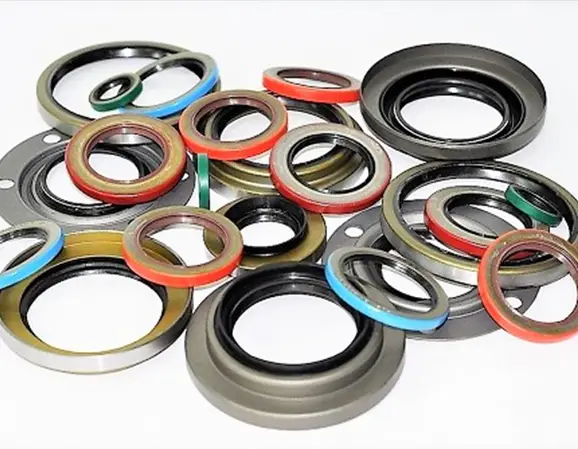
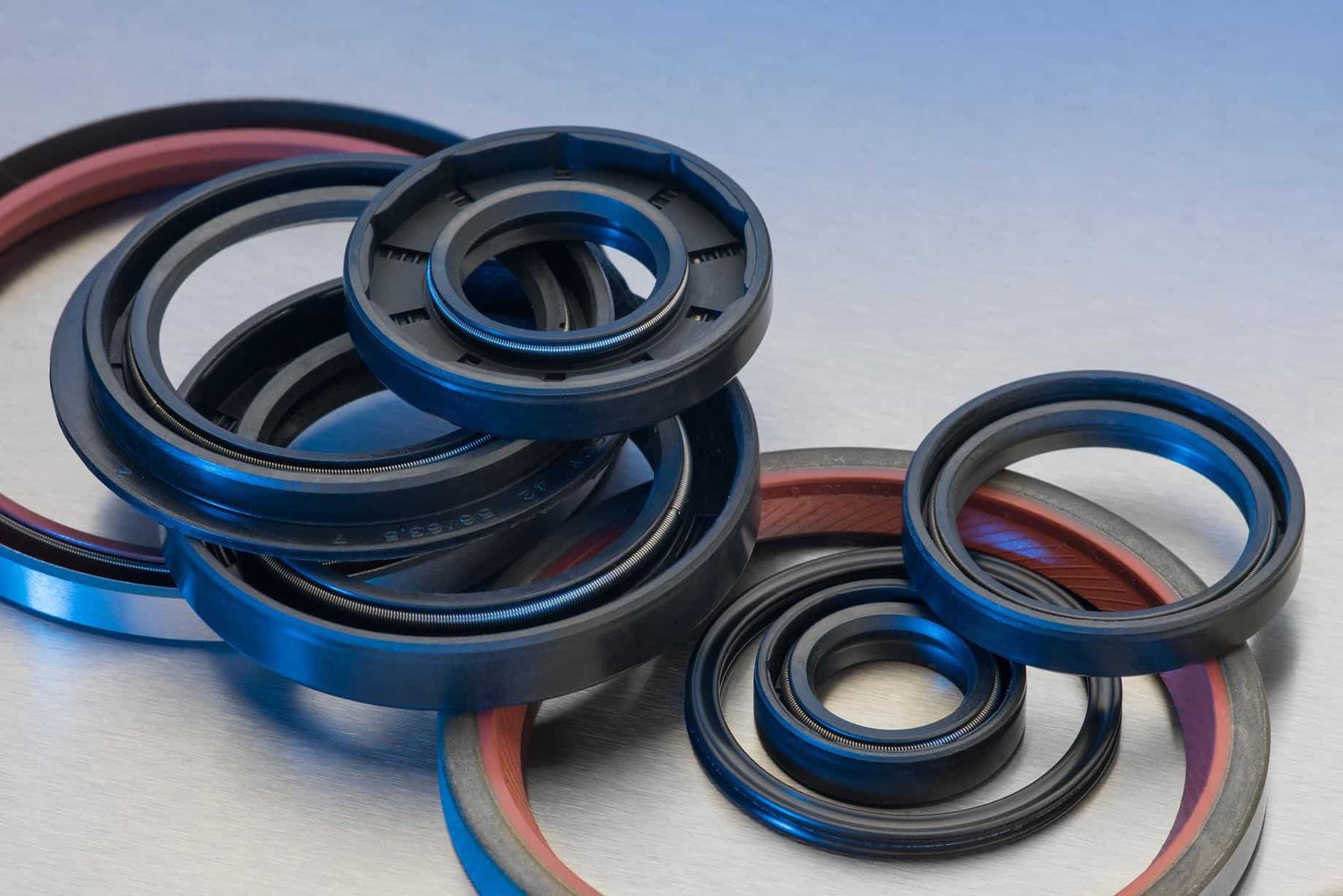
An auto oil seal, also known as a radial shaft seal, is used to close the gap between rotating and stationary components. It ensures that lubricating oil remains inside while preventing dirt, dust, and moisture from entering.
These seals are typically installed in engines, transmissions, axles, and differentials, where they protect moving parts and maintain optimal lubrication conditions.
Functions of Automotive Oil Seals
Preventing Lubricant Leakage
The primary function of an oil seal is to retain lubricants within the system, ensuring smooth operation and minimizing friction.
Blocking External Contaminants
Oil seals act as a protective barrier, preventing dirt, water, and debris from entering sensitive mechanical systems.
Maintaining System Efficiency
By preserving lubrication and cleanliness, oil seals contribute to improved engine efficiency and reduced wear.
⚠️ Important: Even minor oil seal failure can result in significant mechanical damage if left unaddressed.
Types of Auto Oil Seals
Radial Lip Seals
The most common type, featuring a flexible sealing lip that maintains contact with the rotating shaft.
Cassette Seals
Used in heavy-duty applications, offering enhanced protection with multiple sealing elements.
PTFE Seals
Designed for high-performance environments, providing excellent resistance to heat and chemicals.
V-Ring Seals
Typically used as secondary seals to protect against environmental contaminants.
Structure of an Oil Seal
An oil seal consists of several key components:
- Sealing Lip: The main contact point that prevents oil leakage
- Garter Spring: Maintains consistent pressure on the sealing lip
- Metal Case: Provides structural support
- Elastomer Material: Ensures flexibility and durability
📌 Note: The sealing lip design is critical to achieving long-term leak prevention.
Materials Used in Auto Oil Seals
Nitrile Rubber (NBR)
Widely used for general applications due to its cost-effectiveness and good oil resistance.
Fluoroelastomer (FKM)
Offers superior resistance to heat, chemicals, and oxidation.
Silicone Rubber
Suitable for extreme temperatures but less resistant to abrasion.
PTFE (Polytetrafluoroethylene)
Provides exceptional durability in high-performance environments.
🔥 Expert Tip: Choosing the right material significantly extends oil seal lifespan and performance.
Applications in Automotive Systems
Auto oil seals are used across multiple vehicle systems:
- Engine crankshaft (front and rear)
- Camshaft assemblies
- Transmission shafts
- Wheel hubs and axles
- Differential systems
- Steering systems
Each application requires specific sealing characteristics based on speed, pressure, and environmental conditions.
Signs of Oil Seal Failure
Oil Leakage
Visible oil spots under the vehicle or around engine components.
Increased Oil Consumption
Frequent need to refill oil may indicate leakage.
Contamination
Dirt entering the system can lead to accelerated wear.
Burning Smell
Oil leaking onto hot surfaces can produce a noticeable odor.
🚗 Warning: Early detection of oil seal issues can prevent expensive repairs.
Causes of Oil Seal Failure
- Normal wear and aging
- Improper installation
- Excessive heat exposure
- Shaft misalignment or damage
- Chemical incompatibility
❌ Common Mistake: Ignoring shaft surface condition can lead to repeated seal failure.
Installation Best Practices
- Lubricate the sealing lip before installation
- Use proper installation tools
- Avoid damaging the seal edge
- Ensure correct alignment
- Follow torque specifications
🛠️ Best Practice: Proper installation is just as important as selecting a high-quality oil seal.
Maintenance Tips for Longevity
- Perform regular oil changes
- Use high-quality lubricants
- Inspect seals periodically
- Avoid overheating the engine
How to Choose the Right Oil Seal
Selecting the correct oil seal requires evaluating several factors:
- Operating temperature range
- Pressure conditions
- Shaft speed
- Fluid compatibility
- Environmental exposure
📊 Selection Tip: Matching seal specifications with application conditions ensures optimal performance.
Future Trends in Auto Oil Seals
The automotive industry continues to evolve, driving innovation in oil seal technology. Advanced materials, low-friction designs, and integrated sealing systems are improving efficiency and durability. Additionally, sustainability initiatives are encouraging the development of environmentally friendly materials.
Conclusion
Auto oil seals are indispensable components that ensure the smooth operation of modern vehicles. By preventing oil leakage and blocking contaminants, they protect critical systems and enhance overall performance. Understanding their types, materials, applications, and maintenance requirements allows for better decision-making and long-term reliability.
Frequently Asked Questions
1. How long do auto oil seals last?
Typically between 80,000 and 150,000 miles, depending on usage and maintenance.
2. Can I drive with a leaking oil seal?
It is not recommended, as it may cause engine damage.
3. What is the best material for oil seals?
FKM and PTFE are considered high-performance materials for demanding conditions.
4. What causes oil seal failure?
Common causes include wear, heat, improper installation, and contamination.
5. Is replacing an oil seal difficult?
It depends on the location; some are simple, while others require advanced mechanical work.
 DLI oil seal
DLI hydraulic dust wiper oil seal 121.7×146.3×12.7
- DLI oil seal
DLI hydraulic dust wiper oil seal 120×155×8
- DLI oil seal
DLI hydraulic dust wiper oil seal 120×150×12
- DLI oil seal
DLI hydraulic dust wiper oil seal 120×150×8
- DLI oil seal
DLI hydraulic dust wiper oil seal 120×145×8
- DLI oil seal
DLI hydraulic dust wiper oil seal 120×140×10
- DLI oil seal
DLI hydraulic dust wiper oil seal 120×140×8
- DLI oil seal
DLI hydraulic dust wiper oil seal 120×140×7
- DLI oil seal
DLI hydraulic dust wiper oil seal 120×140×6