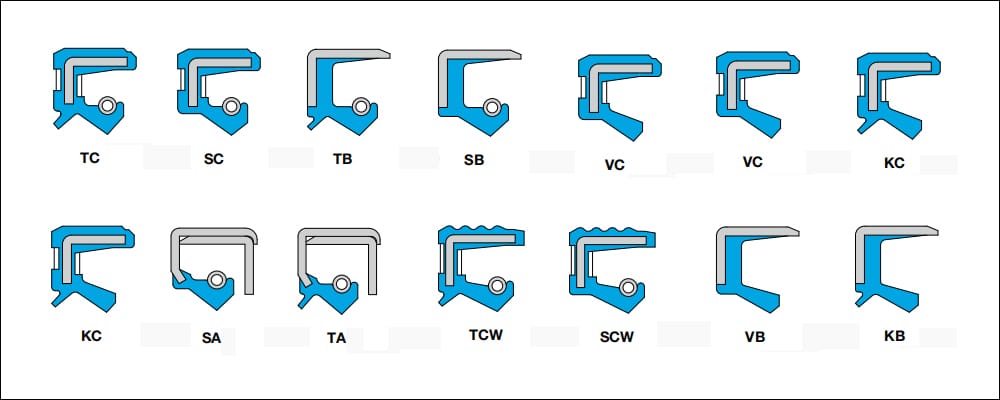
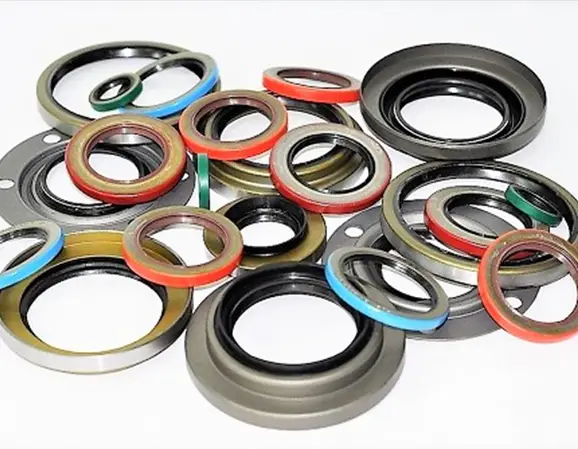
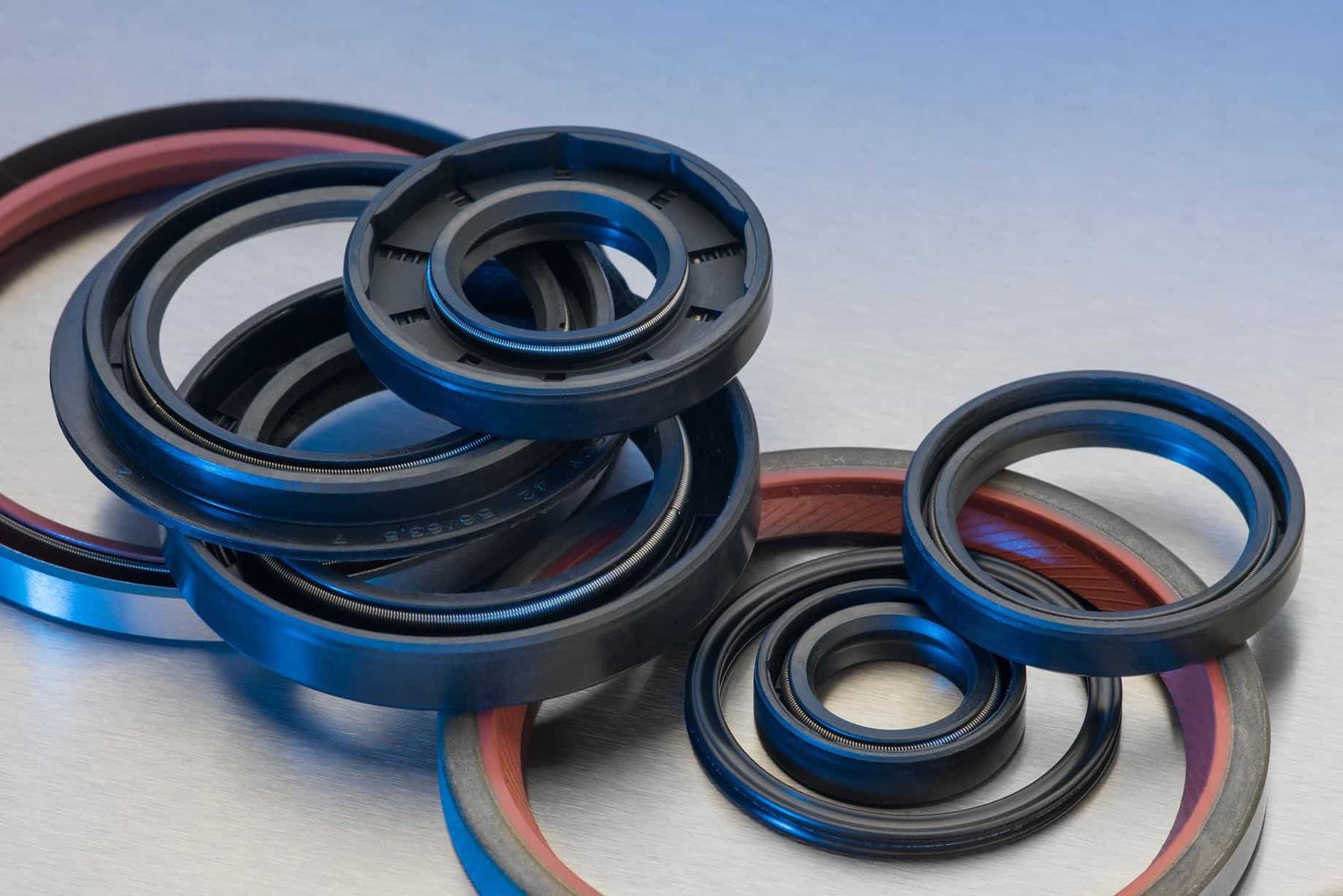
TA Oil Seals Precision Sealing Solutions for Critical Applications
TA Oil Seals Precision Sealing Solutions for Critical Applications
Designed for reliable fluid seals in a variety of mechanical applications.
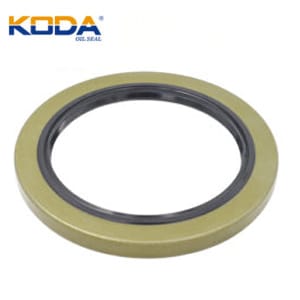
Crafted from high-grade Nitrile (NBR) or Viton/FKM combined with a robust carbon steel or stainless steel framework. This premium construction ensures exceptional wear resistance and stability across a wide temperature range of -40°C to +100°C (up to 120°C for short periods), reliably operating under pressures up to 0.02MPa.
Working principle
The core of TA oil seals lies in the micron-level precision fit between the rubber sealing lip and the rotating shaft. As the shaft rotates, the rubber lip utilizes its elastic deformation to form a stable, dynamic oil film on the contact surface. This oil film not only provides lubrication but also effectively prevents internal fluid leakage.
The optional double-lip design effectively blocks the intrusion of external dust, grit, and corrosive substances, providing a “dust barrier” for your equipment. The robust internal metal frame ensures structural integrity and dimensional stability even under extreme pressure and temperature fluctuations, guaranteeing long-lasting sealing performance.
Application range of TA oil seals
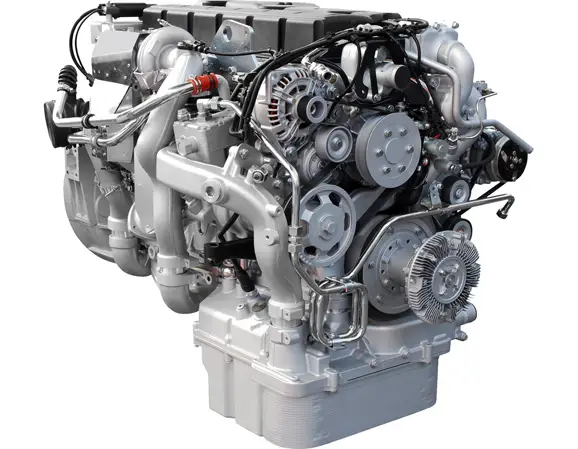
- Automotive: Built for harsh road conditions, our seals perfectly fit transmissions, engines, and axle systems, ensuring efficient and clean power transfer.
- Agriculture: Designed to withstand dust and heavy vibrations, we protect tractors, harvesters, and irrigation equipment, ensuring zero downtime during critical farming seasons.
- Electrical: Optimized for high-speed rotation, our seals are widely used in motors, generators, and power tools, effectively preventing grease leakage and contamination.
- Industrial: Engineered for continuous high-pressure operation, we provide long-lasting sealing for gearboxes, pumps, and compressors, significantly reducing maintenance costs.
Application range of TA oil seals
Frequently Asked Questions
Q1: What precautions should be taken when installing TA Oil Seals?
A: Proper installation is critical for optimal sealing performance:
- Surface Preparation: Ensure the shaft surface is clean, smooth, and free of burrs or rust. A 15°-30° lead-in chamfer is recommended to prevent lip damage.
- Lubrication: Always apply a thin layer of lubricant (oil or grease) to the sealing lip and shaft before installation to minimize friction and prevent dry-start damage.
- Orientation: Install the seal in the correct direction. The sealing lip must face the fluid to be sealed (i.e., the lip faces the oil).
Q2: Can TA Oil Seals be used with corrosive media?
A: Compatibility depends on the rubber compound:
- Standard NBR (Nitrile): Suitable for non-corrosive media such as mineral oils and water glycols.
- FKM (Viton): Designed for harsh environments. It is resistant to acids, alkalis, and strong oxidizing agents. For chemical solvents or corrosive fluids, please select the FKM version.
Q3: How can I tell if a TA Oil Seal needs replacement?
A: Watch for these early warning signs:
- Visible Leakage: Presence of oil seepage or dripping around the seal area.
- Abnormal Noise: Unusual sounds or vibrations coming from the bearing housing during operation.
- Temperature Increase: Excessive heat caused by increased friction.
If any of these symptoms appear, inspect and replace the seal immediately to prevent damage to critical equipment components.