
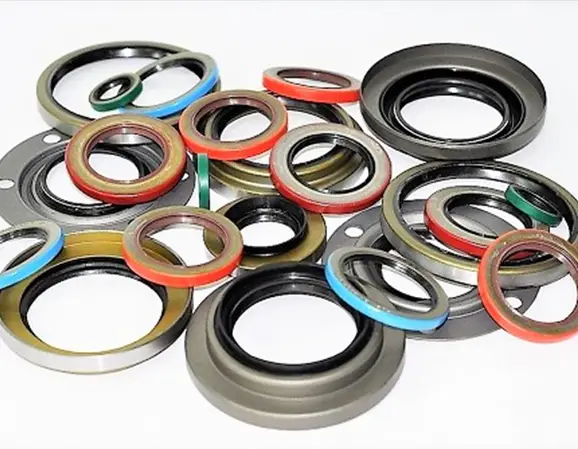
Sealing Construction & How it works
The TA oil seal is engineered with a high-performance elastomer sealing lip that is energized by a precision garter spring, ensuring continuous contact with the rotating shaft. This design maintains optimal sealing pressure despite variations in operating speed, temperature, or mechanical load, providing dependable leakage control throughout the seal’s service life.
A durable metal outer case delivers excellent housing retention and dimensional stability, creating a reliable press-fit that prevents unwanted movement or displacement. This feature is particularly valuable in applications subject to thermal expansion, vibration, or strict assembly tolerances.
The reinforced metal framework increases structural strength and helps the seal withstand deformation under demanding operating conditions. As a result, the TA oil seal performs effectively in heavy-duty equipment, large-diameter shaft applications, and systems exposed to significant radial loads.
An integrated secondary dust lip offers enhanced environmental protection by blocking dust, dirt, water, and other contaminants before they can reach the primary sealing area. This dual-lip configuration helps protect lubrication, reduce wear, and extend equipment reliability in both clean and contaminated operating environments.
Applications
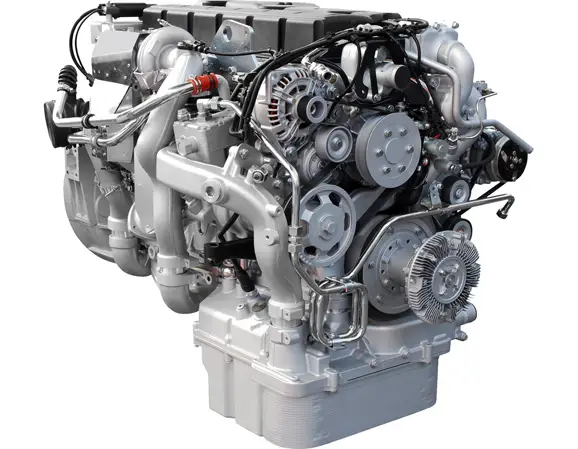
Engineered for challenging industrial environments, the TA oil seal combines effective oil sealing with enhanced contamination protection. It is widely used in gear drives, industrial pumps, electric motors, agricultural machinery, construction equipment, and other systems equipped with rotating shafts that operate under continuous or heavy-duty conditions.
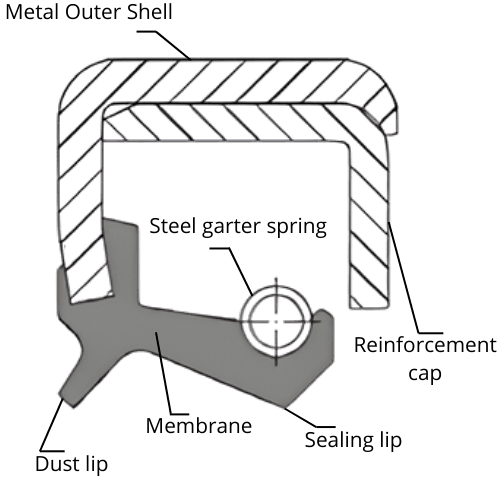
The rigid metal outer shell ensures a secure and accurate fit within the housing, helping the seal maintain its position even when exposed to vibration, thermal expansion, or long operating cycles. This design is especially advantageous in metal housings where higher installation accuracy and structural support are required.
Equipped with an auxiliary dust lip, the TA seal provides an additional barrier against environmental contaminants. Dust, moisture, mud, and other abrasive particles are prevented from reaching the primary sealing interface, helping to maintain lubricant integrity and extend sealing life. This combination of durability and protection makes the TA oil seal a dependable choice for equipment operating in harsh or contaminated environments.
Features & Benefits
The TA oil seal is recognized for its robust metal-cased construction, spring-energized sealing lip, and auxiliary dust-exclusion lip. This combination delivers reliable shaft sealing performance while enhancing resistance to contamination and mechanical stress. Unlike seals with a rubber-covered outer diameter, the TA design offers greater dimensional stability during installation and operation, allowing it to maintain a secure fit in precision-machined metal housings. This advantage becomes particularly valuable in applications exposed to temperature fluctuations, continuous operation, or demanding assembly tolerances.
An additional metal reinforcement element improves the structural rigidity of the seal, helping it withstand deformation under heavy radial loads, high rotational speeds, and prolonged service conditions. As a result, the TA profile is frequently selected for industrial equipment that requires both durability and consistent sealing efficiency.
In complex machinery, different sealing locations often demand different sealing solutions. The TA oil seal can be incorporated into a broader sealing arrangement alongside other rotary shaft seal designs. For example, positions requiring a rigid and highly stable housing fit may benefit from the TA configuration, while locations where vibration absorption or enhanced housing conformity is preferred may utilize rubber-coated alternatives such as TC or TB profiles. In less demanding environments with lower contamination exposure, lighter-duty configurations such as SA or SC seals may provide sufficient performance.
The versatility of the TA design also allows it to be combined with supplementary sealing components. Additional protection against dust, water, and abrasive particles can be achieved through the use of V-rings, axial shaft seals, or other secondary sealing elements. This layered approach helps optimize equipment reliability by matching each sealing position to its specific operating conditions, load requirements, and environmental challenges.
Another advantage of the TA profile is its ability to maintain sealing integrity even when installation conditions are less than ideal. The rigid metal framework supports lip alignment and minimizes distortion during mounting, contributing to stable sealing contact throughout the service life of the equipment.
Because seal manufacturers often use different product codes and naming conventions for equivalent designs, identifying interchangeable replacements can sometimes be challenging. The cross-reference information provided below helps users compare designation systems across various brands and suppliers, making it easier to locate compatible TA-type oil seals for maintenance, repair, or equipment upgrades.
Cross Reference TA oil seals
Manufacturer / Brand | Code(s) / names for TA |
Dichtomatik | WCS |
Anyseals | OS-C11 |
B+S | TR-F |
Chicago R | CRWHA1 |
Elring | CS |
Eriks | GVST |
FP Paris | L2P |
FST | B2 SL |
Gaco | – |
Goetze | 824 S |
Kaco | DFSK |
Kramp | DC |
National | 41 |
Paulstra | CSEL |
Pioneer W | – |
Rolf | – |
Stefa | DC |
Taiwan / NOK | TA |
Vota | B2 SL |
Ebele | B2SL |
Kimman | KCS |
Selecting the Right Oil Seal TA
Selecting a TA oil seal requires careful consideration of both the operating conditions and the dimensional accuracy of the mating components. The shaft diameter, housing bore size, and corresponding manufacturing tolerances must be properly matched to ensure optimal sealing performance. An incorrect fit can reduce sealing efficiency, compromise housing retention, and accelerate wear of the sealing lip.
Material selection should be based primarily on the operating environment. Nitrile rubber (NBR) is commonly chosen for general-purpose applications involving mineral oils and moderate temperatures, while fluoroelastomer (FKM) is better suited for elevated temperatures, higher shaft speeds, and exposure to aggressive chemicals or synthetic lubricants. Evaluating factors such as rotational speed, vibration levels, radial loading, and contaminant exposure is equally important, as these conditions directly influence lip contact stability and long-term seal durability.
Under standard operating conditions, TA oil seals are typically designed to function within temperatures ranging from –40 °C to +100 °C. When synthetic lubricants are present, a continuous operating temperature of approximately +80 °C is generally recommended unless compatibility has been specifically verified. The design is intended for low-pressure or non-pressurized applications, with operating pressures normally not exceeding 0.05 MPa. Maximum shaft speed should be determined according to established rotary shaft seal speed guidelines and application-specific operating parameters.
The quality of the shaft running surface has a major impact on sealing effectiveness and service life. A smooth, wear-resistant contact surface helps maintain a stable lubricant film while minimizing friction and lip degradation. To achieve reliable performance, the shaft should comply with ISO h11 dimensional tolerances, provide a minimum hardness of 45 HRC, and feature a lead-free surface finish. Recommended surface characteristics include Ra values between 0.2 and 0.8 µm, Rz values from 1 to 5 µm, and an Rmax value not exceeding 6.3 µm.
Housing preparation is equally critical. Because the TA design relies on a metal outer diameter, the housing must provide sufficient rigidity and an accurately controlled interference fit. Excessive clearance, surface contamination, or bore irregularities may lead to seal movement, uneven lip loading, or leakage. For best results, the housing bore should conform to ISO H8 tolerances and maintain surface roughness values within Ra 0.8–3.2 µm, Rz 6.3–16 µm, and Rmax ≤ 16 µm.
Proper installation practices further contribute to sealing reliability. The seal should be mounted squarely to the bore using appropriate installation tools, while the sealing lip and shaft surface should be adequately lubricated during assembly. Careful handling helps prevent lip distortion, spring displacement, or surface damage, ensuring that the seal achieves its intended interference fit and delivers consistent performance throughout its operating life.
Material Table
Material | Temperature Range | Media Resistance | Properties |
NBR (Nitrile Rubber) | -30 °C to +110 °C | Standard oils, greases, mineral oils | Good wear resistance, cost-effective, suitable for general industrial applications |
FKM (Fluoro Rubber) | -20 °C to +200 °C | High temperatures, aggressive oils, fuels, chemicals | Excellent chemical resistance, low compression set, ideal for high-duty systems |
ACM (Acrylic Rubber) | -20 °C to +150 °C | Hot oils, ATF fluids | Good heat and oxidation resistance, used in automotive applications |
EPDM | -40 °C to +130 °C | Water, steam, glycol fluids | Not oil-resistant, excellent for water-based applications and weather/ozone exposure |
HNBR (Hydrogenated Nitrile) | -30 °C to +150 °C | Oils, fuels, refrigerants | High mechanical strength and improved heat/chemical resistance compared to NBR |
VMQ (Silicone Rubber) | -50 °C to +180 °C | Mild oils, greases | Very flexible at low temperatures, good thermal stability, lower wear resistance |
The tension spring used in the TA oil seal is typically manufactured from DIN EN 10270-1 spring steel, providing consistent radial force and dependable sealing performance throughout the service life of the seal. For applications involving humidity, corrosive media, or outdoor exposure, stainless steel 1.4301 springs are available to improve corrosion resistance and operational reliability.
The seal’s metal case is generally produced from durable carbon steel meeting DIN EN 10139 specifications, ensuring excellent dimensional stability and secure housing retention. For demanding environments where corrosion protection is a priority, the metal components can also be supplied in stainless steel 1.4301.
If you are unsure which TA oil seal is best suited to your equipment, our specialists are ready to assist. We can help determine the correct dimensions, material compound, and sealing configuration based on your operating conditions, ensuring reliable performance and long service life. Contact us today for professional technical support and product selection advice.