
HSN/HNBR O-Rings
HNBR O-Rings (HSN O-Rings)
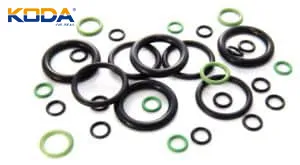
HNBR O-rings, also known as Highly Saturated Nitrile (HSN) O-rings, are an advanced version of standard NBR rubber. Through a hydrogenation process, the molecular structure of nitrile rubber is strengthened, significantly improving heat resistance, ozone resistance, chemical stability, and mechanical performance. As a result, HNBR is often selected for applications where traditional NBR O-rings cannot deliver sufficient service life.
Why Choose HNBR O-Rings?
Improved Resistance Compared with Standard NBR
While NBR remains a popular sealing material for petroleum-based oils and fuels, HNBR provides additional protection against:
- Elevated temperatures
- Ozone exposure
- Oxidation
- Abrasion and wear
- Dynamic operating conditions
This makes HNBR particularly suitable for equipment operating continuously under demanding conditions.
Excellent Mechanical Strength
One of the key advantages of HNBR is its combination of elasticity and durability. The material offers:
✓ High tensile strength
✓ Outstanding wear resistance
✓ Good compression set performance
✓ Enhanced resistance to dynamic movement
For hydraulic systems, rotating equipment, and automotive sealing applications, these properties can significantly extend maintenance intervals.
Temperature Range
| Property | Typical Value |
|---|---|
| Low Temperature | -40°C |
| Continuous Temperature | +150°C |
| Short-Term Peaks | Up to +165°C (compound dependent) |
| Hardness Range | 70–90 Shore A |
Compared with conventional NBR, HNBR provides improved performance at higher operating temperatures while maintaining excellent oil resistance.
Chemical Compatibility
Recommended Media
HNBR O-rings perform well with:
✓ Petroleum-based oils
✓ Diesel fuel
✓ Lubricating oils
✓ Hydraulic fluids
✓ Ethylene glycol
✓ Silicone oils and greases
✓ Water and steam (up to approximately 150°C)
✓ Diluted acids and alkalis
Not Recommended For
HNBR is generally not suitable for:
✗ Ketones
✗ Esters
✗ Ethers
✗ Chlorinated hydrocarbons
✗ Concentrated acids
Using HNBR with incompatible chemicals may lead to swelling, softening, or premature seal degradation.
HNBR O-ring compound
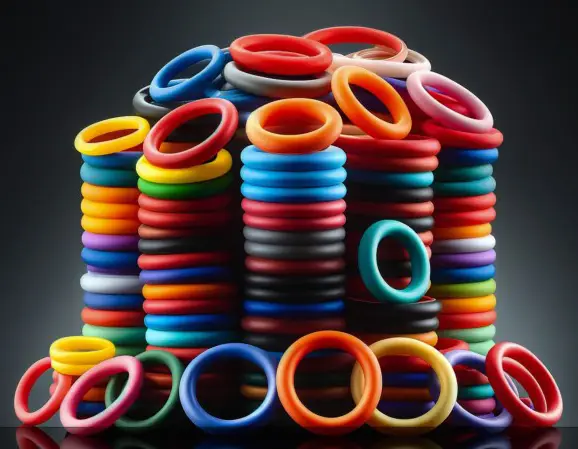
| Compounds | Durometer | Color | Temp Range (F) | Description |
|---|---|---|---|---|
| H90-B701 | 90 | Green | -40 to +303 | Heat/Chemical resistance |
| H90-B103 | 90 | Black | -67 to +302 | Rapid gas decompression resistance, Low temperature resistance |
| H90-B102 | 90 | Black | -13 to +302 | Rapid gas decompression resistance |
| H90-B101 | 90 | Black | -40 to +302 | Heat/Chemical resistance |
| H80-B701 | 80 | Green | -40 to +303 | Heat/Chemical resistance |
| H80-B101 | 80 | Black | -40 to +302 | Heat/Chemical resistance |
| H70-B701 | 70 | Green | -40 to +303 | Heat/Chemical resistance |
| H70-B101 | 70 | Black | -40 to +302 | Heat/Chemical resistance |
How to Select the Right HNBR O-Ring
Before specifying an HNBR seal, consider:
- Operating temperature range
- Fluid or chemical compatibility
- Pressure conditions
- Dynamic or static sealing requirements
- Required hardness (70, 80, or 90 Shore A)
For high-pressure oil and gas applications, RGD-resistant HNBR compounds can provide improved reliability and reduced seal failure risk.
Preferred Environmental Guidelines for Hydrogenated Nitrile Rubber O-rings
Performs Well In:
- Petroleum-based oils and fuels
- Aliphatic hydrocarbons
- Vegetable oils
- Silicone oils and greases
- Ethylene glycol
- Dilute acids, alkalis, and salt solutions at suitable temperatures
Water, steam (maximum temperature tolerance: 150℃/300℉)
Doesn't Perform Well In:
- Chlorinated hydrocarbons
- Ketones
- Diethyl ethers
- Esters
- Strong acids