
Neoprene O-Rings
Neoprene O-Rings (CR O-Rings)
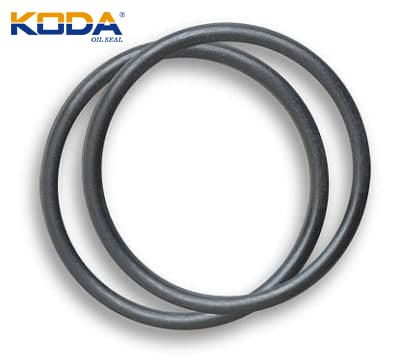
Neoprene O-rings, also known as Chloroprene (CR) O-rings, are versatile sealing elements that offer a balanced combination of oil resistance, weather resistance, and mechanical durability. While materials such as NBR and EPDM often dominate specific applications, Neoprene remains an excellent choice when equipment is exposed to outdoor environments, refrigerants, water, and moderate oil contact.
What Is Neoprene?
Neoprene is a synthetic rubber developed from chloroprene polymer. It was among the first commercially successful synthetic elastomers and is still widely used across industrial sealing applications due to its well-rounded performance profile. Unlike materials designed for only one type of media, Neoprene provides a practical balance between chemical resistance, weather resistance, and cost.
Key Advantages of Neoprene O-Rings
Excellent Resistance to Weather and Ozone
Neoprene performs well in outdoor environments where UV exposure, ozone, and changing weather conditions can rapidly degrade other elastomers. This makes it suitable for:
- Outdoor electrical enclosures
- HVAC equipment
- Marine components
- Utility infrastructure
Strong Refrigerant Compatibility
One of the most common uses for CR O-rings is refrigeration equipment. Neoprene demonstrates good compatibility with ammonia and various refrigerants, making it a preferred material in cooling systems and refrigeration machinery.
Good Mechanical Strength
Compared with many general-purpose elastomers, Neoprene offers:
- Good abrasion resistance
- High toughness
- Good flex-crack resistance
- Moderate oil resistance
These properties help extend seal life in industrial environments.
Temperature Range
| Property | Value |
|---|---|
| Low Temperature | -40°C |
| Continuous High Temperature | +100°C |
| Short-Term Peaks | Up to +120°C (compound dependent) |
For applications above 120°C, FKM or FFKM materials are generally recommended.
Chemical Compatibility
Recommended Media
Neoprene O-rings typically perform well with:
✓ Water
✓ Ammonia
✓ Refrigerants
✓ Silicone oils and greases
✓ Mild mineral oils
✓ Ozone and weather exposure
Not Recommended For
Neoprene should generally be avoided in systems containing:
✗ Aromatic hydrocarbons
✗ Ketones
✗ Esters
✗ Ethers
✗ Strong oxidizing acids
✗ Chlorinated solvents
Using CR O-rings in these environments may cause swelling, hardening, or premature seal failure.
How to Choose the Right Neoprene O-Ring
Before specifying a CR O-ring, verify:
- Operating temperature range
- Refrigerant or fluid compatibility
- Required hardness (typically 70 Shore A)
- Exposure to UV and outdoor conditions
- Pressure and sealing design requirements
If the application involves aggressive chemicals or temperatures above 120°C, alternative materials such as FKM, HNBR, or FFKM may provide better long-term performance.
Analysis of the environmental adaptability and application scenarios of chloroprene rubber O-rings
Performs Well In:
- Refrigerant
- Ammonia
- Water
- Silicone grease, silicone oil
- High aniline point mineral
Doesn't Perform Well In:
- Aromatic hydrocarbons
- Ketones
- Esters
- Ethers
- Strong oxidizing acids
- Chlorinated hydrocarbons