This office is closed on weekends. We are open Monday through Friday at 8:00 AM (Central Standard Time).

+8618730921709 | Hours:8am-6pm csT, Monday-Friday​

FFKM O-Rings

FFKM O-Rings​

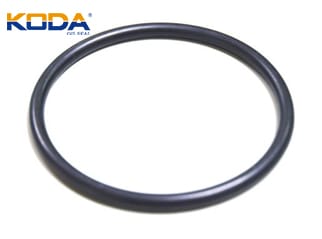
KODA-PERFREZ-FFKM-O-Ring

When conventional elastomers begin to fail due to aggressive chemicals, elevated temperatures, or demanding process conditions, FFKM O-rings become the preferred choice.Perfluoroelastomer (FFKM) combines the chemical inertness typically associated with PTFE with the elasticity of rubber, allowing it to maintain reliable sealing performance where materials such as NBR, EPDM, HNBR, and even standard FKM reach their limits. FFKM compounds are widely used in semiconductor manufacturing, pharmaceutical production, chemical processing, aerospace systems, and high-performance oil & gas operations.

What Is FFKM?

FFKM stands for Perfluoroelastomer, a fully fluorinated elastomer engineered for the most demanding sealing environments.

Unlike traditional fluoroelastomers, FFKM contains a highly fluorinated molecular structure that delivers exceptional resistance to:

  • Strong acids
  • Aggressive solvents
  • Ketones
  • Amines
  • Oxidizing chemicals
  • Process gases
  • High-temperature steam
  • Plasma environments

Because of this unique chemistry, FFKM is often considered the highest-performance elastomer available for industrial sealing applications.

Why Do Engineers Choose FFKM O-Rings?

Near-Universal Chemical Resistance

One of the most common causes of O-ring failure is chemical attack.

Many elastomers swell, crack, harden, or lose elasticity when exposed to aggressive process media. FFKM compounds are specifically developed to withstand thousands of chemical substances while maintaining their sealing properties. Certain premium grades are reported to resist more than 1,600–1,800 chemicals.

Exceptional High-Temperature Stability

Many sealing materials lose elasticity as temperatures increase.

FFKM compounds can operate continuously at temperatures far beyond standard elastomers. Depending on the formulation, some grades are capable of temperatures approaching 300°C–327°C while maintaining sealing integrity.

This makes FFKM particularly valuable in:

  • Chemical reactors
  • Semiconductor equipment
  • Autoclaves
  • Sterilization systems
  • High-temperature pumps
  • Vacuum processing chambers

Superior Compression Set Resistance

Compression set is a critical factor affecting seal longevity.

A material with poor compression set gradually loses its ability to recover after being compressed, eventually causing leakage.

Premium FFKM compounds are engineered for low compression set performance at elevated temperatures, allowing them to maintain sealing force for extended service intervals.


Reduced Downtime and Maintenance Costs

Although FFKM is more expensive than conventional elastomers, many facilities choose it because seal failures can cost significantly more than the initial seal investment.

Benefits include:

  • Fewer maintenance shutdowns
  • Extended service intervals
  • Reduced replacement frequency
  • Lower contamination risk
  • Improved equipment uptime

This is particularly important in semiconductor fabrication, pharmaceutical production, and specialty chemical manufacturing.

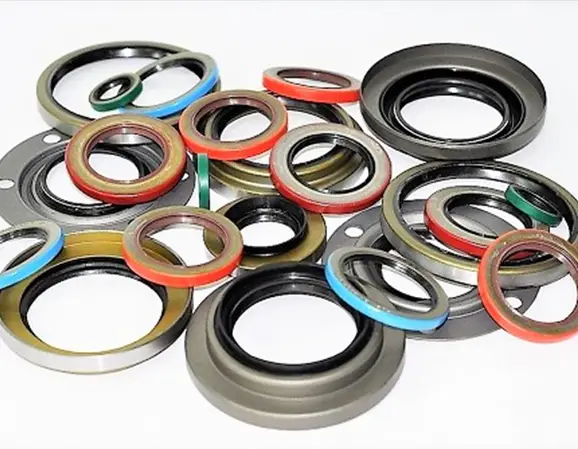
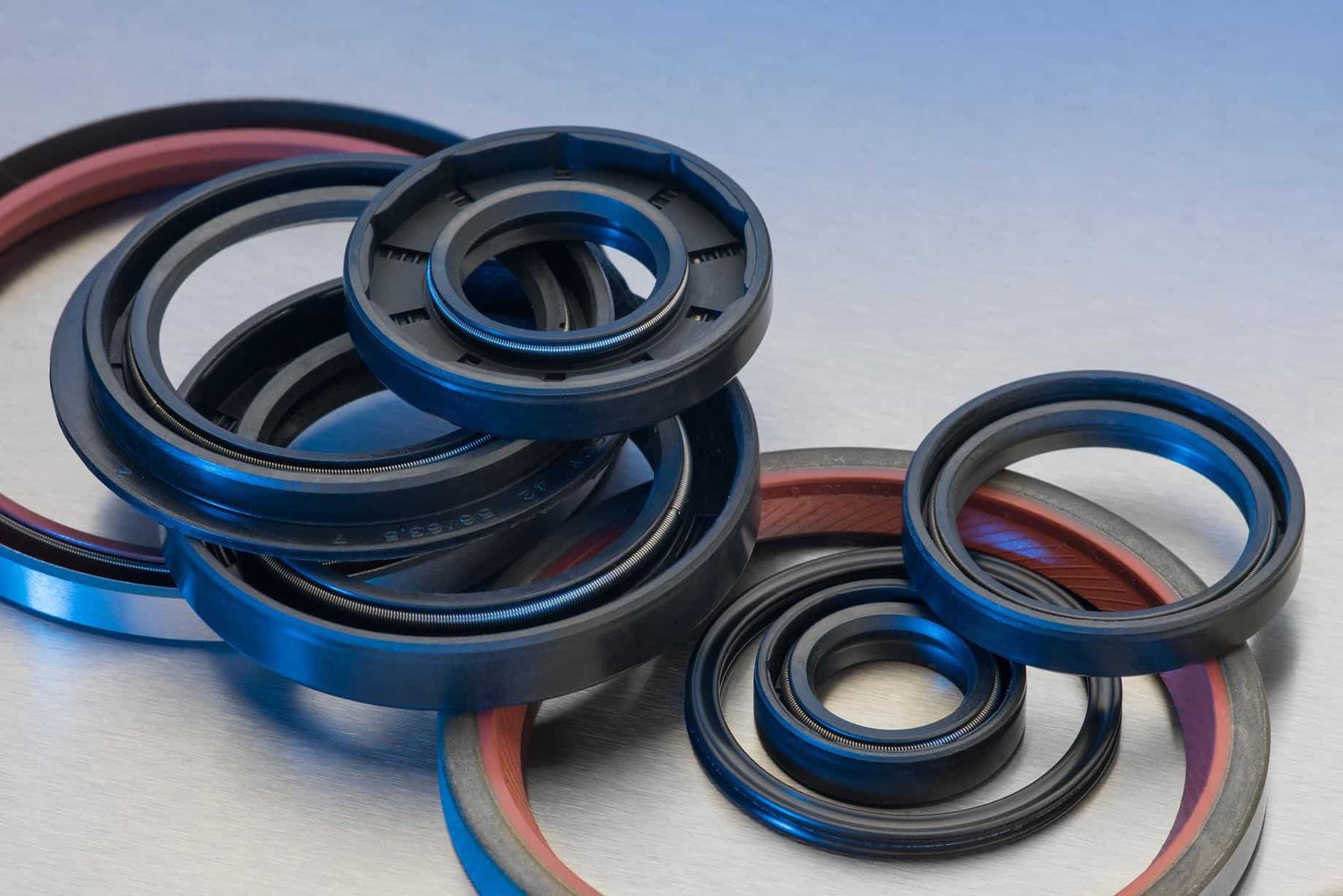
KODA oil seal

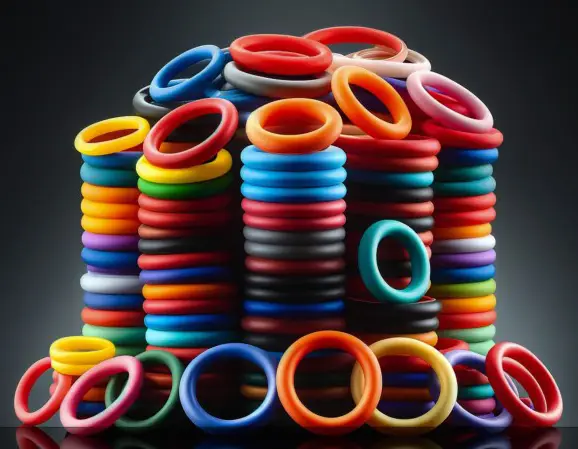
KODA® O-rings

KODA® FFKM perfluororubber components are resistant to over 1800 chemicals and exhibit excellent high-temperature stability. Their applications are wide-ranging, covering harsh environments such as highly corrosive chemical processing, semiconductor wafer manufacturing, pharmaceuticals, oil and gas extraction, and aerospace.Thanks to their superior durability, KODA® FFKM components effectively reduce the frequency of seal replacement, maintenance, and inspection, extending the continuous uptime of processes and equipment, ultimately achieving a dual improvement in production efficiency and capacity.

CompoundRelative CostHardness, (Shore A)Tensile Strength psi, (MPa)Elongation, %, minModulus at 100% psi, (MPa), minCompression SetMin. Temp.Max. Temp.
General Purpose, Broad Chemical Resistance
6375$$$$$752,200 (15.16)1601050 (7.2424-4ºF (-20ºC)+527ºF (275ºC)
505$$$$$751,750 (12.1)1401310 (9.0)25-22ºF (-30ºC)+446ºF (230ºC)
9071$$$$75 +/-52,283 (15.74)160996 (6.87)17.4+14ºF (-10ºC)+464ºF (240ºC)
High Temperature Resistance and Low Compression Set
4079$$$$$752,450 (16.88)1501050 (7.24)14-2ºF (-19ºC)+600ºF (316ºC)
605$$$$$802,150 (14.8)1301000 (6.9)22-4ºF (-20ºC)+500ºF (260ºC)
9001C$$$$80 +/-51,431 (9.87)203985 (6.79)23.4+14ºF (-10ºC)+572ºF (300ºC)
High Temperature Resistance, Broad Chemical Spectrum, and Water/Steam Resistance
7075$$$$$752,598 (17.91)1601629 (11.23)100ºF (-18ºC)+620ºF (327ºC)
585$$$$$801,825 (12.6)1651240 (8.5)35-22ºF (-30ºC)+428ºF (220ºC)
9021C$$$$80 +/-52,907 (20.5)1851356 (9.35)26.3+14ºF (-10ºC)+554ºF (290ºC)
9131E$$$$70 +/-52,742 (18.91)218776 (5.35)38.1+14ºF (-10ºC)+608ºF (320ºC)

FFKM Technical Properties

PropertyTypical Range
Material TypePerfluoroelastomer
Hardness65–90 Shore A
Temperature Range-25°C to +327°C
Chemical ResistanceExcellent
Ozone ResistanceExcellent
Weather ResistanceExcellent
Plasma ResistanceExcellent
Compression SetVery Low
Vacuum PerformanceExcellent
Gas PermeationExtremely Low

Actual performance varies according to compound formulation and operating conditions.

How to Select the Correct FFKM Compound

Many seal failures occur because users select the wrong FFKM grade rather than the wrong material family.

Before choosing an FFKM O-ring, evaluate:

Operating Temperature

Determine:

  • Normal operating temperature
  • Maximum excursion temperature
  • Thermal cycling frequency

Chemical Exposure

Consider:

  • Chemical concentration
  • Mixed chemical environments
  • Cleaning agents
  • Sterilization procedures

Pressure Conditions

High-pressure systems may require:

  • Harder compounds
  • Backup rings
  • Extrusion-resistant grades

Regulatory Requirements

Certain applications may require:

  • FDA compliance
  • USP Class VI
  • Semiconductor-grade purity
  • Low extractables
  • Low outgassing certification

Final Thoughts

FFKM O-rings are designed for applications where seal failure is not an option. Their combination of extreme chemical resistance, exceptional thermal stability, low compression set, and long-term reliability makes them the preferred sealing solution for semiconductor fabrication, pharmaceutical production, aggressive chemical processing, aerospace systems, and critical oil & gas operations. While the initial investment is higher than traditional elastomers, the reduction in downtime, maintenance, contamination risk, and unplanned shutdowns often delivers a substantially lower total cost of ownership over the life of the equipment.

Scroll to Top