Oil Seal KC - Rotary Shaft Seal
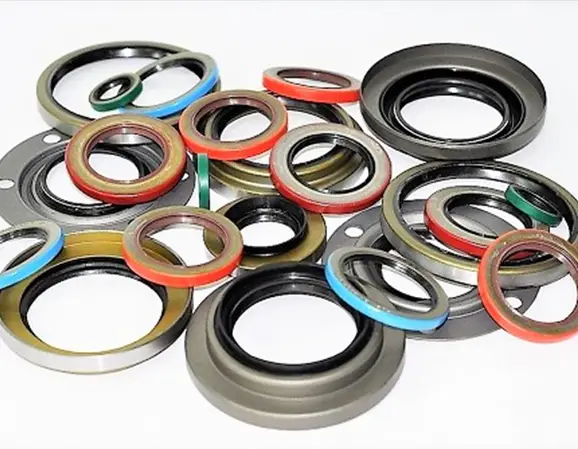
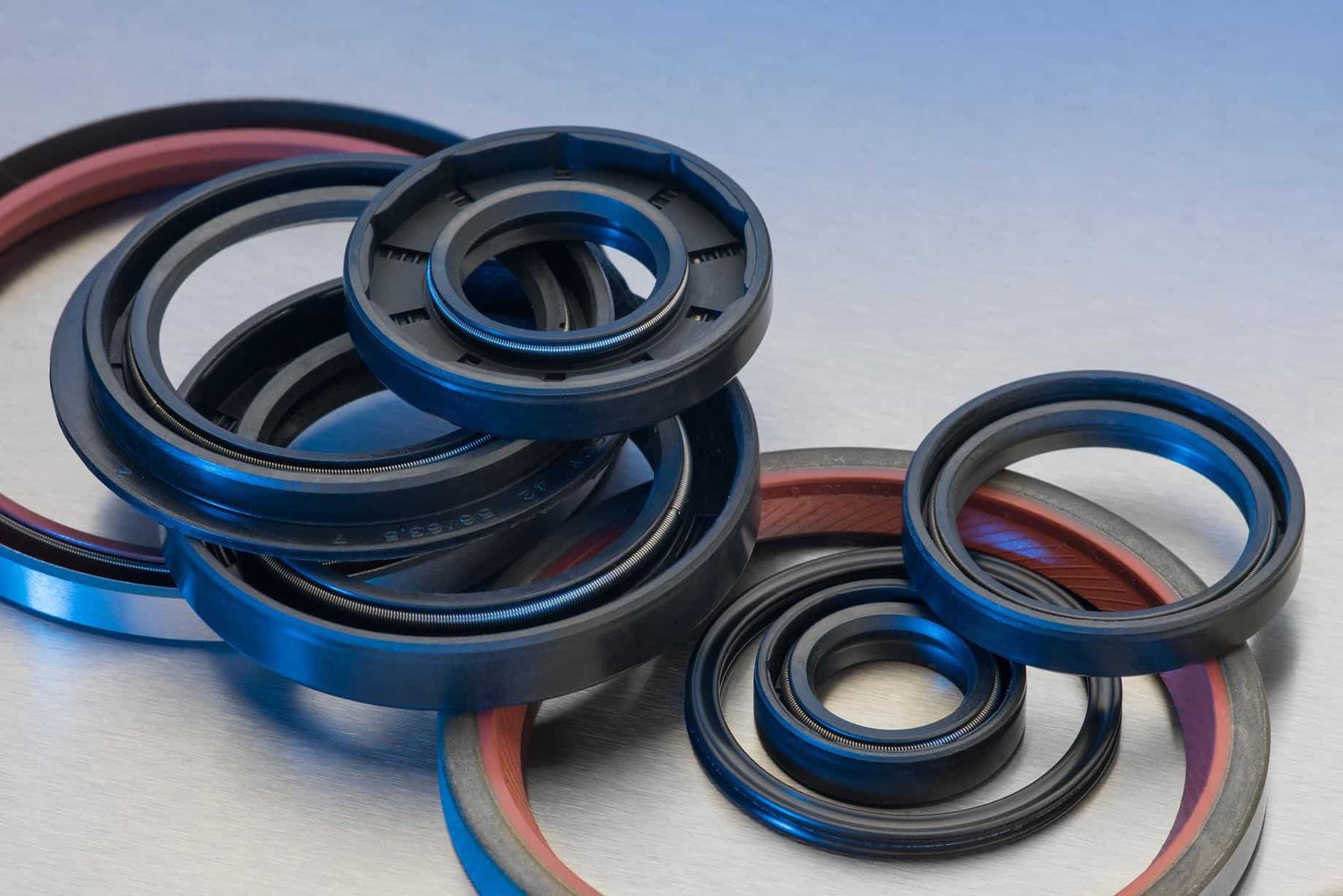
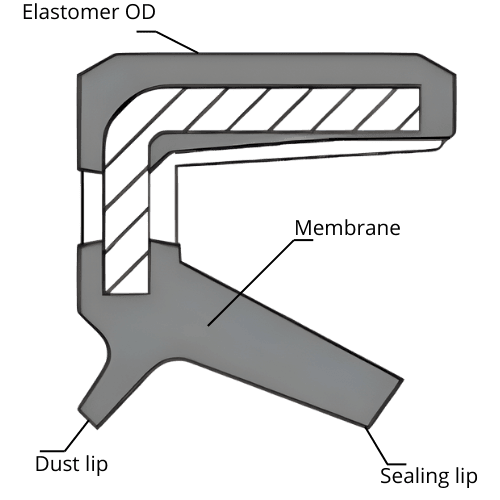
The KC oil seal is a double-lip rotary shaft sealing solution featuring an elastomer-covered outer diameter for secure housing retention and reliable static sealing. Unlike spring-energized seal designs, the KC profile does not utilize a garter spring; instead, the sealing lip maintains contact with the shaft through the natural resilience of the elastomer material. This construction helps reduce frictional resistance and operating heat, making the seal particularly suitable for low-pressure and grease-lubricated applications.
Its dual-lip configuration consists of a primary sealing lip for lubricant retention and a secondary dust lip that helps limit the ingress of dirt, moisture, and other environmental contaminants. This additional protective barrier supports longer seal life and improved component protection in applications where moderate contamination exposure may occur.
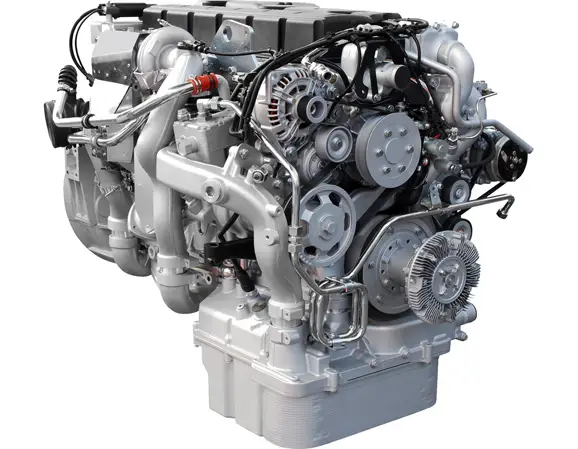
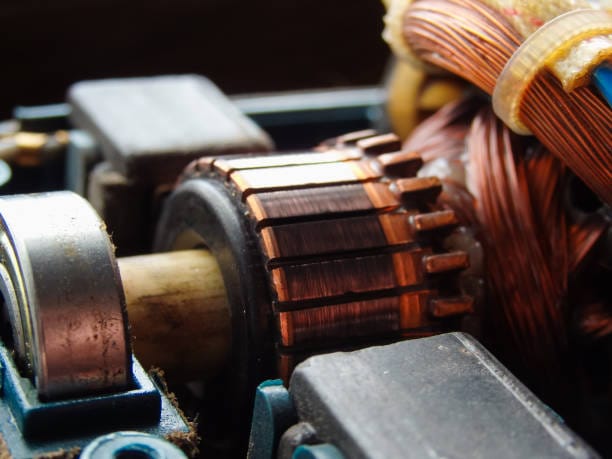
KC rotary shaft seals are frequently installed in electric motors, gear units, agricultural machinery, and other rotating equipment operating at relatively low to moderate shaft speeds. Their combination of low friction and contamination protection makes them a practical choice for systems requiring dependable sealing performance without the higher contact forces associated with spring-loaded designs.
To accommodate different operating environments, KC seals are available in a variety of elastomer compounds, including NBR, FKM, VMQ (Silicone), ACM, HNBR, CR, and EPDM. This broad material selection allows the seal to be matched to specific temperature ranges, lubricant types, and chemical exposure requirements, ensuring reliable performance across a wide range of industrial applications.
Sealing Construction & How it Works
The KC oil seal is designed with a dual-lip sealing arrangement integrated into an elastomer-coated structure reinforced by a metal insert. The primary sealing lip provides lubricant retention by maintaining continuous contact with the rotating shaft, while the secondary lip serves as a protective barrier against external contaminants.
Unlike spring-assisted rotary shaft seals such as the TC profile, the KC design does not utilize a garter spring to generate sealing force. Instead, the elasticity of the rubber compound itself creates the required radial contact pressure. This spring-free configuration reduces frictional losses and minimizes heat generation during operation, making the seal particularly suitable for grease-lubricated systems and applications operating at moderate speeds.
The auxiliary dust lip is positioned on the air side of the seal and is designed to limit the ingress of dust, dirt, moisture, and other environmental contaminants. By shielding the primary sealing interface, it helps maintain lubrication quality and contributes to longer seal service life.

A key advantage of the KC profile is its elastomer-covered outer diameter, which provides effective static sealing within the housing bore while accommodating minor surface irregularities, dimensional variations, or thermal expansion effects. In addition, the absence of a rigid metal outer case enhances vibration damping characteristics and allows the seal to adapt more readily to varying housing conditions.
For optimal installation performance, a small quantity of compatible grease should be applied between the primary lip and the dust lip before assembly. This initial lubrication helps protect the sealing surfaces during startup and reduces the risk of dry-running conditions. The seal is typically mounted flush with the housing bore and relies on a properly dimensioned interference fit for secure retention.
Because the sealing lip is not spring-energized, the KC oil seal is generally intended for non-pressurized applications and should not be selected for systems where significant internal pressure may develop. To accommodate different operating environments, the profile is available in a range of elastomer materials, including NBR, FKM, VMQ (Silicone), ACM, HNBR, CR, and EPDM. These material options allow the seal to be optimized for specific temperature ranges, lubricant types, and chemical exposure conditions.
Applications
KC rotary shaft seals are widely utilized in applications where reliable lubricant retention and basic contamination protection are required under non-pressurized operating conditions. Their combination of a low-friction sealing lip and an auxiliary dust lip makes them particularly suitable for equipment such as electric motors, compact gear units, agricultural machinery, handheld power equipment, and other rotating assemblies lubricated with grease or high-viscosity oils.

The flexible elastomer-covered construction allows the seal to accommodate minor housing irregularities and dimensional changes more effectively than some rigid metal-cased alternatives. This characteristic makes the KC profile a practical solution for installations where vibration, thermal expansion, or slight housing deformation may occur during operation.
In addition to serving as a primary sealing element, the KC oil seal is frequently incorporated into multi-stage sealing arrangements. When installed alongside another sealing device, it can provide an additional barrier against environmental contaminants, helping to reduce the ingress of dust, dirt, moisture, sand, and other abrasive particles. This added layer of protection is particularly beneficial in outdoor equipment and machinery operating in challenging environments.
The profile is especially effective in grease-filled bearings, splash-lubricated systems, and other applications where internal pressure remains low or absent. Since the design does not rely on a spring-loaded sealing lip, it is generally not recommended for pressure-loaded systems.
To meet the requirements of different operating conditions, KC oil seals are available in a variety of elastomer compounds, including NBR, FKM, VMQ (Silicone), ACM, HNBR, CR, and EPDM. Selecting the appropriate material allows the seal to be optimized for specific temperature ranges, lubricant types, environmental exposure levels, and chemical compatibility requirements.
KC Oil Seal Material Options
KC oil seals can be manufactured using a range of elastomer materials, allowing them to meet the requirements of different operating environments and media conditions. Selecting the appropriate compound is essential for achieving optimal sealing performance, service life, and chemical compatibility.
For general industrial applications, NBR (Nitrile Rubber) remains the most commonly used material due to its excellent compatibility with mineral oils and its operating temperature range of approximately -30°C to +100°C. Applications involving elevated temperatures, aggressive chemicals, or synthetic lubricants often benefit from FKM (Viton®), which can withstand temperatures up to +200°C while offering superior chemical resistance.
When equipment is exposed to outdoor conditions, ozone, weathering, or certain synthetic fluids, materials such as EPDM and HNBR may provide improved durability and environmental resistance. For low-temperature applications or industries requiring food-grade sealing materials, Silicone (VMQ) is frequently selected because of its flexibility and wide temperature capability.
Other specialized elastomers, including ACM (Polyacrylate Rubber) and CR (Chloroprene Rubber), are commonly used in applications where resistance to heat, oxidation, and lubricating oils is particularly important.
Each elastomer offers unique characteristics in terms of flexibility, abrasion resistance, thermal stability, and media compatibility. Therefore, material selection should be based on factors such as operating temperature, shaft speed, lubricant type, environmental exposure, and expected service life.
The KC oil seal incorporates a reinforced metal insert that is typically manufactured from carbon steel and partially covered with elastomer. This construction provides structural strength while ensuring a secure press-fit installation. For applications requiring complete rubber encapsulation, specialized KC Plus variants are available.
Although NBR is supplied as the standard material option, alternative compounds including FKM, HNBR, EPDM, Silicone (VMQ), ACM, and CR can be provided upon request to satisfy specific application requirements.
Material Table
Material | Temperature Range | Advantages |
NBR | -30 °C to +100 °C | Good general resistance to oils and greases |
FKM | -20 °C to +200 °C | Excellent resistance to heat and aggressive chemicals |
Silicone | -60 °C to +180 °C | Flexible at very low temperatures, food-grade compliant |
ACM | -20 °C to +150 °C | Strong resistance to oxidation, oil, and moderate heat |
HNBR | -30 °C to +150 °C | High mechanical strength, ozone and heat resistant |
CR | -40 °C to +120 °C | Good resistance to weathering, ozone; moderate oil and heat resistance |
EPDM | -40 °C to +140 °C | Excellent resistance to water, steam, brake fluids, and UV |
Selecting the Right KC Oil Seal
Selecting an appropriate KC oil seal requires a thorough evaluation of the operating environment and equipment specifications. Since the KC profile is primarily designed for non-pressurized sealing applications, it is best suited for systems such as grease-filled housings, bearing assemblies, and splash-lubricated equipment where internal pressure remains minimal.
To achieve reliable sealing performance and maximize service life, proper shaft and housing conditions are essential. The shaft running surface should have a minimum hardness of 45 HRC to resist wear and maintain sealing integrity over time. A surface finish between Ra 0.2 μm and Ra 0.8 μm is recommended to support the formation of an effective lubrication film beneath the sealing lip. For dimensional accuracy, the shaft should conform to ISO h11 tolerances, while the housing bore should be manufactured according to ISO H8 standards.
Material selection is another critical factor. The seal compound must be compatible with both the operating temperature range and the lubricant or media being sealed. Standard applications often use NBR, while higher operating temperatures or chemically demanding environments may require FKM or ACM compounds. Where resistance to ozone, outdoor weather exposure, or environmental aging is important, EPDM and CR provide suitable alternatives. For extended durability under demanding operating conditions, HNBR is frequently selected, whereas Silicone (VMQ) is commonly preferred for low-temperature applications and food-processing equipment.
Additional operating factors such as shaft rotational speed, shaft movement, vibration levels, and potential axial displacement should also be considered during the selection process, as these conditions can directly influence sealing effectiveness and lip wear characteristics.
Before installation, both the shaft and housing should be carefully inspected to ensure they are clean, undamaged, and free from contaminants. Using appropriate installation tools and applying uniform press-fit force will help prevent distortion of the seal structure and ensure proper seating within the housing.
If you are uncertain about the correct KC oil seal size, material, or design for your application, our technical specialists can provide guidance and product recommendations based on your specific operating requirements. Feel free to contact us for professional assistance.