
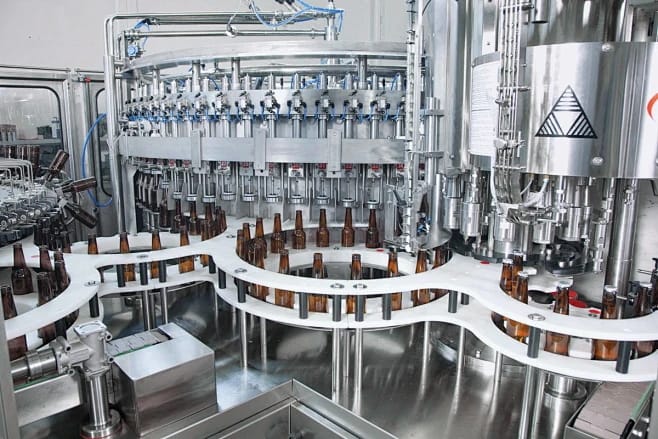
In the food and beverage industry, sealing reliability is not just a mechanical requirement—it is a matter of hygiene, safety, compliance, and product integrity. From beverage filling lines and dairy processing systems to breweries, juice production, and pharmaceutical-grade food equipment, O-rings play a silent but critical role in ensuring contamination-free production.
Every valve, pump, mixer, and filling nozzle depends on precise sealing to prevent leaks, bacterial growth, cross-contamination, and product loss. High-performance O-rings are therefore engineered not only for durability but also for compliance with strict food-grade regulations such as FDA, EU 1935/2004, and NSF standards.
Why O-Rings Are Critical in Food and Beverage Processing
Food and beverage manufacturing environments involve continuous exposure to liquids, cleaning chemicals, steam sterilization, and temperature cycling. Any sealing failure can directly affect product safety and brand reputation.
O-rings are widely used in:
- Filling machines and bottling systems
- Mixing and blending equipment
- Pumps and fluid transfer systems
- Valve assemblies and dosing systems
- Heat exchangers and pasteurization units
- Fermentation tanks and brewing systems
- Sanitary piping connections
In these applications, O-rings must maintain sealing integrity while resisting cleaning-in-place (CIP) and sterilization-in-place (SIP) cycles.
📊 Industry Insight: Studies from beverage manufacturing plants show that sealing-related issues account for nearly 25% of unplanned downtime in filling and processing lines, primarily due to elastomer degradation or improper material selection.
Key Requirements for Food-Grade O-Rings
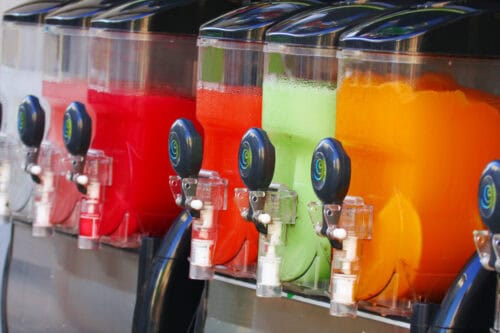
Unlike industrial sealing systems, food and beverage O-rings must meet strict regulatory and hygiene requirements.
- FDA and EU food-contact compliance
- Resistance to cleaning chemicals (CIP systems)
- High-temperature steam resistance (SIP systems)
- No taste, odor, or contamination transfer
- Smooth surface to prevent bacterial adhesion
- Long-term elasticity under repeated sterilization cycles
⚙️ Engineering Note: In sanitary systems, even microscopic seal degradation can create microbial growth zones, making material integrity as important as mechanical performance.
Applications of O-Rings in Food & Beverage Systems
Dairy Processing Systems
Used in pasteurizers, separators, and filling machines where hygiene is critical.
Beverage Bottling Lines
O-rings ensure leak-free operation in high-speed filling and capping systems.
Brewing Industry
Used in fermentation tanks, valves, and transfer systems exposed to temperature and pressure cycles.
Juice and Soft Drink Production
Require resistance to acidic fluids and cleaning agents.
Food Processing Equipment
Mixers, pumps, and piping systems depend on sanitary sealing solutions.
How O-Rings Function in Sanitary Systems
O-rings create a compression seal between two mating surfaces, preventing fluid leakage and contamination ingress. In food-grade systems, sealing must remain stable under:
- Hot water and steam sterilization cycles
- Acidic and alkaline cleaning agents
- Mechanical vibration from processing equipment
- Frequent assembly and disassembly during maintenance
- Continuous fluid pressure variations
Properly engineered O-rings ensure hygienic sealing performance throughout long production cycles.
Food-Grade O-Ring Material Selection
Material selection directly affects safety, compliance, and service life.
| Material | Main Properties | Food Industry Use |
| EPDM | Excellent water/steam resistance | Dairy & beverage systems |
| Silicone (VMQ) | High purity, food-safe | Filling machines & sealing gaskets |
| FKM | Chemical & heat resistance | Cleaning systems (CIP) |
| HNBR | Wear resistance | High-cycle production lines |
Factory Testing for Food & Beverage O-Rings
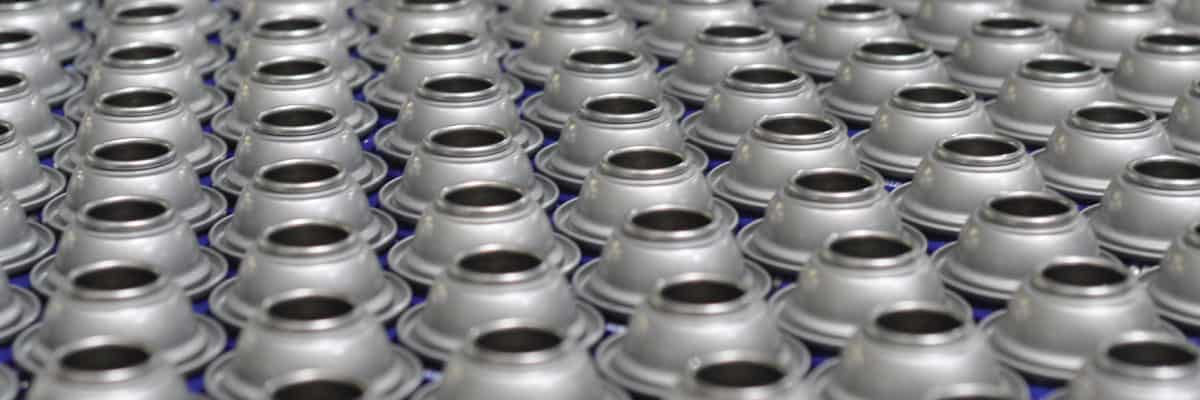
Before approval, O-rings undergo strict performance and hygiene validation tests.
| Test Type | Purpose |
| CIP Chemical Resistance Test | Evaluate cleaning agent durability |
| Steam Sterilization Test | Simulate SIP cycles |
| Compression Set Test | Measure elasticity retention |
| Microbial Resistance Evaluation | Ensure hygiene compliance |
| Leakage Integrity Test | Confirm sealing reliability |
Factory Performance Data: Beverage Filling System Test
A controlled industrial evaluation was conducted on silicone O-rings used in high-speed beverage filling machines.
| Parameter | Result |
| Operating Cycles | 6.2 million cycles |
| Temperature Range | -20°C to 160°C |
| CIP Exposure Cycles | 1,200 cycles |
| Leakage | Zero leakage detected |
| Compression Set | 7.9% |
The results demonstrate excellent stability under continuous hygienic production conditions.
Service Life Behavior in Food Processing Environments
Estimated Service Life of EPDM O-Rings:
- 25°C → 12–15 years
- 50°C → 8–10 years
- 80°C → 5–7 years
- 100°C → 3–5 years
- 120°C → 2–3 years
Customer Case Study: Leakage in Beverage Filling Line
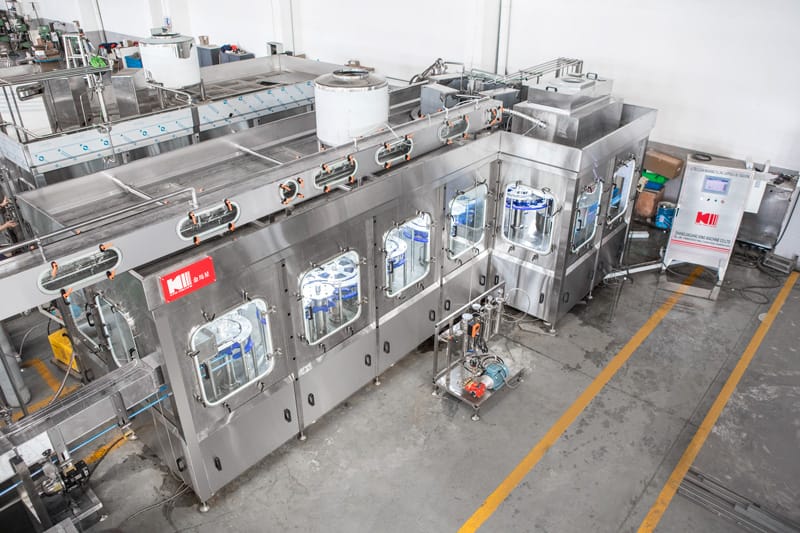
🏭 Industry: Carbonated Beverage Manufacturing
Problem: Frequent leakage occurred at filling valve interfaces, causing product loss and contamination risk.
Root Causes:
- Non-food-grade elastomer degradation under CIP chemicals
- Compression set after repeated sterilization cycles
- Improper surface finish of sealing groove
Solution:
- Upgrade to FDA-compliant EPDM O-rings
- Optimize valve groove geometry
- Standardize CIP cycle parameters
Results After 18 Months:
- Leakage reduced by 96%
- Production efficiency improved by 22%
- Maintenance downtime reduced by 63%
- Product waste significantly reduced
Failure Mechanisms in Food Industry O-Rings
Compression Set
Loss of elasticity reduces sealing force over time.
Chemical Degradation
CIP chemicals may degrade incompatible materials.
Thermal Aging
Repeated sterilization accelerates elastomer breakdown.
Microbial Contamination
Poor surface quality can promote bacterial growth.
Mechanical Damage
Improper installation causes cuts and deformation.
Frequently Asked Questions
1. What O-ring material is best for food applications?
EPDM and silicone are most commonly used due to their hygiene and compliance properties.
2. Are O-rings in food equipment safe?
Yes, if they meet FDA or EU food-contact regulations.
3. How often should food-grade O-rings be replaced?
Replacement depends on CIP cycles and operating conditions but is typically scheduled during maintenance shutdowns.
4. What causes O-ring failure in beverage systems?
Chemical exposure, compression set, and thermal cycling are the most common causes.
5. Can O-rings affect product taste or quality?
Only if non-compliant materials are used; certified food-grade elastomers eliminate this risk.