
ACM Rubber: The High-Temperature Elastomer Powering Modern Automotive and Industrial Sealing Systems
When discussing advanced elastomer materials used in modern sealing technology, ACM rubber is often mentioned alongside NBR, FKM, HNBR, and silicone rubber. Although it may not be as widely recognized outside the sealing industry, ACM rubber has become a critical material for applications requiring excellent heat resistance, oxidation stability, and long-term performance in lubricating oils. Today, ACM rubber is commonly found in automotive transmissions, engine sealing systems, industrial machinery, and high-temperature rotating equipment where conventional elastomers may experience premature degradation.
As vehicles become more powerful and industrial equipment operates under increasingly demanding conditions, material selection has become a decisive factor in determining seal reliability and service life. Engineers often choose ACM rubber because it offers an excellent balance between temperature resistance, oil compatibility, aging performance, and cost-effectiveness.
What Is ACM Rubber?
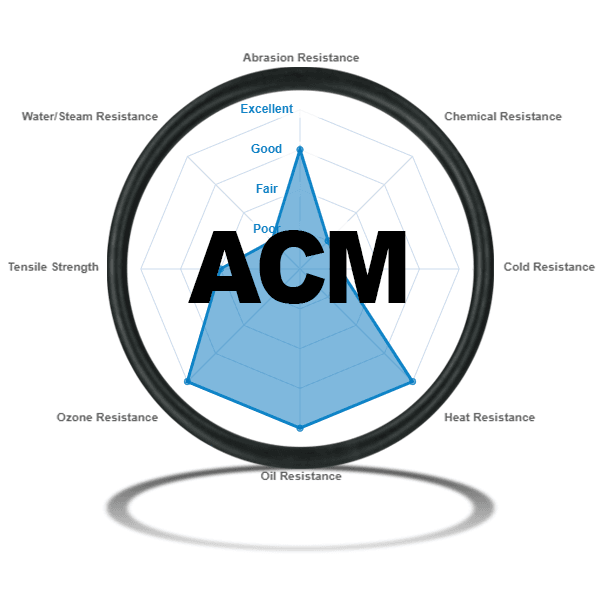
ACM stands for Acrylic Rubber or Polyacrylate Rubber, a family of synthetic elastomers developed to withstand elevated temperatures while maintaining excellent resistance to lubricating oils and oxidation. Unlike traditional nitrile rubber compounds, ACM rubber was engineered specifically to meet the growing demands of automotive transmissions and engine systems operating under higher thermal loads.
The polymer structure of ACM contains acrylic ester monomers that provide superior heat resistance compared to many conventional elastomers. This unique molecular composition allows ACM rubber to maintain flexibility, sealing performance, and dimensional stability under prolonged thermal exposure.
Because of these properties, ACM rubber has become one of the most trusted materials for dynamic seals, O-rings, gaskets, and transmission components.
Core Characteristics of ACM Rubber
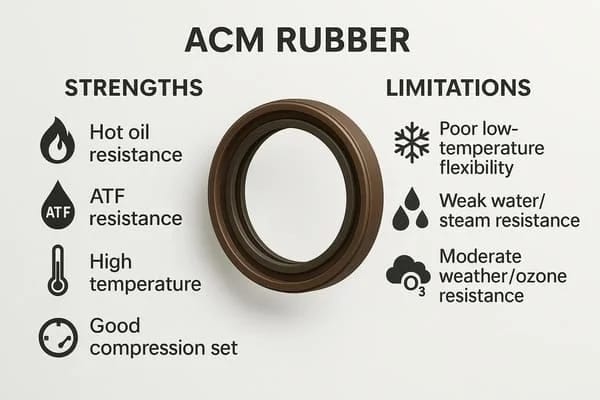
✔ Excellent heat resistance
✔ Outstanding oxidation resistance
✔ Good resistance to lubricating oils
✔ Strong aging stability
✔ Low compression set at elevated temperatures
✔ Long-term sealing reliability
The History Behind ACM Rubber Development
The development of ACM rubber was driven primarily by the automotive industry’s need for materials capable of surviving higher operating temperatures. During the mid-20th century, engine and transmission designs evolved rapidly, generating greater heat loads than traditional rubber materials could tolerate.
Manufacturers required a sealing material that could resist oxidation, maintain elasticity, and withstand continuous exposure to transmission fluids and engine lubricants. Polyacrylate rubber emerged as an effective solution, offering significantly improved thermal stability compared to standard nitrile compounds.
Since then, ACM rubber has become a standard material for numerous automotive and industrial sealing applications worldwide.
Chemical Structure and Composition of ACM Rubber
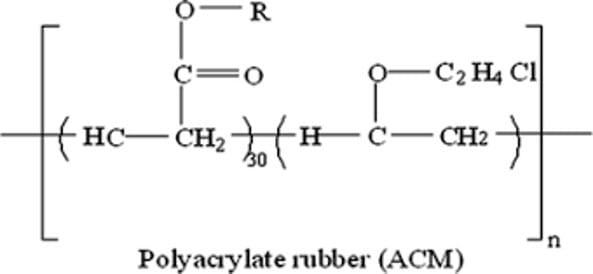
The performance advantages of ACM rubber originate from its acrylic ester polymer backbone. Unlike many elastomers that rely heavily on carbon-based structures, ACM polymers are engineered specifically for thermal and oxidative stability.
The material can be modified through different monomer combinations and curing systems to achieve varying levels of flexibility, chemical resistance, and temperature performance.
This versatility enables manufacturers to customize ACM compounds for specific operating conditions and industry requirements.
Key Advantages of ACM Rubber
Superior Heat Resistance
One of the most significant benefits of ACM rubber is its ability to withstand elevated operating temperatures for extended periods.
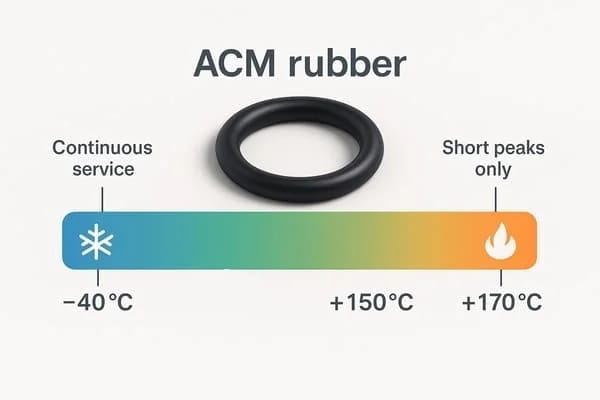
Typical operating temperatures range between -20°C and +150°C, with certain formulations capable of handling even higher thermal exposure under specific conditions.
Outstanding Oxidation Resistance
Exposure to oxygen at elevated temperatures can rapidly degrade many elastomers. ACM rubber exhibits excellent resistance to oxidation, helping maintain mechanical properties over long service intervals.
Excellent Oil Compatibility
ACM performs particularly well when exposed to transmission fluids, engine oils, and various lubricants commonly used in automotive and industrial systems.
Long-Term Durability
Because ACM resists thermal aging and oxidation, seals manufactured from this material often provide extended service life compared with standard elastomer alternatives.
Limitations of ACM Rubber
While ACM offers many advantages, it is important to understand its limitations before selecting it for an application.
Limited Low-Temperature Flexibility
Compared with silicone or certain HNBR compounds, ACM rubber may become less flexible at very low temperatures.
Poor Resistance to Water
Continuous exposure to hot water or steam can negatively affect ACM performance.
Moderate Chemical Resistance
Although ACM performs well in lubricating oils, it is not suitable for all aggressive chemicals or fuel systems.
Lower Tear Strength
Mechanical damage resistance may be lower than some alternative elastomer materials.
ACM Rubber vs NBR Rubber
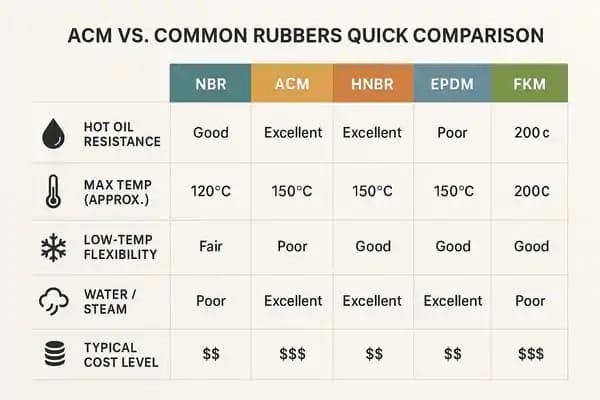
Nitrile rubber remains one of the most common sealing materials worldwide. However, ACM provides several advantages in elevated temperature applications.
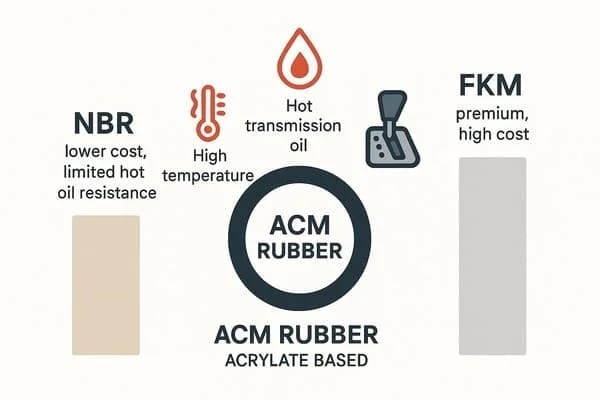
NBR generally offers better low-temperature flexibility and lower cost. ACM, on the other hand, provides significantly better heat resistance and oxidation stability.
For applications involving prolonged exposure to hot lubricating oils, many engineers prefer ACM rubber over conventional nitrile compounds.
ACM Rubber vs FKM Rubber
FKM is often considered a premium sealing material because of its outstanding chemical resistance and high-temperature capability.
While FKM generally outperforms ACM in fuel resistance and extreme thermal conditions, ACM offers a more economical solution for many lubricating oil applications.
This balance of performance and cost makes ACM attractive for large-volume automotive production.
ACM Rubber vs Silicone Rubber
Silicone rubber is known for its exceptional low-temperature flexibility and weather resistance.
ACM rubber, however, generally provides better compatibility with lubricating oils and superior resistance to thermal oxidation in many engine-related applications.
The choice between these materials depends on the specific environmental and operational requirements of the equipment.
Common Applications of ACM Rubber
ACM rubber is used extensively throughout numerous industries.
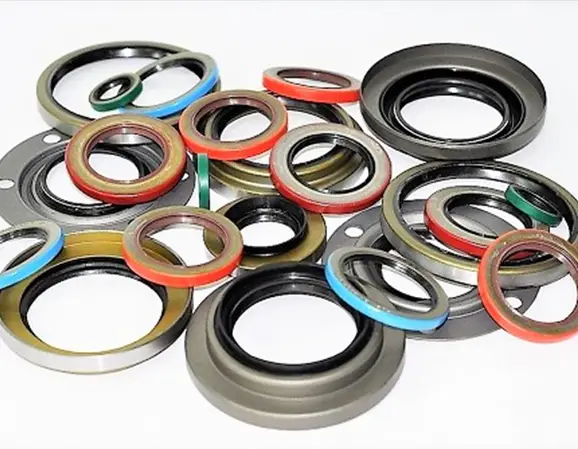
Transmission oil seals
Engine shaft seals
Valve cover gaskets
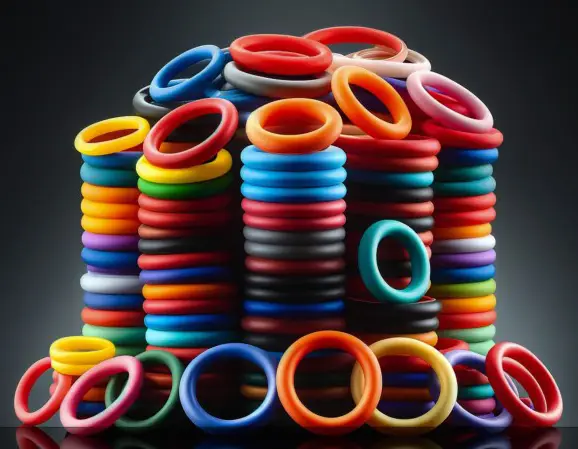
O-rings
Rotary shaft seals
Industrial gearboxes
Hydraulic equipment
Automotive sealing systems
Bearing protection components
Lubrication management systems
Many modern automotive manufacturers rely on ACM rubber to ensure long-term sealing reliability in high-temperature environments.
Why ACM Rubber Is Popular in Automotive Applications
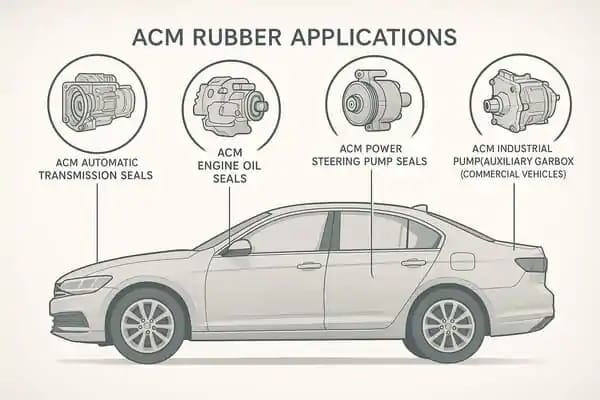
The automotive sector remains one of the largest users of ACM materials.
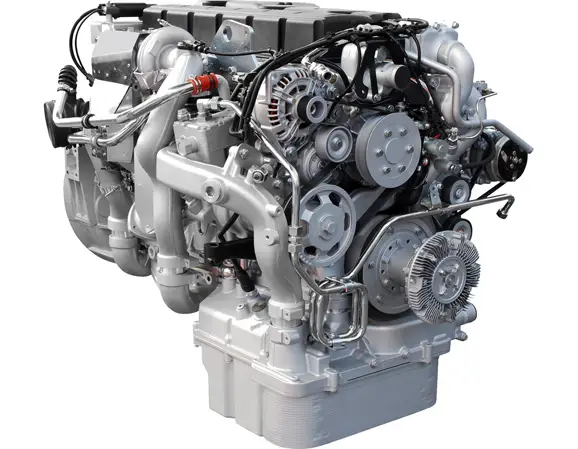
Modern engines and transmissions generate significant heat while continuously circulating lubricants. ACM’s ability to resist oil degradation and thermal aging makes it particularly well-suited for these operating conditions.
As vehicle designs become increasingly compact and efficient, sealing materials must withstand greater thermal stress within smaller spaces.
ACM rubber continues to meet these evolving demands.
Manufacturing Methods for ACM Rubber Components
Several manufacturing processes are used to produce ACM sealing products.
Compression Molding
Commonly used for large-volume seal production.
Transfer Molding
Provides improved dimensional accuracy for complex components.
Injection Molding
Suitable for high-volume manufacturing and consistent product quality.
Each manufacturing method influences performance, precision, and production efficiency.
Factors to Consider When Selecting ACM Rubber
Before specifying ACM rubber for a sealing application, engineers should evaluate:
Operating temperature range
Type of lubricant used
Pressure conditions
Environmental exposure
Mechanical loads
Expected service life
Careful material selection helps maximize performance and reduce maintenance costs.
Future Trends in ACM Rubber Technology
Material science continues to improve ACM formulations through enhanced polymer chemistry and advanced compounding techniques.
Future developments may include:
Improved low-temperature flexibility
Enhanced chemical resistance
Longer service life compounds
Sustainable manufacturing methods
Advanced automotive sealing solutions
These innovations will further strengthen ACM’s role in modern sealing technology.
Why ACM Rubber Remains Relevant Today
Despite the availability of numerous advanced elastomer materials, ACM continues to occupy an important position within the sealing industry.
Its ability to deliver reliable performance in hot oil environments at a competitive cost makes it an attractive choice for manufacturers seeking durability without unnecessary expense.
As industrial systems and vehicles continue evolving, ACM rubber remains one of the most practical solutions for high-temperature sealing applications.
Frequently Asked Questions
1. What does ACM stand for in ACM rubber?
ACM stands for Acrylic Rubber or Polyacrylate Rubber, a synthetic elastomer designed for high-temperature oil-resistant applications.
2. What temperature range can ACM rubber handle?
Most ACM compounds operate effectively between approximately -20°C and +150°C, depending on formulation and application conditions.
3. Is ACM rubber resistant to engine oil?
Yes. ACM rubber offers excellent resistance to engine oils, transmission fluids, and many lubricating oils.
4. How does ACM compare to NBR rubber?
ACM generally provides better heat resistance and oxidation stability, while NBR often offers better low-temperature flexibility and lower cost.
5. What industries commonly use ACM rubber?
Automotive, industrial machinery, gearbox manufacturing, hydraulic systems, and sealing component industries commonly utilize ACM rubber.