Understanding Why Wheel Hub Seals Leak
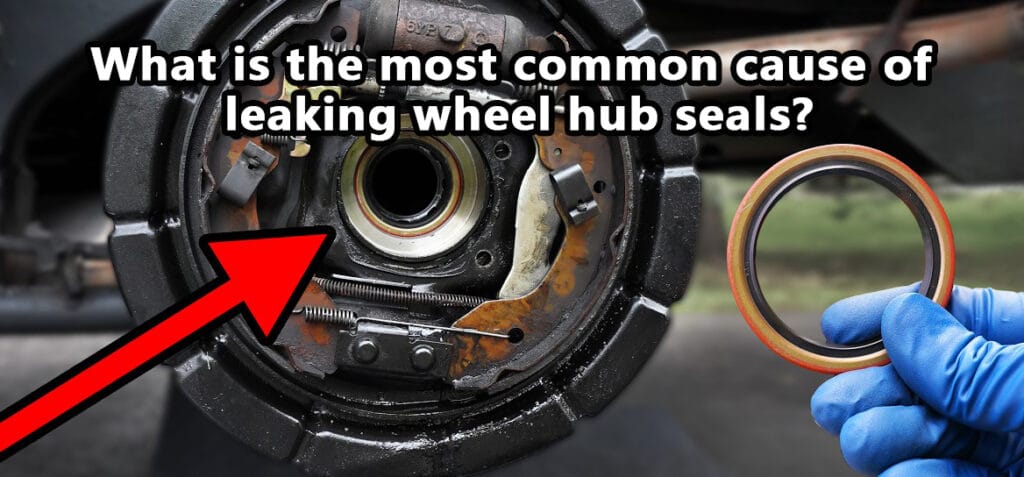
Wheel hub seals are small yet essential components that protect bearings, retain lubricants, and prevent contaminants such as dust, water, mud, and road debris from entering the wheel hub assembly. A leaking wheel hub seal is often overlooked until visible oil contamination, bearing noise, or even wheel failure occurs. Understanding what is the most common cause of leaking wheel hub seals helps fleet operators, mechanics, equipment manufacturers, and vehicle owners reduce downtime while extending bearing life.
In commercial trucks, passenger vehicles, agricultural machinery, construction equipment, and trailers, wheel hub seals work continuously under demanding conditions involving rotation, heat, vibration, and changing loads. Even a minor seal failure can quickly lead to lubricant loss, increased friction, bearing wear, and expensive repairs.
⭐ Key Insight
Most wheel hub seal leaks are not caused by poor seal quality alone. They usually result from improper installation, worn bearings, shaft damage, contamination, excessive heat, or incorrect lubrication practices.
What Does a Wheel Hub Seal Actually Do?
The wheel hub seal forms a barrier between the rotating hub and the stationary axle. It keeps lubricating grease or gear oil inside while preventing contaminants from reaching the bearings.
A properly functioning seal performs several critical functions:
- ✔ Retains grease or oil inside the hub
- ✔ Blocks dust and moisture
- ✔ Protects wheel bearings
- ✔ Reduces maintenance frequency
- ✔ Extends bearing service life
- ✔ Improves vehicle reliability
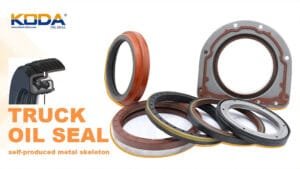
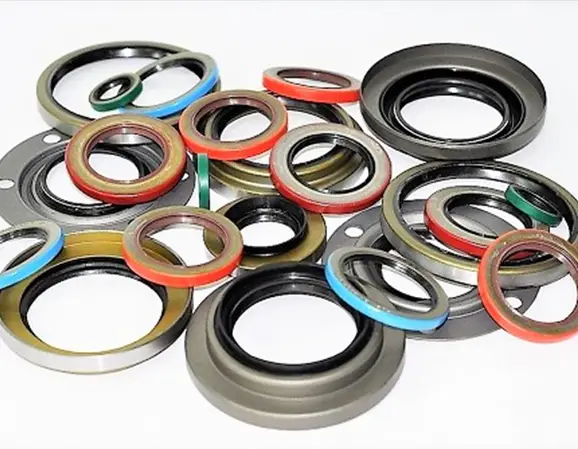
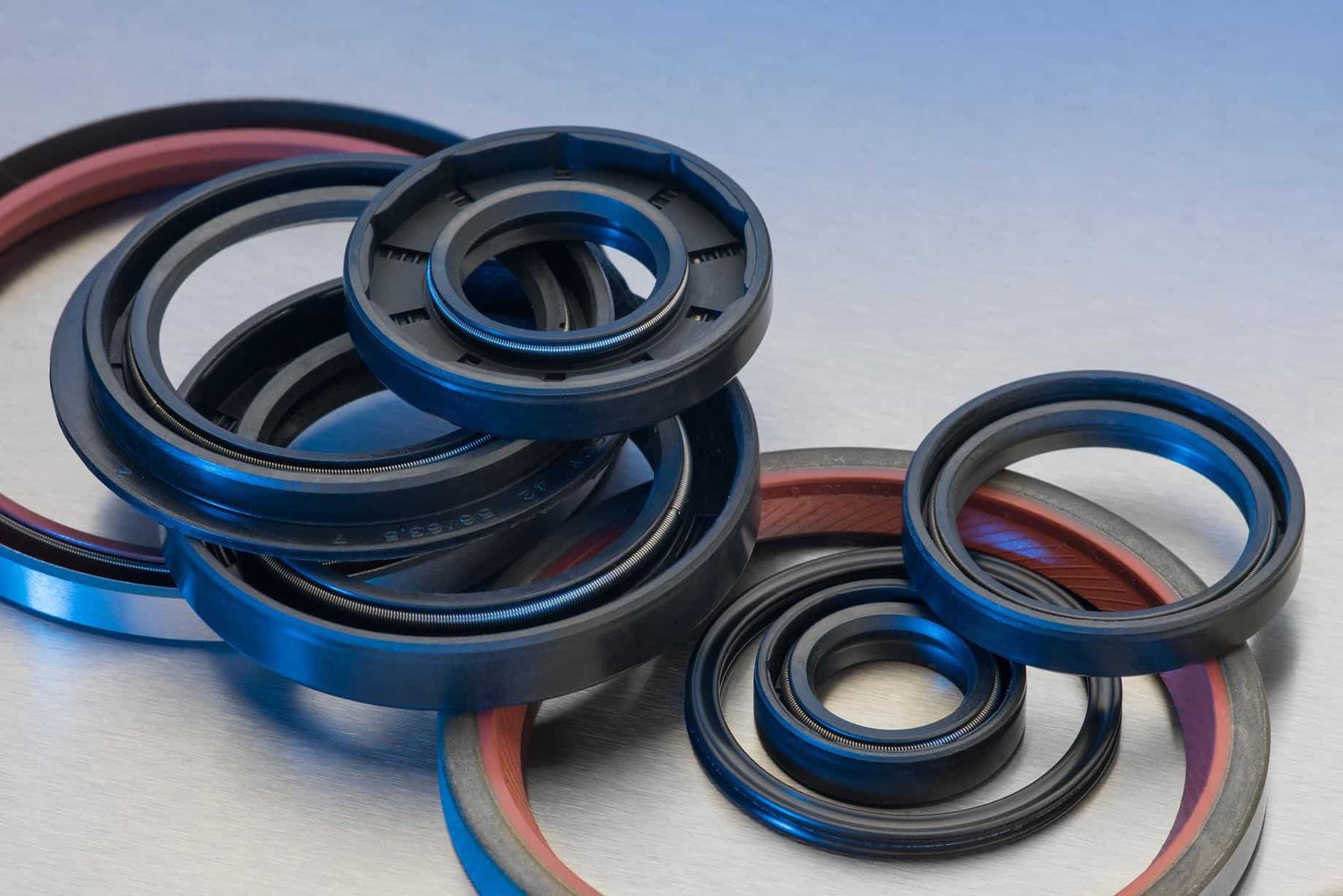
Choosing high-quality hub leaking oil sealing products significantly improves long-term performance.
The Most Common Cause: Improper Installation
Industry experience consistently shows that improper installation remains the number one reason wheel hub seals begin leaking shortly after replacement.
Common Installation Mistakes
🔸 Installing the seal at an angle
The sealing lip becomes distorted and loses even contact with the shaft.
🔸 Using improper installation tools
Hammering directly on the seal housing may deform the metal case.
🔸 Damaging the sealing lip
Sharp shaft edges or splines can cut the rubber lip during installation.
🔸 Installing the wrong seal orientation
Incorrect positioning immediately compromises sealing performance.
Professional installers always lubricate the sealing lip before assembly and use dedicated installation tools to ensure perfect alignment.
Bearing Wear Creates Seal Leakage
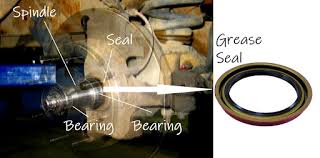
Wheel bearings support rotating loads. As bearings wear, shaft movement increases.
Even slight bearing looseness changes the contact pattern between the seal lip and shaft surface.
This movement gradually produces:
- Bearing vibration
- Uneven lip wear
- Lubricant escape
- Heat generation
- Accelerated seal deterioration
Maintenance Tip
Replacing only the leaking seal without correcting worn bearings often results in another leak within a short period.
Excessive Heat Accelerates Seal Failure
Heat is one of the biggest enemies of rubber sealing materials.
High operating temperatures may result from:
- Overloaded vehicles
- Poor lubrication
- Dragging brakes
- Incorrect bearing preload
- Continuous high-speed operation
Heat causes elastomer materials to harden, shrink, crack, and lose elasticity.
Material Performance Matters
Modern wheel hub seals use advanced materials including:
Selecting the correct material greatly improves thermal resistance.
Incorrect Lubrication Causes Leakage
Many people assume adding more lubricant automatically improves performance.
However, excessive grease or overfilled oil hubs generate internal pressure that forces lubricant past the sealing lip.
Common Lubrication Errors
- Using incompatible grease types
- Mixing lubricants
- Overfilling hubs
- Insufficient lubrication
- Ignoring maintenance intervals
Using premium hub leaking oil sealing components together with manufacturer-approved lubricants significantly reduces leakage risks.
Damaged Shaft Surfaces
The seal lip rides continuously on the axle or spindle surface.
If the shaft develops:
- Scratches
- Corrosion
- Grooves
- Rust pits
- Surface wear
the seal can no longer maintain proper contact.
Repair sleeves or shaft replacement may be necessary before installing a new seal.
Contamination Shortens Seal Life
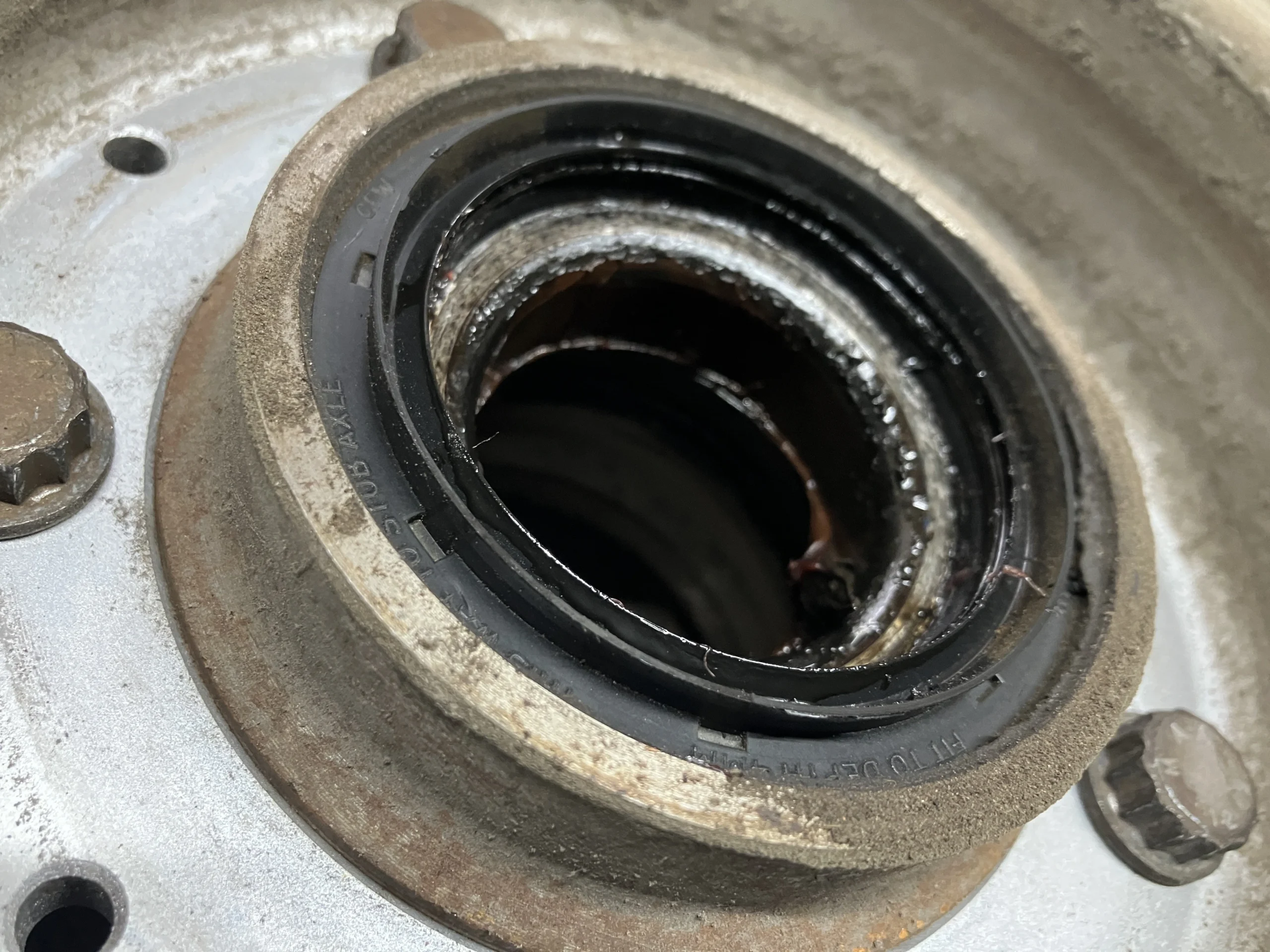
Water, mud, road salt, sand, and construction debris constantly attack wheel hubs.
Once abrasive particles reach the sealing lip, microscopic wear begins immediately.
Industries with Severe Contamination
- Mining
- Agriculture
- Forestry
- Construction
- Marine transportation
Incorrect Bearing Adjustment
Improper bearing preload changes internal hub movement.
Both excessive preload and excessive clearance increase seal wear.
Professional technicians always follow manufacturer torque specifications during assembly.
Heavy Loads Increase Seal Stress
Commercial trucks frequently operate near maximum axle capacity.
Heavy loads increase:
- Bearing pressure
- Operating temperature
- Shaft deflection
- Seal lip stress
- Lubricant breakdown
Choosing durable hub leaking oil sealing products becomes increasingly important for heavy-duty transportation.
Material Aging
Even without severe operating conditions, sealing materials naturally age.
Exposure to:
- Oxygen
- Ozone
- Ultraviolet radiation
- Heat
- Chemicals
gradually reduces elasticity, eventually causing leakage.
Warning Signs of a Leaking Wheel Hub Seal
- Oil around the wheel
- Grease on brake components
- Burning lubricant smell
- Wheel bearing noise
- Hub overheating
- Visible contamination
- Reduced braking performance
Early inspection prevents major bearing failures and expensive axle repairs.
Best Practices to Prevent Future Leaks
Recommended Maintenance Checklist
- Inspect seals during every bearing service.
- Replace worn bearings immediately.
- Always use dedicated installation tools.
- Lubricate the seal lip before installation.
- Check shaft surface finish.
- Use manufacturer-approved lubricants.
- Verify proper bearing adjustment.
- Avoid excessive pressure washing near hubs.
- Inspect for overheating after long trips.
Selecting High-Quality Wheel Hub Seals
Quality manufacturing directly affects seal longevity.
Premium seals feature:
- Precision molded sealing lips
- High-grade elastomer compounds
- Wear-resistant designs
- Improved spring retention
- Accurate dimensional tolerances
- Excellent chemical resistance
Reliable suppliers of hub leaking oil products provide engineered sealing solutions suitable for passenger cars, commercial vehicles, agricultural machinery, and industrial equipment.
Why Preventive Maintenance Saves Money
Replacing a seal is relatively inexpensive compared with replacing damaged bearings, wheel hubs, brake components, or axle assemblies.
Routine inspections reduce unexpected failures, improve fleet availability, lower maintenance costs, and increase vehicle safety.
Expert Recommendation
Whenever a wheel hub is disassembled, inspect every sealing surface carefully rather than replacing only the visible leaking component. Addressing the root cause dramatically increases long-term reliability.
Frequently Asked Questions
1. What is the most common cause of leaking wheel hub seals?
Improper installation is the leading cause, followed by worn bearings, damaged shafts, excessive heat, contamination, and incorrect lubrication.
2. Can a leaking wheel hub seal damage bearings?
Yes. Lubricant loss allows increased friction and contamination, rapidly shortening bearing life.
3. Should bearings always be replaced with the seal?
Not always, but bearings should be thoroughly inspected. Worn bearings should never be reused with a new seal.
4. How often should wheel hub seals be inspected?
Inspection is recommended during every brake or bearing service and according to vehicle maintenance schedules.
5. How can I reduce the risk of future wheel hub seal leaks?
Use premium sealing products, follow proper installation procedures, maintain correct lubrication, inspect bearings regularly, and choose high-quality hub leaking oil sealing solutions designed for your operating conditions.