In today’s industrial landscape, standard sealing components often struggle to meet the increasingly complex demands of modern equipment. From high-pressure hydraulic systems and aggressive chemical processing plants to precision medical devices and electric vehicle drivetrains, manufacturers are discovering that a one-size-fits-all approach to sealing no longer delivers the performance, reliability, or service life required. This has led to the rapid growth of custom sealing solutions designed around specific operating conditions, materials, geometries, and performance targets.
Custom sealing is not simply about changing dimensions. It involves engineering a sealing system that addresses real-world challenges such as pressure fluctuations, temperature extremes, chemical compatibility, friction control, wear resistance, contamination prevention, and long-term durability. Organizations that invest in tailored sealing designs often achieve lower maintenance costs, improved equipment efficiency, and significantly reduced downtime.
🔍 Key Insight: A custom seal is engineered to solve a specific operational challenge rather than forcing equipment to adapt to a standard sealing component.
Why Custom Sealing Has Become a Critical Engineering Strategy
As industrial systems become more sophisticated, operating conditions continue to exceed the limits of conventional sealing products. Equipment manufacturers face increasingly demanding requirements involving higher rotational speeds, compact installation spaces, environmental regulations, and extended maintenance intervals.
Traditional seals may work adequately in standard environments, but many industries require sealing systems that can withstand unique combinations of pressure, temperature, media exposure, and dynamic movement. This is where custom-engineered solutions create substantial value.
For example, a sealing component used in an offshore drilling platform must tolerate saltwater exposure, pressure variations, and abrasive contaminants. Meanwhile, a seal used inside pharmaceutical equipment must comply with strict cleanliness and material safety standards. Both applications require specialized engineering approaches that differ significantly from standard catalog products.
Professional Sealing solutions allow engineers to optimize every aspect of seal performance according to actual application requirements rather than relying on compromises.
Understanding the Foundations of Custom Seal Design
The development of a custom sealing solution begins with a detailed understanding of operating conditions. Engineers evaluate numerous factors that directly influence sealing performance throughout the product lifecycle.
📌 Critical Design Inputs Include:
- Operating temperature range
- Maximum and minimum pressure levels
- Fluid or chemical compatibility requirements
- Static or dynamic sealing conditions
- Rotational speed or reciprocating movement
- Environmental contamination risks
- Installation constraints
- Expected service life
- Industry compliance requirements
- Maintenance intervals
When these variables are thoroughly analyzed, engineers can select suitable materials, sealing profiles, lip geometries, spring configurations, and manufacturing methods that maximize performance under real operating conditions.
Material Selection: The Heart of Custom Sealing Performance
Material selection remains one of the most influential factors in seal reliability. Even the most advanced seal geometry will fail prematurely if the elastomer or polymer cannot withstand the application environment.
Nitrile Rubber (NBR)
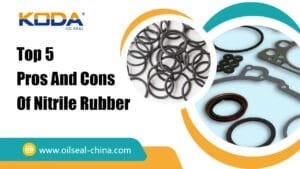
NBR continues to be one of the most widely used sealing materials due to its excellent resistance to petroleum-based oils, hydraulic fluids, and lubricants. It offers a strong balance between performance and cost efficiency.
Fluoroelastomer (FKM/Viton®)
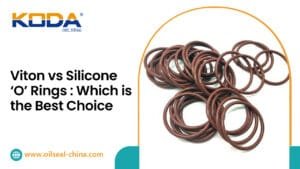
FKM materials provide superior resistance to elevated temperatures, fuels, aggressive chemicals, and oxidation. These properties make them ideal for automotive, aerospace, and chemical processing applications.
Hydrogenated Nitrile Rubber (HNBR)
HNBR delivers improved mechanical strength, abrasion resistance, and thermal stability compared to conventional NBR. It is frequently selected for demanding industrial and automotive systems.
Silicone (VMQ)
Silicone materials offer exceptional flexibility across a broad temperature range and are commonly used in medical devices, food processing equipment, and electronic applications.
PTFE-Based Materials
PTFE provides extremely low friction, excellent chemical resistance, and outstanding temperature capabilities. It is often integrated into advanced custom sealing systems where conventional elastomers are insufficient.
⚙️ Engineering Tip: Material compatibility should always be evaluated against the complete media exposure profile rather than the primary fluid alone.
Custom Seal Profiles for Specialized Applications
Different operating conditions require different sealing geometries. The profile design directly influences sealing effectiveness, friction levels, pressure capability, and wear characteristics.
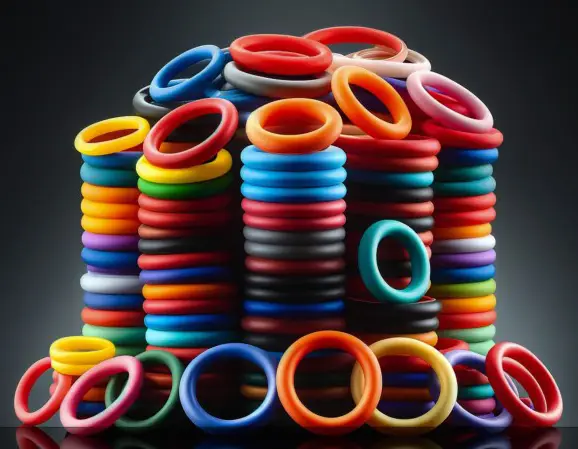
Custom O-Rings
While O-rings are among the simplest sealing components, custom dimensions, compounds, and tolerances can significantly improve performance in specialized environments.
Custom X-Rings
X-rings feature a four-lobed profile that reduces friction while providing multiple sealing contact points. They are particularly effective in dynamic applications where wear reduction is important.
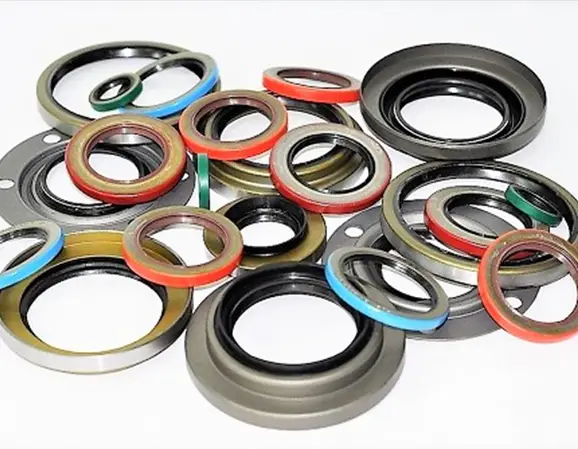
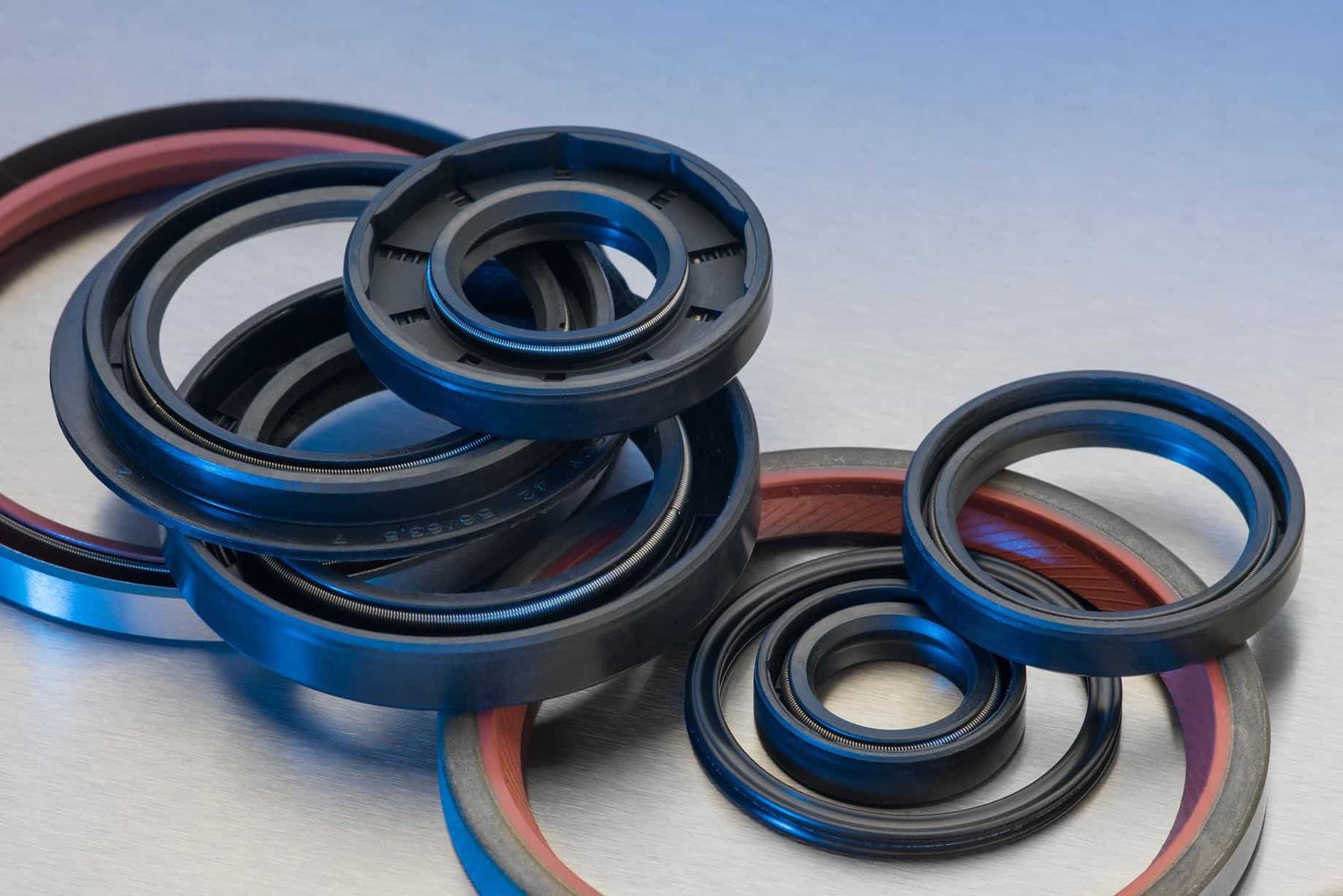
Custom Rotary Shaft Seals
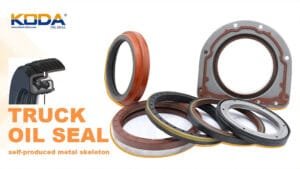
Rotary shaft seals protect rotating equipment by retaining lubricants and excluding contaminants. Customized lip configurations, spring designs, and material combinations enhance performance in challenging environments.
Custom Hydraulic Seals
Hydraulic systems frequently require seals capable of handling high pressures, shock loads, and demanding duty cycles. Tailored hydraulic seal designs improve reliability and fluid retention.
Custom Molded Components
For highly specialized equipment, manufacturers may develop entirely unique sealing geometries through precision molding processes. These components are engineered specifically for the application without being constrained by standard catalog dimensions.
Many manufacturers rely on advanced Sealing engineering techniques to develop optimized profiles that improve both equipment reliability and operating efficiency.
Industries Benefiting from Custom Sealing Solutions
Automotive Industry
Modern vehicles incorporate numerous sealing systems across engines, transmissions, braking systems, electric powertrains, and thermal management systems. Custom sealing solutions help manufacturers meet performance and emissions requirements.
Aerospace Sector
Aircraft components operate under extreme temperatures, pressure changes, and safety requirements. Precision-engineered seals contribute to system integrity and operational reliability.
Medical Equipment
Medical devices often require biocompatible materials, sterilization resistance, and contamination control. Customized sealing systems ensure regulatory compliance while maintaining functional performance.
Food and Beverage Processing
Seals used in food processing environments must withstand frequent cleaning cycles, temperature variations, and strict hygiene standards. Customized material selection plays a critical role.
Energy and Industrial Manufacturing
Power generation, oil and gas operations, and heavy industrial machinery frequently expose seals to harsh conditions that demand specialized engineering solutions.
🏭 Industry Reality: Equipment failures related to sealing issues remain one of the most common causes of unplanned maintenance across industrial operations worldwide.
The Role of Precision Manufacturing in Custom Sealing

A custom seal’s performance depends not only on design but also on manufacturing quality. Advanced production technologies ensure dimensional accuracy, material consistency, and repeatable performance.
Modern manufacturing methods include:
- Compression molding
- Transfer molding
- Injection molding
- CNC machining
- Precision trimming
- Automated inspection systems
- Material traceability programs
These processes help ensure that every seal performs according to engineering specifications throughout its intended service life.
Reducing Total Cost Through Customized Sealing
Although custom seals may require higher initial engineering investment, they often deliver substantial long-term savings. Improved sealing performance reduces leakage, maintenance requirements, equipment downtime, and replacement frequency.
Organizations that evaluate sealing costs solely on unit price often overlook the broader financial impact of seal-related failures. A properly engineered custom seal can generate significant returns through improved operational efficiency.
💰 Long-Term Benefits Include:
- Reduced maintenance costs
- Lower lubricant consumption
- Minimized product contamination
- Extended equipment lifespan
- Higher operational uptime
- Improved safety performance
- Greater energy efficiency
Emerging Trends Shaping the Future of Custom Sealing
The sealing industry continues evolving alongside advancements in manufacturing, materials science, and digital engineering technologies.
Simulation-Driven Design
Finite element analysis enables engineers to predict seal behavior before physical prototypes are produced, accelerating development and reducing costs.
Advanced Material Development
New elastomer compounds and engineered polymers provide enhanced resistance to wear, temperature, chemicals, and mechanical stress.
Sustainability Initiatives
Manufacturers increasingly seek sealing solutions that support environmental goals through improved durability, reduced waste, and optimized resource consumption.
Smart Manufacturing Integration
Digital quality control systems and automated production technologies improve consistency while supporting rapid customization capabilities.
Forward-thinking companies continue investing in innovative Sealing technologies to meet the evolving demands of modern industries.
How to Select the Right Custom Sealing Partner

Choosing a sealing supplier is as important as selecting the seal itself. Successful projects depend on technical expertise, material knowledge, testing capabilities, and manufacturing quality.
When evaluating suppliers, consider:
- Application engineering support
- Material development expertise
- Industry certifications
- Testing and validation capabilities
- Prototype development services
- Global supply chain support
- Production scalability
An experienced supplier can identify hidden risks early in the design process and recommend practical improvements that enhance long-term performance.
Comprehensive Sealing expertise often becomes a competitive advantage for manufacturers seeking reliability, efficiency, and product differentiation in demanding markets.
Conclusion
Custom sealing solutions have become an essential element of modern engineering. As equipment grows more sophisticated and operating conditions become increasingly demanding, standard sealing products often fail to provide the reliability and performance required. By combining advanced materials, optimized geometries, precision manufacturing, and application-specific engineering, custom seals deliver superior protection, efficiency, and longevity.
Whether supporting automotive systems, aerospace equipment, industrial machinery, medical devices, or energy infrastructure, custom sealing technologies enable organizations to reduce operational risks while maximizing performance. Companies that embrace customized sealing strategies are better positioned to achieve long-term reliability, lower maintenance costs, and stronger competitive advantages in today’s rapidly evolving industrial environment.
Frequently Asked Questions
1. What is a custom sealing solution?
A custom sealing solution is a seal specifically engineered to meet unique operating conditions, dimensions, materials, pressure levels, temperatures, and performance requirements that standard seals cannot adequately address.
2. When should a company choose a custom seal instead of a standard seal?
Custom seals are recommended when applications involve unusual temperatures, aggressive chemicals, high pressures, limited installation space, specialized regulatory requirements, or recurring seal failures.
3. Which materials are commonly used in custom sealing applications?
Common materials include NBR, FKM, HNBR, EPDM, Silicone, PTFE, polyurethane, and various engineered elastomer compounds selected according to application requirements.
4. Can custom seals improve equipment reliability?
Yes. Properly engineered custom seals can significantly reduce leakage, contamination, wear, and premature failures, resulting in improved equipment uptime and operational efficiency.
5. How long does custom seal development typically take?
Development timelines vary depending on design complexity, material selection, testing requirements, and production volume. Simple modifications may take weeks, while highly specialized solutions may require several months of engineering and validation.