Why Regulatory Compliance Matters in Industrial Sealing Applications
In today’s highly regulated manufacturing environment, seals are far more than simple components designed to prevent leaks. Across industries such as food processing, pharmaceuticals, automotive, aerospace, oil & gas, medical devices, and renewable energy, sealing products must comply with strict regulatory and performance standards. Failure to meet these requirements can result in product recalls, environmental violations, operational downtime, legal liabilities, and significant financial losses.
As global supply chains become increasingly interconnected, manufacturers and procurement professionals must understand how compliance requirements differ by industry. Choosing the right Seals involves evaluating not only material compatibility and performance characteristics but also industry-specific certifications, testing protocols, and regulatory obligations.
The Growing Role of Compliance in Seal Selection
Historically, engineers primarily selected seals based on pressure ratings, temperature resistance, and chemical compatibility. Today, compliance has become an equally important factor. Regulatory agencies around the world now require manufacturers to demonstrate material safety, environmental responsibility, product traceability, and long-term reliability.
This shift has transformed the way sealing products are designed, tested, manufactured, documented, and supplied. Organizations increasingly seek suppliers capable of providing certified Seals supported by complete compliance documentation and quality management systems.
Key Drivers Behind Compliance Requirements
✔ Consumer Safety – Prevent contamination and product failures.
✔ Environmental Protection – Reduce emissions and leakage risks.
✔ Product Reliability – Ensure long-term operational performance.
✔ Legal Accountability – Meet regional and international regulations.
✔ Supply Chain Transparency – Verify material origins and manufacturing processes.
Common Global Standards Affecting Seals
Several international regulations and standards influence sealing products across multiple industries.
ISO 9001 Quality Management Systems
ISO 9001 establishes requirements for quality management systems that help ensure consistent manufacturing processes, continuous improvement, and customer satisfaction. Many industrial buyers require suppliers of seals to maintain ISO 9001 certification.
REACH Compliance
The European Union’s REACH regulation controls the registration, evaluation, authorization, and restriction of chemicals. Seal manufacturers must ensure that elastomer compounds do not contain restricted substances beyond permitted thresholds.
RoHS Compliance
Restriction of Hazardous Substances (RoHS) limits the use of specific hazardous materials in electrical and electronic equipment. Many sealing products used in electronics and electrical systems must comply with RoHS requirements.
ISO 14001 Environmental Management
Organizations implementing ISO 14001 demonstrate environmental responsibility through structured management systems that reduce environmental impact during production.
Food and Beverage Industry Compliance Requirements
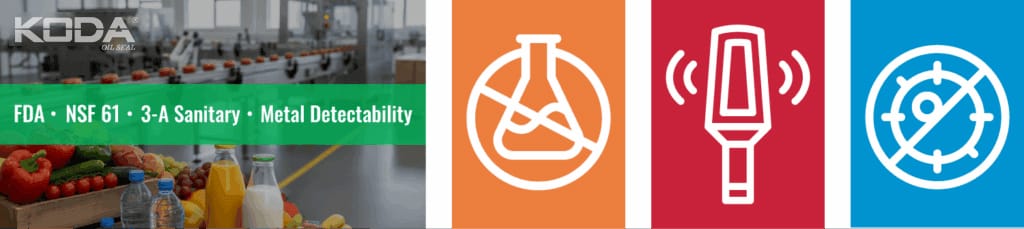
Food production facilities require seals that prevent contamination while maintaining hygiene standards throughout processing operations.
FDA Compliance
In the United States, food-contact sealing materials frequently require compliance with FDA regulations governing materials that may come into direct or indirect contact with food products.
EU Food Contact Regulations
European food manufacturers must ensure sealing materials satisfy applicable food-contact legislation and migration testing requirements.
3-A Sanitary Standards
These standards focus on hygienic equipment design used in dairy, beverage, and food processing applications. Seals used in sanitary systems often require smooth surfaces, easy cleaning, and resistance to cleaning chemicals.
Food-grade Seals frequently utilize silicone, EPDM, PTFE, and specially formulated elastomers designed to withstand repeated cleaning and sterilization procedures.
Pharmaceutical and Biotechnology Industry Requirements
Few industries maintain stricter standards than pharmaceutical manufacturing. Seals used in production equipment must support contamination-free operations and rigorous cleaning procedures.
USP Class VI Certification
USP Class VI testing evaluates biocompatibility and material suitability for pharmaceutical applications. Many pharmaceutical-grade elastomers must pass these tests before approval.
FDA and GMP Requirements
Good Manufacturing Practices (GMP) require documented control over production processes and materials used within pharmaceutical environments.
Cleanroom Compatibility
Seals intended for cleanroom applications must exhibit low particle generation and excellent resistance to sterilization methods including steam, gamma radiation, and chemical cleaning agents.
Automotive Industry Standards for Sealing Systems
Automotive manufacturers operate within highly structured quality systems that require reliable sealing performance throughout vehicle lifecycles.
IATF 16949 Certification
IATF 16949 defines automotive quality management requirements and is commonly expected from suppliers serving global vehicle manufacturers.
Material Performance Validation
Automotive seals undergo extensive testing for:
Temperature resistance
Fuel compatibility
Oil resistance
Compression set performance
Long-term aging behavior
Mechanical durability
Modern electric vehicles introduce additional compliance considerations related to thermal management systems, battery enclosures, and electrical insulation.
Aerospace and Aviation Seal Regulations
Aerospace applications demand exceptional reliability because component failures can have catastrophic consequences.
AS9100 Quality Management
AS9100 expands upon ISO 9001 by incorporating aerospace-specific quality requirements related to risk management, traceability, and product safety.
FAA and EASA Considerations
Aviation authorities require compliance with strict standards governing materials, manufacturing controls, testing procedures, and maintenance documentation.
Fire and Smoke Resistance
Certain aerospace sealing materials must satisfy stringent flammability and smoke toxicity requirements.
Oil and Gas Industry Compliance Standards
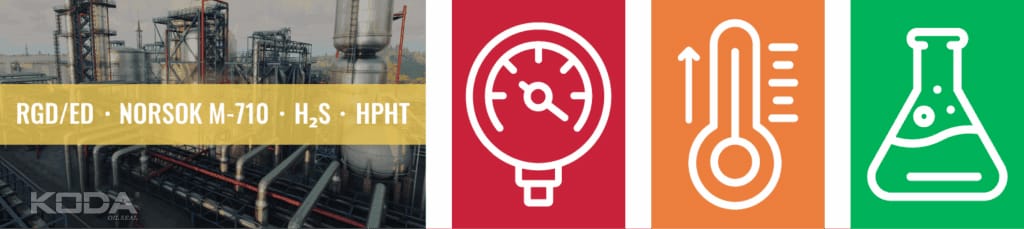
The oil and gas sector exposes seals to extreme pressures, aggressive chemicals, and harsh environmental conditions.
API Standards
The American Petroleum Institute (API) publishes numerous standards governing equipment reliability and sealing performance within upstream, midstream, and downstream operations.
NACE Requirements
NACE standards address material performance in corrosive environments, particularly those involving hydrogen sulfide exposure.
Environmental Compliance
Leak prevention is a major compliance concern due to increasing environmental regulations related to emissions and contamination control.
Many operators select advanced Seals specifically engineered to support fugitive emission reduction initiatives.
Medical Device Industry Requirements
Medical applications require strict compliance with patient safety regulations and biological compatibility standards.
ISO 13485 Certification
ISO 13485 establishes quality management requirements specifically for medical device manufacturers and suppliers.
Biocompatibility Testing
Materials must demonstrate compatibility with human tissue and bodily fluids while minimizing risks of toxicity or allergic reactions.
Sterilization Resistance
Medical seals often undergo repeated sterilization cycles involving steam, radiation, or chemical agents.
Renewable Energy and Emerging Industries
The rapid growth of renewable energy technologies has created new compliance challenges for sealing solutions.
Wind Energy Applications
Seals must withstand UV exposure, temperature fluctuations, moisture, and long maintenance intervals.
Battery Energy Storage Systems
Growing battery markets require sealing materials compatible with thermal management fluids, fire protection systems, and electrical insulation requirements.
Hydrogen Infrastructure
Hydrogen applications present unique sealing challenges involving permeation resistance, pressure containment, and long-term material compatibility.
Documentation and Traceability Requirements
Regulatory compliance extends beyond product performance. Increasingly, organizations require comprehensive documentation including:
Material certifications
Certificates of conformity
Batch traceability records
Inspection reports
Test certificates
Manufacturing process documentation
Comprehensive documentation helps manufacturers demonstrate compliance during audits, inspections, and customer evaluations.
How to Select a Compliant Seal Supplier
Choosing the right supplier is essential for maintaining regulatory compliance throughout the product lifecycle.
✔ Verify Certifications
✔ Request Material Documentation
✔ Review Testing Capabilities
✔ Evaluate Traceability Systems
✔ Confirm Industry Experience
✔ Assess Global Regulatory Knowledge
Working with experienced suppliers of Seals can significantly reduce compliance risks while improving operational reliability and product quality.
Frequently Asked Questions
1. Why are regulatory requirements important for seals?
Regulatory requirements help ensure safety, environmental protection, product quality, and reliable performance across various industrial applications.
2. Which industries have the strictest seal compliance requirements?
Pharmaceutical, medical device, aerospace, food processing, and oil & gas industries typically impose the most demanding compliance standards.
3. What certifications should a seal supplier have?
Common certifications include ISO 9001, IATF 16949, AS9100, ISO 13485, and industry-specific compliance documentation depending on the application.
4. How does environmental legislation affect seal materials?
Regulations such as REACH and RoHS restrict hazardous substances and encourage the development of safer, more sustainable sealing materials.
5. What documents are commonly required to demonstrate seal compliance?
Manufacturers often provide certificates of conformity, material certifications, inspection reports, traceability records, and compliance declarations to support regulatory requirements.