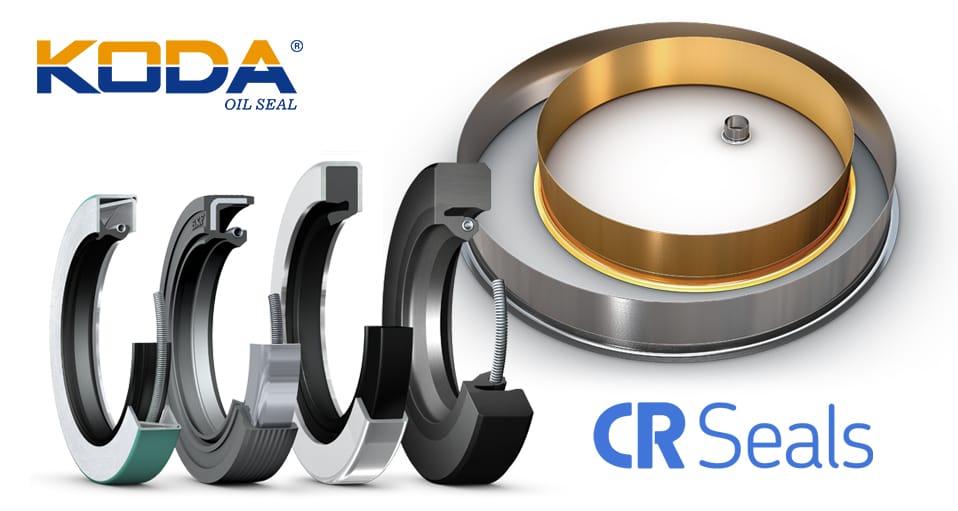
Understanding CR Seals in Rotary Shaft Sealing Applications
In the sealing industry, the term CR Seal can sometimes create confusion. While some engineers associate “CR” with Chloroprene Rubber material, in many industrial catalogs and oil seal specifications, CR refers to a specific oil seal design type rather than the seal material itself.
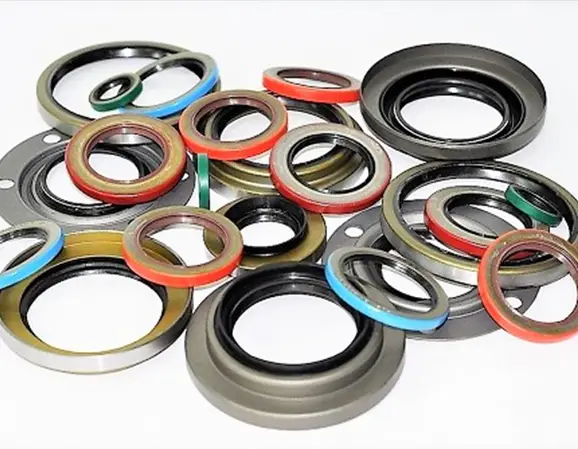
A CR oil seal is a widely used rotary shaft seal design developed for retaining lubricants and preventing contaminants from entering mechanical systems. It is commonly found in electric motors, gearboxes, pumps, reducers, agricultural equipment, automotive assemblies, industrial machinery, and power transmission systems.
Unlike material classifications such as NBR, FKM, HNBR, or Silicone, the CR designation primarily describes the structural configuration of the oil seal. Depending on application requirements, CR oil seals can be manufactured using different elastomer materials while maintaining the same sealing profile.
What Is a CR Oil Seal?
A CR oil seal is a radial shaft sealing solution engineered to retain lubricants inside rotating equipment while preventing external contaminants such as dust, dirt, moisture, mud, and debris from entering the system.
The design has become one of the most commonly used oil seal configurations due to its simple construction, reliable sealing performance, easy installation, and cost-effectiveness.
Modern CR Seals are widely utilized in equipment where lubrication retention and contamination exclusion are critical for operational efficiency and equipment longevity.
Basic Structure of a CR Oil Seal
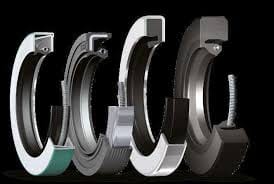
Although designs may vary slightly among manufacturers, a standard CR oil seal generally consists of several key components working together to create an effective sealing system.
Sealing Lip
The sealing lip is the primary contact point between the seal and rotating shaft. It creates a controlled interference fit that retains lubricants while minimizing friction.
Garter Spring
Most CR oil seals incorporate a garter spring positioned around the sealing lip. This spring maintains consistent radial pressure against the shaft surface and compensates for wear during operation.
Metal Case
The metal reinforcement provides structural stability and ensures secure installation within the housing bore.
Elastomer Body
The elastomer section bonds to the metal case and provides flexibility, sealing performance, and environmental resistance.
How Does a CR Seal Work?
The operating principle of a CR oil seal is relatively simple yet highly effective. During shaft rotation, the sealing lip maintains controlled contact with the shaft surface.
A thin lubricant film develops between the lip and shaft, reducing friction while preserving sealing integrity. Simultaneously, the lip geometry prevents oil from escaping and blocks contaminants from entering the machinery.
The garter spring continuously applies pressure to ensure consistent sealing performance even as minor wear occurs over time.
This dynamic sealing mechanism allows CR oil seals to function reliably in rotating applications where lubricant retention is essential.
Why CR Oil Seals Remain an Industry Standard
Despite the availability of numerous advanced sealing technologies, CR oil seals continue to dominate many industrial applications.
Their popularity stems from a combination of:
✔ Simple installation
✔ Proven sealing performance
✔ Long service life
✔ Cost-effective manufacturing
✔ Broad material compatibility
✔ Wide industry acceptance
Because of these advantages, CR Seals remain one of the most frequently specified oil seal types worldwide.
Common Materials Used in CR Oil Seals
Although CR identifies the seal design, manufacturers may produce CR oil seals using various elastomer compounds depending on application requirements.
NBR (Nitrile Rubber)
NBR is the most common material used in CR oil seals because of its excellent resistance to lubricants, hydraulic fluids, and petroleum oils.
FKM (Viton®)
FKM materials provide superior heat resistance and chemical compatibility for demanding environments.
Silicone Rubber
Silicone-based CR seals are often selected for applications involving extreme low temperatures or food-grade requirements.
HNBR
Hydrogenated nitrile compounds offer enhanced durability, abrasion resistance, and temperature performance.
Major Industrial Applications of CR Seals
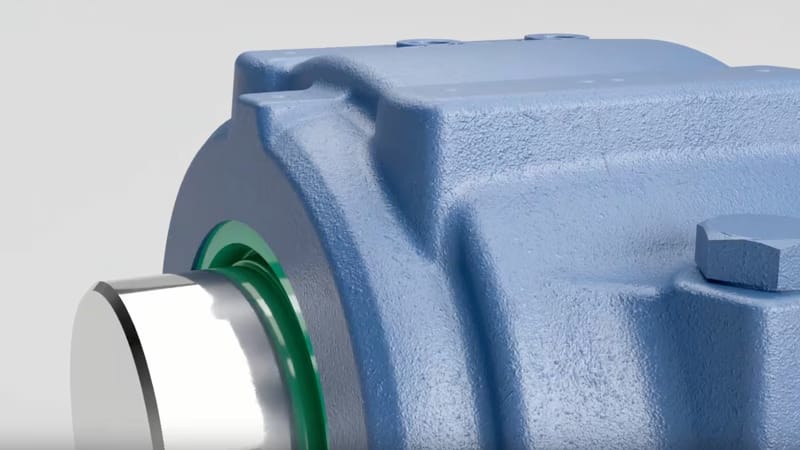
Electric Motors
Electric motors require effective sealing to prevent grease leakage and protect bearings from contamination.
Industrial Gearboxes
CR seals help retain gearbox lubricants while excluding dust and moisture.
Hydraulic Equipment
Many hydraulic power units utilize CR oil seals to prevent fluid leakage around rotating shafts.
Agricultural Machinery
Farming equipment operates in harsh environments where dirt, mud, and water exposure are common challenges.
Automotive Components
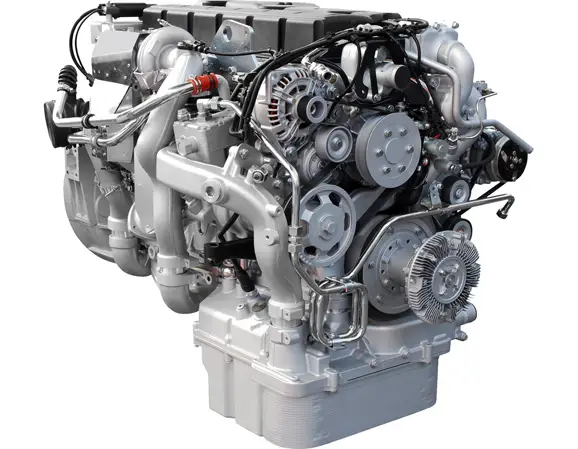
Engines, transmissions, wheel hubs, steering systems, and differential assemblies often incorporate CR-style oil seals.
Pumps and Compressors
CR oil seals help maintain lubricant integrity and operational efficiency in rotating fluid-handling equipment.
Benefits of Using CR Oil Seals
The widespread adoption of CR oil seals is driven by several practical advantages.
Excellent sealing efficiency
Reduced lubricant loss
Lower maintenance costs
Enhanced equipment lifespan
Easy installation procedures
Compatibility with numerous shaft sizes
Cost-effective replacement cycles
Factors Affecting CR Seal Performance
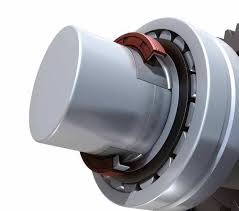
Several variables influence the service life and effectiveness of CR oil seals.
Shaft Surface Finish
A smooth and properly finished shaft surface is essential for maintaining effective lip contact and minimizing wear.
Operating Temperature
Excessive temperatures can accelerate elastomer aging and reduce sealing performance.
Rotational Speed
Higher shaft speeds generate additional friction and heat, requiring careful material selection.
Lubricant Type
The chemical compatibility between the sealing material and lubricant significantly impacts longevity.
Environmental Contamination
Dust, abrasive particles, water, and chemicals can affect seal wear rates and operational reliability.
CR Seal vs TC Seal
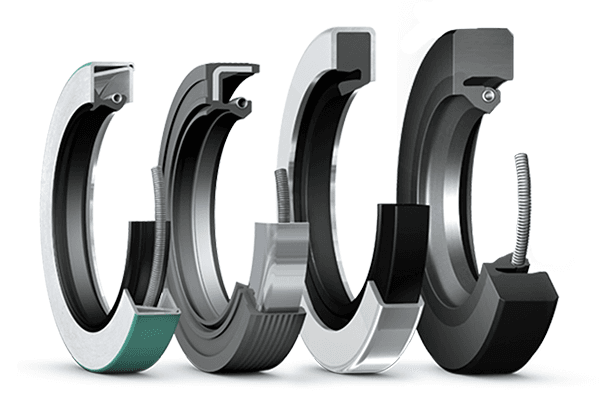
Many buyers compare CR oil seals with TC oil seals when selecting sealing solutions.
CR Oil Seal: Typically features a primary sealing lip and focuses on lubricant retention.
TC Oil Seal: Usually includes an additional dust lip for enhanced contamination protection.
CR Oil Seal: Suitable for cleaner operating environments.
TC Oil Seal: Better suited for dusty or heavily contaminated conditions.
While both designs are widely used, the final choice depends on environmental exposure and application requirements.
Installation Best Practices
Proper installation is critical for maximizing seal performance.
Clean all housing surfaces thoroughly.
Inspect shaft condition before installation.
Apply suitable lubrication to the sealing lip.
Use proper installation tools.
Avoid lip damage during assembly.
Verify correct alignment after installation.
Following these practices helps ensure the full performance potential of CR Seals.
Future Trends in CR Oil Seal Design
Advancements in manufacturing technology continue to improve CR oil seal performance. Enhanced elastomer formulations, precision molding techniques, and improved spring designs are extending service life and increasing operational efficiency.
As industrial equipment becomes more compact and energy-efficient, sealing systems must also evolve. Modern CR oil seals are increasingly engineered to reduce friction, improve lubricant retention, and support longer maintenance intervals.
Manufacturers worldwide continue investing in next-generation CR Seals that deliver higher reliability while meeting modern industrial performance expectations.
Frequently Asked Questions
1. What does CR mean in CR oil seals?
In many oil seal classifications, CR refers to a specific oil seal design structure rather than the elastomer material used to manufacture the seal.
2. What is the primary function of a CR oil seal?
Its primary purpose is to retain lubricants within rotating equipment while preventing contaminants from entering the system.
3. What materials can be used to manufacture CR oil seals?
Common materials include NBR, FKM, HNBR, silicone rubber, and other specialized elastomer compounds depending on application requirements.
4. Where are CR oil seals commonly used?
They are widely used in motors, pumps, gearboxes, agricultural machinery, compressors, hydraulic systems, and automotive assemblies.
5. How does a CR oil seal differ from a TC oil seal?
A CR oil seal generally focuses on lubricant retention with a primary sealing lip, while a TC oil seal typically incorporates an additional dust lip for enhanced contamination protection.