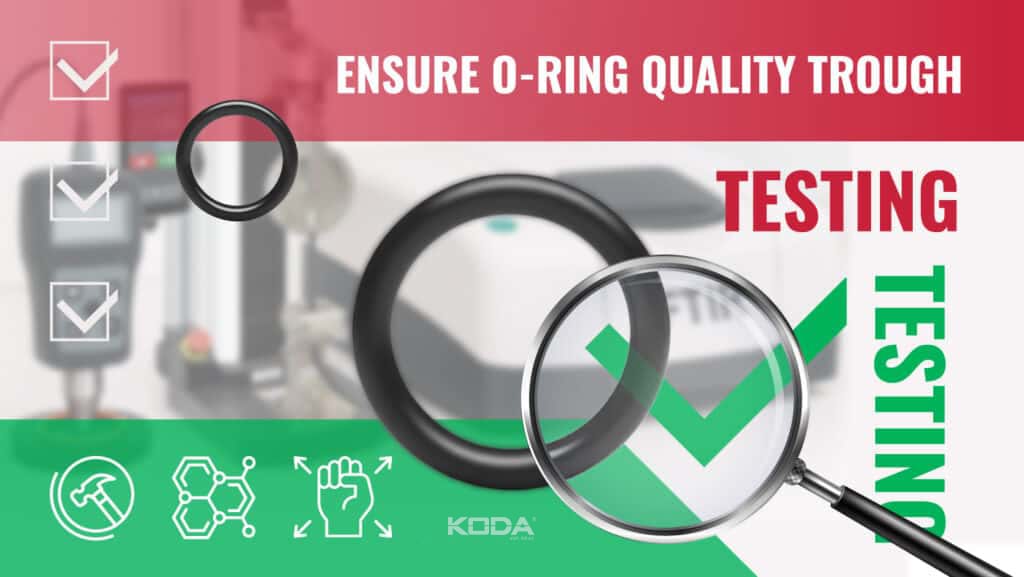
Why O-Ring Quality Testing Matters
O-rings may appear simple, but their performance often determines whether entire systems operate reliably or suffer leakage, downtime, and costly failures. In hydraulic systems, automotive components, medical devices, industrial machinery, and aerospace equipment, sealing reliability begins with verified product quality. That is why testing is essential to ensuring consistent oring quality.
High-quality O-rings are not defined by appearance alone. Material consistency, dimensional accuracy, mechanical properties, and performance validation all contribute to dependable sealing. Through proper testing, manufacturers and users can verify whether O-rings meet performance requirements before they reach critical applications.
🔍 Key Principle: O-ring quality is proven through testing, not assumed through appearance.
What Defines O-Ring Quality?
Quality in elastomer seals goes beyond meeting dimensional specifications. It includes material performance, process consistency and long-term reliability.
Material Integrity
Compound formulation directly affects sealing performance, durability and chemical compatibility.
Dimensional Precision
Accurate tolerances help ensure proper fit and consistent sealing behavior.
Functional Performance
O-rings must perform under pressure, temperature changes and environmental exposure.
Core Elements of O-Ring Quality
• Material consistency
• Dimensional accuracy
• Mechanical durability
• Application performance
Testing helps verify each of these critical elements contributing to dependable oring quality.
Why Testing Is Essential for O-Rings
Preventing Seal Failure
Testing identifies defects or performance weaknesses before products reach service.
Supporting Consistency
Even small variations in production can affect sealing behavior. Testing helps control consistency.
Reducing Risk in Critical Applications
In industries where leakage can cause serious consequences, quality validation is vital.
✔ Benefits of Testing
• Improved reliability
• Lower failure risk
• Better process control
• Stronger quality assurance
Dimensional Inspection Testing
Dimensional accuracy is one of the first steps in evaluating O-ring quality.
Inner Diameter Verification
Correct inner diameter ensures proper fit and sealing compression.
Cross Section Measurement
Cross section affects squeeze and sealing force, making accurate measurement essential.
Tolerance Control
Testing dimensional tolerances helps confirm compliance with required standards.
📏 Typical Dimensional Checks
• Inner diameter
• Cross section
• Roundness
• Surface defects
Material Property Testing
Material testing is a major part of validating oring quality.
Hardness Testing
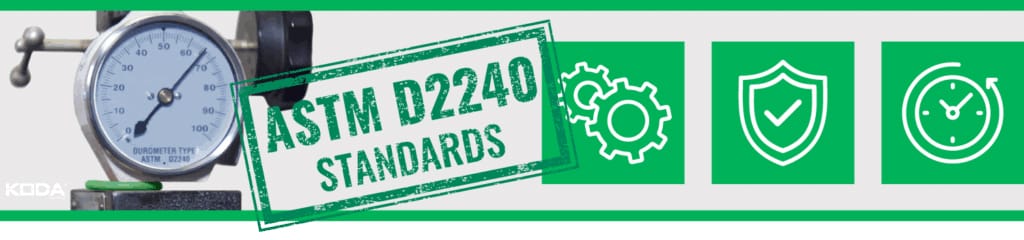
Hardness testing helps verify whether the elastomer meets specified sealing requirements.
Tensile Strength Testing
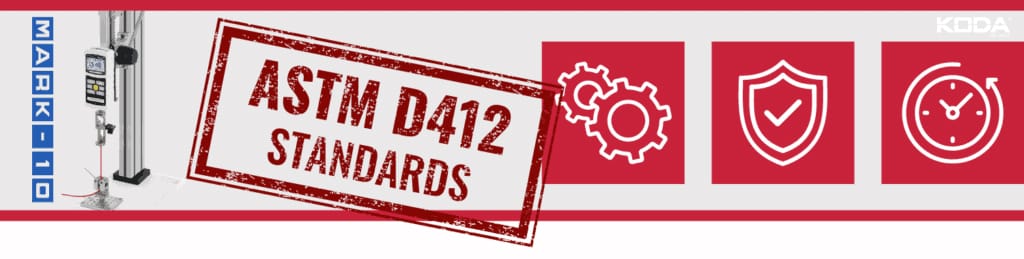
This evaluates the material’s ability to resist stretching and mechanical stress.
Elongation Testing
Measures flexibility and deformation capability before failure.
⚙ Mechanical Property Testing Helps Verify
• Durability
• Elasticity
• Strength
• Compound consistency
Compression Set Testing
Compression set is one of the most important O-ring performance tests.
What Compression Set Measures
It evaluates how well an O-ring recovers after prolonged compression.
Why It Matters
Seals with poor recovery may lose sealing force over time.
Compression set performance is often critical when assessing long-term oring quality.
🔥 Compression Set Impacts
• Leakage prevention
• Long-term reliability
• Maintenance intervals
Chemical Compatibility Testing
Many O-rings operate in oils, fuels, solvents or aggressive chemicals. Compatibility testing verifies resistance to those media.
Fluid Immersion Testing
Evaluates swelling, shrinkage or property changes after exposure.
Chemical Resistance Validation
Confirms material suitability for intended operating fluids.
🧪 Chemical Testing Prevents:
• Material degradation
• Swelling failures
• Compatibility mistakes
• Premature seal breakdown
Temperature and Aging Tests
Environmental exposure can strongly affect seal life.
Heat Aging Tests
Evaluate long-term material stability at elevated temperatures.
Low Temperature Flexibility
Tests performance in cold operating environments.
Accelerated Aging Evaluations
Help predict long-term performance under simulated service conditions.
✔ Environmental Performance Tests
• Heat resistance
• Cold flexibility
• Aging durability
• Thermal stability
Pressure and Leakage Testing
Performance testing under real sealing conditions is critical.
Leak Testing
Validates whether seals maintain proper sealing under pressure.
Pressure Cycling Tests
Repeated pressure fluctuations help simulate demanding service conditions.
Application Simulation Testing
Some manufacturers perform testing that closely mirrors actual field conditions.
These tests provide practical evidence of reliable oring quality.
⚠ Important Note: Passing laboratory material tests alone does not guarantee sealing performance without functional testing.
Visual and Surface Defect Inspection
Visual inspection remains an important quality control step.
Checking Surface Imperfections
Flash, cracks, voids or contamination can compromise sealing performance.
Detecting Manufacturing Defects
Inspection helps identify molding issues or process irregularities.
🔎 Common Visual Checks
• Surface finish
• Flash control
• Mold defects
• Surface contamination
Standards and Certification Testing
Industry standards often support consistent quality verification.
Material Standards
Testing may follow recognized industry specifications for elastomer properties.
Quality Certifications
Certified quality systems often support stronger process consistency.
Traceability and Documentation
Documentation helps support confidence in product quality.
⭐ EEAT Perspective: Reliable O-ring quality comes from proven testing methods, documented controls and experienced manufacturing expertise.
How Buyers Can Evaluate O-Ring Quality
When sourcing seals, buyers should look beyond price alone.
Quality Evaluation Checklist
✓ Review test capabilities
✓ Ask for material data
✓ Verify dimensional controls
✓ Check performance testing methods
✓ Confirm quality certifications
✓ Review supplier consistency
Strong testing programs are often the best indicator of dependable long-term sealing performance.
Frequently Asked Questions
1. Why is O-ring testing important?
Testing verifies material performance, dimensions and sealing reliability before products enter service.
2. What is compression set testing for O-rings?
Compression set testing measures how well an O-ring recovers after long-term compression.
3. How does chemical testing support O-ring quality?
It confirms whether materials resist swelling, degradation and failure in specific fluids or chemicals.
4. Can visual inspection alone confirm O-ring quality?
No. Visual inspection helps identify defects, but full quality evaluation requires material and performance testing.
5. What should buyers look for in O-ring quality assurance?
Look for strong testing programs, quality certifications, material documentation and reliable manufacturing controls.