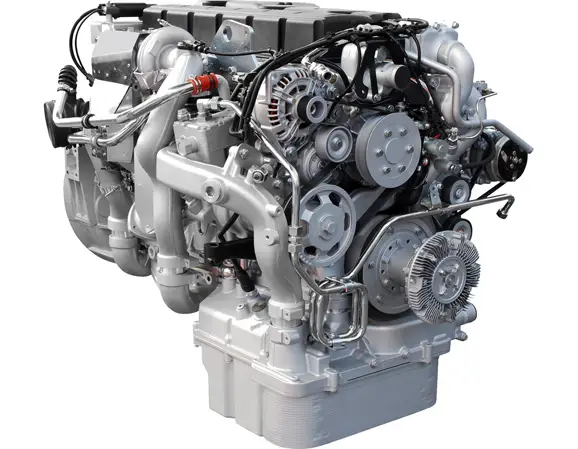
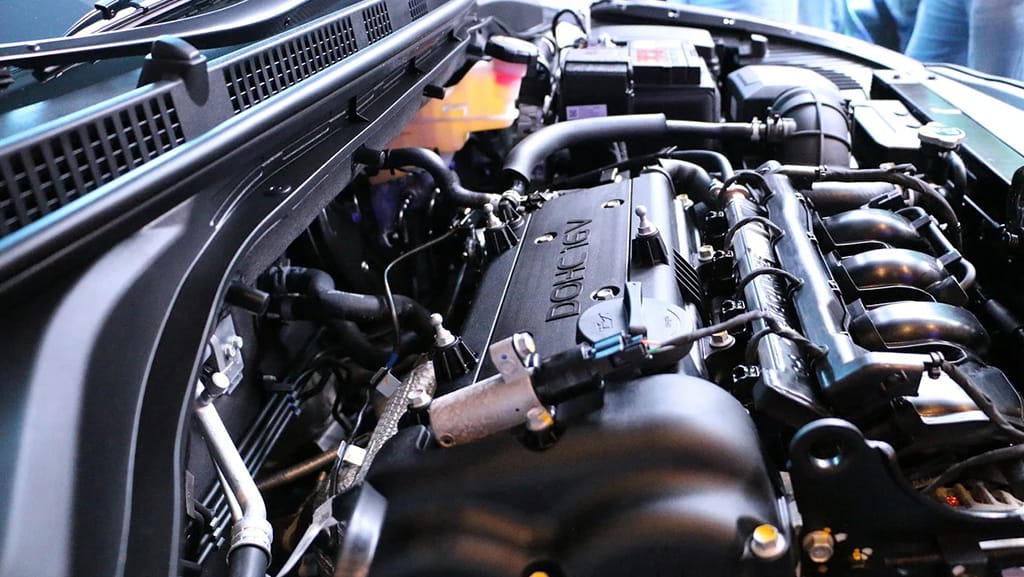
Modern vehicles rely on multiple components to maintain smooth performance, reduce vibration, and improve driving comfort. While many drivers focus on tires, engines, and transmissions, few understand the importance of O-rings and engine mounting systems. A common question among car owners is: How many engine mounts does a car have? The answer varies depending on the vehicle design, engine size, and drivetrain layout. At the same time, O-rings play a critical role in supporting engine sealing systems and preventing fluid leakage throughout the vehicle.
Understanding Engine Mounts and Their Function
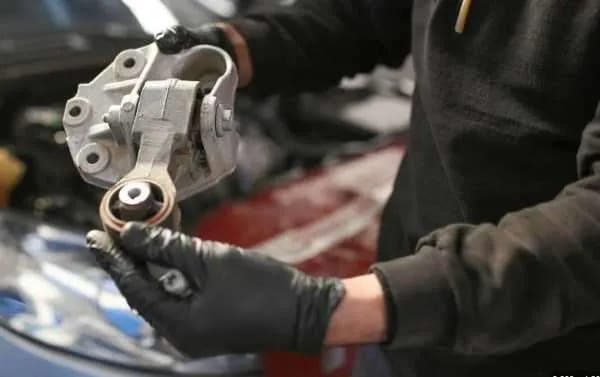
Engine mounts are essential components that connect the engine to the vehicle chassis. Their main purpose is to absorb vibration, stabilize the engine, and reduce movement during acceleration, braking, and cornering. Most passenger cars use between 3 and 5 engine mounts, though larger SUVs and trucks may require additional support points.
✔ Typical engine mount configurations include:
• Front engine mount
• Rear engine mount
• Left-side transmission mount
• Right-side engine mount
• Additional torque mounts for high-performance vehicles
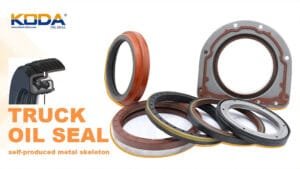
The durability of mounting systems depends heavily on high-quality sealing materials. O-rings are commonly used within hydraulic engine mounts to maintain pressure integrity and prevent oil leakage. These small sealing components help extend the lifespan of both the mount and the engine assembly.
For drivers seeking reliable automotive mounting components, high-quality engine mounts are essential for ensuring vehicle stability and comfort.
Why O-Rings Matter in Automotive Applications
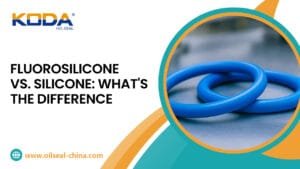
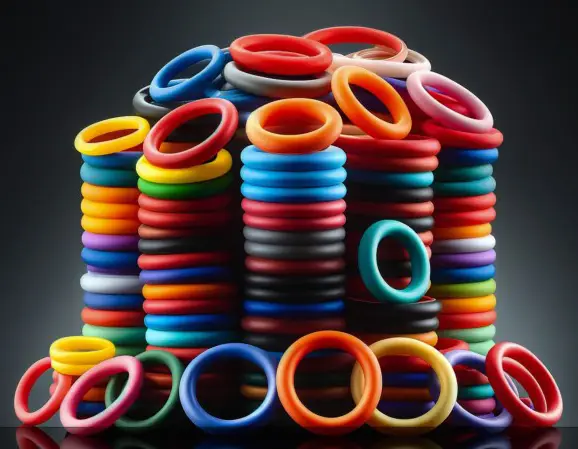
O-rings are circular elastomer seals designed to prevent gas and fluid leakage between connected mechanical parts. In modern vehicles, they are found in fuel systems, hydraulic assemblies, air conditioning systems, oil pumps, and engine mount structures.
Because vehicles operate under high temperatures and constant vibration, O-rings must maintain elasticity and sealing capability over long periods. Poor-quality seals can lead to oil leaks, coolant loss, and hydraulic failure.
Key Benefits of Automotive O-Rings:
• Excellent resistance to oil and chemicals
• Reliable sealing under pressure
• Long service life in extreme temperatures
• Reduction of mechanical vibration leakage
• Improved fuel and fluid efficiency
How Many Engine Mounts Does a Typical Car Have?
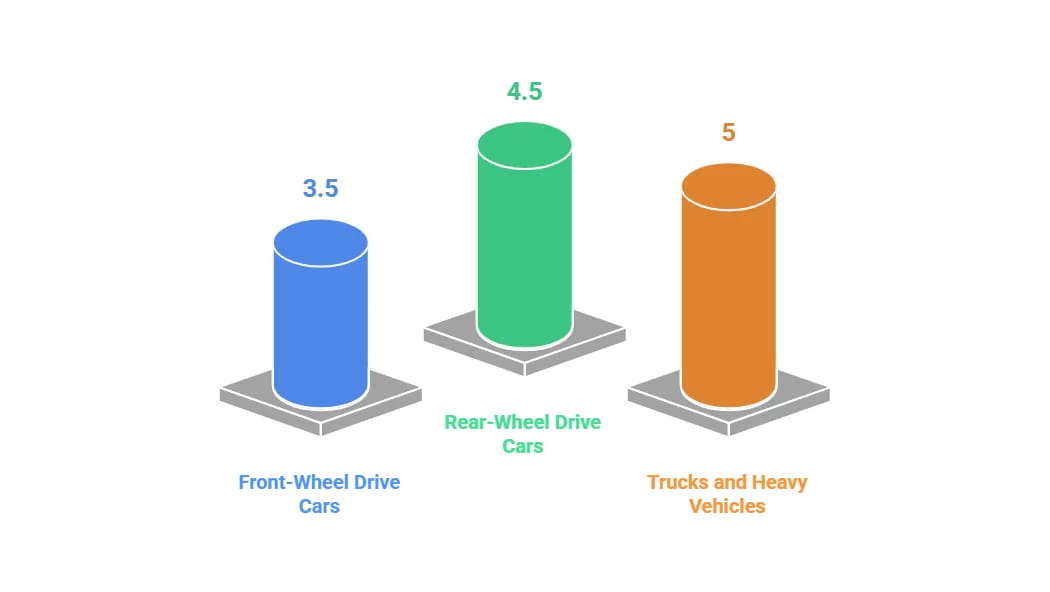
The number of engine mounts depends on engine layout and drivetrain design. Smaller compact vehicles generally use fewer mounts, while performance vehicles require additional support.
Front-Wheel Drive Vehicles
Most front-wheel-drive cars use 3 or 4 engine mounts. Since the engine and transmission are positioned transversely, mounts are strategically placed to control torque movement and vibration.
Common FWD mount layout:
• One upper engine mount
• One transmission mount
• One rear torque mount
• Optional front torque stabilizer
Rear-Wheel Drive Vehicles
Rear-wheel-drive vehicles often use 2 engine mounts and 1 transmission mount. The longitudinal engine placement distributes weight differently, reducing the need for additional side supports.
SUVs and Trucks
Heavy-duty vehicles may contain 4 to 6 engine mounts. Diesel engines generate stronger vibration and torque, making reinforced mounting systems necessary.
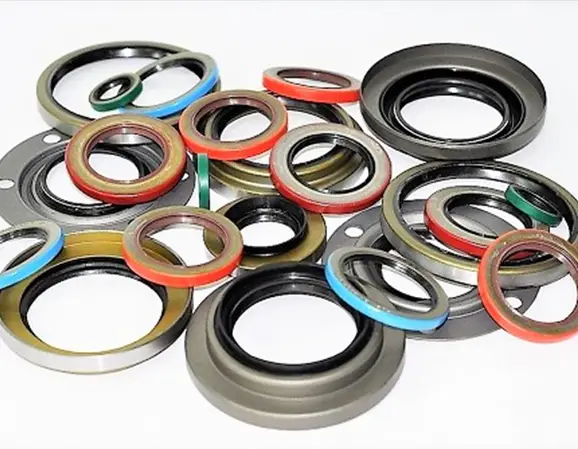
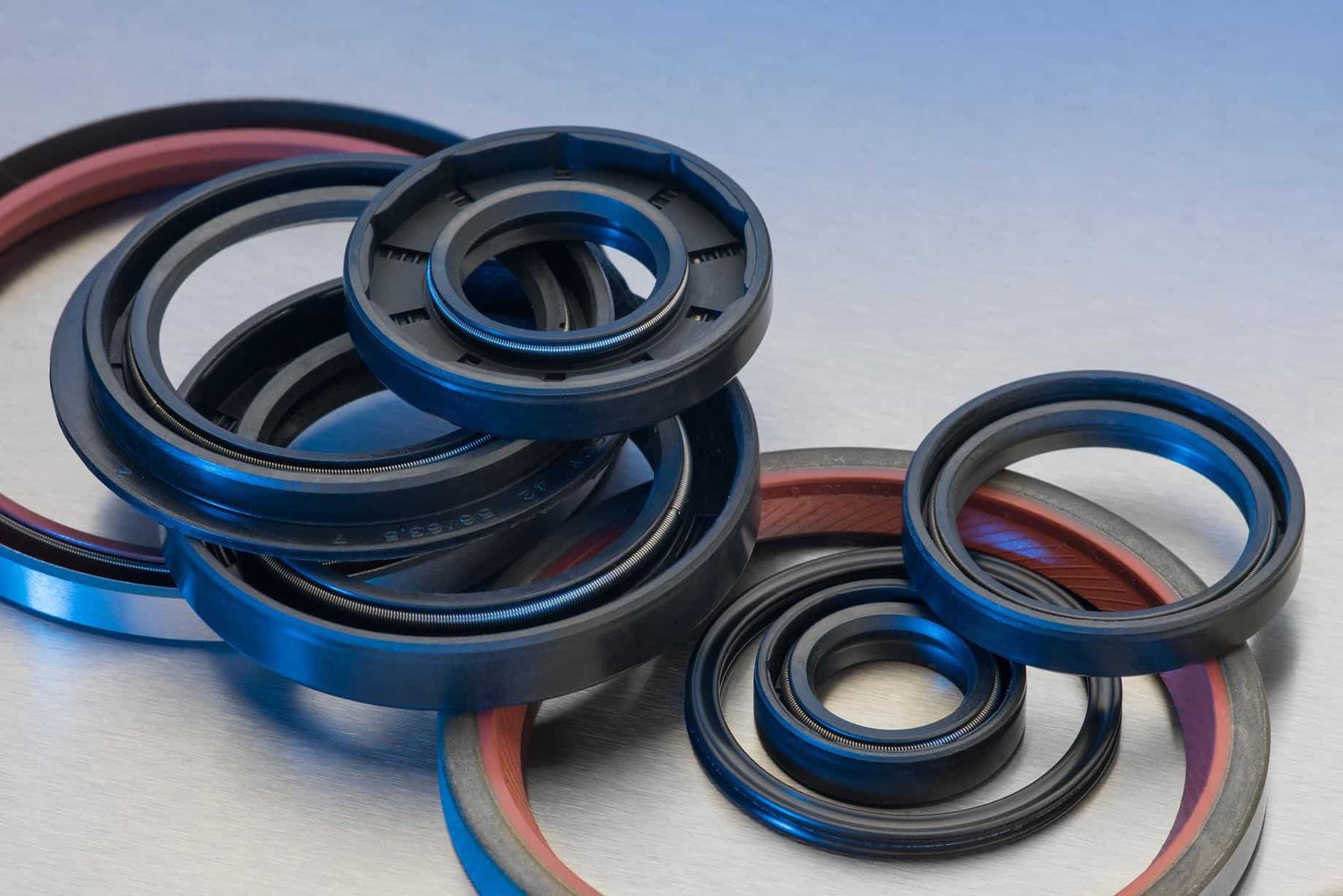
Durable sealing systems inside hydraulic mounts rely heavily on precision O-rings to maintain performance over time.
The Relationship Between Engine Mounts and O-Rings
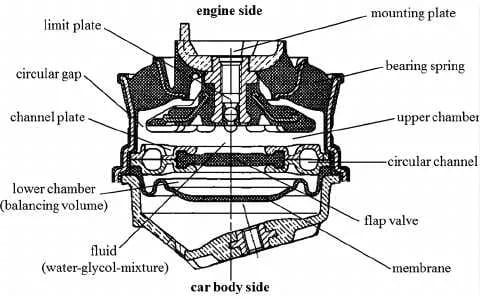
Hydraulic engine mounts contain internal fluid chambers that absorb vibration more effectively than solid rubber mounts. O-rings are critical within these systems because they maintain the hydraulic seal and prevent fluid leakage.
Without properly functioning O-rings:
• Hydraulic fluid may leak
• Vibration levels increase
• Engine movement becomes unstable
• Mount lifespan decreases significantly
This is why automotive manufacturers demand high-quality sealing materials capable of withstanding heat, oil exposure, and continuous stress.
Reliable automotive-grade engine mounts help reduce cabin vibration and improve driving comfort across all vehicle categories.
Common Materials Used in Automotive O-Rings
Choosing the correct O-ring material is essential for automotive reliability. Different applications require specific resistance levels to temperature, oil, and chemicals.
Nitrile Rubber (NBR)
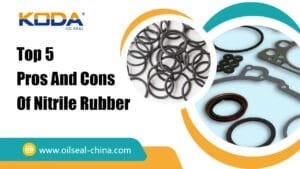
NBR O-rings are widely used because they provide excellent resistance to petroleum-based oils and fuels. They are affordable and suitable for most automotive systems.
Fluorocarbon (FKM/Viton)
FKM O-rings offer superior heat and chemical resistance, making them ideal for high-performance engines and turbocharged applications.
Silicone O-Rings
Silicone seals perform well under extreme temperatures and are commonly used in cooling systems and electronic components.
EPDM Rubber
EPDM materials resist water and steam effectively, making them suitable for brake systems and coolant assemblies.
Important Selection Factors:
✔ Temperature resistance
✔ Pressure capability
✔ Oil compatibility
✔ Chemical exposure
✔ Durability under vibration
Signs of Failing Engine Mounts

Engine mounts naturally wear over time due to heat, vibration, and road conditions. When mounts fail, drivers may experience several noticeable symptoms.
Excessive Engine Vibration
One of the earliest signs of mount failure is increased vibration inside the cabin, especially when idling.
Clunking or Impact Noise
Damaged mounts may allow the engine to shift excessively during acceleration or braking, creating loud knocking sounds.
Visible Fluid Leakage
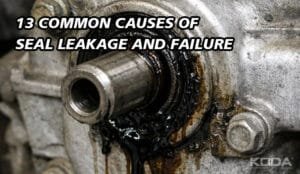
Hydraulic mounts may leak fluid if internal O-rings deteriorate or crack under pressure.
Engine Misalignment
Broken mounts can cause the engine to tilt or shift position, potentially affecting driveline alignment and transmission performance.
Ignoring damaged engine mounts may lead to:
• Transmission stress
• Exhaust system damage
• Increased cabin noise
• Accelerated component wear
How O-Rings Improve Vehicle Reliability
Although O-rings are small components, they play a massive role in vehicle reliability. Proper sealing prevents contamination, maintains pressure, and protects internal components from premature wear.
Automotive systems that commonly rely on O-rings include:
• Fuel injectors
• Oil filters
• Hydraulic steering systems
• Brake assemblies
• Air conditioning compressors
• Turbocharger systems
• Hydraulic engine mounts
The quality of an O-ring directly impacts system safety and long-term performance.
Premium-grade engine mounts combined with advanced sealing technology can significantly improve driving smoothness and reduce maintenance costs.
How Manufacturers Test Automotive O-Rings
To meet automotive industry standards, O-rings undergo extensive testing procedures before production approval.
Temperature Resistance Testing
Seals are exposed to extreme heat and cold to evaluate elasticity and durability.
Pressure Simulation
Testing machines simulate real-world hydraulic pressure conditions to verify sealing performance.
Chemical Compatibility Analysis
Manufacturers expose O-rings to oils, fuels, coolants, and solvents to ensure long-term resistance.
Vibration Durability Testing
Continuous vibration cycles replicate engine operating conditions and road stress.
High-quality O-rings contribute to:
• Reduced maintenance frequency
• Improved fuel efficiency
• Longer engine mount lifespan
• Enhanced driving comfort
• Better environmental protection
Choosing the Right Engine Mounts and O-Rings
Selecting the correct components requires attention to material quality, compatibility, and manufacturing precision.
Consider Vehicle Type
Compact cars, SUVs, trucks, and sports cars require different mounting designs and sealing materials.
Evaluate Operating Conditions
High-temperature environments and aggressive driving conditions demand advanced O-ring materials like FKM or silicone.
Check OEM Specifications
Using components that meet OEM standards ensures proper fitment and reliable performance.
Prioritize Durability
Investing in premium automotive seals and mounts reduces long-term repair costs and improves safety.
Trusted suppliers of engine mounts often provide solutions designed specifically for modern automotive vibration control systems.
The Future of Automotive Sealing Technology
As electric vehicles and hybrid systems become more common, automotive sealing technology continues to evolve. Modern EVs still require vibration isolation and fluid sealing systems, though designs differ from traditional combustion engines.
Future O-ring technologies focus on:
• Higher temperature resistance
• Eco-friendly materials
• Reduced friction
• Longer maintenance intervals
• Enhanced chemical stability
Advanced hydraulic mount systems will continue relying on precision-engineered O-rings to improve noise reduction and passenger comfort.
Frequently Asked Questions
1. How many engine mounts does most cars have?
Most passenger vehicles use between 3 and 5 engine mounts depending on engine layout and drivetrain configuration.
2. What is the purpose of O-rings in engine mounts?
O-rings maintain hydraulic seals inside fluid-filled engine mounts, preventing leaks and reducing vibration.
3. How long do engine mounts usually last?
Engine mounts typically last between 5 and 10 years, though driving conditions and component quality affect lifespan.
4. What causes O-rings to fail?
Heat, chemical exposure, pressure, and aging can cause O-rings to crack, harden, or lose elasticity.
5. Can damaged engine mounts affect vehicle performance?
Yes. Failed mounts can increase vibration, create noise, damage nearby components, and negatively impact driving comfort and safety.