Understanding Fabric Reinforced Seals in Modern Fluid Power Systems
Fluid power systems rely on reliable sealing technology to maintain hydraulic pressure, prevent leakage, improve efficiency, and extend equipment life. Among numerous sealing solutions, Fabric Reinforced Seals have become an essential choice for demanding hydraulic and pneumatic applications because they combine the elasticity of rubber with the mechanical strength of reinforced fabric.
Unlike conventional elastomer seals, fabric reinforced products provide significantly higher resistance to extrusion, abrasion, deformation, and pressure spikes. These characteristics make them widely used in hydraulic cylinders, heavy machinery, mining equipment, agricultural machines, offshore systems, injection molding equipment, aerospace support equipment, and industrial presses.
📌 Engineering Insight:
Fabric reinforcement distributes mechanical stress throughout the seal body, allowing the elastomer to maintain flexibility while significantly increasing structural stability under high pressure.
What Are Fabric Reinforced Seals?
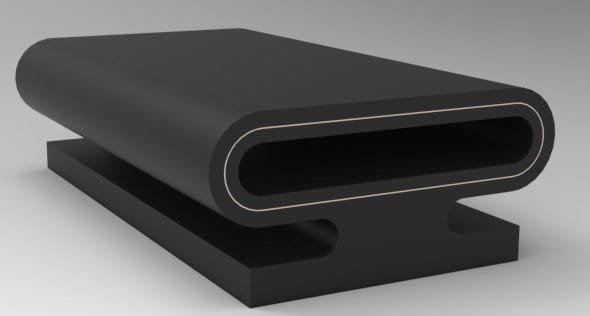
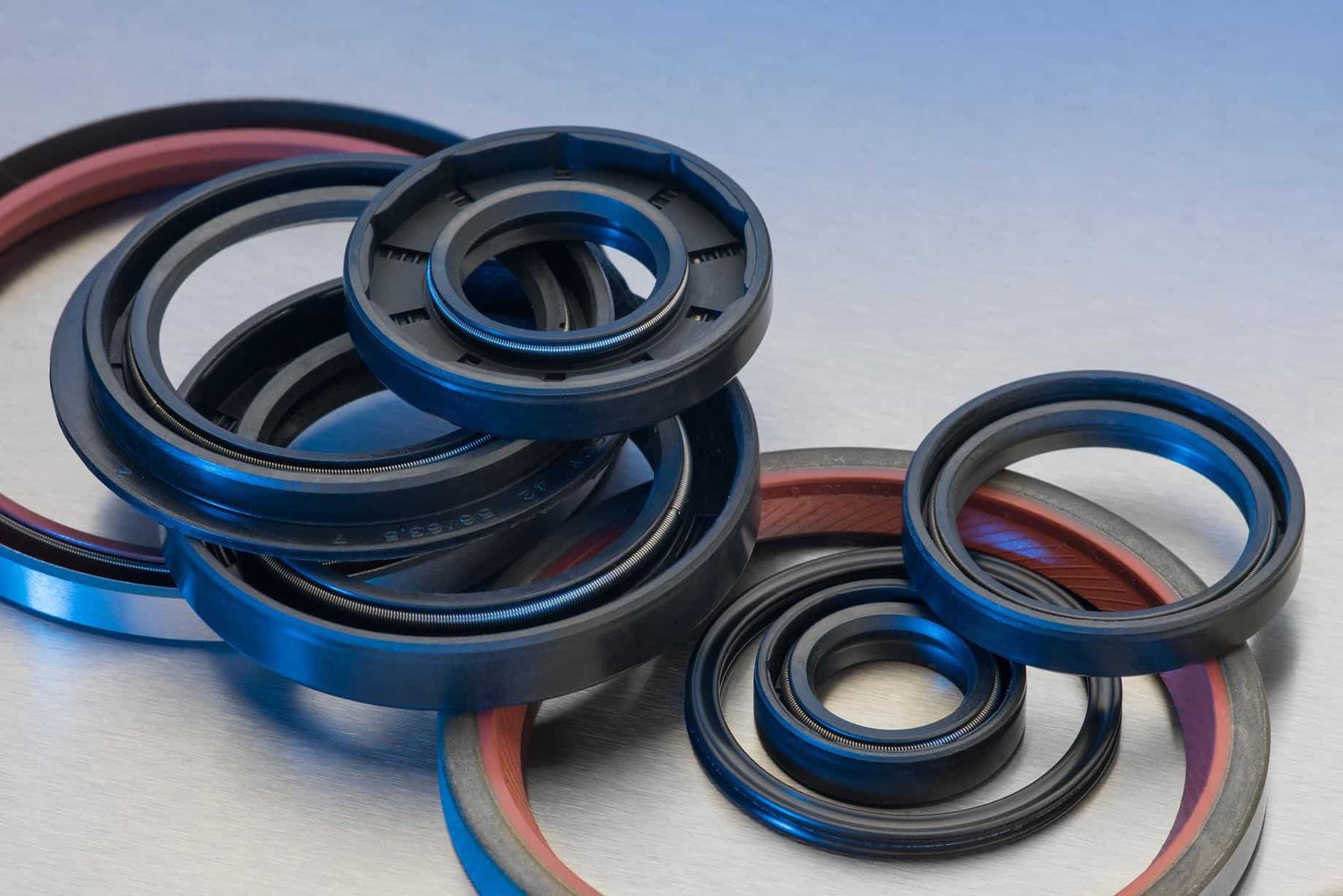
Fabric reinforced seals are composite sealing components manufactured by bonding woven textile reinforcement with engineered elastomers. The reinforcement may consist of cotton, polyester, nylon, aramid fibers, or other industrial fabrics depending on operating conditions.
The rubber layer provides sealing capability while the embedded fabric improves dimensional stability, tensile strength, tear resistance, and pressure resistance. This hybrid construction enables the seal to withstand severe dynamic motion that would quickly damage ordinary rubber seals.
✓ Main Advantages
- Excellent resistance to extrusion
- Improved wear resistance
- Lower deformation under continuous pressure
- Longer service life
- Stable sealing during reciprocating movement
- High load carrying capability
- Suitable for heavy-duty hydraulic cylinders
How Fabric Reinforced Seals Work in Fluid Power Systems
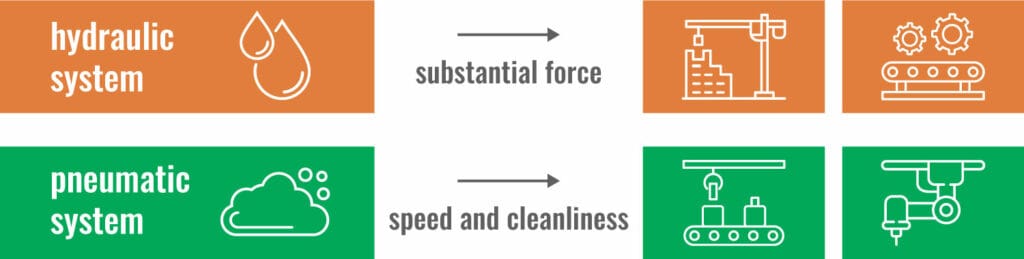
Fluid power systems convert hydraulic or pneumatic pressure into mechanical motion. Every actuator depends on multiple sealing elements to maintain pressure balance and minimize internal leakage.
During cylinder operation, hydraulic pressure pushes the seal against the mating surface. The elastomer creates the sealing interface while the embedded fabric controls deformation. Instead of allowing the rubber to stretch excessively, the reinforcement limits expansion and distributes stress more evenly.
This design becomes particularly valuable when pressure exceeds 20 MPa or when shock loads repeatedly occur during machine operation.
⚙️ Typical Operating Pressure:
Many fabric reinforced hydraulic seals are commonly applied between 10 MPa and over 40 MPa depending on seal design, groove geometry, material selection, lubrication conditions, and backup ring configuration.
Common Materials Used in Fabric Reinforced Seals
Elastomer Materials
Different elastomers provide different chemical compatibility and temperature capability.
| Material | Temperature | Typical Applications |
|---|---|---|
| NBR | -30°C to +100°C | Hydraulic oil |
| HNBR | -40°C to +150°C | High-performance hydraulic systems |
| FKM | -20°C to +200°C | Chemical processing |
| PU | -35°C to +110°C | Heavy-duty cylinders |
Fabric Reinforcement
Common reinforcement materials include woven cotton fabric, polyester fabric, nylon fabric, and aramid fabric. Aramid reinforcement provides exceptional tensile strength while polyester offers excellent dimensional stability and moisture resistance.
Engineering Properties
The performance of a reinforced seal depends on both the elastomer and reinforcement. Typical engineering parameters include:
- Hardness: Usually 70–95 Shore A depending on material.
- Tensile Strength: Higher than comparable non-reinforced seals.
- Compression Set: Lower values improve long-term sealing.
- Abrasion Resistance: Particularly important for reciprocating cylinders.
- Thermal Conductivity: Rubber has relatively low thermal conductivity, making lubrication and cooling important.
- Chemical Resistance: Determined primarily by elastomer selection.
💡 Selection Tip:
Always match seal material with hydraulic fluid compatibility rather than selecting based solely on operating temperature.
Relevant ASTM and ISO Standards
Several internationally recognized standards are commonly referenced when designing, testing, or specifying sealing products.
- ASTM D2000 – Rubber material classification
- ASTM D2240 – Shore hardness testing
- ASTM D412 – Tensile properties of rubber
- ASTM D395 – Compression set evaluation
- ISO 3601 – O-ring dimensions and quality
- ISO 5597 – Hydraulic cylinder seals
- ISO 6072 – Hydraulic compatibility requirements
Compliance with these standards improves consistency between manufacturers and simplifies quality verification during engineering projects.
Corrosion Resistance and Metal Components
Although reinforced seals themselves are primarily elastomer-based, they frequently operate alongside metallic glands, pistons, retainers, backup rings, and sealing washers. Material compatibility should therefore include both elastomer chemistry and corrosion resistance of surrounding metal components.
Stainless steel components generally offer superior corrosion resistance compared with carbon steel. Brass and bronze components are often selected for hydraulic fittings due to their machinability and corrosion resistance.
Annealed Copper Washer Principle
Although copper washers differ from fabric reinforced seals, they are frequently used together within hydraulic assemblies.
Annealing heats copper above its recrystallization temperature before controlled cooling. This process restores ductility, allowing the washer to deform plastically under bolt load and conform to surface irregularities, thereby improving sealing performance.
Unlike elastomer seals, annealed copper sealing relies on controlled plastic deformation rather than elastic recovery.
Installation Best Practices
- Inspect groove dimensions before installation.
- Remove machining burrs.
- Lubricate seal surfaces with compatible hydraulic oil.
- Avoid twisting during assembly.
- Use proper installation tools.
- Protect sealing lips from sharp edges.
- Verify piston rod surface finish.
- Inspect alignment before pressurization.
🔧 Poor installation remains one of the leading causes of premature seal failure, regardless of seal quality.
Selection Guide
Engineers typically evaluate the following factors when selecting Fabric Reinforced Seals:
- Working pressure
- Pressure spikes
- Operating temperature
- Hydraulic media
- Dynamic speed
- Surface finish
- Clearance gap
- Expected service interval
- Environmental contamination
Typical Applications
- Hydraulic cylinders
- Construction machinery
- Mining equipment
- Agricultural machinery
- Marine hydraulic systems
- Steel production equipment
- Injection molding machines
- Industrial presses
- Oil and gas equipment
Case Example (Industry Experience)
Example Only:
A heavy-duty hydraulic cylinder used in construction equipment experienced repeated seal extrusion after pressure spikes during lifting operations. Engineers replaced a conventional elastomer piston seal with a fabric reinforced design while maintaining the same groove dimensions.
After installation, maintenance inspections reported significantly reduced extrusion marks and more stable sealing performance throughout scheduled service intervals. This example represents general engineering experience rather than documented customer performance data.
Laboratory Test Example
Illustrative Laboratory Example:
Engineers may compare standard rubber seals and reinforced seals through compression set testing (ASTM D395), tensile testing (ASTM D412), hardness verification (ASTM D2240), and reciprocating wear simulation. These laboratory evaluations help compare relative performance under controlled conditions without representing production field life.
Failure Mode Analysis
Typical Failure Modes
- Extrusion caused by excessive clearance.
- Abrasive wear from contaminated hydraulic oil.
- Chemical degradation due to incompatible fluids.
- Thermal aging from excessive operating temperature.
- Compression set after prolonged static loading.
- Installation damage.
- Surface scoring from poor rod finish.
- Fabric delamination caused by severe overload.
Root cause analysis should always consider system pressure history, lubricant condition, component alignment, and operating environment before replacing seals.
Maintenance Recommendations

Routine inspection of hydraulic oil cleanliness, rod condition, gland wear, and seal deformation can significantly improve sealing reliability. Predictive maintenance programs that include contamination monitoring and scheduled seal replacement often reduce unexpected downtime in industrial equipment.
For additional engineering information about Fabric Reinforced Seals, selecting the appropriate material and structural design according to operating pressure, media compatibility, installation conditions, and international standards is essential for achieving long-term sealing reliability.
Frequently Asked Questions
1. What are Fabric Reinforced Seals primarily used for?
They are mainly used in hydraulic and pneumatic equipment where high pressure, heavy loads, and dynamic reciprocating motion require superior extrusion resistance and durability.
2. Which elastomer is most common for hydraulic applications?
NBR is the most widely used due to its excellent compatibility with mineral hydraulic oils, while HNBR and FKM are selected for higher temperatures or more demanding environments.
3. How important is seal hardness?
Hardness affects extrusion resistance, wear performance, and sealing force. Typical reinforced seals range from approximately 70 to 95 Shore A depending on application requirements.
4. Can Fabric Reinforced Seals replace standard rubber seals?
In many heavy-duty hydraulic applications they can provide longer service life and improved pressure capability, although groove dimensions, operating conditions, and material compatibility should always be verified before substitution.
5. What is the most common reason for premature seal failure?
The most common causes include contamination, improper installation, excessive extrusion clearance, incompatible hydraulic fluids, and operating temperatures beyond the material’s recommended limits.