Understanding the Real Difference Between Gaskets and Seals
In industrial engineering, automotive manufacturing, hydraulic systems, aerospace equipment, power generation facilities, and countless mechanical assemblies, preventing fluid leakage is a critical design requirement. Two of the most commonly used sealing components are gaskets and seals. Although these terms are frequently used interchangeably, they represent two fundamentally different sealing technologies designed for distinct operating environments.
A misunderstanding of the differences between gaskets and seals can lead to improper component selection, unexpected leakage, equipment failure, increased maintenance costs, and reduced operational efficiency. Whether you are an engineer, purchasing manager, maintenance technician, or equipment manufacturer, understanding how each solution functions can significantly improve system performance and reliability.
Today, advanced Seals and gasket technologies continue evolving to meet the growing demands of high-pressure systems, extreme temperatures, aggressive chemicals, and challenging industrial environments.
Why Leakage Prevention Is Essential in Modern Machinery
Every mechanical system that contains fluids, gases, lubricants, or hydraulic pressure relies on effective sealing technology. Even minor leakage can result in contamination, energy loss, environmental concerns, safety hazards, and expensive equipment damage.
Proper sealing solutions help:
Maintain fluid containment
Protect sensitive components
Prevent contamination ingress
Improve energy efficiency
Reduce maintenance requirements
Extend equipment lifespan
Both gaskets and seals contribute to these objectives, but they achieve them through different engineering principles.
What Is a Gasket?
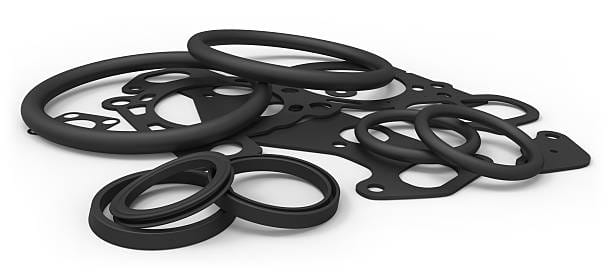
A gasket is a static sealing component placed between two mating surfaces to prevent fluid or gas leakage. When compressed between these surfaces, the gasket fills microscopic irregularities and creates a leak-resistant barrier.
Gaskets are designed for applications where the connected components remain stationary after assembly. They are commonly used in flanged joints, covers, housings, engine components, pumps, and piping systems.
The effectiveness of a gasket depends on proper compression, material compatibility, surface finish quality, and installation accuracy.
Key Characteristics of Gaskets
✔ Static sealing applications
✔ Compression-based sealing mechanism
✔ Suitable for flange connections
✔ Wide material selection
✔ Effective for low and high-pressure systems
What Is a Seal?
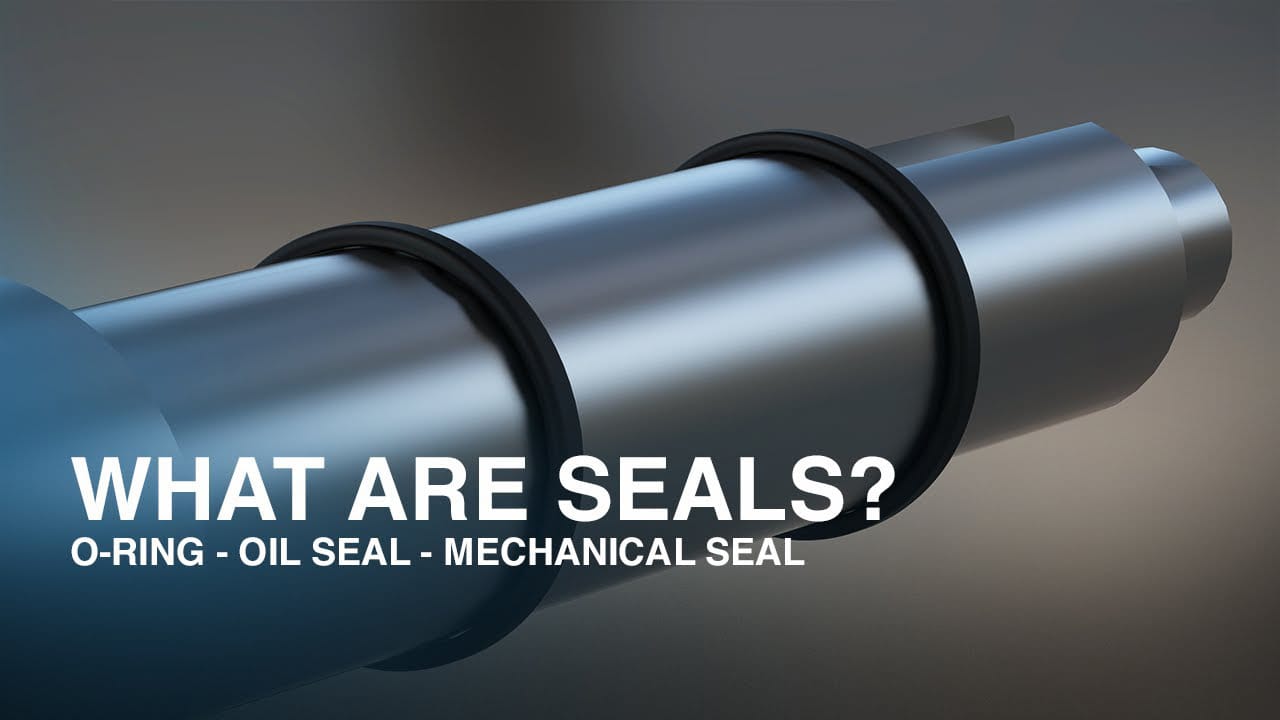
A seal is a mechanical device designed to prevent fluid leakage while accommodating movement between components. Unlike gaskets, seals are often used where one component rotates, reciprocates, oscillates, or moves relative to another.
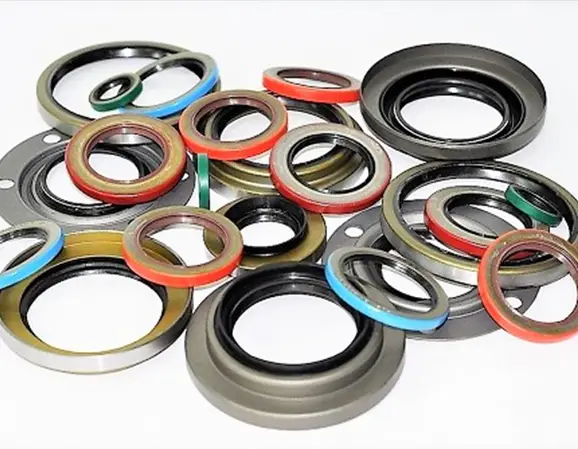
Examples include shaft seals, hydraulic seals, pneumatic seals, mechanical seals, rod seals, piston seals, and rotary oil seals.
Modern Seals are engineered to maintain continuous contact under dynamic operating conditions while minimizing friction and wear.
The Core Difference Between Gaskets and Seals
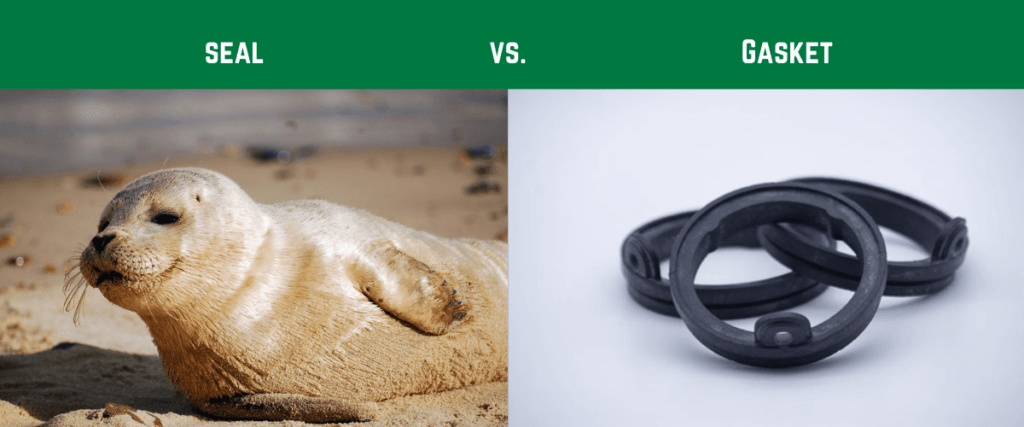
The primary distinction lies in movement.
Gaskets are used where no relative movement exists between mating surfaces. Once installed and compressed, the gasket remains stationary throughout its service life.
Seals, on the other hand, are specifically designed to operate under dynamic conditions where shafts, rods, pistons, or other components move continuously.
This difference affects every aspect of design, including material selection, geometry, installation methods, maintenance requirements, and performance characteristics.
Static vs Dynamic Sealing
Static sealing occurs when both surfaces remain fixed.
Dynamic sealing occurs when at least one component moves relative to another.
Gaskets excel in static sealing applications, while seals dominate dynamic sealing environments.
Common Types of Gaskets
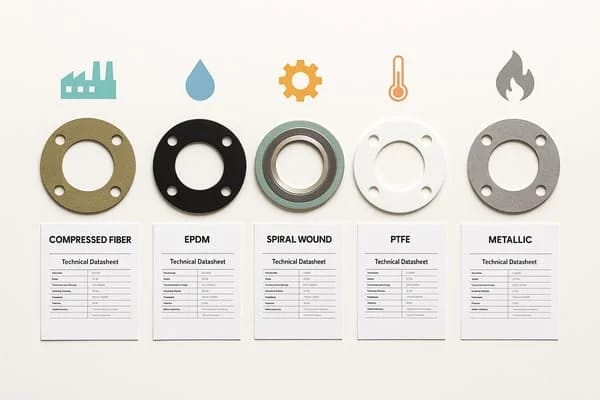
Gaskets are available in numerous designs depending on application requirements.
Flat Gaskets
Among the most common gasket styles, used extensively in industrial piping and machinery.
Spiral Wound Gaskets
Designed for high-pressure and high-temperature applications.
Metal Gaskets
Used in extreme operating conditions where elastomer materials cannot perform effectively.
Rubber Gaskets
Provide excellent flexibility and sealing capability for moderate-pressure applications.
Compressed Fiber Gaskets
Widely used in industrial equipment due to their versatility and cost-effectiveness.
Common Types of Seals
Modern sealing technology includes numerous seal configurations.
Oil Seals
Used to retain lubricants while excluding contaminants from rotating shafts.
Hydraulic Seals
Designed for high-pressure hydraulic cylinders and fluid power systems.
Mechanical Seals
Commonly found in pumps and rotating process equipment.
Piston Seals
Used in hydraulic and pneumatic cylinders to maintain pressure separation.
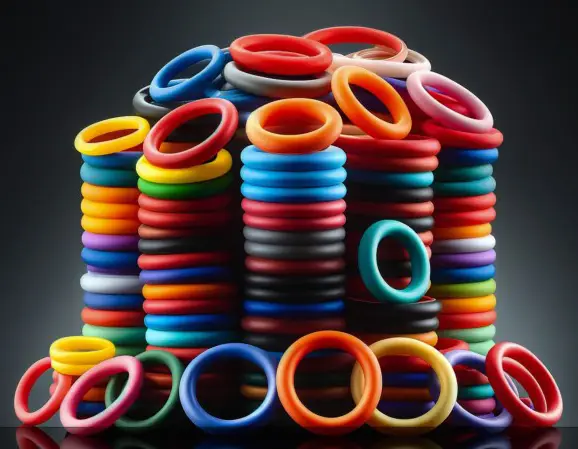
O-Rings
One of the most versatile sealing solutions available for both static and dynamic applications.
Many industries rely on advanced Seals to achieve leak-free operation under demanding operating conditions.
Material Differences Between Gaskets and Seals
Common Gasket Materials
Gasket materials prioritize compressibility and conformity.
Rubber
Graphite
Compressed fiber
PTFE
Metal composites
Cork-rubber blends
Common Seal Materials
Seal materials prioritize flexibility, wear resistance, and dynamic performance.
NBR (Nitrile)
FKM (Fluoroelastomer)
HNBR
Silicone
Polyurethane
PTFE
Applications Where Gaskets Are the Better Choice
Certain operating conditions naturally favor gasket technology.
Pipe flanges
Valve covers
Engine covers
Heat exchangers
Pressure vessel joints
Pump housings
Whenever two stationary surfaces require a leak-free connection, gaskets are typically the preferred solution.
Applications Where Seals Are the Better Choice
Dynamic systems require specialized sealing technology.
Rotating shafts
Hydraulic cylinders
Gearboxes
Automotive transmissions
Industrial pumps
Electric motors
In these environments, advanced Seals provide the flexibility and durability needed to accommodate continuous movement.
Performance Factors That Influence Gaskets and Seals
Several factors determine sealing performance regardless of technology type.
Pressure
Higher pressures require stronger materials and optimized designs.
Temperature
Extreme temperatures can accelerate material degradation.
Chemical Exposure
Material compatibility is essential for long-term reliability.
Movement
Dynamic motion creates friction and wear challenges that only seals can address effectively.
Contamination
Dust, water, and abrasive particles can significantly impact seal performance.
Common Failure Modes of Gaskets
Although generally reliable, gaskets can fail due to:
Insufficient compression
Over-tightening
Compression set
Chemical attack
Thermal cycling
Surface damage
Most gasket failures result in leakage at stationary joints.
Common Failure Modes of Seals
Dynamic operating conditions expose seals to additional stresses.
Lip wear
Extrusion
Spiral failure
Heat degradation
Shaft damage
Contamination ingress
Proper maintenance and material selection are critical for maximizing seal lifespan.
Future Trends in Sealing Technology
The sealing industry continues advancing through improved materials, precision manufacturing, predictive maintenance technologies, and environmentally sustainable designs.
Engineers are increasingly adopting advanced elastomers, PTFE composites, low-friction coatings, and simulation-driven designs to improve both gasket and seal performance.
As industrial systems become more demanding, next-generation Seals and gasket solutions will play an even more important role in improving equipment reliability and reducing lifecycle costs.
Making the Right Choice for Your Application
Choosing between a gasket and a seal is not about determining which technology is superior. Instead, it is about selecting the right solution for the operating conditions involved.
Gaskets are ideal for static sealing interfaces where components remain stationary. Seals are specifically engineered to manage movement, friction, and dynamic operating conditions. Understanding this distinction helps ensure optimal performance, lower maintenance costs, and longer equipment life.
Frequently Asked Questions
1. What is the biggest difference between a gasket and a seal?
A gasket is used between stationary surfaces, while a seal is typically designed to accommodate movement between components.
2. Can a gasket replace a seal?
No. Gaskets and seals serve different functions and are not interchangeable in most applications.
3. Are O-rings considered gaskets or seals?
O-rings are generally classified as seals because they can function in both static and dynamic sealing applications.
4. Which lasts longer, a gasket or a seal?
Service life depends on operating conditions, material selection, installation quality, and maintenance practices rather than component type alone.
5. Why are seals commonly used in rotating equipment?
Seals are specifically designed to maintain leakage control while accommodating shaft movement, friction, and dynamic operating conditions.