
The transmission system is one of the most complex and essential assemblies in any vehicle. Whether equipped with a manual, automatic, continuously variable transmission (CVT), or dual-clutch transmission (DCT), every system relies on precise lubrication and contamination control to operate efficiently. At the center of this protection system is the transmission seal, a critical component designed to retain transmission fluid, exclude contaminants, and ensure long-term drivetrain reliability.
Although transmission seals are relatively small compared to gears, shafts, clutches, and torque converters, their role is enormous. A failed seal can cause fluid leakage, overheating, gear wear, clutch damage, and even complete transmission failure. Understanding how transmission seals work, where they are located, why they fail, and how to select the right replacement is essential for vehicle owners, maintenance professionals, and automotive engineers alike.
This comprehensive guide explains everything you need to know about transmission seals, including design principles, materials, applications, failure analysis, maintenance strategies, and modern industry trends.
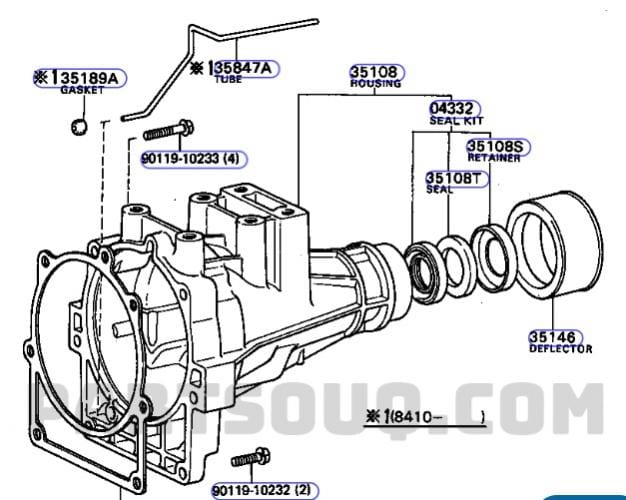
For additional sealing references and technical information, many engineers use a transmission seal diagram to identify sealing locations and understand how fluid retention is achieved throughout the drivetrain system.
🚗 Industry Fact: A transmission can lose significant operating efficiency from even a minor fluid leak, making seal integrity one of the most important factors in drivetrain reliability.
What Is a Transmission Seal?
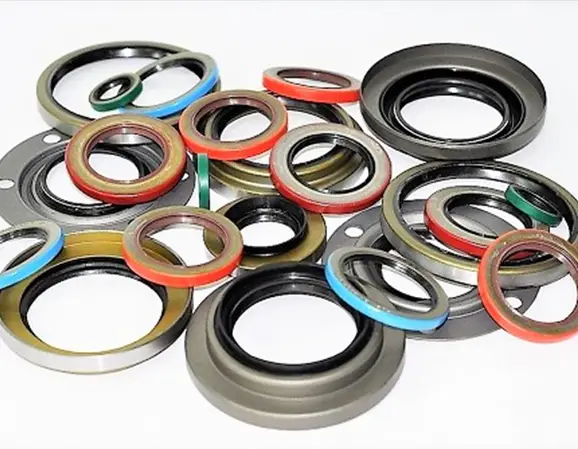
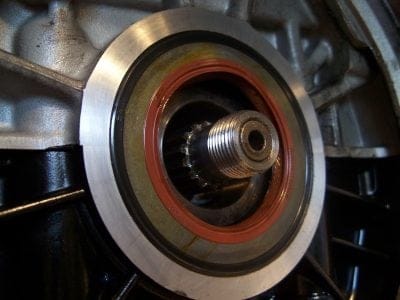
A transmission seal is a specialized rotary shaft sealing component installed throughout a vehicle’s transmission system. Its primary purpose is to prevent transmission fluid from escaping while simultaneously blocking dirt, water, dust, and other contaminants from entering sensitive internal components.
Transmission seals operate under demanding conditions involving:
- Continuous shaft rotation
- Temperature fluctuations
- Pressure variations
- Vibration and shock loads
- Chemical exposure
- Long-term wear cycles
Modern transmission seals are engineered to provide thousands of hours of leak-free operation while maintaining optimal lubrication conditions.
Why Transmission Seals Are So Important
Transmission fluid performs several critical functions:
- Lubricating gears and bearings
- Reducing friction
- Cooling internal components
- Transferring hydraulic pressure
- Protecting against corrosion
- Supporting clutch engagement
Without an effective sealing system, fluid levels decrease rapidly, causing excessive heat generation and accelerated wear throughout the transmission assembly.
⚠️ Important: Many major transmission failures begin with small unnoticed seal leaks that gradually reduce fluid levels over time.
Types of Transmission Seals
Input Shaft Seal
The input shaft seal prevents fluid leakage where engine power enters the transmission through the torque converter or clutch assembly.
This seal experiences constant rotational movement and significant temperature exposure.
Output Shaft Seal
Located where the driveshaft exits the transmission, the output shaft seal prevents transmission fluid from leaking while allowing rotational movement to transfer power to the wheels.
Axle Seals
Front-wheel-drive and transaxle systems utilize axle seals to contain lubricant around axle shafts while accommodating suspension movement and rotational forces.
Torque Converter Seal
Automatic transmissions commonly use torque converter seals to prevent fluid loss around the converter hub.
Selector Shaft Seal
These seals are installed around shift selector shafts and help prevent fluid leakage during gear changes.
A properly designed transmission seal diagram often illustrates all these sealing locations within the drivetrain assembly.
How Transmission Seals Work
Most transmission seals operate using a flexible elastomer sealing lip that maintains constant contact with a rotating shaft.
The sealing lip is energized by:
- Interference fit
- Spring loading
- Fluid pressure
- Elastomer elasticity
This combination creates a dynamic seal capable of adapting to shaft movement while maintaining consistent fluid retention.
Many designs also include dust lips that prevent contaminants from entering the transmission.
Common Materials Used in Transmission Seals
Nitrile Rubber (NBR)
NBR remains one of the most widely used transmission seal materials due to its excellent oil resistance and affordability.
- Good wear resistance
- Excellent oil compatibility
- Cost-effective solution
- Suitable for standard applications
Fluoroelastomer (FKM)
FKM provides superior performance under elevated temperatures and aggressive fluid environments.
- Excellent heat resistance
- Outstanding chemical resistance
- Long service life
- Premium automotive applications
Polyacrylate (ACM)
ACM materials offer excellent resistance to hot transmission fluids and are frequently used in modern automatic transmissions.
PTFE
PTFE-based seals are increasingly used in advanced transmission systems due to their extremely low friction characteristics and exceptional durability.
Symptoms of a Failing Transmission Seal
Recognizing seal failure early can prevent expensive repairs.
Common warning signs include:
- Fluid spots under the vehicle
- Burning fluid odor
- Low transmission fluid level
- Gear slipping
- Delayed shifting
- Abnormal transmission noises
- Transmission overheating
- Dashboard warning lights
These symptoms often indicate a leaking seal requiring immediate inspection.
What Causes Transmission Seal Failure?
Heat Degradation
Transmission seals operate in environments where temperatures can exceed normal elastomer limits.
Excessive heat accelerates:
- Hardening
- Cracking
- Loss of elasticity
- Seal shrinkage
Contamination
Dust, dirt, and abrasive particles can wear sealing lips and damage shaft surfaces.
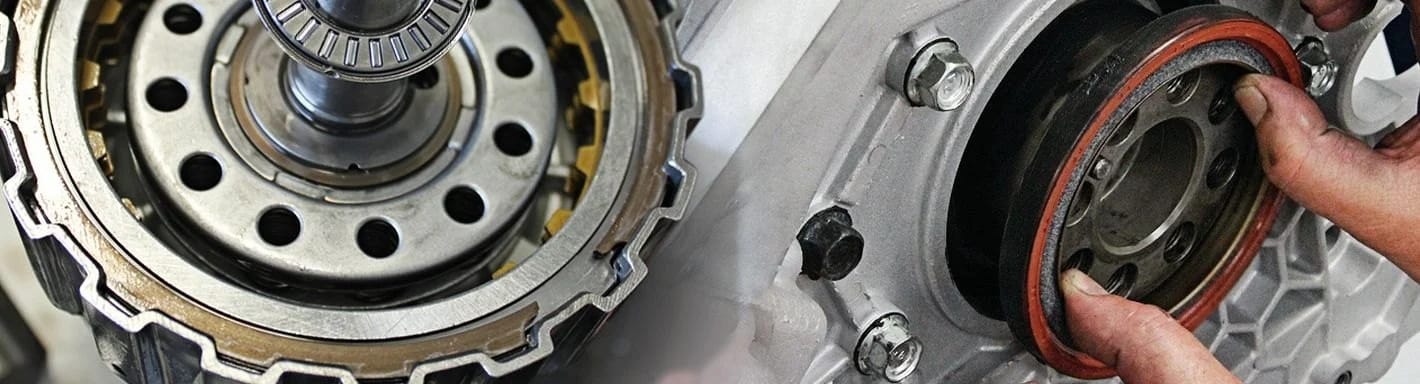
Improper Installation
Installation errors remain one of the leading causes of premature seal failure.
Examples include:
- Seal distortion
- Lip damage
- Incorrect positioning
- Dry installation
Shaft Wear
Even a high-quality seal cannot perform properly if the shaft surface is damaged or worn.
Transmission Seal Maintenance Strategies
Preventive maintenance significantly extends seal life and transmission reliability.
Recommended practices include:
- Regular fluid inspections
- Monitoring fluid color and condition
- Checking for leaks
- Maintaining proper fluid levels
- Inspecting shaft surfaces
- Replacing aging seals proactively
🔍 Maintenance Tip: Small leaks detected early often require only seal replacement, while neglected leaks may result in complete transmission rebuilds.
Transmission Seals in Automatic vs Manual Transmissions
Automatic Transmissions
Automatic transmissions typically contain more sealing points due to:
- Hydraulic control systems
- Torque converters
- Complex fluid circuits
- Higher internal pressures
Manual Transmissions
Manual transmissions generally have fewer sealing locations but still rely heavily on input shaft, output shaft, and selector shaft seals.
Both systems require precision sealing to maintain optimal performance.
Transmission Seal Selection Criteria
Selecting the correct seal involves evaluating several engineering factors:
- Shaft diameter
- Housing dimensions
- Operating temperature
- Rotational speed
- Fluid compatibility
- Pressure exposure
- Environmental conditions
Consulting a detailed transmission seal diagram often helps engineers identify exact sealing requirements.
The Impact of Modern EV and Hybrid Vehicles
The rapid growth of electric and hybrid vehicles is creating new sealing challenges.
Modern drivetrain seals must accommodate:
- Higher rotational speeds
- New lubricant chemistries
- Compact packaging
- Improved efficiency requirements
Manufacturers are increasingly adopting advanced elastomers and PTFE-based sealing technologies to meet these demands.
Future Trends in Transmission Seal Technology
The transmission sealing industry continues to evolve through innovation in materials and manufacturing.
Key developments include:
- Low-friction sealing lips
- Advanced fluoroelastomers
- PTFE hybrid designs
- Predictive maintenance integration
- Environmentally sustainable materials
- Enhanced wear resistance
These innovations help improve fuel economy, reduce emissions, and extend drivetrain lifespan.
Why Transmission Seal Quality Matters
Not all transmission seals are manufactured to the same standards. Premium seals provide tighter dimensional tolerances, superior materials, enhanced durability, and better resistance to wear and fluid degradation.
A quality seal may cost slightly more initially, but the long-term savings from reduced maintenance and improved reliability often far outweigh the purchase price.
Professional technicians frequently reference a detailed transmission seal diagram when diagnosing leaks and selecting replacement components to ensure correct installation and optimal performance.
Frequently Asked Questions
1. What does a transmission seal do?
A transmission seal prevents transmission fluid leakage while keeping contaminants such as dirt, dust, and moisture out of the transmission system.
2. How do I know if my transmission seal is leaking?
Common signs include fluid spots under the vehicle, low transmission fluid levels, shifting issues, burning odors, and transmission overheating.
3. Can I drive with a leaking transmission seal?
While minor leaks may not cause immediate failure, continued driving can lead to fluid loss, overheating, and serious transmission damage.
4. What material is best for transmission seals?
The best material depends on operating conditions, but NBR, ACM, FKM, and PTFE are among the most commonly used options in modern vehicles.
5. How long do transmission seals typically last?
High-quality transmission seals can often last 100,000 miles or more when operating under normal conditions and supported by proper maintenance practices.