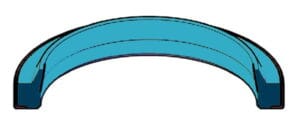
What is an HM oil seal?
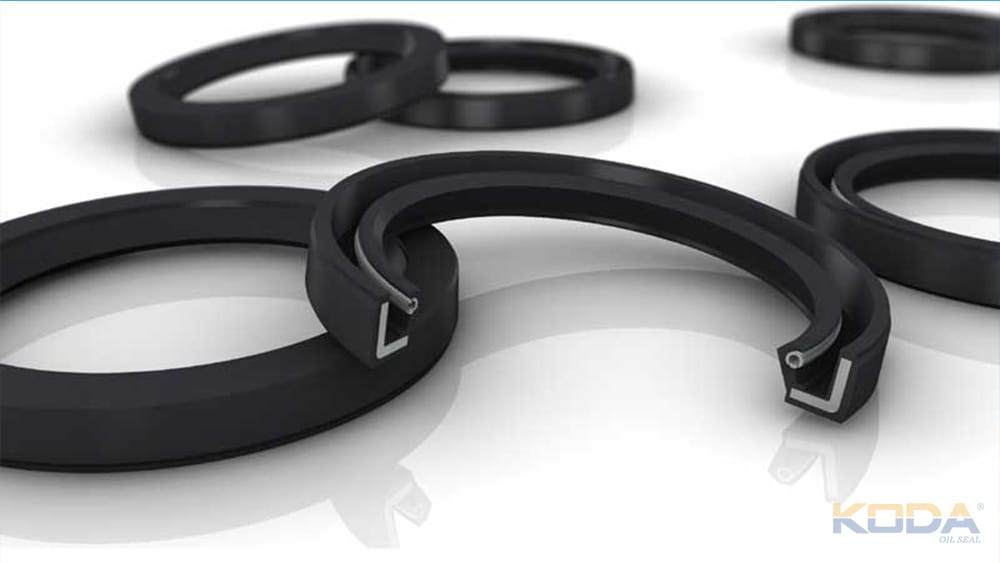
An HM oil seal is a specialized radial shaft lip seal designed to prevent lubricant leakage and block external contaminants in industrial machinery, automotive systems, and heavy-duty equipment. As a critical component in rotating shaft applications, theHM oil seal solves common pain points like oil leaks, premature component wear, and equipment downtime—making it indispensable for industries ranging from manufacturing and construction to automotive and oil and gas.
What Is an HM Oil Seal? Core Definition & Purpose
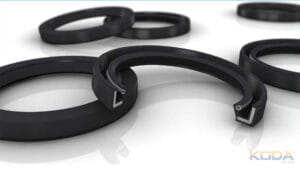
HM oil seals (also known as HM radial oil seals or HM shaft seals) are mechanical sealing components belonging to the category of external metal seals. This is part of a broader family of peripheral metal seals, which also includes variants such as HMA, HMS, and HMSA. Unlike standard seals, HM seals feature a robust metal housing and a flexible elastomer lip, designed to create a tight, durable seal between the rotating shaft and the stationary housing. Their primary uses are twofold: maintaining the seal for internal lubricants (such as oil, grease, or hydraulic fluid) and preventing external contaminants (such as dust, dirt, sand, and moisture) from entering the system.
A key feature of HM seals is their design to withstand dynamic operating conditions, including high speeds, temperature fluctuations, and moderate pressures. Unlike static seals, they maintain integrity even as the shaft rotates, ensuring long-term reliability and reducing the need for frequent replacements. For businesses, this translates to lower maintenance costs, less unplanned downtime, and longer equipment life—key advantages that make HM seals the preferred choice for demanding applications.
Structure & Material Composition of HM Oil Seal
The HM oil seal relies on a synergistic design of metal and elastomer components, each serving a specific role to ensure optimal sealing performance. Below is a detailed breakdown of its structure and material options, tailored to help you select the right HM oil seal for your application:
Core Components of HM Oil Seals
- Metal Housing: The rigid housing of HM oil seals is typically made of cold-rolled or hot-rolled steel and treated with a phosphate coating to prevent corrosion during storage and installation. Its “L”-shaped geometry provides structural rigidity, ensuring the seal is securely mounted within the housing recess without deformation—crucial for maintaining a tight seal between the stationary housing and the rotating shaft. For corrosive environments (e.g., marine, chemical processing), the metal housing can be upgraded to stainless steel (304 or 316) for enhanced rust and corrosion resistance.
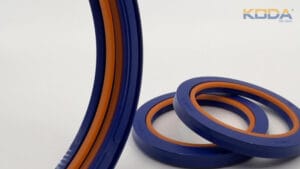
- Elastomer Sealing Lip: The flexible, dynamic component in an HM oil seal that contacts the rotating shaft. This sealing lip is made of a high-performance elastomer, the choice of which depends on the application’s temperature, fluid compatibility, and operating conditions. The lip features a slightly beveled design and is reinforced by an internal spring ring, providing stable radial pressure to compensate for lip wear and maintain sealing performance over the long term.
- Spring Coil: A ring spring surrounding the lip of the elastomer, designed to apply a uniform radial force to the lip, keeping it firmly against the shaft. Even as the elastomer wears, this spring ensures the lip remains in contact with the shaft, preventing leaks and extending the life of the HM oil seal. Standard springs are made of high-carbon steel or piano wire; for corrosive environments, stainless steel springs are recommended.
- Dust Lip (Optional): Many HM oil seal models include an auxiliary dust lip (or secondary lip) located outside the main sealing lip. This dust lip does not have a spring. This extra lip blocks external contaminants such as dust, sand, and debris, preventing them from scratching or damaging the main sealing lip, thus extending the seal’s lifespan.
Common Material Options for HM Oil Seal
The choice of elastomer for the HM oil seal’s lip is critical to its performance—selecting the wrong material can lead to swelling, hardening, or premature failure. Below are the most common materials, their properties, and ideal applications:
- Nitrile Butadiene Rubber (NBR): Nitrile butadiene rubber is the most commonly used material for high-wear-resistant oil seal lips, exhibiting excellent resistance to mineral oils, hydraulic oils, and aliphatic hydrocarbons. Its operating temperature range is -35°C to 100°C, making it ideal for general industrial, automotive, and agricultural applications. Nitrile butadiene rubber is economical and has good wear resistance, but it is incompatible with aromatic solvents, strong acids, and ozone.
- Fluororubber (FKM): Fluororubber is a high-performance fluororubber suitable for harsh environments where high-wear-resistant oil seals must withstand high temperatures (-15°C to 180°C) and corrosive chemicals such as aromatic hydrocarbons, acids, and synthetic fluids. It is commonly used in oil and gas, chemical, and high-temperature industrial applications. Fluororubber has excellent chemical and heat resistance, but its price is higher than that of nitrile butadiene rubber.
- Hydrogenated Nitrile Butadiene Rubber (HNBR): HNBR is an upgraded version of Nitrile Butadiene Rubber (NBR), combining excellent oil resistance, higher heat resistance (-35°C to 150°C), and ozone resistance. It is ideal for applications with moderate temperatures and exposure to corrosive oils, such as automotive engines and hydraulic systems.
- Silicone Rubber (MVQ): Silicone rubber has a wide temperature range (-50°C to 150°C), making it suitable for extremely cold or moderate temperature applications. However, its oil and chemical resistance is relatively poor, therefore it is only recommended for high-temperature oil seals in applications where lubricant compatibility requirements are not high (e.g., some automotive and aerospace applications).
Standard Specifications of HM Oil Seal
HM oil seals are available in both metric and imperial sizes, determined by three key parameters: shaft diameter (inner diameter), housing bore diameter (outer diameter), and seal thickness. Below are some typical specifications for your reference:
Parameter | Typical Range | Notes |
|---|---|---|
Temperature Range | -50°C to 180°C | Depends on elastomer material (NBR: -35°C to 100°C; Viton: -15°C to 180°C) |
Shaft Speed | Up to 15 m/s | Higher speeds may require specialized high-speed HM oil seal designs |
Pressure Resistance | Up to 0.3 MPa (43.5 psi) | For high-pressure applications, select pressure-resistant HM oil seal variants |
Shaft Diameter | 10 mm to 200 mm (metric); 0.5” to 8” (imperial) | Custom sizes available for specialized equipment |
Elastomer Hardness | 70–80 Shore A | NBR: 70 ±5 Shore A; Viton: 75 ±5 Shore A <superscript:6 |
How Does an HM Oil Seal Work? Step-by-Step Principle
HM oil seals maintain reliable sealing performance through the combined effects of mechanical pressure, hydrodynamics, and material elasticity. Understanding how they work helps you identify potential problems and ensure correct installation. Here is a step-by-step explanation:
1. Installation and Initial Sealing: The HM oil seal is pressed into the fixed housing, and the metal outer shell fits tightly against the inner bore of the housing, forming a seal. An elastomer lip, slightly smaller than the shaft diameter, is mounted around the rotating shaft, creating an initial radial interference fit (preload) to prevent immediate leakage.
2. Spring-Assisted Pressure: An internal spring ring applies a constant radial force to the elastomer lip, ensuring tight contact with the rotating shaft. This force compensates for minor lip wear, shaft misalignment, and expansion/contraction due to temperature, thus maintaining sealing performance over the long term.
3. Hydrodynamic Seal: As the shaft rotates, a thin lubricating film forms between the lip and the shaft surface. This film lubricates, reduces lip friction and wear, and forms a “fluid barrier” to prevent excessive lubricant leakage. The beveled design of the lip enhances this effect by creating a slight “pumping action,” drawing any leaked lubricant back into the system.
4. Contamination Protection: The main sealing lip prevents internal lubricant leakage, while an optional dust lip (if available) prevents external contaminants from entering the system. This dual protection ensures that the rotating shaft and internal components remain clean and lubricated, thereby reducing premature wear and failure.
Key Applications of HM Oil Seal
HM oil seals have a wide range of applications, widely used in industries that rely on rotating shafts and lubricated machinery. Their robust design and material flexibility make them suitable for both general and demanding applications.
- Automotive Industry: Engine crankshafts, camshafts, transmission shafts, differential shafts, and wheel hubs. HM oil seals prevent engine and transmission oil leaks, ensuring smooth operation and protecting critical components.
- Industrial Machinery: Pumps, motors, gearboxes, compressors, and conveyors. HM oil seals retain lubricant in rotating parts, reducing friction and extending equipment life—crucial for manufacturing, mining, and construction machinery.
- Oil and Gas Industry: Pipeline pumps, drilling platform components, and processing equipment. Viton-based HM oil seals are the industry’s preferred choice due to their corrosion resistance and high-temperature resistance.
- Agricultural Equipment: Tractor engines, harvester shafts, and irrigation pumps. NBR-based HM oil seals are widely used in this industry due to their cost-effectiveness and mineral oil compatibility.
- Marine Applications: Marine engines, propeller shafts, and marine pumps. Stainless steel HM oil seals (with Viton lips) resist seawater corrosion and harsh marine environments.
- Power Generation: Steam turbine shafts, generator components, and hydraulic systems. High-temperature, high-melting-point oil seals (Viton or HNBR) can withstand the extreme operating conditions of power plants.
Common HM oil seal problems and solutions

Even the highest quality HM oil seals can fail if improperly selected, installed, or maintained. The following lists the most common problems, causes of failure, and practical solutions to help you avoid downtime and costly repairs—addressing your customers’ key pain points.
1. Oil Leakage (Most Common)
Causes: Inappropriate material selection (e.g., using nitrile rubber in aromatic solvents), worn elastomer lip, damaged spring, improper installation (e.g., damaged lip, misalignment), or shaft surface defects (scratches, wear grooves).
Solutions: Select a high-temperature (HM) oil seal compatible with your lubricant and operating temperature. Inspect the shaft for scratches or wear—repair with chrome plating or adhesive if necessary. Ensure proper installation (use specialized tools to avoid damaging the lip) and replace worn seals or springs promptly.
2. Premature Lip Wear
Causes: Insufficient lubrication, lubricant contamination (metal particles, dust), excessive shaft speed, or incorrect elastomer hardness.
Solutions: Use a clean, compatible lubricant and install a dust lip to prevent contamination. Ensure the rated speed of the high-temperature (HM) oil seal matches the shaft speed. Select an elastomer with appropriate hardness (Shore A hardness 70-80) for your application.
3. Elastomer Swelling or Hardening
Causes: Incompatible lubricant or contact with chemicals (e.g., nitrile rubber in aromatics), temperature exceeding the seal’s rated range.
Solutions: Before selecting a high viscosity (HM) seal, confirm its chemical compatibility. In high-temperature or corrosive chemical environments, choose fluororubber (Viton); in standard mineral oil environments, choose nitrile rubber (NBR). Avoid operating equipment outside the seal’s rated temperature range.
4. Seal Misalignment
Causes: Improper installation, misalignment of the housing bore, or shaft misalignment. Misalignment can lead to uneven lip wear and leakage.
Solutions: Use a specialized installation tool to ensure the high viscosity (HM) seal is evenly pressed in and aligned with the shaft. Before installation, check the housing bore and shaft for misalignment and correct it.
5. Contaminant Ingress
Causes: Missing or damaged dust lip, dirty working environment, or poor sealing around the housing.
Solutions: In dirty environments, select an HM seal with a dust lip. Thoroughly clean the installation area and use an oil scraper/scraper to remove external contaminants and prevent them from contacting the oil seal.
How to Select the Right HM Oil Seal
Choosing the right HM seal is crucial for preventing failures and ensuring long-term performance. Follow these steps to make an informed choice.
Step 1: Determine Critical Operating Conditions
- Temperature: Determine the minimum and maximum operating temperatures. Select nitrile rubber (NBR) for -35°C to 100°C, hydrogenated nitrile rubber (HNBR) for -35°C to 150°C, fluororubber (Viton) for -15°C to 180°C, and silicone rubber for extremely cold environments.
- Lubricant/Fluid: List the lubricants or fluids the high viscosity (HM) seal will come into contact with. Nitrile rubber (NBR) is suitable for mineral oils; fluororubber (Viton) is suitable for corrosive chemicals and synthetic fluids.
- Shaft Speed: Check the shaft speed (m/s). Ensure the rated speed of the high viscosity (HM) seal matches this speed—high-speed applications may require special design.
- Environment: Consider whether the seal will be exposed to dust, moisture, salt water, or chemicals. Select a stainless steel housing and fluororubber (Viton) lip for corrosive environments; a dust lip is required for dirty environments.
Step 2: Measure the Correct Dimensions
Measure the shaft diameter (seal inner diameter), housing bore diameter (seal outer diameter), and seal width (thickness). Use calipers for precise measurements—even small errors can lead to leaks or misalignment. HM oil seals are available in both metric and imperial sizes; ensure compatibility with your equipment.
Step 3: Select the Appropriate Material
Select the elastomer and metal housing material based on your operating conditions (temperature, fluid, environment). General applications: Nitrile rubber (NBR) elastomer + steel housing. Harsh environments: Viton fluororubber (Viton) elastomer + stainless steel housing.
Step 4: Verify Standards and Certifications
Ensure that HM oil seals meet the quality and performance requirements of industry standards (e.g., ISO 6194, DIN 3760). For critical applications (e.g., the oil and gas industry), select seals certified to NORSOK M-710 or API standards.
Best Practices for HM Oil Seal Installation & Maintenance
Proper installation and maintenance are key to extending the lifespan of HM oil seals. Follow these best practices to avoid common mistakes and ensure reliable operation.
Installation Best Practices
- Clean Surfaces: Thoroughly clean the shaft, housing bore, and mounting area to remove dirt, debris, and remnants of old seals. Contaminants can damage the elastomer lip and cause leaks.
- Lubricate the Lip: Before installation, apply a thin layer of compatible lubricant (oil or grease) to the elastomer lip and shaft. This reduces friction and prevents lip damage during press-fitting.
- Use Special Tools: Use a press or installation sleeve to evenly press the HM seal into the housing. Avoid striking or prying the seal, as this can damage the metal housing or elastomer lip.
- Check Alignment: Ensure the seal is aligned with the shaft and housing bore. Misalignment can lead to uneven wear and leaks.
- Check Orientation: When installing the HM seal, the elastomer lip should face the lubricant side (inside the machine). Reverse installation will cause immediate leaks.
Maintenance Best Practices
- Regular Inspection: During regular maintenance, inspect the high-modulus seal for signs of leaks, wear, or damage. Inspect the area around the oil seal for oil stains, whether the elastomer is cracked, or whether the spring is missing.
- Replace worn oil seals promptly: Replace high-modulus oil seals immediately upon detecting wear or signs of leakage. Delayed replacement can damage the shaft and other internal components.
- Keep lubricant clean: Change the lubricant regularly and use a filter to remove contaminants. Dirty lubricant accelerates lip wear and oil seal failure.
- Store properly: Store unused high-modulus oil seals in a cool, dry, and dark environment. Avoid direct sunlight, moisture, or contact with chemicals, as these factors can degrade the elastomer’s performance.
HM Oil Seal vs. Other Oil Seal Types
To help you understand why HM oil seals are the right choice for your application, here is a comparison with other common oil seal types:
Seal Type | Key Features | Best For |
|---|---|---|
Metal outer case, elastomer lip with garter spring, optional dust lip; robust and durable | Heavy-duty industrial, automotive, and oil and gas applications; rotating shafts with moderate pressure/speed | |
MH Oil Seal | Rubber outer case; flexible, easy to install; lower rigidity | Light-duty applications; low-pressure, low-speed shafts |
Double lip (sealing + dust lip), metal case; enhanced contaminant protection | Dirty environments (e.g., construction, agriculture) | |
Single lip, metal case; simple design, cost-effective | General-purpose applications with clean environments |
Conclusion
HM oil seals are critical components in rotating shaft applications, reliably maintaining a lubricant seal and preventing contaminant ingress, thus ensuring smooth and efficient operation of machinery. Their robust metal housing, flexible elastomer lip, and spring-assisted design make them suitable for a wide range of industries, from automotive and industrial manufacturing to oil and gas and marine applications.
By understanding the structure, working principles, material selection, and best practices for selecting, installing, and maintaining high modulus oil seals, you can avoid common failures, reduce downtime, and extend equipment life. Whether you need an affordable, general-purpose nitrile butadiene rubber (NBR) high modulus oil seal or a high-performance fluororubber (Viton) seal for harsh environments, the key is to select the appropriate seal based on your specific operating conditions.
For more guidance on how to select the right high modulus oil seal size, material, or design for your application, please consult our experienced and trusted KODA Seals manufacturer.