Understanding Spliced and Vulcanized O-Rings
O-rings are essential sealing components widely used across industries such as automotive, aerospace, oil & gas, and manufacturing. Among the various types, spliced and vulcanized O-rings play a critical role in applications where standard molded O-rings are not suitable due to size limitations or specific design requirements.
🔍 Key Insight: Spliced and vulcanized O-rings are custom-manufactured solutions designed for large diameters or non-standard dimensions, offering flexibility and cost efficiency.
What Are Spliced O-Rings?
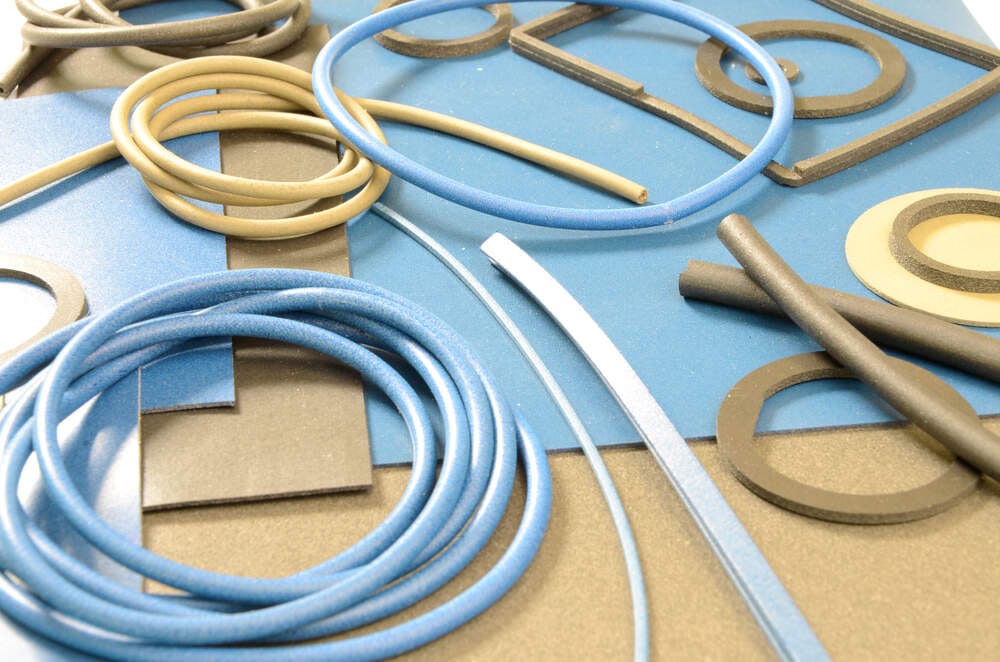
Spliced O-rings are created by cutting a length of elastomer cord and joining the ends together using adhesive or heat bonding. This method allows manufacturers to produce O-rings of virtually any diameter without requiring expensive molds.
These O-rings are typically used in static sealing applications where pressure is relatively low. The joint, however, may represent a weaker point compared to fully molded O-rings.
📌 Important: Spliced O-rings are ideal for large-diameter seals but may not perform well in dynamic or high-pressure environments.
What Are Vulcanized O-Rings?
Vulcanized O-rings are a step above simple splicing. After the ends of the elastomer cord are joined, the joint undergoes a vulcanization process involving heat and pressure. This chemical process strengthens the bond and enhances the mechanical properties of the joint.
As a result, vulcanized O-rings offer improved durability, elasticity, and resistance to environmental factors compared to standard spliced O-rings.
For more detailed technical insights, explore Vulcanized O-Rings.
Manufacturing Process Explained
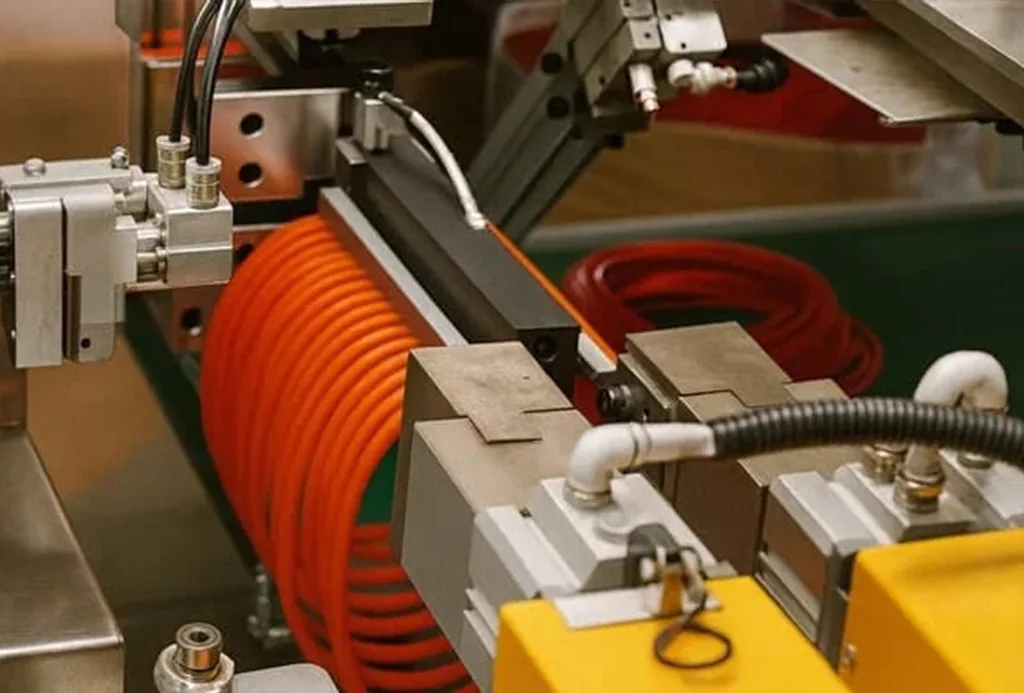
1. Cord Selection
The process begins with selecting the appropriate elastomer cord material such as NBR, EPDM, FKM, or silicone. The material choice depends on the application’s temperature, chemical exposure, and pressure requirements.
2. Cutting and Preparation
The cord is cut to the required length with precision to ensure a seamless fit. The ends are carefully prepared to ensure proper bonding.
3. Joining Process
For spliced O-rings, adhesive bonding is used. For vulcanized O-rings, the ends are subjected to heat and pressure to create a chemically bonded joint.
4. Finishing and Inspection
The finished O-ring undergoes inspection to ensure dimensional accuracy and joint integrity.
⚙️ Pro Tip: Vulcanization significantly improves joint strength, making it suitable for more demanding applications.
Key Differences Between Spliced and Vulcanized O-Rings
While both types are used for custom sealing solutions, they differ in performance and application suitability.
Strength: Vulcanized O-rings have stronger joints.
Durability: Vulcanized versions last longer under stress.
Cost: Spliced O-rings are generally more economical.
Application: Spliced for static, vulcanized for dynamic or demanding conditions.
Learn more about high-performance sealing options at Vulcanized O-Rings.
Advantages of Spliced and Vulcanized O-Rings
Flexibility in Size
These O-rings can be manufactured in extremely large diameters, making them ideal for tanks, pipelines, and industrial equipment.
Cost Efficiency
Without the need for custom molds, production costs are significantly reduced.
Material Versatility
Available in a wide range of elastomers to suit various environmental conditions.
💡 Highlight: Customization capability is the biggest advantage, especially for non-standard applications.
Limitations to Consider
Despite their advantages, these O-rings are not without drawbacks.
Joint Weakness: The splice or vulcanized joint may still be weaker than molded O-rings.
Not Ideal for High Pressure: Especially true for spliced variants.
Surface Uniformity: Slight inconsistencies may occur at the joint.
Common Applications
Spliced and vulcanized O-rings are widely used in:
Industrial tanks and vessels
Large hydraulic systems
Pipeline sealing
Food processing equipment
Automotive sealing systems
For industrial-grade sealing solutions, visit Vulcanized O-Rings.
Material Options and Their Benefits
NBR (Nitrile Rubber)
Excellent resistance to oils and fuels, widely used in automotive applications.
EPDM
Ideal for water and weather resistance, commonly used in outdoor applications.
FKM (Viton)
High-temperature and chemical resistance, suitable for harsh environments.
Silicone
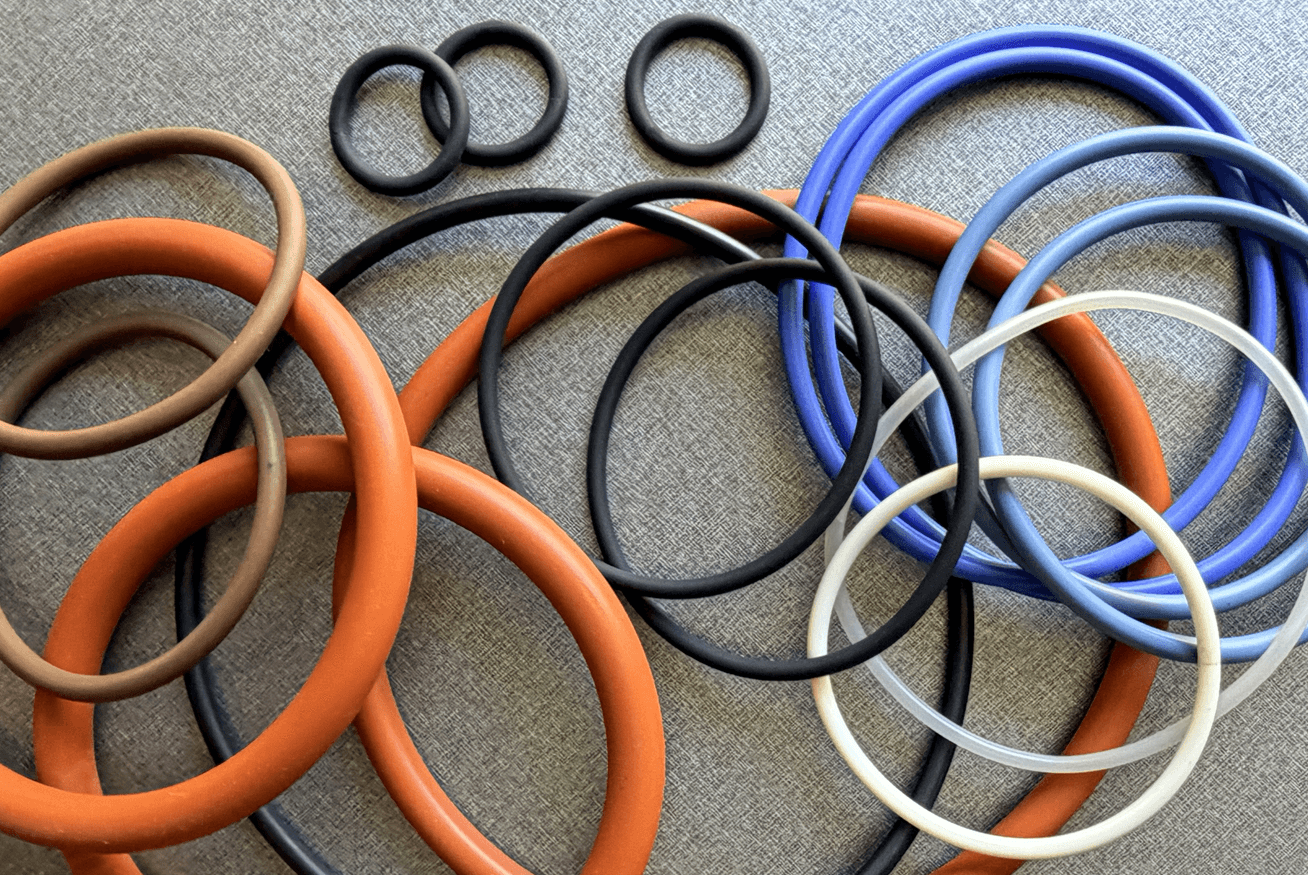
Flexible and temperature-resistant, often used in food and medical industries.
🧪 Material Tip: Choosing the right elastomer is critical for ensuring long-term sealing performance.
Installation Tips for Optimal Performance
Proper installation is key to maximizing the lifespan of O-rings.
Ensure clean sealing surfaces
Avoid twisting during installation
Use appropriate lubrication
Check for proper groove dimensions
Quality Standards and Testing
High-quality O-rings should meet international standards such as ISO and ASTM. Testing includes tensile strength, elongation, and compression set.
Manufacturers often perform visual inspections and mechanical testing to ensure reliability.
Future Trends in O-Ring Technology
Advancements in materials science are leading to more durable and chemically resistant elastomers. Automation in manufacturing is also improving consistency and reducing defects in spliced and vulcanized O-rings.
Conclusion
Spliced and vulcanized O-rings each offer unique advantages and are suited to different applications. While spliced O-rings provide flexibility and cost efficiency for large or custom sizes, vulcanized O-rings deliver superior strength, durability, and sealing performance.
Understanding these differences allows engineers and technicians to select the most appropriate sealing solution, ensuring reliability, efficiency, and long-term performance in various industrial applications.
Investing in high-quality Vulcanized O-Rings ensures enhanced sealing performance and reduced maintenance costs.
Frequently Asked Questions
1. What is the main difference between spliced and vulcanized O-rings?
Spliced O-rings are bonded with adhesives, while vulcanized O-rings are chemically bonded for higher strength.
2. Which type is better for high-pressure applications?
Vulcanized O-rings are better suited due to their superior strength and durability.
3. Are spliced O-rings suitable for dynamic applications?
They are generally not recommended for dynamic or high-stress applications.
4. Can vulcanized O-rings be made in large sizes?
Yes, but they may have limitations compared to spliced O-rings.
5. What materials are used for these O-rings?
Common materials include NBR, FKM, EPDM, and silicone.