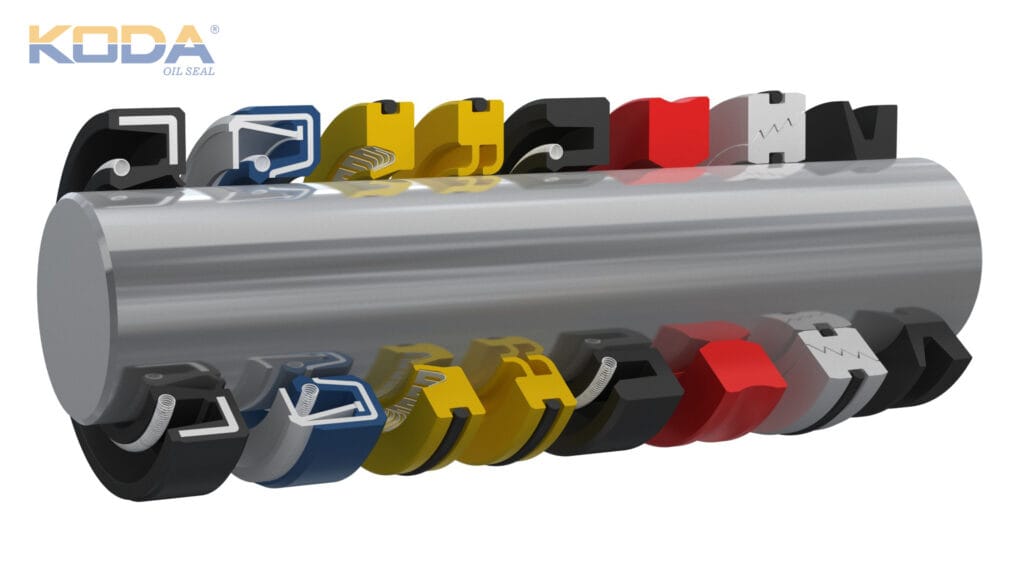
Understanding KB and KC Oil Seals: Structure, Applications, Benefits, and Selection Guide
Oil seals play a critical role in modern rotating equipment by preventing lubricant leakage and protecting internal components from contamination. Among the many oil seal profiles available in industrial applications, KB oil seals and KC oil seals are widely recognized for their reliability in rotary shaft sealing systems. These seal designs are commonly used in industrial machinery, gearboxes, agricultural equipment, pumps, motors, and automotive applications where maintaining lubrication and extending equipment lifespan are essential.
Although KB and KC oil seals share the same fundamental sealing purpose, they feature different structural characteristics that influence their performance under various operating conditions. Understanding these differences helps engineers, maintenance teams, and equipment manufacturers select the most suitable sealing solution for their systems.
🔍 Key Insight: Choosing the correct oil seal profile directly affects lubricant retention, contamination protection, equipment efficiency, maintenance intervals, and overall operational costs.
What Is an Oil Seal?
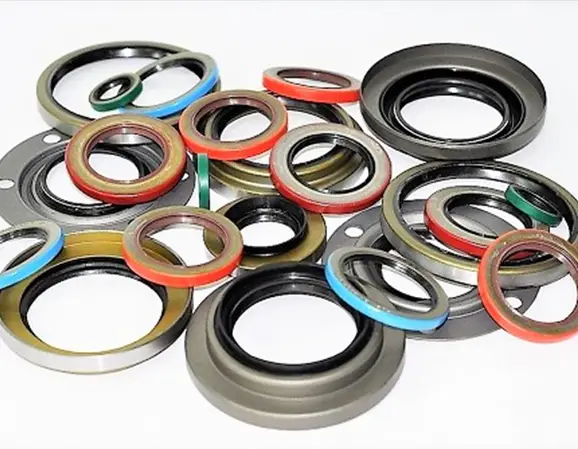
An oil seal, also known as a rotary shaft seal, is a mechanical sealing component designed to prevent lubricants from escaping rotating equipment while simultaneously blocking dirt, moisture, dust, and other contaminants from entering the system. Oil seals create a controlled sealing interface between stationary housings and rotating shafts.
Modern oil seals typically consist of:
✔ Sealing lip made from elastomer materials
✔ Reinforcement case constructed from metal
✔ Spring element maintaining radial sealing force
✔ Additional dust lip in selected designs
✔ Protective outer diameter structure for housing fitment
The effectiveness of an oil seal depends on factors such as shaft speed, operating temperature, lubricant compatibility, installation quality, and environmental exposure.
What Are KB Oil Seals?
KB oil seals are specialized rotary shaft seals featuring a robust sealing construction designed to provide dependable lubricant retention and environmental protection. Their design incorporates a spring-loaded sealing lip that continuously contacts the shaft surface, creating a reliable sealing barrier during operation.
KB oil seals are commonly selected for applications requiring stable sealing performance under moderate operating conditions. Their construction allows them to maintain consistent contact pressure even when minor shaft movements or operating variations occur.
⚙️ Typical KB Oil Seal Features
- Spring-loaded primary sealing lip
- Reliable lubricant retention capability
- Durable metal reinforcement structure
- Stable shaft contact pressure
- Long service life under proper operating conditions
- Compatibility with common industrial lubricants
KB oil seals are frequently installed in industrial transmissions, reducers, pumps, compressors, electric motors, and rotating machinery where dependable sealing performance is required without excessive complexity.
What Are KC Oil Seals?
KC oil seals represent an advanced sealing profile designed to provide improved protection in demanding environments. These seals are engineered to minimize lubricant loss while enhancing resistance against contaminants such as dust, dirt, water, and abrasive particles.
In many industrial applications, KC oil seals are selected because their sealing geometry provides enhanced operational reliability when compared to simpler seal configurations. Their optimized design contributes to longer equipment service intervals and reduced maintenance requirements.
For technical specifications and available sizes, manufacturers often provide dedicated product resources such as
KC oil seals that help engineers identify suitable solutions based on shaft dimensions and operating requirements.
🛡️ Primary Advantages of KC Oil Seals
- Enhanced contamination protection
- Improved lubricant retention
- Reliable sealing under varying conditions
- Reduced equipment wear
- Extended bearing life
- Lower maintenance frequency
KB vs KC Oil Seals: Key Differences
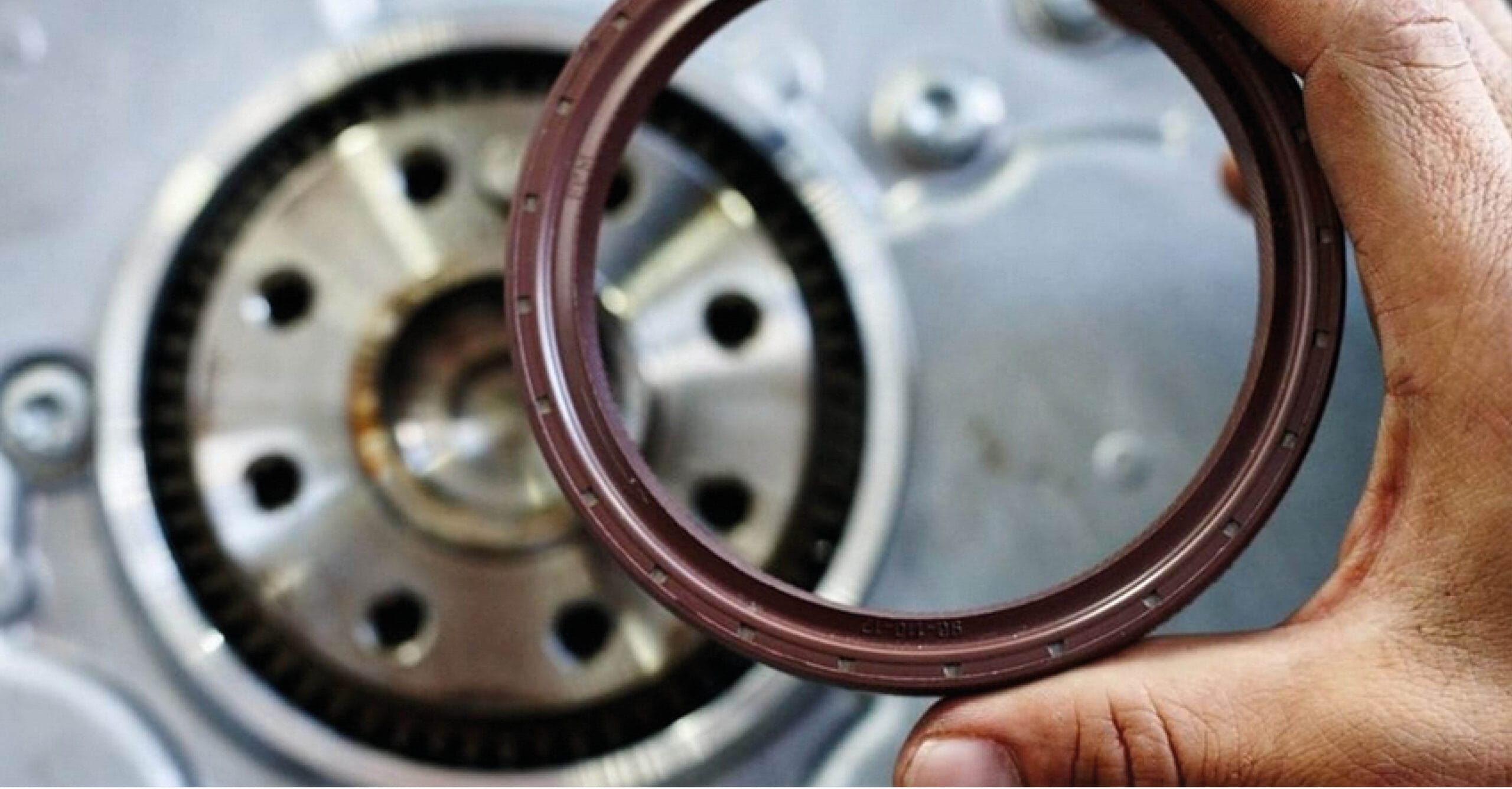
Although both seal types serve similar functions, several structural and performance differences distinguish KB oil seals from KC oil seals.
KB Oil Seals
• Focus on reliable lubricant retention
• Suitable for standard industrial environments
• Cost-effective sealing solution
• Widely used in general-purpose machinery
KC Oil Seals
• Enhanced protection against contaminants
• Better suited for challenging environments
• Increased operational reliability
• Often preferred in heavy-duty equipment
Selection should always be based on actual operating conditions rather than seal profile alone. Factors such as shaft speed, environmental exposure, temperature, pressure, and lubricant type must all be considered.
Materials Used in KB and KC Oil Seals
Material selection significantly affects oil seal performance. Both KB and KC oil seals can be manufactured using a variety of elastomer compounds depending on application requirements.
NBR (Nitrile Rubber)
NBR remains one of the most widely used sealing materials due to its excellent resistance to mineral oils, greases, and hydraulic fluids. It offers an attractive balance between performance and cost.
FKM (Fluoroelastomer)
FKM materials provide superior resistance to elevated temperatures, aggressive chemicals, and synthetic lubricants. They are commonly chosen for demanding industrial and automotive applications.
Silicone Rubber
Silicone compounds deliver excellent low-temperature flexibility and are frequently used where extreme temperature variation occurs.
HNBR
Hydrogenated nitrile rubber offers improved heat resistance, wear resistance, and mechanical strength compared with conventional nitrile compounds.
📌 Material compatibility should always be verified against operating temperature, lubricant chemistry, and environmental exposure before final seal selection.
Common Applications of KB and KC Oil Seals
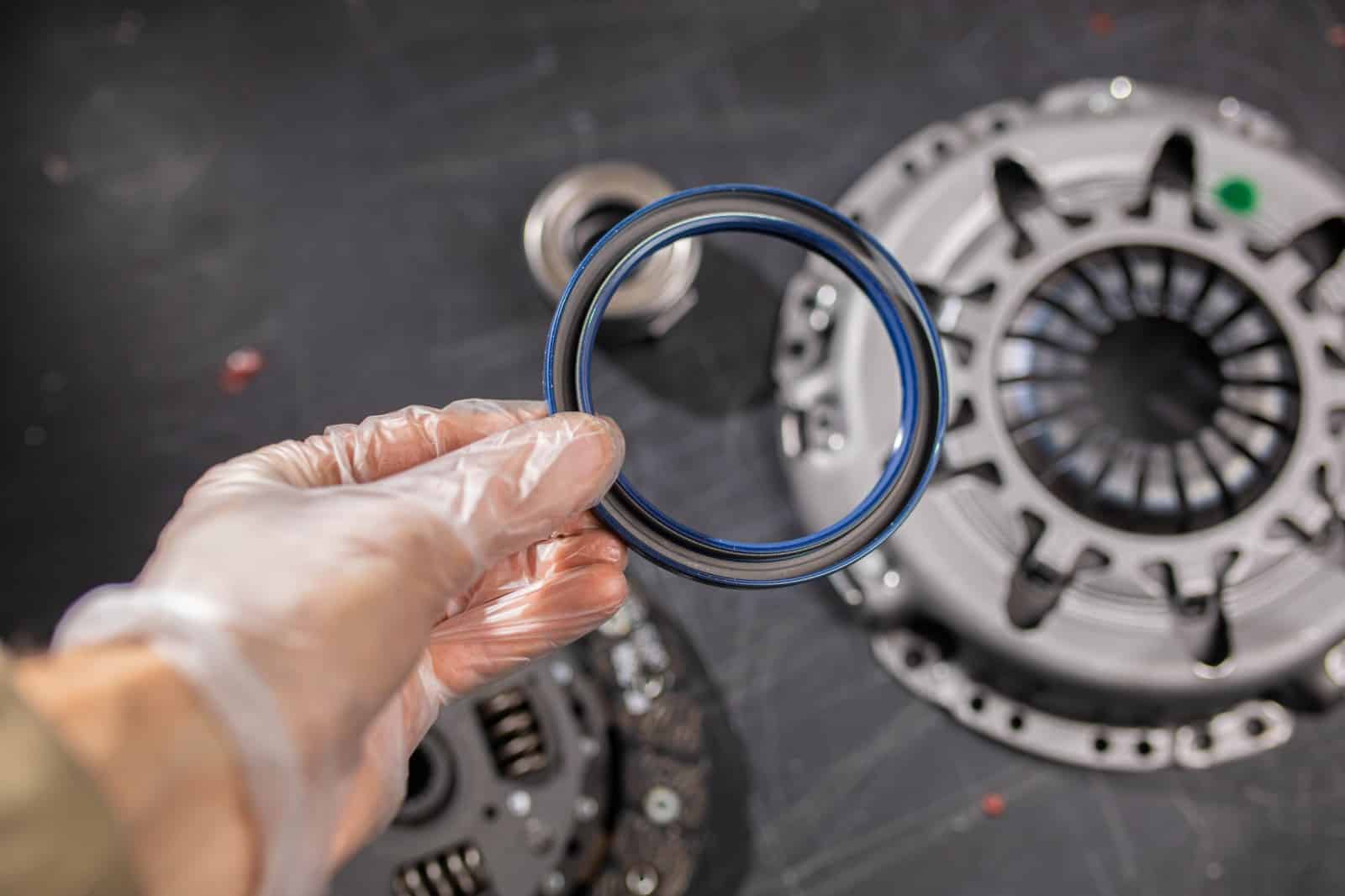
Both seal types are widely used across numerous industries where rotating shafts require dependable sealing performance.
Industrial Gearboxes
Oil seals help retain gear oil while preventing external contamination from damaging gears and bearings.
Electric Motors
Proper sealing prevents lubricant loss and protects internal components from dust ingress.
Agricultural Machinery
Agricultural equipment often operates in dusty environments, making reliable sealing essential for long-term durability.
Hydraulic Equipment
Hydraulic systems rely on effective sealing to maintain lubrication and protect precision components.
Construction Equipment
Heavy-duty machinery encounters harsh conditions that require durable oil seal solutions capable of resisting contamination.
Many manufacturers and maintenance professionals source specialized
KC oil seals for construction, mining, and industrial applications where contamination control is especially important.
Benefits of Using KC Oil Seals in Harsh Environments
Industrial environments frequently expose rotating equipment to contaminants that can significantly shorten component lifespan. KC oil seals offer several advantages in these conditions.
✅ Improved contamination exclusion
✅ Reduced bearing wear
✅ Lower maintenance costs
✅ Longer equipment uptime
✅ Enhanced lubrication retention
✅ Increased system reliability
When combined with proper installation practices and suitable lubrication strategies, these benefits contribute to significant operational savings throughout the equipment lifecycle.
How to Select the Right KB or KC Oil Seal
Selecting the appropriate oil seal requires evaluating multiple operating parameters.
1. Shaft Dimensions
Accurate shaft diameter measurements are essential for achieving correct sealing performance.
2. Housing Bore Dimensions
Proper housing tolerances ensure secure installation and prevent seal movement.
3. Temperature Range
Operating temperatures directly influence elastomer selection and seal lifespan.
4. Shaft Speed
Higher rotational speeds generate additional heat and require suitable seal materials.
5. Environmental Conditions
Dust, moisture, chemicals, and abrasive particles should be evaluated before selecting between KB and KC configurations.
Engineering teams often review detailed product specifications for
KC oil seals when determining the best sealing solution for challenging operating environments.
Installation Best Practices
Even the highest-quality oil seal can fail prematurely if installed incorrectly.
🔧 Inspect shaft surfaces for scratches or wear.
🔧 Ensure housing bores are clean and free from damage.
🔧 Lubricate sealing lips before installation.
🔧 Use proper installation tools.
🔧 Avoid twisting or deforming the seal.
🔧 Confirm correct installation depth.
Following these practices can dramatically improve seal service life and overall equipment reliability.
Future Trends in Oil Seal Technology
The sealing industry continues to evolve through advances in materials science, manufacturing precision, and equipment design. Future KB and KC oil seals are expected to incorporate improved elastomer compounds, enhanced wear resistance, and optimized lip geometries capable of supporting higher efficiency machinery.
In addition, sustainability initiatives are driving manufacturers toward longer-lasting sealing solutions that reduce maintenance requirements and minimize environmental impact through improved lubricant retention.
Frequently Asked Questions
1: What is the main difference between KB and KC oil seals?
KB oil seals are commonly used for reliable lubricant retention in standard applications, while KC oil seals generally provide enhanced contamination protection and are better suited for demanding operating environments.
2: Where are KC oil seals most commonly used?
KC oil seals are frequently used in industrial machinery, agricultural equipment, construction machinery, pumps, gearboxes, and heavy-duty rotating equipment.
3: Can KC oil seals operate at high temperatures?
Yes. When manufactured from FKM or other high-performance elastomers, KC oil seals can withstand significantly higher temperatures than standard nitrile versions.
4: How do I choose the correct KC oil seal size?
The correct size depends on shaft diameter, housing bore diameter, seal width, operating conditions, and equipment specifications. Always verify dimensions before ordering.
5: Where can I find technical information about KC oil seals?
You can review available specifications, dimensions, and product details through dedicated resources for
KC oil seals, which provide guidance for industrial and OEM applications.