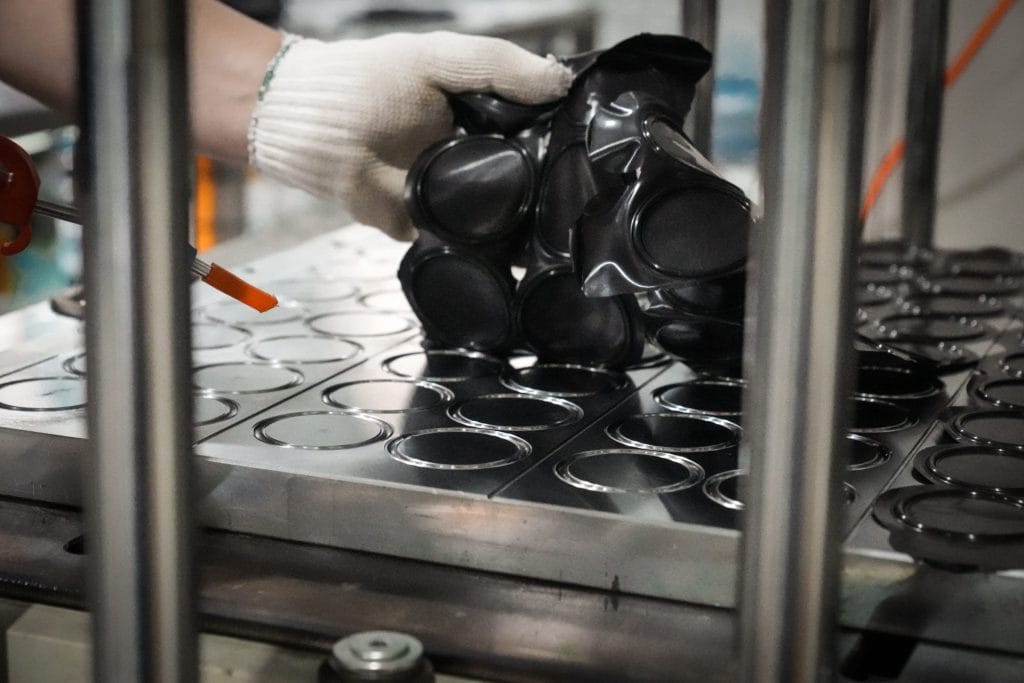
The Origins of Rubber Before Vulcanization
Long before modern industrial sealing systems existed, natural rubber was already being used by ancient civilizations for practical purposes. Indigenous cultures in Central and South America harvested latex from rubber trees and used it to make waterproof materials, tools, and early forms of balls for ceremonial games. Although primitive in processing, these early discoveries laid the foundation for what would eventually become modern Vulcanization Rubber technology.
However, raw natural rubber had major limitations. It became sticky in hot weather, brittle in cold conditions, and lacked durability under mechanical stress. These weaknesses restricted early industrial use and created demand for a breakthrough that would transform rubber into a reliable engineering material.
📜 Historical Insight: The invention of vulcanization did not simply improve rubber—it revolutionized global manufacturing.
The Problem With Raw Rubber in Early Industry
In the early 19th century, natural rubber attracted significant attention because of its flexibility and water resistance. But manufacturers quickly faced serious challenges.
Heat Sensitivity
Raw rubber softened in summer temperatures, becoming sticky and unstable.
Cold Brittleness
During winter, untreated rubber hardened and cracked easily.
Poor Mechanical Strength
Its limited resistance to wear and deformation made it unsuitable for demanding industrial uses.
Early Rubber Challenges
• Temperature instability
• Low durability
• Limited chemical resistance
• Poor long-term performance
These limitations created the urgent need for technological advancement in Vulcanization Rubber development.
Charles Goodyear and the Discovery of Vulcanization
The turning point in rubber history is closely linked to Charles Goodyear, whose experimentation transformed rubber science forever.
Early Experiments
Goodyear spent years trying to improve rubber stability through numerous formulations and treatments.
The Sulfur Breakthrough
The landmark discovery came when rubber mixed with sulfur and exposed to heat produced a dramatically improved material.
This process became known as vulcanization, named after Vulcan, the Roman god of fire.
🔥 Revolutionary Discovery: Sulfur cross-linking transformed soft unstable rubber into an elastic, durable engineering material.
Why Vulcanization Was Revolutionary
Vulcanization fundamentally changed the molecular structure of rubber, greatly improving:
• Elasticity
• Heat resistance
• Mechanical strength
• Wear resistance
• Aging performance
How Vulcanization Works
Vulcanization is a chemical process where sulfur or other curing agents create cross-links between polymer chains in rubber.
Cross-Link Formation
These cross-links reduce molecular movement, improving strength while preserving elasticity.
Heat and Cure Process
Controlled heat activates curing reactions and develops final material properties.
Property Transformation
The resulting Vulcanization Rubber offers dramatically better performance than untreated rubber.
⚙ Core Effect of Vulcanization: It creates the balance of elasticity and durability needed for engineering-grade rubber products.
The Industrial Impact of Vulcanized Rubber
Once vulcanization became commercially viable, it transformed multiple industries.
Transportation Revolution
Vulcanized rubber became essential in tires, belts, hoses and vehicle components.
Industrial Machinery
Factories began using rubber seals, rollers and vibration isolation components.
Electrical Applications
Rubber insulation contributed to expanding electrical systems.
✔ Industries Transformed
• Automotive
• Manufacturing
• Electrical systems
• Transportation
• Sealing technology
The Evolution of Vulcanization Technology
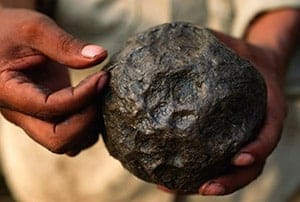
Vulcanization did not stop with Goodyear’s discovery. The science evolved dramatically over time.
Accelerated Vulcanization
Accelerators improved cure efficiency and processing control.
Synthetic Rubber Development
The rise of synthetic elastomers expanded vulcanization into many new material systems.
Advanced Compound Engineering
Modern formulations optimize heat resistance, chemical resistance and mechanical performance.
Today, Vulcanization Rubber technology supports everything from industrial seals to aerospace components.
🚀 Innovation Milestone: Modern vulcanization chemistry enables specialized elastomers for extreme temperatures, chemicals and high-performance sealing.
Vulcanization and Modern Sealing Technology
One of the most important applications of vulcanized rubber today is sealing technology.
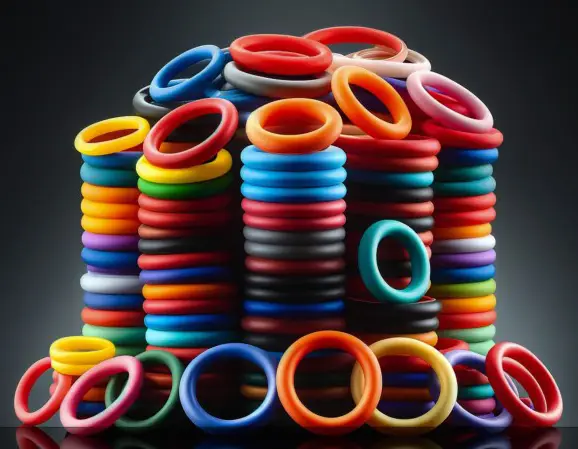
O-Rings and Seals
Most modern elastomer seals rely on vulcanized compounds for elasticity and durability.
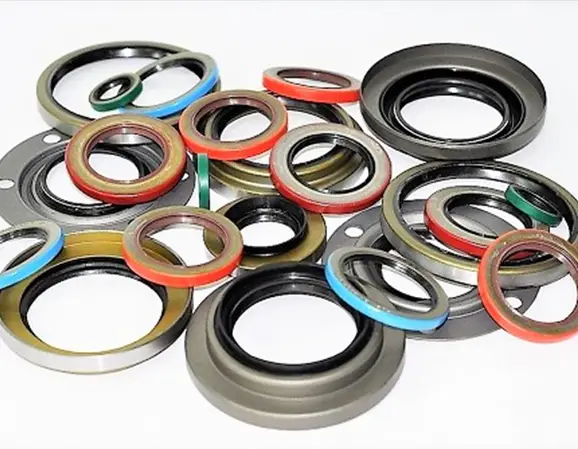
Oil Seals and Gaskets
Rubber curing technology is critical for maintaining long-term sealing performance.
Custom Engineered Components
Advanced compounds support demanding sealing environments across industries.
Modern Products Using Vulcanized Rubber
• O-rings
• Oil seals
• Gaskets
• Hoses
• Vibration isolators
Types of Vulcanization Systems

Sulfur Vulcanization
The traditional and still widely used curing system for many elastomers.
Peroxide Curing
Often used for applications requiring superior heat resistance.
Specialized Cure Systems
Advanced elastomers may use unique cure chemistries tailored to performance demands.
Different cure systems allow Vulcanization Rubber compounds to be optimized for specific industries.
Why Vulcanization Changed Material Science
Few inventions have impacted material engineering as profoundly as vulcanization.
Created Modern Elastomer Engineering
It transformed rubber from a novelty material into a high-performance engineering material.
Enabled New Industries
Entire sectors including tire manufacturing and sealing technology depend on vulcanized rubber.
Still Essential Today
Modern elastomer products continue to rely on vulcanization principles developed nearly two centuries ago.
⭐ Historical Importance: Vulcanization remains one of the foundational innovations behind modern industrial sealing and rubber engineering.
Future Trends in Rubber Vulcanization
Research continues improving vulcanization technology for modern demands.
Emerging Trends
• Eco-friendly curing systems
• Advanced performance elastomers
• Precision curing control
• Sustainable rubber technologies
• High-performance engineered compounds
Future developments continue expanding the possibilities of vulcanized elastomer materials.
Q&A:History of the Vulcanization of Rubber
1. What is rubber vulcanization?
Rubber vulcanization is a curing process that uses sulfur or other systems to improve elasticity, strength and durability.
2. Who invented vulcanization?
Charles Goodyear is widely credited with discovering vulcanization in the 19th century.
3. Why was vulcanization important in rubber history?
It transformed unstable natural rubber into a durable engineering material suitable for industrial use.
4. What products use vulcanized rubber today?
Common products include tires, seals, O-rings, hoses, gaskets and many industrial components.
5. Is vulcanization still used in modern rubber manufacturing?
Yes. Modern elastomer manufacturing still relies heavily on vulcanization technologies, often using advanced curing systems.