
As industrial equipment continues to evolve toward higher speeds, harsher chemicals, elevated temperatures, and stricter reliability requirements, traditional elastomer sealing materials are often pushed beyond their operational limits. This is where PTFE seals have become an indispensable solution. Known for their exceptional chemical resistance, ultra-low friction characteristics, and remarkable thermal stability, PTFE sealing solutions are widely used across industries ranging from aerospace and automotive manufacturing to food processing and chemical production.
Understanding the various types of PTFE seals, their applications, design principles, and installation considerations is essential for engineers, procurement specialists, maintenance professionals, and equipment manufacturers seeking long-term sealing performance. This comprehensive guide explores the characteristics that make PTFE one of the most advanced sealing materials available today.
🔍 Industry Insight: PTFE is often selected when conventional rubber seals fail due to aggressive chemicals, extreme temperatures, high shaft speeds, or demanding service environments.
Understanding PTFE Seal Technology
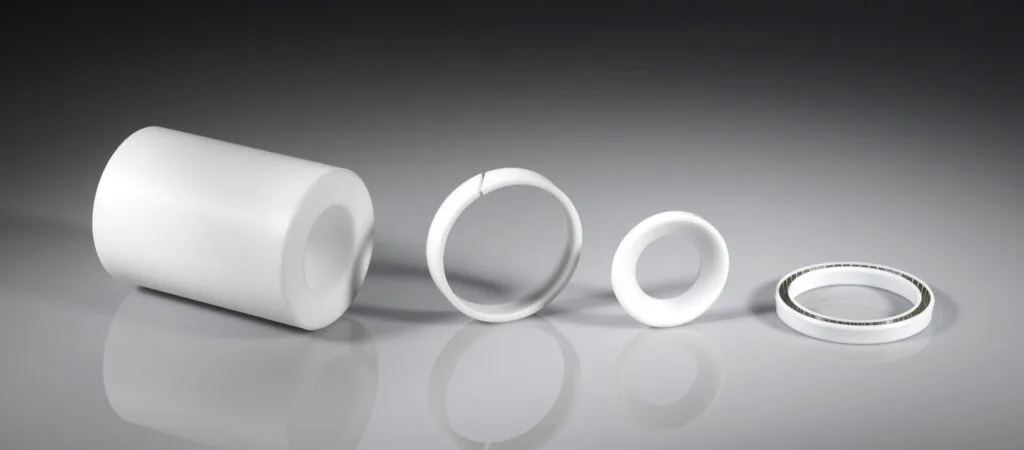
PTFE, short for Polytetrafluoroethylene, is a high-performance fluoropolymer known for its unique molecular structure. Unlike many elastomeric sealing materials, PTFE offers exceptional inertness, meaning it reacts minimally with most chemicals and process fluids.
The material is widely recognized for several key characteristics:
- Outstanding chemical resistance
- Extremely low coefficient of friction
- Wide operating temperature range
- Excellent wear resistance
- Minimal moisture absorption
- Long service life
- Superior dimensional stability
Because of these properties, PTFE seals are frequently chosen for applications where conventional nitrile, silicone, or EPDM materials may struggle to maintain performance.
Why PTFE Seals Stand Apart from Conventional Sealing Materials
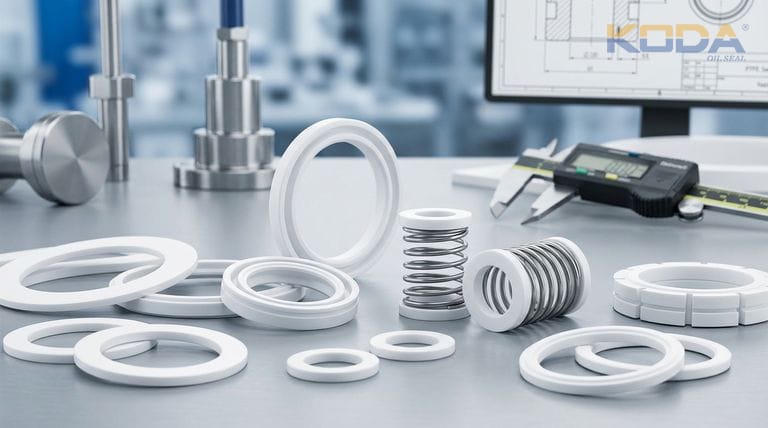
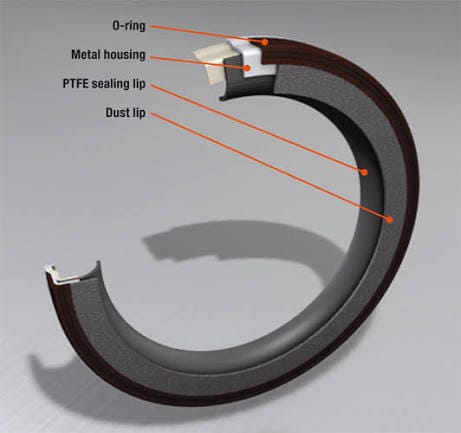
Traditional elastomer seals rely on elasticity to maintain contact pressure against mating surfaces. PTFE seals, however, utilize engineered lip geometries and advanced material properties to achieve effective sealing while minimizing friction and wear.
⚙️ Key Performance Benefits
- Operates under extreme temperatures
- Handles aggressive chemical exposure
- Supports high rotational speeds
- Reduces shaft wear
- Minimizes energy consumption
- Extends maintenance intervals
These advantages make PTFE an ideal material for mission-critical industrial applications where downtime is costly and reliability is paramount.
Major Types of PTFE Seals
PTFE sealing technology encompasses a broad range of designs tailored to different operational requirements. Understanding these configurations helps optimize performance and service life.
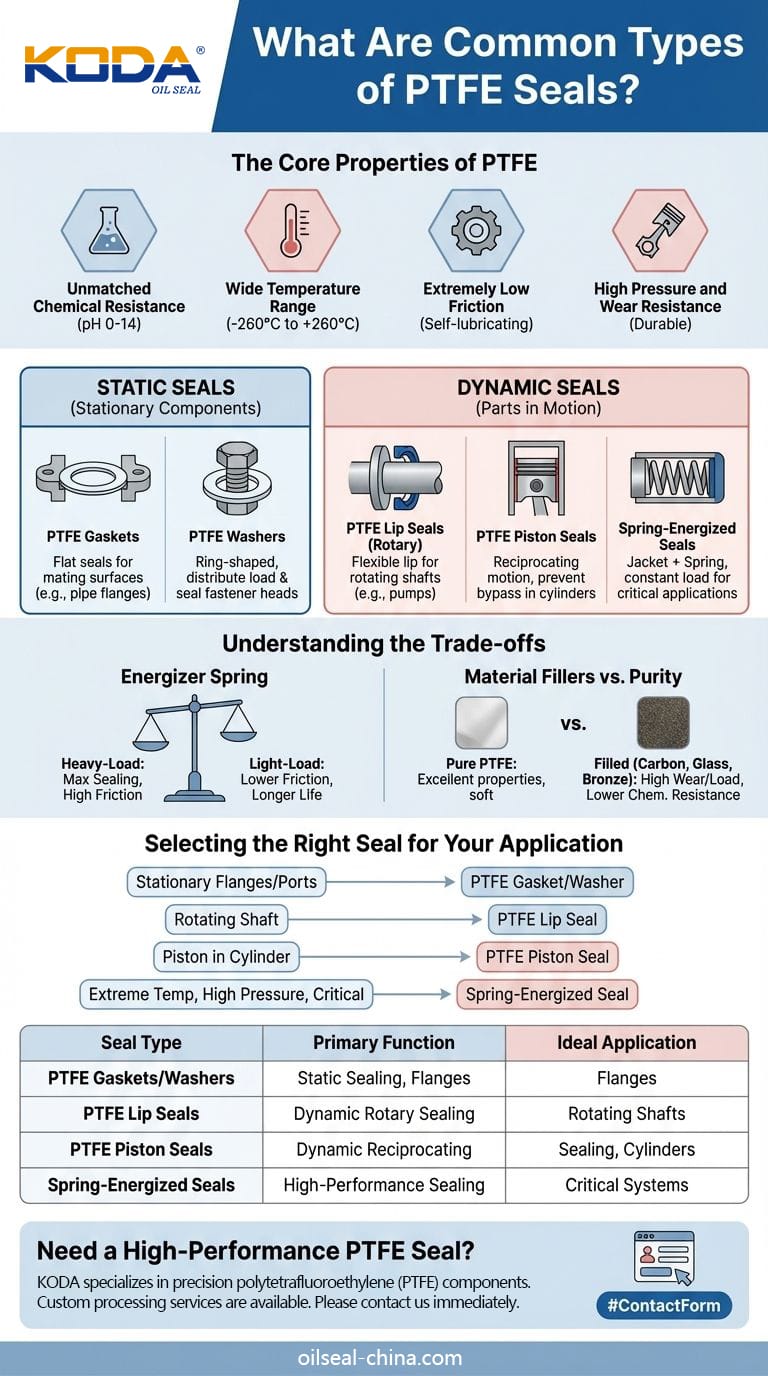
PTFE Rotary Shaft Seals
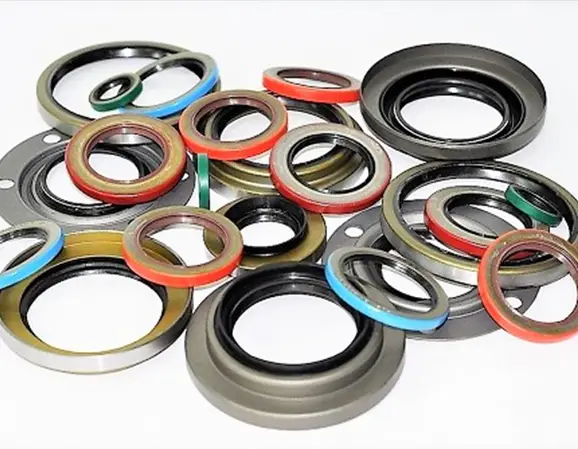
Rotary shaft seals represent one of the most common PTFE sealing solutions. These seals are specifically designed to contain lubricants while excluding contaminants in rotating equipment.
Typical applications include:
- Gearboxes
- Industrial pumps
- Electric motors
- Turbines
- Compressors
- Automotive drivetrains
The low-friction characteristics of PTFE enable these seals to operate at higher shaft speeds than many traditional rubber alternatives.
Spring-Energized PTFE Seals
Spring-energized designs combine PTFE sealing jackets with internal metallic springs that maintain consistent contact pressure throughout the seal’s service life.
This configuration offers advantages including:
- Improved sealing under low pressure
- Enhanced compensation for wear
- Reliable performance during thermal cycling
- Consistent sealing force
Spring-energized designs are commonly found in aerospace, pharmaceutical, and semiconductor applications.
PTFE Hydraulic Seals
Hydraulic systems operating under high pressures often require PTFE-based sealing components. These seals provide superior resistance to pressure extrusion while maintaining low friction.
Benefits include:
- Reduced stick-slip behavior
- Improved efficiency
- Extended component life
- Enhanced pressure resistance
PTFE Piston Seals
Piston seals manufactured from PTFE are widely used in cylinders handling dynamic motion under elevated pressures and temperatures. Their low friction contributes to improved system responsiveness and reduced energy consumption.
PTFE Rod Seals
Rod seals prevent fluid leakage while protecting hydraulic and pneumatic systems from external contamination. PTFE rod seals are particularly effective in demanding environments where contamination control is critical.
Filled PTFE Materials and Their Advantages
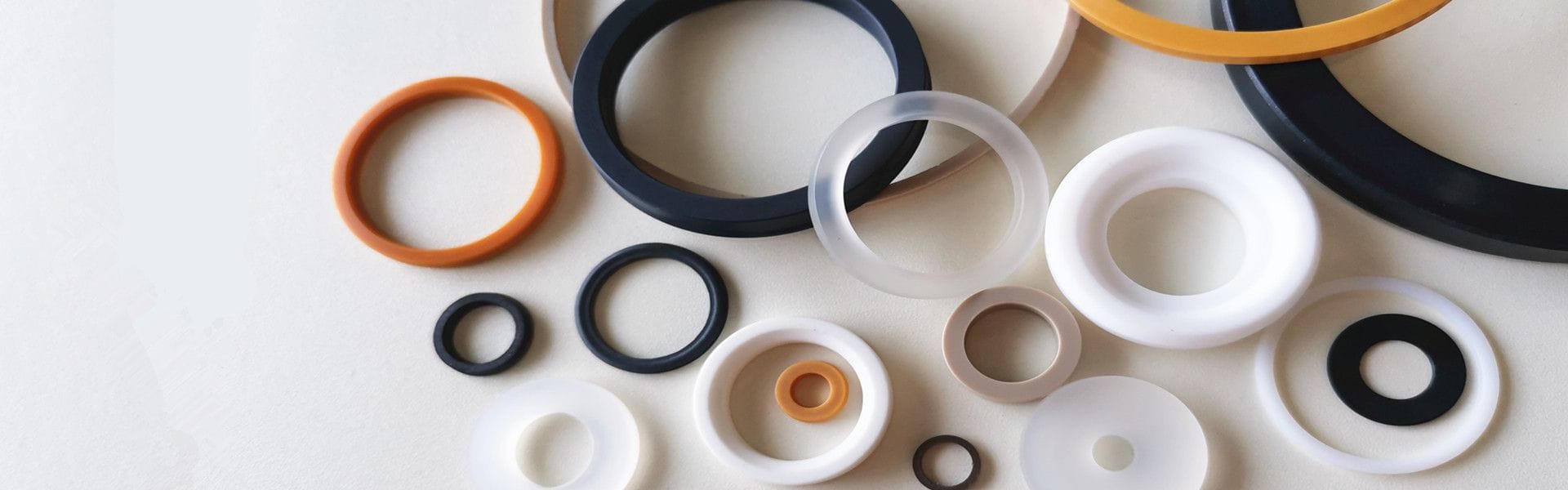
While virgin PTFE offers excellent chemical resistance, many applications require enhanced mechanical properties. Manufacturers frequently incorporate fillers to improve performance.
Common PTFE fillers include:
- Glass fiber
- Carbon
- Graphite
- Bronze
- Carbon fiber
- Molybdenum disulfide
📌 Material Selection Tip
Filled PTFE compounds can significantly improve wear resistance, thermal conductivity, creep resistance, and load-carrying capacity while maintaining excellent chemical compatibility.
Industries That Depend on PTFE Seals
The versatility of PTFE seals has made them essential across numerous industrial sectors.
Chemical Processing Industry
Chemical plants frequently handle highly corrosive media that can rapidly degrade conventional elastomers. PTFE’s exceptional chemical resistance allows safe and reliable sealing in these environments.
Food and Beverage Manufacturing
PTFE materials are often selected for hygienic processing equipment due to their non-stick properties, chemical inertness, and ability to withstand aggressive cleaning procedures.
Pharmaceutical Production
Strict cleanliness requirements and exposure to sterilization processes make PTFE an attractive sealing material for pharmaceutical manufacturing systems.
Automotive Engineering
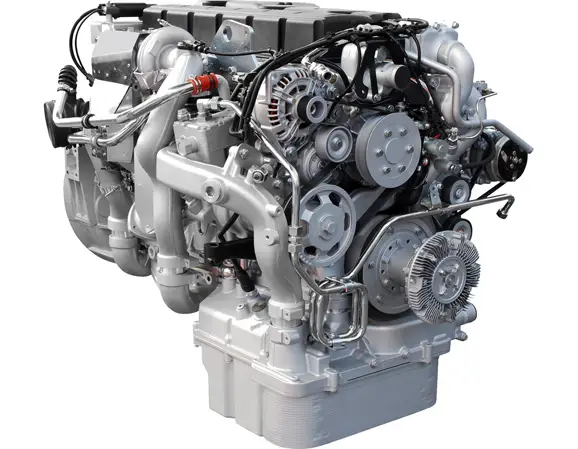
Automotive manufacturers utilize PTFE seals in engines, transmissions, turbochargers, and drivetrain assemblies where elevated temperatures and high rotational speeds are common.
Aerospace Applications
Aerospace systems often require materials capable of performing reliably under extreme temperatures, pressure fluctuations, and chemically aggressive environments. PTFE excels in these demanding conditions.
Critical Design Considerations for PTFE Seals
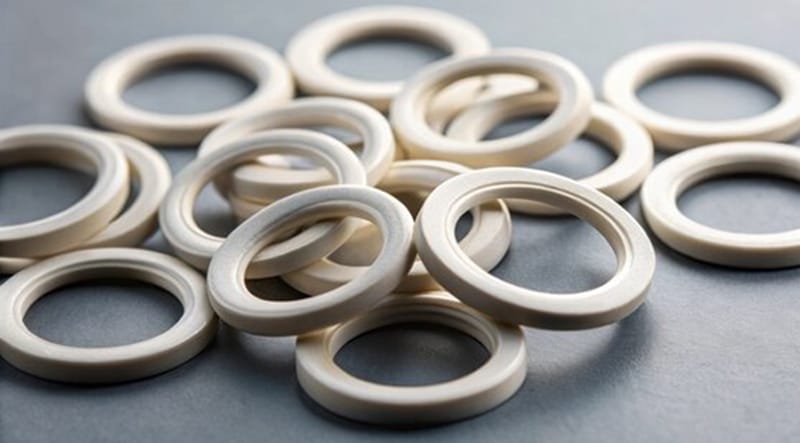
Proper seal performance begins with thoughtful engineering. Designing for PTFE requires understanding the material’s unique characteristics.
Operating Temperature
PTFE maintains stability across an exceptionally wide temperature range, often from approximately -200°C to +260°C depending on application conditions.
This broad operating window allows deployment in environments where many elastomers would harden, soften, or degrade.
Pressure Requirements
System pressure significantly influences seal design. Engineers must consider pressure levels, pressure cycling, and extrusion resistance when selecting PTFE sealing configurations.
Surface Finish Requirements
Unlike softer elastomers, PTFE requires carefully controlled surface finishes to achieve optimal sealing effectiveness.
Recommended factors include:
- Appropriate shaft roughness
- Controlled housing tolerances
- Accurate groove dimensions
- Minimal surface defects
Thermal Expansion Characteristics
PTFE exhibits a higher coefficient of thermal expansion than many metals. Designers must account for dimensional changes that may occur during temperature fluctuations.
Challenges Associated with PTFE Seal Design
Despite its many advantages, PTFE presents several engineering challenges that require careful consideration.
⚠️ Design Challenges
- Cold flow or creep under sustained loads
- Limited elasticity compared to rubber materials
- Greater sensitivity to installation damage
- Thermal expansion considerations
Fortunately, modern seal geometries and advanced filler technologies have significantly mitigated many of these concerns.
Installation Considerations for PTFE Seals
Even the highest-quality seal can fail prematurely if installed incorrectly. Proper installation procedures are essential for maximizing service life.
Inspect Components Before Installation
All mating surfaces should be thoroughly inspected for scratches, burrs, corrosion, contamination, or dimensional irregularities before installation begins.
Use Proper Installation Tools
Specialized installation sleeves and tools help prevent damage to sealing lips during assembly.
Improper installation techniques may cause:
- Lip distortion
- Surface scratches
- Permanent deformation
- Immediate leakage
Control Assembly Alignment
Misalignment during installation can create uneven loading and accelerated wear. Maintaining precise component alignment is critical.
Follow Lubrication Recommendations
Certain PTFE seal designs benefit from controlled lubrication during installation to reduce initial friction and facilitate proper seating.
🛠 Installation Best Practice
Never force a PTFE seal over sharp edges or threads without protective installation sleeves. Minor damage may significantly shorten seal life.
Common Failure Modes and Prevention Strategies
Understanding potential failure mechanisms helps improve reliability and reduce maintenance costs.
Common issues include:
- Improper installation
- Excessive shaft runout
- Surface finish defects
- Chemical incompatibility
- Thermal expansion problems
- Incorrect material selection
- Pressure overload
By addressing these factors during the design phase, organizations can substantially improve sealing performance.
The Future of PTFE Seal Technology
Industrial requirements continue evolving toward higher efficiency, longer maintenance intervals, and greater environmental responsibility. PTFE sealing technology is advancing accordingly.
Emerging innovations include:
- Advanced filled compounds
- Enhanced wear-resistant formulations
- Hybrid sealing systems
- Optimized lip geometries
- Reduced friction technologies
- Application-specific engineered materials
These developments continue expanding the operational envelope of modern PTFE seals while supporting increasingly demanding industrial applications.
Selecting the Right PTFE Seal for Long-Term Success
The effectiveness of any sealing solution depends on balancing application requirements with material capabilities. PTFE remains one of the most versatile sealing materials available, offering unmatched chemical resistance, excellent thermal stability, and superior low-friction performance.
Whether used in high-speed rotating equipment, aggressive chemical processing systems, precision hydraulic assemblies, or advanced aerospace components, properly designed and installed PTFE seals deliver exceptional reliability. Careful attention to material selection, operating conditions, design requirements, and installation procedures ensures maximum performance and extended service life.
Frequently Asked Questions
1. What are PTFE seals primarily used for?
PTFE seals are commonly used in applications involving high temperatures, aggressive chemicals, high shaft speeds, and demanding industrial operating conditions.
2. What is the main advantage of PTFE compared to rubber seals?
PTFE offers superior chemical resistance, lower friction, wider temperature capability, and excellent wear performance compared to many conventional elastomers.
3. Can PTFE seals operate without lubrication?
Many PTFE seal designs can function with minimal lubrication due to PTFE’s naturally low coefficient of friction, although application requirements vary.
4. Why are filled PTFE compounds used?
Fillers improve wear resistance, dimensional stability, creep resistance, and load-carrying capacity while retaining PTFE’s chemical resistance.
5. How can premature PTFE seal failure be prevented?
Proper material selection, precise design, controlled installation procedures, correct surface finishes, and adherence to operating limits are essential for maximizing seal life.