
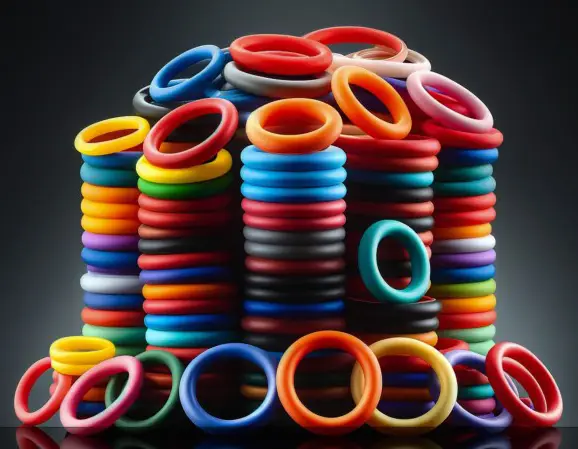
💧 Water filtration systems are designed to deliver clean, safe, and reliable water for residential, commercial, municipal, and industrial applications. While filtration media, membranes, pumps, and control systems often receive most of the attention, one small component frequently determines whether a filtration system operates efficiently or suffers from leaks and contamination: the O-ring. Properly selected O-rings create critical sealing barriers throughout water treatment equipment, ensuring pressure retention, contamination prevention, and long-term operational reliability.
Modern water filtration facilities face increasingly demanding requirements, including higher operating pressures, stricter water quality standards, longer maintenance intervals, and growing regulatory oversight. As a result, engineers can no longer treat sealing components as standard consumables. Instead, selecting the right O-rings has become an essential part of filtration system design and lifecycle management.
Why O-Rings Are Critical in Water Filtration Systems
Water filtration systems operate by forcing water through membranes, cartridges, screens, activated carbon beds, reverse osmosis modules, ultrafiltration units, or other treatment components. Throughout this process, pressure must be maintained while preventing untreated water from bypassing the filtration stages.
O-rings provide sealing at numerous critical locations, including:
- Filter housing connections
- Cartridge sealing interfaces
- Membrane pressure vessels
- Pump assemblies
- Valve systems
- Pipe connections
- UV sterilization chambers
- Automatic backwash systems
- Chemical dosing equipment
Without properly functioning seals, filtration efficiency may decline significantly, potentially allowing contaminants to enter treated water streams.
📊 Industry Observation: Studies of industrial water treatment facilities show that sealing-related failures account for approximately 28% of unexpected maintenance interventions, with O-ring degradation being one of the most common root causes.
Common Water Filtration Applications Using O-Rings
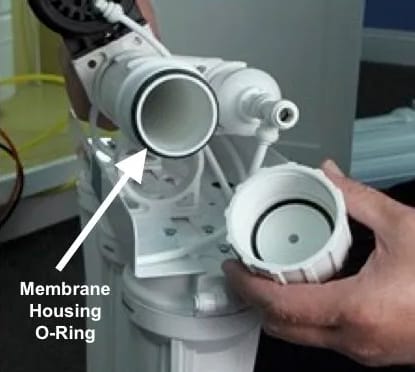
Reverse Osmosis Systems
RO systems operate under elevated pressures and require multiple sealing points around membrane housings, end caps, and pressure vessels.
Ultrafiltration and Nanofiltration Equipment
Membrane filtration units depend on high-performance O-rings to maintain separation efficiency and prevent cross-contamination.
Municipal Water Treatment Plants
Large-scale facilities use O-rings in pumps, valves, filtration vessels, and chemical dosing systems.
Commercial Water Purification Systems
Hotels, hospitals, and food processing facilities require reliable sealing solutions to ensure consistent water quality.
Residential Water Filters
Compact filtration systems utilize O-rings in cartridge housings and connection points to prevent leakage.
⚙️ Engineering Insight: Even a minor leak at a filtration housing can reduce system efficiency, increase energy consumption, and compromise water quality compliance.
How O-Rings Function in Water Filtration Equipment
O-rings create seals by compressing between two mating surfaces. The elastic material deforms to fill microscopic surface irregularities, creating a pressure-resistant barrier.
In water treatment applications, O-rings must withstand:
- Continuous water exposure
- Pressure fluctuations
- Chemical cleaning cycles
- Disinfection chemicals
- Temperature changes
- Mechanical assembly stress
- Long maintenance intervals
High-quality O-rings maintain sealing integrity for years while preventing water leakage and contamination.
Selecting the Right O-Ring Material for Water Filtration
Material compatibility is one of the most important factors influencing seal performance.
| Material | Temperature Range | Main Benefits | Water Filtration Applications |
| EPDM | -50°C to +150°C | Excellent water resistance | RO and potable water systems |
| Silicone | -60°C to +200°C | Food-grade compliance | Drinking water equipment |
| NBR | -40°C to +120°C | Cost-effective sealing | General industrial systems |
| FKM | -20°C to +250°C | Chemical resistance | Chemical cleaning systems |
Factory Testing of O-Rings for Water Filtration Applications
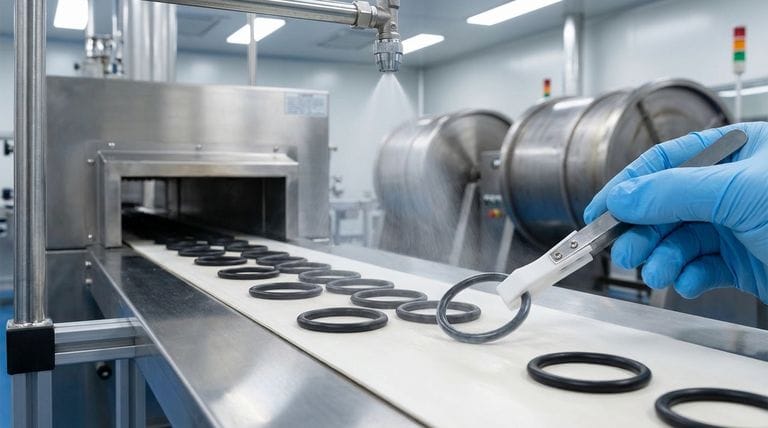
Manufacturers perform extensive testing to ensure sealing reliability in filtration environments.
| Test Method | Purpose |
| Compression Set Testing | Evaluate long-term elasticity |
| Potable Water Certification | Verify drinking water compliance |
| Pressure Cycle Testing | Assess fatigue resistance |
| Chemical Exposure Testing | Evaluate cleaning agent resistance |
| Leakage Verification | Confirm sealing performance |
Factory Test Data from Reverse Osmosis Systems
A manufacturer of commercial reverse osmosis systems conducted endurance testing using EPDM O-rings installed in membrane pressure vessels.
| Test Parameter | Result |
| Operating Pressure | 18 Bar |
| Temperature | 40°C |
| Pressure Cycles | 4.2 Million Cycles |
| Leakage | Zero Detectable Leakage |
| Compression Set | 8.5% |
The testing demonstrated excellent long-term sealing stability under realistic operating conditions.
Service Life Curve Analysis for Water Filtration O-Rings
Long-term performance depends on operating temperature, chemical exposure, and maintenance procedures.
Typical EPDM Service Life in Water Treatment Systems:
- 25°C → More than 15 Years
- 40°C → Approximately 12 Years
- 60°C → Approximately 10 Years
- 80°C → Approximately 7 Years
- 100°C → Approximately 4 Years
Understanding these service-life trends helps operators optimize maintenance schedules and reduce unexpected downtime.
Customer Case Study: Eliminating Membrane Housing Leaks
🏭 Industry: Municipal Water Treatment
Challenge: A water treatment facility experienced recurring leakage around reverse osmosis membrane housings after annual maintenance.
Investigation Results:
- Existing seals exhibited compression set exceeding 30%.
- Cleaning chemicals accelerated elastomer aging.
- Housing groove dimensions produced uneven compression.
Engineering Solution:
- Upgrade to certified EPDM O-rings.
- Optimize groove tolerances.
- Implement annual seal replacement during membrane servicing.
Measured Results After 24 Months:
- Leak incidents reduced by 97%
- Maintenance callouts reduced by 68%
- Water loss reduced by 41%
- System uptime improved significantly
Failure Analysis of O-Rings in Water Filtration Systems
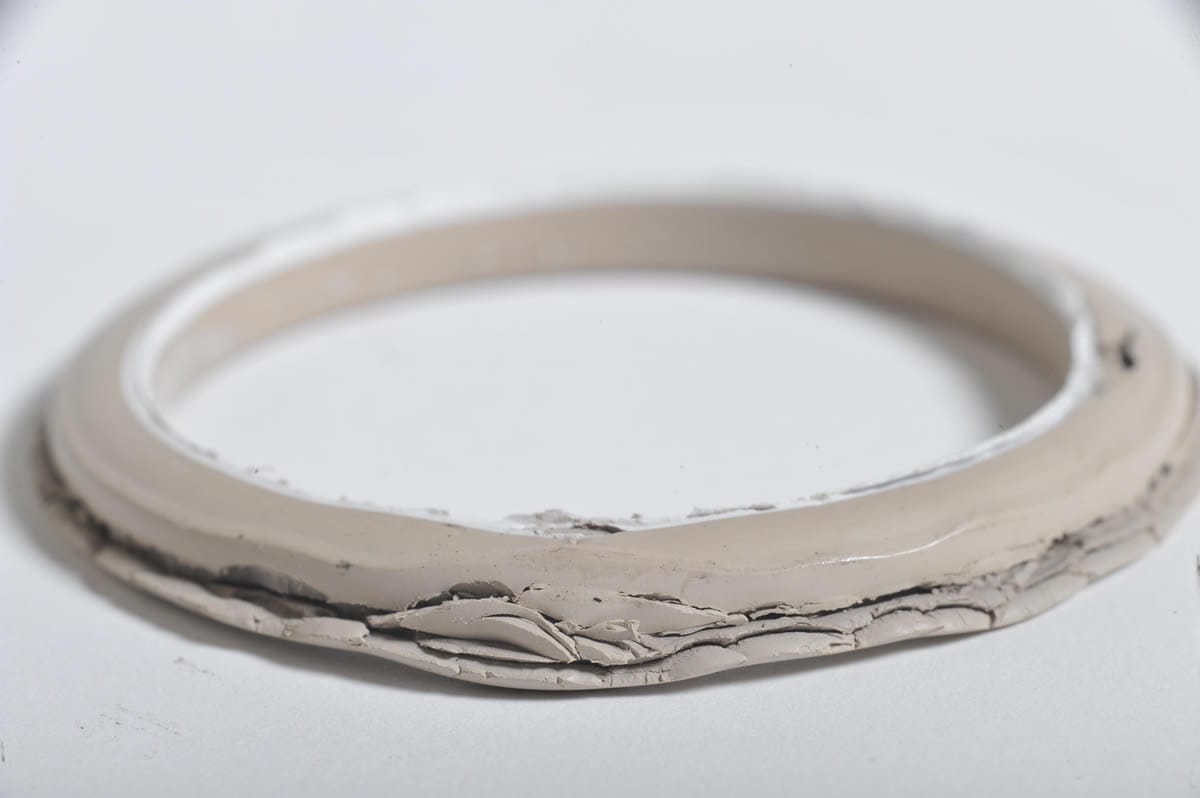
Compression Set
Loss of elasticity reduces sealing force and eventually allows leakage.
Chemical Attack
Disinfectants and cleaning chemicals may damage incompatible elastomers.
Improper Installation
Twisting, pinching, or cutting during assembly can cause premature failures.
Thermal Aging
Elevated temperatures accelerate material degradation.
Surface Damage
Damaged housings or rough sealing surfaces may compromise seal performance.
🔬 Common Failure Distribution:
- Compression Set: 34%
- Chemical Exposure: 24%
- Installation Damage: 18%
- Thermal Aging: 14%
- Surface Defects: 10%
Best Practices for Water Filtration O-Ring Selection
- Use potable-water-approved materials when required.
- Verify compatibility with cleaning chemicals.
- Follow proper installation procedures.
- Replace seals during scheduled maintenance.
- Monitor pressure fluctuations.
- Inspect sealing surfaces regularly.
- Choose high-quality O-rings from experienced manufacturers.
✅ Engineering Recommendation: In water filtration systems, the cost of a premium O-ring is insignificant compared to the potential costs of leakage, contamination, regulatory violations, or system downtime. Investing in the correct sealing solution delivers measurable improvements in reliability, water quality, and total operating efficiency.
Frequently Asked Questions
1. What O-ring material is best for water filtration systems?
EPDM is commonly preferred because of its excellent water, steam, and potable water compatibility.
2. How often should water filtration O-rings be replaced?
Replacement intervals depend on operating conditions, but annual inspections and scheduled replacements during maintenance are recommended.
3. Can chemical cleaning agents damage O-rings?
Yes. Incompatible cleaning chemicals can cause swelling, hardening, cracking, or loss of elasticity.
4. What causes most O-ring failures in filtration equipment?
Compression set, chemical exposure, installation damage, thermal aging, and sealing surface defects are the most common causes.
5. Why are certified O-rings important in drinking water systems?
Certified materials help ensure compliance with potable water regulations while maintaining long-term sealing reliability and water quality.