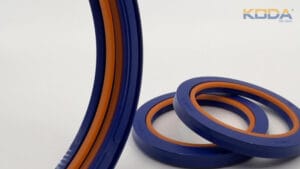
EPDM Seals: What Sets Them Apart
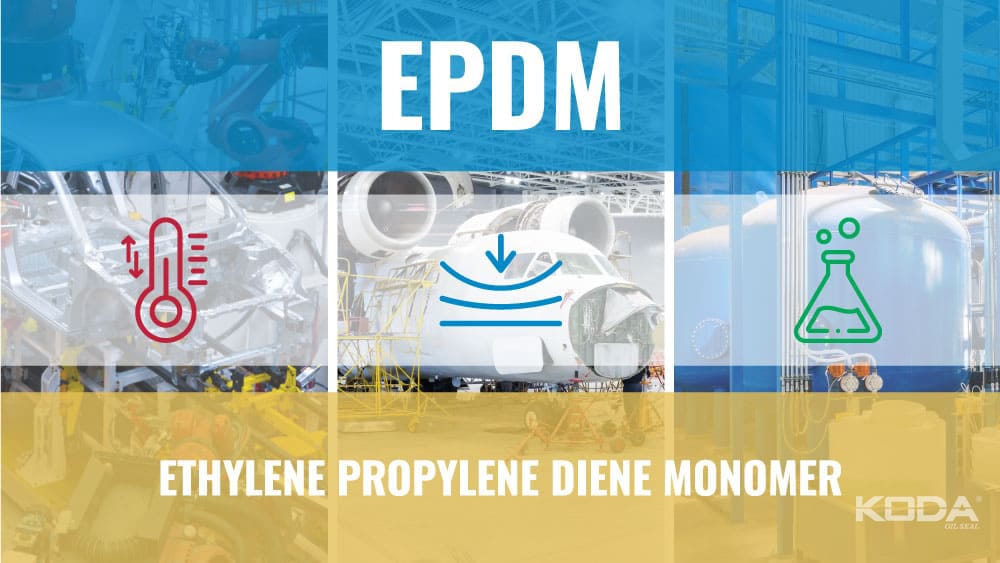
EPDM seals stand out as a top-tier elastomeric sealing solution, characterized by unparalleled weather resistance, superior waterproof/vapor protection, a wide temperature tolerance range, and strong chemical compatibility—all at a highly competitive price.
Core Properties That Make EPDM Seals Unique
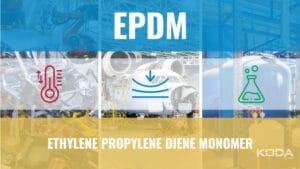
EPDM (Ethylene Propylene Diene Monomer) features a saturated polymer backbone, which delivers performance advantages few other rubbers can match.
1. Unrivaled Weather, UV & Ozone Resistance
- Resists long‑term UV, ozone, rain, and extreme climate exposure
- Maintains elasticity for years without degradation
- Ideal for architectural, automotive, and solar sealing
2. Excellent Water & Hot Steam Compatibility
- Stable in hot water, potable water, and saturated steam up to 180°C
- Resists hydrolysis (unlike NBR)
- Widely used in plumbing, boilers, HVAC, and food‑grade water systems
3. Broad Temperature Range
Standard EPDM seals perform reliably across:-40°C to +125°CSpecial grades reach 150°C short‑term, retaining flexibility in cold and heat.
4. Strong Chemical Resistance
- Dilute acids & alkalis
- Alcohols, glycols, ketones
- Detergents, phosphate ester fluids
- DOT 3/4 brake fluids (selected grades)
5. Low Compression Set & Long Life
6. Excellent Electrical Insulation
Key Limitations (Critical for Correct Selection)
- Mineral oils, gasoline, diesel, and petroleum hydrocarbons
- Most lubricating oils and greasesUsing EPDM in these environments causes swelling, softening, and rapid failure.
Common Applications for EPDM Seals
Automotive
- Door, window, and sunroof weatherstripping
- Cooling system seals (radiators, thermostats, hoses)
- Windshield wiper blades and brake system seals
Construction & Architecture
- Curtain wall gaskets
- Window/door seals
- Roofing membranes and expansion joints
Plumbing & HVAC
- Pipe gaskets, valve seals, pump seals
- Boiler and hot water system components
- HVAC duct and chiller seals
Appliances & Consumer Goods
- Washing machine & dishwasher door gaskets
- Water heater and coffee machine seals
- Waterproof electronics enclosures
Industrial & Energy
- Water treatment and filtration systems
- Solar panel edge seals
- Food & beverage processing (water/steam contact)
- Electrical insulation seals
How to Select the Right EPDM Seals?
Follow these steps to avoid failure and optimize performance.
- Check fluid compatibility:Confirm no mineral oil or hydrocarbon exposure.
- Define temperature range:Choose standard or high‑temp EPDM accordingly.
- Verify pressure & speed:EPDM works for static/dynamic sealing up to moderate pressure.
- Select hardness:Typical: 60–80 Shore A.Softer for uneven surfaces; harder for pressure resistance.
- Choose profile & size:O‑rings, gaskets, extrusion profiles, and custom shapes available.
- Certifications:For drinking water: NSF/ANSI 61.For food contact: FDA compliant grades

Installation & Maintenance Best Practices
Maximize the life of your EPDM seals with these steps.
Installation
- Clean mating surfaces to remove dirt and old seal residue
- Lubricate with glycerin or silicone grease (avoid petroleum lubricants)
- Use proper tools to prevent twisting or cutting
- Ensure even compression (avoid over‑tightening)
Maintenance
- Inspect for swelling, cracking, or compression set during scheduled checks
- Replace at first sign of leakage to prevent equipment damage
- Store EPDM seals in cool, dark, dry conditions away from oils and solvents
EPDM vs. Other Seal Materials
| Material | Weather/UV | Water/Steam | Mineral Oil | Cost | Best For |
|---|---|---|---|---|---|
| EPDM Seals | Excellent | Excellent | Poor | Mid | Outdoor, water, HVAC, automotive |
| NBR | Poor | Fair | Excellent | Low | Oil systems, industrial |
| FKM (Viton) | Good | Good | Excellent | High | Extreme chemicals/heat |
| Silicone | Good | Fair | Poor | Mid | Food, extreme temp |
Troubleshooting EPDM Seal Failures
- Swelling/softening → Contact with mineral oil or hydrocarbons → Switch to NBR/FKM
- Cracking/hardening → Wrong grade or over‑temperature → Upgrade to heat‑resistant EPDM
- Leakage → Improper compression or damage → Reinstall with correct torque
- Compression set → Over‑compression or poor grade → Use low‑compression‑set EPDM
Conclusion
EPDM seals are defined by superior weatherability, water/steam resistance, temperature stability, and cost efficiency—making them irreplaceable for outdoor, plumbing, HVAC, automotive, and aqueous industrial applications. By understanding their strengths and limits, you can select, install, and maintain EPDM seals to deliver long‑lasting, leak‑free performance.
For custom EPDM seals or material grading support, partner with manufacturers experienced in elastomer formulation and precision manufacturing.
Q&A:EPDM Seals What Sets Them Apart
What sets EPDM Seals apart from other rubber seals?
EPDM Seals stand out for their exceptional resistance to UV light, ozone, weathering, and hot water/steam. They also maintain flexibility over a wide temperature range and offer excellent electrical insulation — benefits that many common elastomers like NBR cannot match.
What are the main advantages of using EPDM Seals?
The main advantages of EPDM Seals include outstanding outdoor durability, strong performance in water and steam systems, good chemical resistance to acids and detergents, low compression set, and long service life even in harsh environmental conditions.
Where are EPDM Seals most commonly used?
EPDM Seals are widely used in automotive cooling systems, construction window and door gaskets, HVAC equipment, plumbing valves, drinking water systems, electrical enclosures, and outdoor applications where UV and weather resistance are required.
What fluids and environments are EPDM Seals not suitable for?
EPDM Seals perform poorly in contact with mineral oils, petroleum-based fuels, diesel, and most hydraulic oils. These fluids cause severe swelling and premature failure, so EPDM is not recommended for oil or fuel systems.
How long do EPDM Seals last compared to other seals?
Under outdoor, water, or steam conditions, EPDM Seals typically last 2–3 times longer than NBR seals due to superior ozone and weather resistance. With proper installation, they can maintain reliable sealing performance for many years without hardening or cracking.