
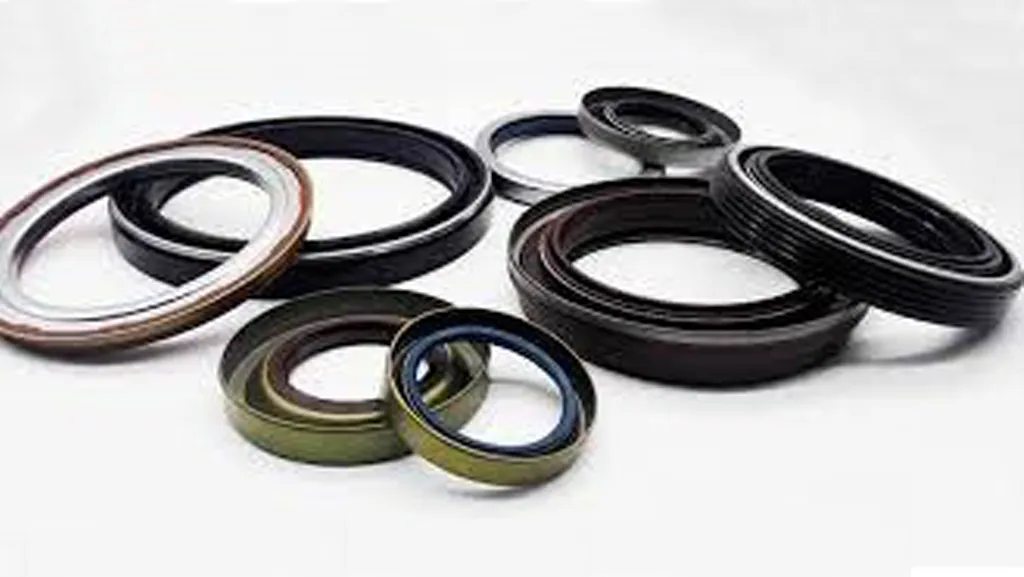
Introduction to TCN Oil Seals and Their Growing Importance
In modern industrial equipment, reliable sealing systems are essential for maintaining operational efficiency, reducing maintenance costs, and extending machinery lifespan. Among the many rotary shaft sealing solutions available today, the TCN oil seal has gained widespread recognition for its enhanced sealing capability, excellent dust exclusion performance, and long-term durability in demanding applications.
From automotive transmissions and industrial gearboxes to agricultural machinery and hydraulic systems, TCN oil seals are increasingly chosen by equipment manufacturers seeking higher levels of protection against lubricant leakage and environmental contamination.
Although many engineers are familiar with traditional TC oil seals, the TCN design introduces structural improvements that make it particularly effective in environments where sealing reliability is critical. Understanding how TCN oil seals work, their construction, material options, applications, advantages, limitations, and selection criteria can help businesses optimize equipment performance while minimizing downtime.
For professionals looking for high-performance sealing solutions, the TCN oil seal has become an increasingly popular choice across multiple industries.
What Is a TCN Oil Seal?
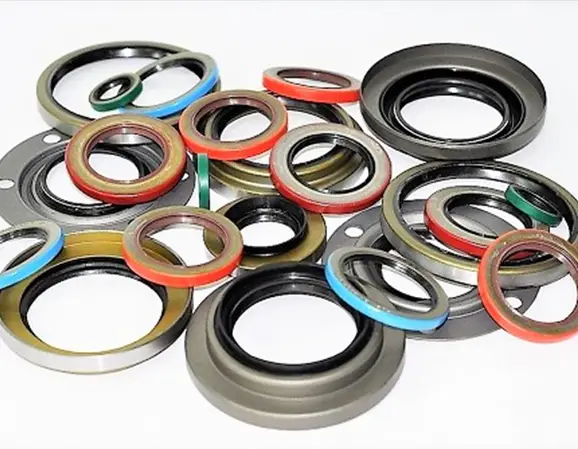
A TCN oil seal is a radial shaft seal specifically engineered to prevent lubricant leakage while simultaneously blocking external contaminants such as dust, dirt, water, mud, and abrasive particles from entering mechanical systems.
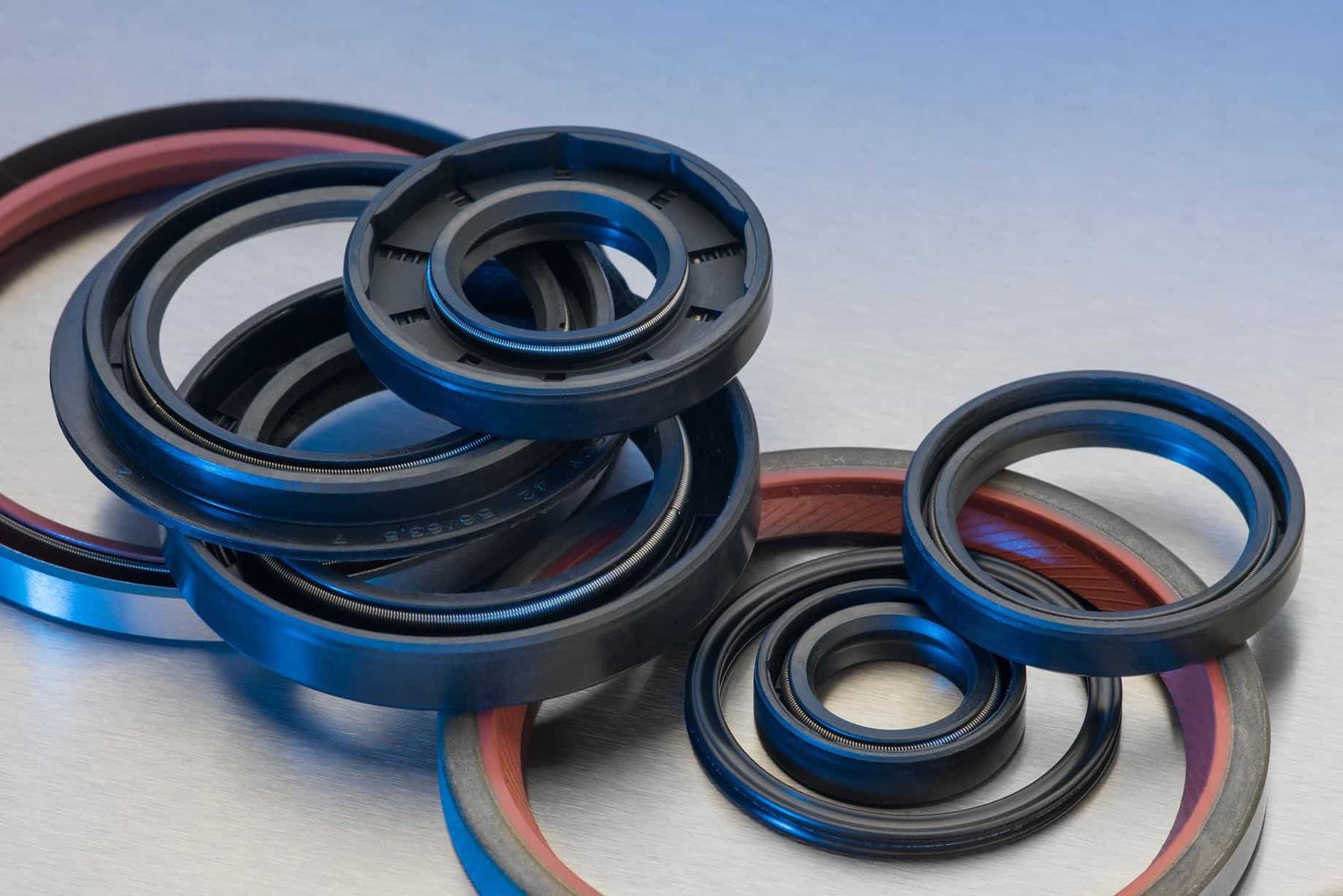
The designation “TCN” generally refers to an enhanced double-lip oil seal configuration featuring a reinforced sealing structure, spring-loaded primary sealing lip, auxiliary dust lip, and a robust metal-reinforced outer case covered with elastomer material.
Compared with conventional sealing designs, TCN oil seals are often selected when equipment operates under higher contamination levels, vibration, shaft misalignment, or continuous service conditions.
Primary Functions of a TCN Oil Seal
✔ Prevent lubricant leakage
✔ Protect bearings and rotating components
✔ Exclude dust and contaminants
✔ Maintain system cleanliness
✔ Reduce maintenance frequency
✔ Extend equipment service life
The Evolution of Rotary Shaft Sealing Technology
The development of oil seals has evolved significantly over the past decades. Early sealing solutions focused primarily on preventing oil leakage. However, modern industrial environments require seals that can perform multiple protective functions simultaneously.
As machinery became more compact, faster, and more powerful, engineers began developing sealing solutions capable of handling greater shaft speeds, temperature variations, contamination exposure, and operating pressures.
The TCN oil seal emerged as part of this evolution, offering enhanced performance compared with many conventional sealing configurations.
Today, industries demand sealing systems that not only prevent lubricant loss but also improve reliability, reduce environmental impact, and support predictive maintenance programs.
Understanding the Structure of a TCN Oil Seal
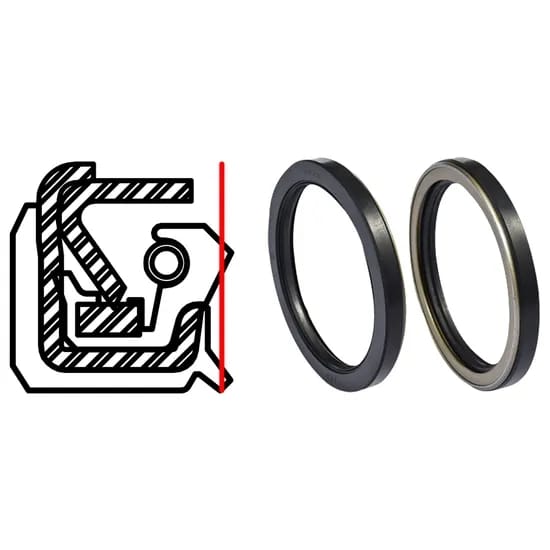
The superior performance of a TCN oil seal comes largely from its carefully engineered structure.
Primary Sealing Lip
The primary lip forms the main sealing interface with the rotating shaft. This lip maintains controlled radial pressure against the shaft surface, creating an effective barrier that prevents lubricant leakage.
Garter Spring
A precision-engineered garter spring reinforces the primary lip, ensuring consistent sealing force throughout the service life of the seal.
Secondary Dust Lip
The auxiliary dust lip provides an additional layer of protection by preventing dirt, moisture, and airborne particles from reaching the primary sealing zone.
Metal Reinforcement
The internal metal case provides structural stability and helps maintain dimensional accuracy during installation and operation.
Rubber-Coated Outer Diameter
The elastomer-covered outer surface improves housing sealing performance and compensates for minor imperfections in bore surfaces.
How Does a TCN Oil Seal Work?
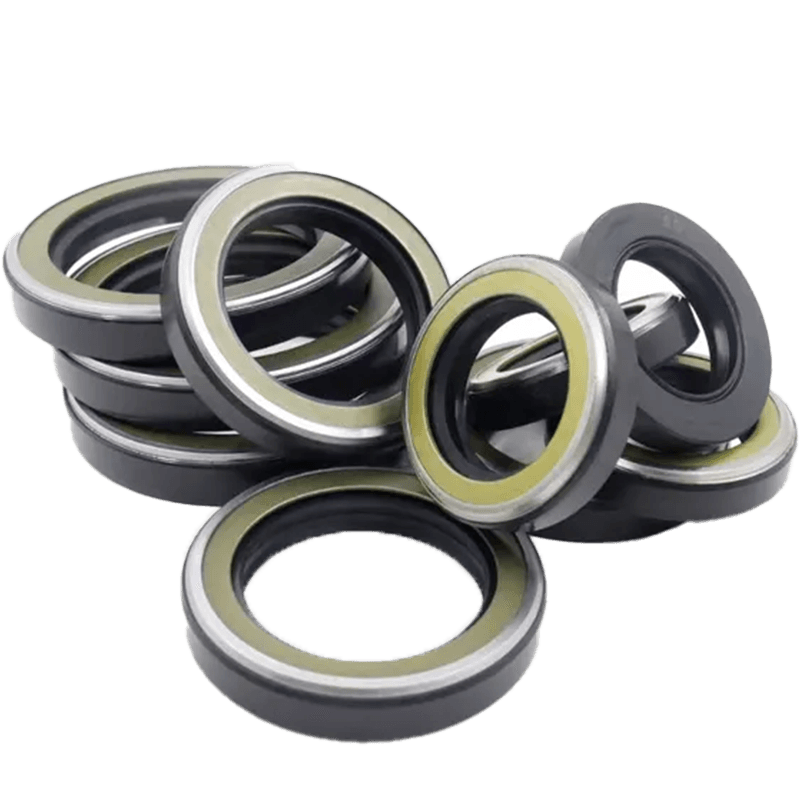
A TCN oil seal functions through controlled contact between the sealing lip and the rotating shaft surface.
The garter spring applies consistent radial force, allowing the sealing lip to maintain intimate contact with the shaft. This creates a microscopic sealing zone that retains lubricants while minimizing friction.
Simultaneously, the dust lip acts as a secondary barrier, preventing contaminants from reaching the primary sealing interface.
As the shaft rotates, a thin lubricating film develops between the lip and shaft surface, reducing wear while maintaining sealing effectiveness.
Materials Used in TCN Oil Seals
Material selection plays a critical role in determining oil seal performance.
Different operating environments require specific elastomer formulations to achieve optimal sealing results.
Nitrile Rubber (NBR)
NBR remains one of the most common materials used in TCN oil seals because of its excellent resistance to petroleum-based lubricants and cost-effective performance.
Fluoroelastomer (FKM)
FKM provides exceptional resistance to high temperatures, aggressive chemicals, synthetic oils, and fuels.
Hydrogenated Nitrile Rubber (HNBR)
HNBR offers improved heat resistance, mechanical strength, and aging performance compared with standard nitrile rubber.
Silicone Rubber
Silicone compounds perform exceptionally well in low-temperature environments and specialized industrial applications.
Major Advantages of TCN Oil Seals
Enhanced Dust Exclusion
One of the most significant advantages of TCN oil seals is their ability to prevent contamination from entering sensitive mechanical systems.
Improved Lubricant Retention
The spring-loaded primary lip maintains consistent contact pressure, reducing the likelihood of lubricant leakage.
Long Service Life
High-quality materials and optimized lip geometry contribute to extended operational durability.
Excellent Wear Resistance
Modern elastomer compounds help minimize wear even under continuous shaft rotation.
Broad Application Compatibility
TCN oil seals can be adapted to numerous industrial, automotive, and heavy-duty machinery applications.
For demanding environments requiring superior contamination protection, many engineers rely on the TCN oil seal as a dependable sealing solution.
Common Applications of TCN Oil Seals
The versatility of TCN oil seals makes them suitable for numerous industries.
Automotive transmissions
Wheel hubs
Industrial gearboxes
Hydraulic pumps
Electric motors
Agricultural machinery
Construction equipment
Mining machinery
Conveyor systems
Marine equipment
These applications often operate under challenging environmental conditions where contamination control is essential.
TCN Oil Seals vs Standard TC Oil Seals
Although TCN and TC oil seals share many similarities, several distinctions can influence selection decisions.
Contamination Protection
TCN designs generally provide improved dust exclusion and environmental protection.
Durability
Enhanced structural design often results in longer service life under demanding operating conditions.
Application Severity
TCN oil seals are frequently preferred for heavy-duty applications exposed to higher contamination levels.
Maintenance Intervals
Better sealing performance can contribute to reduced maintenance requirements.
Factors to Consider When Selecting a TCN Oil Seal
Proper seal selection requires evaluating multiple operating parameters.
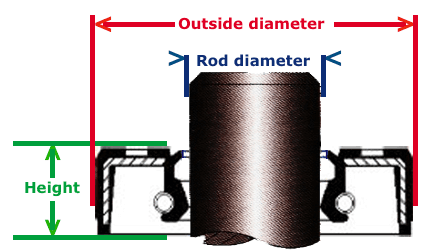
Shaft Diameter
Accurate shaft dimensions ensure proper lip contact and sealing performance.
Housing Bore Size
The outer diameter must fit precisely within the housing.
Operating Temperature
Temperature directly affects elastomer performance and longevity.
Rotational Speed
High-speed applications require materials capable of resisting friction-generated heat.
Lubricant Type
Material compatibility with oils, greases, and hydraulic fluids is essential.
Environmental Conditions
Exposure to dust, water, chemicals, or abrasive particles should influence seal selection.
Common Causes of TCN Oil Seal Failure
Even premium-quality seals can fail if installation or operating conditions are improper.
Improper installation
Shaft surface damage
Excessive shaft runout
Incorrect material selection
Contamination ingress
Excessive pressure
Thermal degradation
Lubrication failure
Understanding these factors allows maintenance teams to improve seal life and reduce unexpected downtime.
Quality Inspection Standards for TCN Oil Seals
Leading manufacturers implement rigorous inspection procedures to ensure consistent quality.
Dimensional Verification
Critical dimensions are measured to ensure compliance with design specifications.
Surface Inspection
Seals are inspected for cracks, voids, flash, and molding defects.
Hardness Testing
Material hardness is verified to ensure consistency across production batches.
Performance Validation
Manufacturers conduct leakage, wear, and durability testing to validate sealing performance.
A properly manufactured TCN oil seal should demonstrate excellent dimensional accuracy and long-term sealing reliability.
Future Trends in TCN Oil Seal Technology
As machinery becomes increasingly sophisticated, sealing technology continues evolving.
Emerging trends include:
Advanced elastomer compounds
Low-friction lip designs
Smart maintenance integration
AI-assisted quality inspection
Enhanced contamination barriers
Sustainable material development
These innovations are expected to further improve sealing performance while reducing operational costs and environmental impact.
Frequently Asked Questions
1. What does TCN stand for in oil seals?
TCN generally refers to an enhanced double-lip rotary shaft seal design featuring improved contamination exclusion and sealing performance.
2. What is the main advantage of a TCN oil seal?
Its primary advantage is superior protection against lubricant leakage and environmental contaminants.
3. Where are TCN oil seals commonly used?
They are widely used in automotive systems, industrial gearboxes, hydraulic equipment, agricultural machinery, and construction equipment.
4. Which material is best for high-temperature TCN oil seal applications?
FKM is often preferred for high-temperature environments due to its excellent heat and chemical resistance.
5. How can I extend the service life of a TCN oil seal?
Proper installation, correct material selection, maintaining shaft quality, controlling contamination, and following maintenance recommendations can significantly extend seal lifespan.