Properties, applications, and maintenance of neoprene O-rings
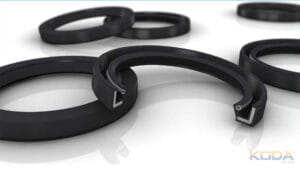
Chloroprene (CR) O-rings, commonly known as neoprene O-rings, are among the earliest commercially available synthetic rubber seals. Their balanced overall performance and wide applicability have made them a core sealing solution across industries like automotive, chemical, refrigeration, marine, and home appliances. For businesses and engineers seeking reliable sealing, understanding neoprene o-ring features & benefits is critical to avoiding common pain points—such as leakage, premature aging, and material incompatibility—and making informed purchasing decisions. This comprehensive guide breaks down neoprene O-rings from three key dimensions: core features & benefits, industry applications, and maintenance techniques, tailored to help you leverage their full potential.
Neoprene O-Ring Features & Benefits: Core Performance Analysis
The standout neoprene o-ring features & benefits stem from its unique molecular structure, which combines elasticity, weather resistance, and chemical stability—making it a versatile choice for diverse operating conditions. However, understanding its performance limitations is equally important to prevent seal failure. Below is a detailed breakdown of its key features, benefits, and restrictions.
Key Neoprene O-Ring Features & Their Benefits
- Superior Weather Resistance & Aging Resistance (Feature): Neoprene O-rings exhibit exceptional resistance to ozone, ultraviolet (UV) radiation, and atmospheric aging. Unlike natural rubber (NR) and nitrile rubber (NBR), they do not crack or harden even after long-term exposure to outdoor, humid, or direct sunlight environments (Benefit): This extends their service life significantly, making them the top choice for outdoor equipment sealing—reducing replacement frequency and maintenance costs.
- Balanced Chemical Resistance (Feature): They resist water, seawater, animal oils, vegetable oils, silicone ester lubricants, refrigerants (R12, R22, ammonia, etc.), and dilute acids (Benefit): This versatility makes them ideal for multi-media sealing applications, eliminating the need for multiple seal types and simplifying inventory management.
- Reliable Mechanical & Flame Retardant Properties (Feature): With good elasticity, low compression set, and a Shore hardness range of 30-90 (70 Shore A is most common), neoprene O-rings maintain seal integrity under moderate pressure. They also have natural flame-retardant properties (Benefit): No additional flame retardants are needed, making them safe for applications with basic fire protection requirements, while their mechanical stability ensures consistent performance in static sealing scenarios.
- Wide Temperature Adaptability (Feature): Operating temperature range of -40℃ to 120℃ (-40°F to 248°F) (Benefit): They cope with temperature fluctuations in most industrial working conditions, retaining elasticity in low temperatures to avoid brittle failure and resisting softening in high temperatures—ensuring reliable sealing year-round.
Performance Limitations: When to Avoid Neoprene O-Rings
Understanding the limitations of neoprene O-rings complements their features and benefits, preventing costly selection errors. They are not recommended for:
- Contact with strong acids, nitro hydrocarbons, esters, chloroform, or ketones—these substances cause material expansion and degradation, compromising seal integrity.
- High-frequency dynamic sealing applications: Their dynamic seal life is short (typically <1000 cycles), and they have poor resistance to phosphate ester-based hydraulic oils. For these scenarios, fluororubber (FKM) or hydrogenated nitrile butadiene rubber (HNBR) is a better alternative.
Neoprene O-Ring Applications: Where Features & Benefits Deliver Value
Automotive & Refrigeration Industries: Core for Refrigerant Sealing
Neoprene O-rings are critical in automotive air conditioning systems and refrigeration equipment, thanks to their excellent resistance to Freon (R12, R134a), PAG synthetic refrigeration oil, and ammonia refrigerants—directly leveraging their chemical resistance and temperature adaptability. They solve the common problem of “leakage leading to decreased refrigeration efficiency”: neoprene O-rings conforming to ISO 3601 standards prevent media leakage while withstanding wear from high-low temperature cycles. Additionally, their oil resistance and anti-aging benefits improve the reliability of static seals in automotive transmission and braking systems.
Outdoor & Marine Equipment: Weather-Resistant Sealing Solutions
Chemical & General Machinery: Low-to-Medium Pressure Static Sealing
Home Appliances & Food Processing: Safe Sealing Alternative
Extend Neoprene O-Ring Lifespan: Maintenance Tips to Maximize Benefits
Pre-Installation Preparation: Avoid Initial Damage
- Ensure sealing groove dimensions comply with GB 3452.1 or AS 568 standards, with a recommended compression rate of 15%-25%—over-compression accelerates aging, while under-compression causes leakage (preserving their elasticity and mechanical performance).
- Clean grooves of impurities and burrs, and insert the O-ring smoothly to avoid surface scratches—protecting their structural integrity and ensuring the weather and chemical resistance features remain intact.
- Apply silicone ester lubricant to dynamic sealing parts to reduce friction damage during installation.
In-Use Maintenance: Targeted Protection
- Avoid operating beyond the -40℃ to 120℃ temperature range; install heat insulation devices for instantaneous high temperatures (>120℃) to prevent material softening and degradation (preserving their temperature adaptability benefit).
- Regularly inspect seals: Discoloration or powdery residue may indicate medium incompatibility or electrolytic corrosion—replace materials promptly and verify media to protect their chemical resistance.
- Clean dust and oil from outdoor O-rings regularly to prevent impurity buildup and accelerated wear.
Storage Conditions: Prevent Idle Aging
How to Choose the Right Neoprene O-Ring: Maximize Features & Benefits
- Material Purity & Certification: Choose high-purity neoprene (avoid recycled materials, which lack elasticity and age quickly) from ISO 9001-certified manufacturers. For special industries (medical, food), select FDA-compliant products to ensure safety benefits.
- Specifications & Hardness: Match hardness to pressure and temperature: 70 Shore A (static sealing), 60 Shore A (low-pressure), 80 Shore A (high-pressure). Ensure specifications align with groove dimensions; customize non-standard sizes with your manufacturer using operating parameters.
- Operating Condition Compatibility: Provide media composition for compatibility testing if uncertain. Inform manufacturers of dynamic sealing or high-frequency cyclic conditions to assess material or structure optimization—ensuring you get the full benefit of neoprene’s features.
KODA Commitment: Delivering Neoprene O-Ring Features & Benefits You Can Trust
KODA offers a full range of AS568 neoprene O-rings. Furthermore, utilizing black 70-degree neoprene rope (available in both imperial and metric sections), we can quickly customize various non-standard sizes of O-rings through a vulcanization splicing process.
Whether you are a distributor seeking a long-term partnership or an end user urgently needing a solution, KODA can provide you with professional support. Contact us today to discuss selection details with our technical sales team and obtain an accurate quote.
FAQs About Neoprene O-Ring Features & Benefits
What are the key features of neoprene O-rings?
The core features include superior weather/aging resistance, balanced chemical resistance, reliable mechanical/flame-retardant properties, and wide temperature adaptability (-40℃ to 120℃).
What benefits do neoprene O-rings offer?
They provide long service life, versatile multi-media sealing, cost-effectiveness, safety (natural flame retardancy), and consistent performance across diverse industrial conditions.
When should I avoid neoprene O-rings?
Avoid them with strong acids, esters, or ketones, and high-frequency dynamic sealing applications—opt for FKM or HNBR instead.
How do I extend the life of neoprene O-rings?
Follow proper installation (compression rate, clean grooves), in-use maintenance (temperature control, regular inspections), and storage conditions (cool, dry, dark environment).