Protecting EV Batteries with Seals
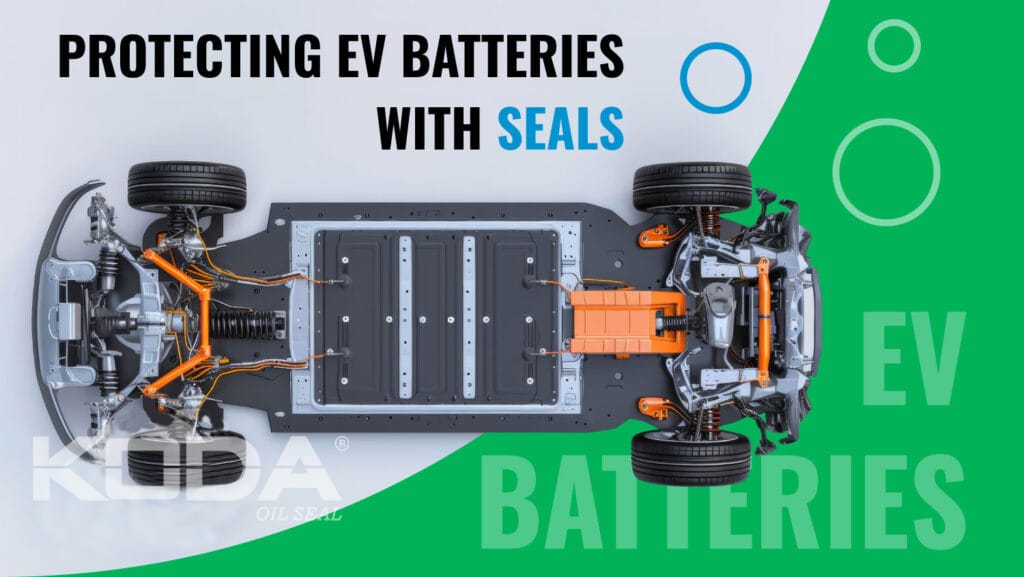
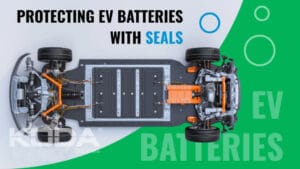
The battery pack is the core component of any electric vehicle (EV), and its performance, safety, and lifespan depend entirely on effective waterproofing and reliable sealing. Even trace amounts of moisture, dust, or contaminants can trigger short circuits, corrosion, or thermal runaway—catastrophic issues that lead to high repair costs, reduced battery range, and safety hazards. Battery pack seals are the unsung heroes in EV battery protection, forming a barrier that protects critical components from harsh environmental conditions, road debris, and liquid infiltration.
Why Battery Pack Seals andWaterproof Protection Are Non-Negotiable for EVs
EV battery packs operate in extreme and variable environments: exposure to rain, snow, road salt, high humidity, and temperature fluctuations (from -40°C to 60°C+) are part of daily use. Unlike internal combustion engines, EV batteries rely on sensitive lithium-ion cells and electronic components that are highly vulnerable to moisture. Here’s why battery pack seals and waterproof protection are critical to avoiding costly failures and ensuring safety:
- Prevent Short Circuits & Thermal Runaway: Moisture ingress is the leading cause of battery short circuits, which can escalate to thermal runaway—an uncontrollable rise in temperature that may result in fires or explosions. Battery pack seals block water, condensation, and humidity from reaching lithium-ion cells and electrical connections.
- Extend Battery Lifespan: Corrosion from water or road salt degrades battery terminals, wiring, and cell casings over time, reducing capacity and range. Effective waterproof protection from high-quality battery pack seals preserves battery integrity, extending service life by 2–3 times in harsh environments.
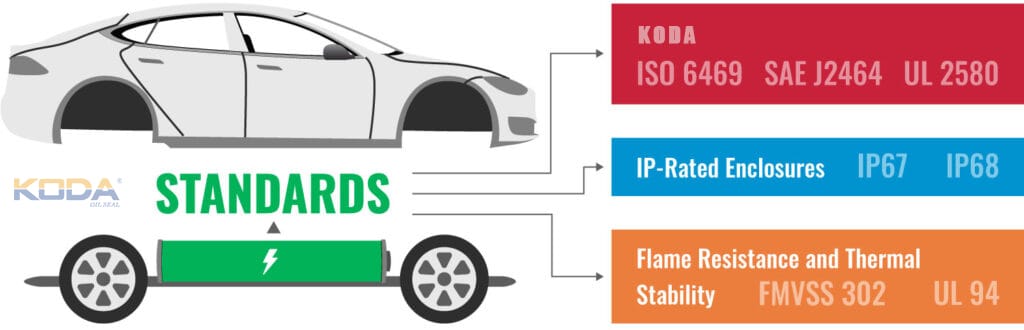
- Comply with Industry Standards: Global EV safety standards ( ISO 6469, SAE J2464, UL 2580) mandate strict waterproof protection for battery packs. IP67 rating requires protection against immersion in 1m of water for 30 minutes, while IP68 (the most rigorous) ensures protection in deeper water for longer durations—both rely on robust battery pack seals to meet compliance.
- Reduce Maintenance & Warranty Costs: A 2026 industry study found that 38% of EV battery failures originate from sealing issues, with average repair costs exceeding $4,200 per incident. Investing in high-performance battery pack seals reduces unplanned downtime and warranty claims.
- Protect Against Contaminants: Beyond water, battery pack seals block dust, dirt, road debris, and chemicals (e.g., road salt) that can scratch cell surfaces, clog cooling systems, and degrade electrical components.
Types of Battery Pack Seals for OptimalWaterproof Protection
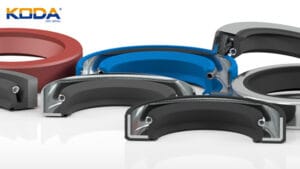
EV battery packs require multiple sealing layers to achieve comprehensive waterproof protection, with each seal type serving a specific purpose. The right combination depends on the battery’s design, installation location (underbody, trunk, etc.), and environmental exposure. Below are the most commonbattery pack seals used in modern EVs:
1. Gasket Seals (Primary Waterproof Protection)
Gaskets are the primary barrier for waterproof protection in battery packs, installed between the battery case lid and housing to create an airtight, watertight seal. They are available in two main configurations, tailored to different assembly needs:
- Pre-Cut Gaskets: Molded to match the exact dimensions of the battery case, pre-cut gaskets (often made of EPDM, silicone, or FKM) are easy to install and ideal for high-volume production. They are commonly used for battery case lids and module enclosures, providing consistent waterproof protection when compressed properly.
- Form-in-Place (FIPG) & Cure-in-Place (CIPG) Seals: Liquid sealants dispensed automatically onto the battery case, forming a custom gasket when cured. FIPG seals are ideal for permanent, high-adhesion applications (same-day assembly), while CIPG seals are curable with heat/light and allow for easy disassembly for maintenance. Both deliver superior waterproof protection for irregularly shaped battery cases.
2. Connector Seals
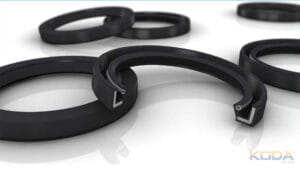
EV battery packs have numerous electrical connectors (for charging, cooling, and data transmission) that are prime entry points for moisture. Connector battery pack seals (O-rings, lip seals, or grommets) are designed to seal the gap between connectors and the battery case, ensuringwaterproof protection while maintaining electrical conductivity. Silicone and FKM are the most common materials here, as they resist temperature fluctuations and chemical exposure.
3. Cable Grommets & Feed-Through Seals
Cables and wiring that pass through the battery case require specialized battery pack seals to prevent water ingress. Grommets (made of flexible rubber or silicone) wrap around cables, filling gaps and creating a tight seal. Feed-through seals are used for larger cables or bundles, combining a rigid housing with a flexible elastomer to maintain waterproof protection even as cables move slightly during vehicle operation.
4. Vent Seals (Breathable Waterproof Protection)
Battery packs generate heat and gas during charging/discharging, requiring ventilation to prevent pressure buildup. Ventbattery pack seals (often made of PTFE) are breathable—allowing air and gas to escape while blocking water, dust, and contaminants. This unique design balances waterproof protection with pressure relief, preventing seal damage or battery case deformation.
5. Edge Bonding Seals
For battery packs with composite or aluminum cases, edge bonding battery pack seals (acrylic foam tapes or structural adhesives) provide both waterproof protection and structural reinforcement. These seals bond the battery case components together, eliminating gaps and resisting vibration—critical for underbody-mounted battery packs exposed to road shocks.
Material Selection for Battery Pack Seals: Key to Long-Lasting Waterproof Protection

The performance of battery pack seals and their ability to deliver reliable waterproof protection depend entirely on material selection. EV battery environments demand materials that resist temperature extremes, chemicals, vibration, and long-term wear. Below are the most common materials, their properties, and ideal applications:
Seal Material | Key Properties | Temperature Range | Ideal For | Waterproof Protection Level |
|---|---|---|---|---|
Excellent weather/UV/ozone resistance, good water/steam resistance, cost-effective | -50°C to 150°C | Battery case gaskets, outdoor-exposed seals | IP67–IP68 | |
Wide temperature range, excellent flexibility, good electrical insulation | -60°C to 200°C | Connector seals, vent seals, high-temperature areas | IP67–IP68 | |
Superior chemical resistance, high-temperature tolerance, durable | -20°C to 200°C+ | High-performance gaskets, chemical-exposed seals | IP68 | |
High bonding strength, good wear resistance, flexible | -40°C to 120°C | Edge bonding seals, structural gaskets | IP67 | |
Breathable, waterproof, dustproof | -50°C to 260°C | Vent seals, pressure relief components | IP68 |
Key Material Selection Tips: For most EV battery packs, EPDM or silicone gaskets are the cost-effective choice for primary waterproof protection. For high-performance or harsh environments (e.g., coastal areas with salt exposure, high-temperature battery systems), FKM seals are recommended. Always verify material compatibility with battery coolants (e.g., glycol) and road chemicals.
How to Ensure Effective Waterproof Protection with Battery Pack Seals: Installation & Best Practices
1. Prepare the Sealing Surface
Thoroughly clean the battery casing and cover surfaces to remove dust, oil, grease, and debris. Even small particles can create gaps at the seal, affecting waterproofing. Clean the surface with a lint-free cloth and a suitable solvent (such as isopropyl alcohol), ensuring the surface is dry. For metal surfaces, plasma treatment can improve seal adhesion and prevent interface leakage.
2. Ensure Proper Compression
Most battery pack seals (especially gaskets) require compression to form a tight seal. The ideal compression ratio is 15% to 25% of the seal’s cross-sectional thickness—undercompression leads to gaps, while overcompression damages the seal and shortens its lifespan. Use torque-controlled fasteners to ensure even pressure throughout the seal.
3. Avoid Damaging the Seal During Installation
Use specialized installation tools to avoid stretching, twisting, or cutting the seal. For FIPG/CIPG seals, ensure the liquid sealant is applied evenly (without gaps or air bubbles) and cure according to the manufacturer’s instructions (temperature and time). Avoid touching the seals with oily or dirty hands, as this will degrade material performance.
4. Inspect Seals Before Final Assembly
Before installing the battery cover, inspect the battery pack seals for defects (cracks, tears, uneven thickness). For pre-cut gaskets, ensure they fit perfectly against the battery casing—misaligned gaskets will not provide adequate waterproofing. For connector seals, verify that the O-rings are correctly installed in their recesses.
5. Test Waterproofing After Installation
Perform a leak test to confirm that the battery pack seals are functioning correctly. Common methods include: immersion (bubble test) for visual leak detection, spray test (simulating rain/washing), or helium gas chromatography leak detection for detecting micro-leaks. Ensure the battery pack meets the required IP protection rating (IP67/IP68) before being put into use.
Common Battery Pack Seals Failures & How to Fix Them (Solve Real-World Problems)
Even with proper installation, battery pack seals can fail over time, compromising waterproof protection and battery performance. Below are the most common failure modes, their causes, and practical solutions to avoid downtime and costly repairs:
1. Gasket Joint Leakage
Causes: Uneven compression, seal misalignment, or gaps (e.g., broken sealant, air bubbles) in FIPG/CIPG applications. This is the most common failure mode, usually caused by improper installation or surface contamination.
Solutions: Thoroughly clean the surface and reinstall the seal. For FIPG seals, reapply liquid sealant, ensuring even application. Use torque-controlled fasteners for uniform compression. For pre-cut gaskets, replace any damaged or misaligned seals.
2. Seal Deterioration (Cracking/Hardening)
Causes: Exposure to extreme temperatures beyond the seal’s rated temperature range, UV radiation, or chemical contamination (e.g., road salt, incompatible coolants). EPDM seals are prone to deterioration from UV exposure if unprotected; FKM seals may deteriorate after contact with certain chemicals.
Solutions: Replace with seals suitable for the application’s temperature and chemical environment. For battery packs used outdoors, use UV-resistant seals (e.g., EPDM or silicone) and consider adding a protective cover. Regularly inspect seals for signs of deterioration.
3. Connector Seal Failure
Causes: O-ring misalignment, connector damage during installation, or vibration abrasion. Connectors are high-stress areas, and even minor seal damage can lead to moisture infiltration.
Solutions: Inspect connector O-rings for damage; replace if worn. Before connection, ensure O-rings are correctly installed. Use a small amount of silicone grease (compatible with the sealing material) to improve sealing performance and reduce wear.
4. Pressure Buildup (Ventilation Seal Failure)
Cause: Clogged or damaged ventilation seals prevent gas/heat from escaping. This can lead to seal deformation or damage to the battery casing, affecting waterproofing.
Solution: Replace clogged or damaged ventilation seals with breathable ePTFE seals. Clean the vents regularly to prevent debris buildup. Ensure the ventilation seal’s rated pressure and temperature range matches the battery’s pressure and temperature range.
5. Seal Extrusion
Cause: Excessive internal pressure in the battery pack or improper venting channel design. This can cause the seal to be extruded from the venting channel, creating gaps that allow water to seep in.
Solution: Inspect the battery pack’s pressure relief system (ventilation seals) to ensure it is functioning correctly. If necessary, modify the seal channel design to prevent extrusion. Use anti-extrusion rings in high-pressure applications.
Choosing the Right Battery Pack Seals for Your EV Application
Choosing the right battery pack seals for waterproofing requires assessing your specific application needs. Follow these steps to make an informed choice, such as how to select battery pack seals for waterproofing:
Step 1: Determine the Operating Environment
- Exposure: Is the battery pack installed under the vehicle (exposed to road salt, debris, etc.) or in the trunk (protected)? Battery packs installed under the chassis require stronger waterproofing (IP68) and chemically resistant seals (FKM or EPDM).
- Temperature: What are the maximum and minimum operating temperatures? For high-temperature batteries (e.g., fast-charging electric vehicles), choose silicone or FKM seals.
- Chemicals: Will the seals come into contact with coolant (ethylene glycol), road salt, or other chemicals? Ensure material compatibility (e.g., EPDM is resistant to ethylene glycol; FKM is resistant to strong corrosive chemicals).
Step 2: Determine the Required IP Rating
Select battery pack seals that meet or exceed the required IP rating to ensure waterproofing and dustproofing. Most electric vehicle battery packs require an IP67 or IP68 protection rating:
- IP67: Can be submerged in 1 meter of water for 30 minutes (suitable for most passenger electric vehicles).
- IP68: Can withstand immersion in water at depths of 2 meters or more for 1 hour (suitable for off-road electric vehicles or battery packs mounted under the chassis).
Step 3: Select Seal Type
Select the seal type based on the battery design:
- Pre-cut gaskets: Best suited for high-volume production and simple battery casing designs.
- FIPG/CIPG seals: Suitable for irregularly shaped casings or permanent assemblies.
- Edge bonded seals: Used for structural reinforcement and waterproof protection for composite casings.
Step 4: Verify Certification
Ensure that the battery pack seals comply with industry standards ( ISO 6469, SAE J2464, UL 2580) and electric vehicle manufacturer specifications. For safety-critical applications, choose seals certified to UL 94 (flame retardant) or NSF/ANSI 61 (water retardant).
Future Trends in Battery Pack Seals & Waterproof Protection
As electric vehicle technology continues to advance, the sealing and waterproofing performance of battery packs is constantly improving to meet the demands for longer driving range, faster charging speeds, and harsher environments. Key trends include:
– Self-healing seals: Polymer-based seals that automatically repair micro-cracks or gaps, extending lifespan and maintaining waterproofing.
- Smart seals: Seals with built-in sensors that monitor temperature, humidity, and seal integrity, alerting maintenance teams to potential faults before leaks occur.
- Lightweight materials: Graphene-reinforced composites and lightweight elastomers that reduce battery weight while maintaining strong waterproofing and durability.
- Integrated sealing systems: Seals integrating multiple functions (waterproofing, shock absorption, electromagnetic interference shielding) reduce component count and improve efficiency.
Conclusion
Battery pack seals are fundamental to reliable waterproofing of electric vehicle batteries, protecting them from moisture, contaminants, and extreme environments to prevent catastrophic failures. Understanding seal types, material selection, best installation practices, and common failure modes helps you select and maintain the right battery pack seals, extending battery life, ensuring safety, and reducing maintenance costs.
Whether you are an electric vehicle manufacturer, engineer, or maintenance professional, effective waterproofing hinges on selecting the appropriate battery pack seals for your specific application—considering environment, temperature, IP protection rating, and material compatibility. Using suitable seals and proper maintenance ensures your electric vehicle battery maintains stable performance and safety for years to come.
For personalized guidance on selecting the right battery pack seals for your electric vehicle application or addressing waterproofing challenges, please feel free to contact us. We are a reliable seal manufacturer with extensive experience in electric vehicle battery technology.