
EPDM O-Rings
EPDM O-Rings
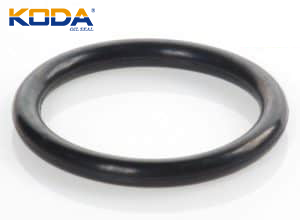
EPDM O-rings are engineered for sealing systems exposed to water, steam, weather, ozone, and polar chemicals. Unlike oil-resistant elastomers such as NBR or FKM, EPDM performs exceptionally well in environments where moisture, temperature fluctuations, and outdoor exposure are major concerns.From potable water equipment and HVAC systems to food processing machinery and automotive cooling circuits, EPDM sealing compounds provide long-term reliability while maintaining flexibility across a wide operating temperature range.
What Is EPDM?
EPDM stands for Ethylene Propylene Diene Monomer, a synthetic elastomer developed specifically for demanding environmental conditions.
Its saturated polymer structure provides outstanding resistance to:
- Ozone
- UV radiation
- Weathering
- Hot water
- Steam
- Glycol-based fluids
- Diluted acids
- Diluted alkalis
These characteristics make EPDM one of the most widely specified sealing materials for water handling and outdoor applications.
Why Engineers Choose EPDM O-Rings
Excellent Water and Steam Resistance
Many elastomers degrade rapidly when exposed to hot water or steam. EPDM maintains elasticity and sealing force in these environments, making it a preferred material for:
- Boilers
- Steam cleaning systems
- Water treatment equipment
- Heat exchangers
- Beverage processing lines
Peroxide-cured EPDM grades can withstand continuous exposure to elevated temperatures while maintaining lower compression set values.
Outstanding Weather and Ozone Resistance
Outdoor equipment often suffers seal failure due to UV exposure and atmospheric ozone.
EPDM naturally resists:
- Sunlight degradation
- Ozone cracking
- Rain exposure
- Oxidation
- Environmental aging
This makes it a common choice for outdoor electrical enclosures, solar systems, and infrastructure equipment.
Reliable Low-Temperature Flexibility
Even in cold climates, EPDM remains flexible and capable of maintaining sealing contact.
Depending on compound formulation, EPDM materials may operate down to approximately:
-40°C to -55°C
This characteristic helps prevent leakage during winter startup conditions.
Introduction to the properties of EPDM O-ring compounds
| Compounds | Durometer | Color | Temp Range (F) | Description |
|---|---|---|---|---|
| E70-C101 | 70 | Black | -67 to +257 | General purpose |
| E70-B104 | 70 | Black | -67 to +302 | NSF 61 |
| E70-B105 | 70 | Black | -67 to +257 | FDA Compliant, NSF 61 |
| E70-B108 | 70 | Black | -67 to +302 | UL 157 |
| E70-B502 | 70 | White | -67 to +257 | Medical Grade, PTFE 1% Internal Lubricant, FDA Compliant |
| E80-B901 | 80 | Purple | -40 to +212 | General purpose |
| E90-B101 | 90 | Black | -22 to +302 | R744 Refrigerant Compatible |
EPDM O-Ring Technical Properties
| Property | Typical Value |
|---|---|
| Material Type | EPDM |
| Hardness Range | 50–90 Shore A |
| Standard Hardness | 70 Shore A |
| Operating Temperature | -50°C to +150°C |
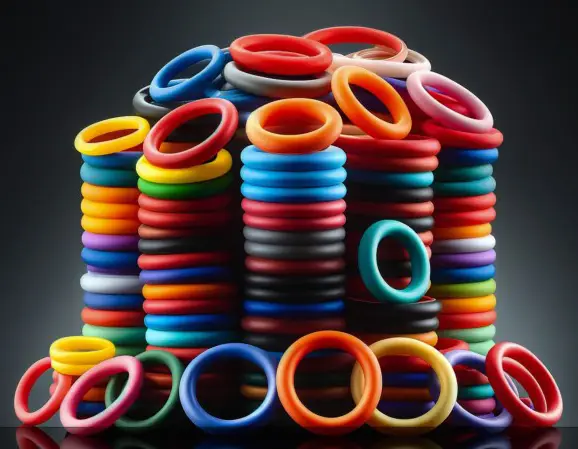
| Color Options | Black, White, Purple, Custom |
| Water Resistance | Excellent |
| Steam Resistance | Excellent |
| Ozone Resistance | Excellent |
| UV Resistance | Excellent |
| Abrasion Resistance | Good |
| Electrical Insulation | Excellent |
Actual performance depends on compound formulation, curing system, operating pressure, and media compatibility.
EPDM Chemical Compatibility Guide
Recommended Media
EPDM O-rings perform well with:
✓ Water
✓ Hot water
✓ Steam
✓ Glycol-based coolants
✓ Brake fluids (DOT 3, DOT 4, DOT 5.1)
✓ Diluted acids
✓ Diluted alkalis
✓ Phosphate ester hydraulic fluids
✓ Alcohols
✓ Ketones
✓ Silicone oils and greases
Media to Avoid
EPDM should generally not be selected for systems containing:
✗ Petroleum oils
✗ Mineral oils
✗ Diesel fuel
✗ Gasoline
✗ Aromatic hydrocarbons
✗ Aliphatic hydrocarbons
✗ Most petroleum-based greases
Using EPDM in these environments can result in swelling, softening, or premature seal failure. For oil-based applications, NBR or FKM are often better alternatives.
Sulfur-Cured vs Peroxide-Cured EPDM
One of the most common questions engineers ask is:
Which EPDM curing system should I choose?
| Feature | Sulfur-Cured EPDM | Peroxide-Cured EPDM |
|---|---|---|
| Initial Flexibility | Better | Good |
| Compression Set | Moderate | Excellent |
| Heat Resistance | Good | Superior |
| Long-Term Stability | Moderate | Excellent |
| Cost | Lower | Higher |
| Steam Applications | Good | Recommended |
For long-term industrial sealing applications, peroxide-cured EPDM is typically preferred due to its superior resistance to thermal aging and compression set.
How to Select the Right EPDM O-Ring
Before ordering, evaluate the following:
1. Operating Temperature
Determine both continuous and peak temperatures.
2. Media Compatibility
Verify the fluid is compatible with EPDM.
3. Pressure Conditions
Higher pressures may require backup rings or harder compounds.
4. Regulatory Requirements
Check whether your application requires:
- FDA compliance
- NSF certification
- WRAS approval
- Drinking water approvals
5. Dynamic or Static Sealing
Different applications may require specialized compound formulations to optimize wear resistance and service life.
EPDM O-ring Recommended Use Environment Guide
Performs Well In:
Medium: Alcohols, dilute acids, dilute alkalis, silicone oils, silicone greases, water, phosphate ester-based hydraulic fluids
Environment: Resistant to ozone, aging, and weathering;
Tolerates steam temperatures up to 204.4℃ (400℉)
Incompatible media: Ketones
Doesn't Perform Well In:
- Aliphatic hydrocarbons and aromatic hydrocarbons
- Diester lubricants
- Halogenated solvents
- Petroleum-based oils and greases